The Political Process is a Windows-exclusive strategy game offering a detailed simulation of the United States political system. It provides players with a comprehensive and engaging experience, allowing them to navigate the complexities of American politics from local elections to national policymaking. This in-depth simulator challenges players to build political careers, manage campaigns, draft legislation, and balance budgets, all while grappling with the intricacies of governance. While lacking the visual flair of many modern games, its focus on realistic mechanics and strategic depth makes it a compelling choice for players interested in a challenging and rewarding political experience.
Building a Political Career: From Local Elections to National Influence
The game’s core gameplay loop revolves around building a political career. Players begin by choosing a politician persona, customizing their ideology across a spectrum of political viewpoints. This initial decision significantly influences the strategic choices available throughout the game and shapes the challenges encountered. The game then places players in one of thousands of real-world U.S. congressional districts, each possessing unique demographic and economic characteristics. This level of detail necessitates a keen understanding of the electorate and careful consideration of policy positions to achieve success.
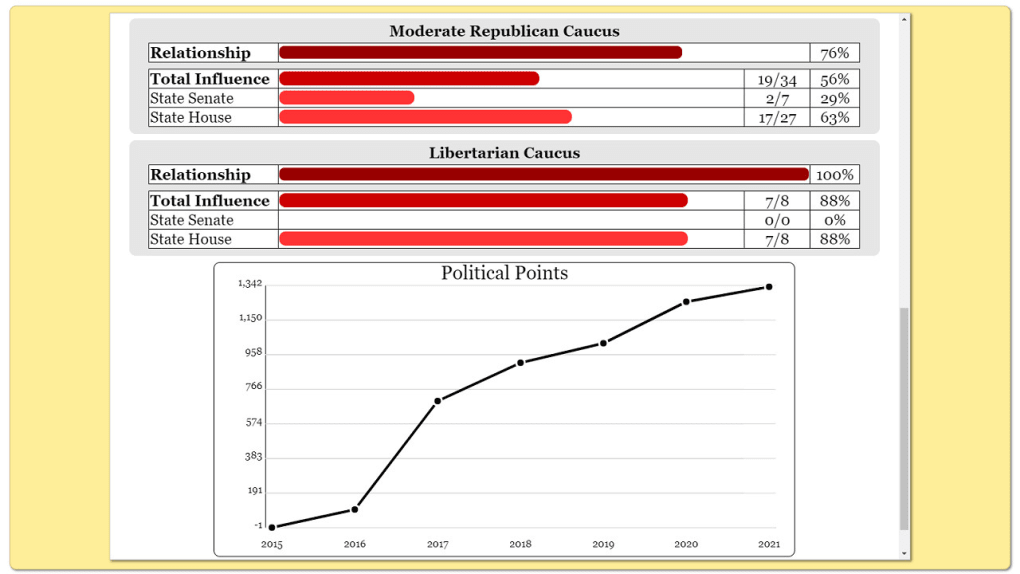
Campaign management is a central aspect of gameplay. Players must carefully allocate limited resources, balancing advertising, grassroots organizing, and public appearances to maximize their chances of electoral success. The game accurately reflects the complexities of campaign finance, requiring players to manage donations, expenditures, and navigate the ethical considerations inherent in political fundraising. Successful campaigning involves not only appealing to a broad range of voters but also identifying and targeting specific demographics to maximize support.
Winning elections is only the first step. Once elected, players face the formidable challenge of legislative maneuvering. Crafting and passing legislation requires players to understand the intricacies of the legislative process, build alliances with other politicians, and navigate the complexities of committee hearings, floor debates, and potential vetoes. Effective lobbying, compromise, and strategic alliances are crucial to transforming policy goals into tangible legislative achievements. Budget management forms another key element, requiring players to balance competing priorities and allocate funds effectively across various government programs and services. The game realistically models the constraints and trade-offs involved in budgetary decision-making.
Navigating the Complexities of Governance: Policy, Strategy, and Unpredictable Events
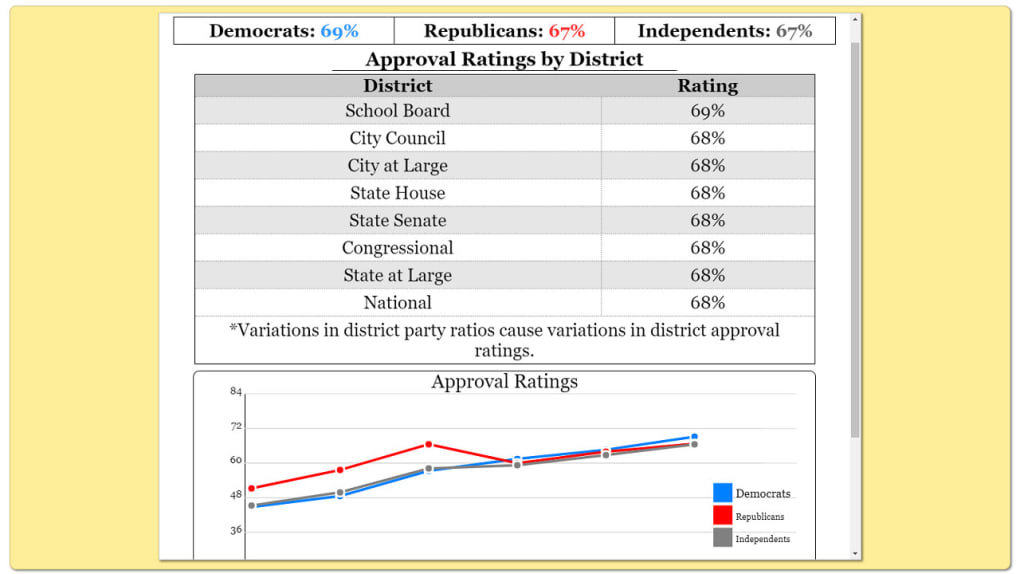
The game’s realistic simulation extends beyond the mechanics of elections and legislation. Players must grapple with the dynamic and often unpredictable nature of American politics. Unforeseen events, such as economic crises, natural disasters, or social upheavals, can significantly impact public opinion and require players to adapt their strategies accordingly. The game dynamically updates the political landscape in response to player actions and external factors, ensuring that each playthrough offers a unique and challenging experience.
Successfully navigating the game requires a combination of strategic foresight, political acumen, and adaptability. Players must analyze voter demographics, anticipate public reactions to policy proposals, and adapt their approach to shifting political climates. Short-term gains may sometimes conflict with long-term goals, requiring careful consideration of the potential consequences of various actions. The game rewards players who can balance immediate political needs with long-term strategic objectives. This delicate balance distinguishes The Political Process from more simplistic political simulations.
The User Interface and Game Mechanics: A Focus on Strategic Depth
The Political Process prioritizes functionality and strategic depth over visual spectacle. The user interface, while simple and uncluttered, remains effective in conveying the complexities of the game’s mechanics. While lacking cinematic cutscenes or flashy graphics, this minimalist approach ensures that the focus remains firmly on the core gameplay elements: political maneuvering, strategic planning, and decision-making. The clean design prevents visual distractions, allowing players to fully immerse themselves in the intricacies of the simulation.
The game’s mechanics are sophisticated and detailed. They accurately model the intricacies of campaign finance, legislative processes, and budget allocation. This commitment to realism leads to a steep learning curve, requiring patience and persistence from players. The absence of comprehensive tutorials means that many players rely on experimentation, online forums, and community support to fully grasp the nuances of the game’s mechanics. While this can pose a challenge for some, it also fosters a sense of discovery and allows players to develop their own strategies through trial and error.
Strengths and Limitations: A Balanced Perspective
The Political Process boasts considerable strengths. Its highly detailed simulation of the U.S. political system provides a unique and engaging experience for players interested in political strategy. The game’s high replayability, driven by the diverse range of possible scenarios, ensures that no two playthroughs are identical. Players can explore different political ideologies, campaign strategies, and legislative approaches, leading to countless hours of engaging gameplay.
Despite its merits, the game is not without limitations. The steep learning curve, coupled with the lack of in-depth tutorials, can be frustrating for newcomers. The minimalist visual presentation and basic sound design may also leave some players wanting a more visually stimulating experience. While the focus on realism is a significant strength, it can also lead to a somewhat dry and unengaging experience for players looking for a more dynamic or visually impressive political simulator. Finally, some users have reported experiencing minor bugs and UI issues that can occasionally interrupt gameplay.
Conclusion: A Game for Dedicated Political Strategists
The Political Process offers a unique and rewarding experience for players who appreciate a challenging and deeply realistic simulation of the American political system. Its focus on strategic depth, intricate mechanics, and high replayability makes it stand out in the political simulation genre. While the steep learning curve and minimalist aesthetic may deter some, those willing to invest the time and effort will find a richly rewarding and thought-provoking experience that offers a compelling glimpse into the complexities of governance. The game’s dedication to realism, coupled with its challenging gameplay, firmly establishes it as a compelling choice for serious political simulation enthusiasts. Despite its limitations, The Political Process proves itself a valuable and engaging simulation for players willing to embrace its complexity.
File Information
- License: “Full”
- Version: “varies-with-device”
- Latest update: “July 18, 2025”
- Platform: “Windows”
- OS: “Windows 8”
- Language: “English”
- Downloads: “2K”