
Step back in time to the vibrant yet dangerous streets of Averno City, circa 1980, with “The Precinct”—an immersive action game that masterfully blends nostalgic homages to classic cop dramas with the expansive freedom of modern sandbox gameplay. Developed by Fallen Tree Games Ltd, this title casts players as Officer Nick Cordell Jr., a rookie whose initiation into law enforcement is complicated by a deeply personal quest: to uncover the truth behind his father’s mysterious and untimely demise. As players navigate the intricate web of Averno City’s criminal underworld and the bureaucratic complexities of its police force, they are drawn into a world where every patrol, every siren, and every pursuit could lead to a breakthrough or a deadly confrontation.
“The Precinct” offers more than just a crime-fighting simulator; it delivers a visceral, adrenaline-pumping experience that captures the essence of an iconic era. The game differentiates itself through its dynamic, procedurally generated cityscape, ensuring that no two patrols are ever truly the same. From seemingly routine traffic stops that can spiral into high-speed chases to meticulously planned bank heists requiring tactical precision, the game embraces unpredictability, mirroring the challenging and often chaotic reality of police work. It’s a compelling narrative of duty, revenge, and survival, set against a backdrop that pulses with the raw energy and distinctive visual flair of the 1980s.
Averno City: A Gritty 1980s Sandbox Unveiled

The heart and soul of “The Precinct” truly lie within its meticulously crafted setting: Averno City. This isn’t just any urban landscape; it’s a living, breathing character steeped in the gritty, neon-soaked ambiance of the 1980s. From the moment players first hit the streets as Officer Nick Cordell Jr., they are enveloped in a world that feels both familiar and strikingly distinct. The game’s developers have gone to great lengths to recreate a sense of place and time, where every alleyway, every storefront, and every graffiti-laden wall tells a story of an era defined by its unique blend of urban decay and nascent modernization.
Visually, “The Precinct” leans heavily into a “neon-noir” aesthetic, a stylistic choice that perfectly encapsulates the dual nature of Averno City. During the day, the city exhibits a worn, bustling facade, a sprawling metropolis grappling with its share of crime and social tension. But as night falls, the true character of Averno emerges, bathed in the lurid glow of neon signs, flickering streetlights, and the reflective sheen of rain-slicked asphalt. This striking visual palette not only enhances the game’s atmosphere but also serves as a constant reminder of the era’s distinctive cinematic influence, evoking memories of classic films and TV shows that defined the cop drama genre. The attention to detail extends to character designs and vehicle models, each contributing to a cohesive and deeply immersive thematic consistency that grounds the player firmly in the 1980s.
Averno City is far from a static backdrop; it’s a dynamic environment designed to keep players on their toes. The inclusion of a day/night cycle significantly impacts gameplay, shifting not only the visual ambiance but also the types of criminal activities that might occur. Daytime patrols might focus on minor infractions and traffic enforcement, while the cover of darkness often gives rise to more serious crimes, from street-level drug deals to coordinated gang activities. Complementing this is a dynamic weather system, which introduces further layers of unpredictability. Rain, fog, or clear skies don’t just affect visibility; they influence driving mechanics, crowd behavior, and the overall tension of an unfolding scenario. Imagine a high-speed pursuit through a thunderstorm, where every turn becomes a treacherous gamble, or a stealthy investigation under the cloak of a misty night.
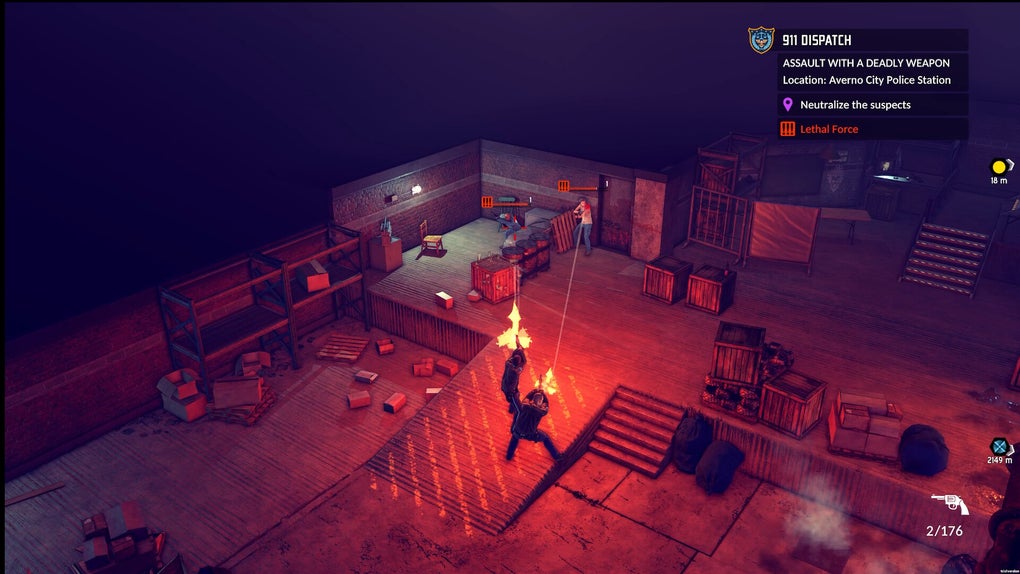
The core of “The Precinct’s” sandbox experience is its procedurally generated cityscape and crime scenarios. This intelligent design choice ensures a high degree of replayability and unpredictability, addressing one of the common criticisms of open-world games—that they can become repetitive once the main story is completed. In “The Precinct,” every patrol is a fresh opportunity for emergent gameplay. Players might initially respond to a seemingly innocuous call about a disturbance, only for it to escalate into a full-blown hostage situation or an armed standoff. Conversely, a routine traffic stop could reveal a suspect with outstanding warrants, leading to an unexpected foot chase through crowded marketplaces. This variety ensures that players are constantly adapting their strategies, relying on their instincts and the tools at their disposal to maintain order in a city teetering on the edge. The motivation of Officer Nick Cordell Jr.—his unwavering determination to unravel the mystery of his father’s demise—provides a compelling overarching narrative thread, but it’s the dynamic, moment-to-moment challenges of Averno City that truly define the player’s journey.
High-Stakes Pursuits and Strategic Enforcement
The adrenaline-pumping pursuits are arguably one of the most exhilarating aspects of “The Precinct,” setting it apart with a dynamic and visceral approach to law enforcement action. The game doesn’t just offer chases; it plunges players into high-octane sequences that demand quick reflexes, tactical thinking, and a mastery of their vehicle. Whether it’s weaving through crowded downtown streets in a squad car, navigating treacherous alleys on foot, or coordinating with aerial units during a high-speed helicopter pursuit, the thrill of the chase is vividly captured. The sense of urgency is palpable, enhanced by the game’s realistic physics and responsive controls, which make every screeching tire and sudden swerve feel impactful.
What elevates these pursuits beyond mere speed tests is the inclusion of destructible environments. This innovative feature adds a layer of realism and consequence to the action. Collisions aren’t just cosmetic; they can leave lasting marks on the environment, from splintered streetlights and shattered shop windows to crumpled billboards and damaged public property. This not only makes the chases feel more dynamic and impactful but also introduces an element of strategic risk. Players must weigh the need to apprehend a suspect against the potential for collateral damage, adding a nuanced layer to their pursuit tactics. A well-placed roadblock might be effective, but it could also lead to a chain reaction of destruction, reflecting the difficult decisions faced by real-world law enforcement.
Beyond individual prowess, “The Precinct” emphasizes the importance of teamwork and strategic depth through its robust support system. This isn’t a game where a lone wolf cop single-handedly takes down an entire criminal enterprise. Instead, players have the ability to call in reinforcements, transforming challenging situations into opportunities for coordinated police work. A simple radio call can summon additional squad cars to box in a fleeing suspect, set up strategically placed roadblocks to cut off escape routes, or even deploy helicopter support for aerial surveillance during complex operations. This mechanic is crucial for managing the game’s more intense scenarios, particularly when facing multiple suspects or heavily armed criminals.
The support system also deepens the strategic layer of gameplay. Players must assess the situation, consider the terrain, and anticipate suspect movements to effectively utilize their available resources. Should they call for backup now, potentially alerting the suspect, or try to handle a smaller incident themselves to save resources for a larger threat? This constant decision-making process reinforces the theme of teamwork inherent in law enforcement, requiring players to think like a police unit rather than an individual. It transforms what could have been a series of isolated action sequences into a more interconnected and tactically rich experience, where every call for assistance feels meaningful and impactful, contributing to the overall sense of authenticity in “The Precinct’s” portrayal of urban policing.

The Evolving Streets: Future Fixes and Community-Driven Enhancements
In the dynamic world of game development, active listening and responsiveness to player feedback are paramount, and “The Precinct” developers, Fallen Tree Games Ltd, have demonstrated a clear commitment to evolving their game based on community input. Following its initial release, the team has been diligently working on diagnosing and thoroughly examining bugs reported in previous patches. Their focus is specifically on targeting the most significant issues that affect major parts of the overall gameplay experience. This meticulous approach aims to provide players with a seamless, stable, and enjoyable experience in upcoming updates, reflecting a dedication to polish and player satisfaction.
The developers’ vision for “The Precinct” extends beyond simple bug fixes; they are actively looking into areas where enhancements can be made to enrich the game further. This process is heavily informed by reviews and suggestions provided directly by the players. This community-driven development model fosters a strong connection between the creators and their audience, ensuring that future iterations of the game align with what the community desires most. Whether it’s refining existing mechanics, introducing new content, or improving performance, player feedback acts as a critical compass, guiding the direction of “The Precinct’s” evolution.
One significant area currently under consideration for future updates is the balancing of Averno City’s crime rate. Player reports have highlighted concerns about the frequency of overlapping incidents and a perceived recurrence of certain crime types. To address this, developers are contemplating adjustments to the game’s crime mechanics. The goal is to create a more dynamic and unpredictable environment, where crime waves ebb and flow more organically, and incidents feel less repetitive. This could involve sophisticated AI algorithms to generate varied crime patterns, ensuring that players are constantly faced with fresh challenges and a city that truly feels alive and responsive to their actions. Such changes would inject renewed vigor into the open-world experience, preventing players from falling into predictable routines and encouraging constant vigilance.
Furthermore, the developers are actively reviewing the AI behavior within the game, although the specific direction for adjustments is still being explored. Improving AI could mean more intelligent suspect behavior, more realistic civilian reactions, or enhanced tactical responses from allied police units. The nuances of AI are complex, and getting it right can significantly impact player immersion and gameplay challenge. In parallel, specific reports have highlighted issues with escort units not performing as intended, causing frustration for players relying on these crucial support elements. The development team is fully aware of these functional discrepancies and is actively working on a fix, which is slated for inclusion in an upcoming patch. This targeted improvement aims to enhance the reliability and effectiveness of escort units, thereby bolstering their functionality and contributing to a smoother, more realistic overall gameplay experience. Ultimately, the trajectory of these future updates remains intrinsically linked to the consensus of player reviews and suggestions, reflecting a commitment to making “The Precinct” a fair, challenging, and continuously engaging game for its community. PhanMemFree, always keen on highlighting games that prioritize player engagement, sees this as a testament to the developers’ dedication.
Navigating the Urban Jungle: Gameplay Mechanics and Potential Pitfalls
“The Precinct” excels in its ambitious endeavor to blend classic police procedural elements with dynamic, high-octane action sequences, creating a compelling gameplay loop that keeps players engaged. The moment-to-moment gameplay is a constant negotiation between careful investigation and explosive confrontation. One minute, players might be meticulously searching a crime scene for clues or conducting a routine patrol, observing traffic and citizen behavior. The next, they could be embroiled in a frantic car chase, a tense shootout, or a desperate foot pursuit through the bustling streets of Averno City. This constant shift in pace and activity is a core strength, mirroring the unpredictable nature of real-life police work and preventing any single gameplay style from becoming stale.
The appeal of “The Precinct” is multifaceted. Its thrilling gameplay stands out, particularly during the aforementioned chase sequences and combat encounters. The responsiveness of the controls, the detailed environmental interactions, and the constant sense of urgency combine to create truly memorable moments of action. Coupled with this are the nostalgic visuals, which are a significant draw for players fond of the 1980s aesthetic. The neon-noir style, the period-accurate vehicles, and the evocative soundtrack work in harmony to transport players back to an era of classic cop dramas, imbuing the game with a distinct charm and atmospheric depth. Furthermore, the robust support system, allowing players to call in reinforcements, adds a strategic layer that encourages tactical thinking and emphasizes teamwork, making players feel like a crucial part of a larger police force rather than a lone vigilante.
However, despite these compelling strengths, “The Precinct” does encounter some challenges, primarily stemming from its reliance on procedurally generated content. While this approach undeniably adds variability to crime scenarios and ensures that Averno City always feels fresh and unpredictable, it can, at times, come at the expense of depth in storytelling and character development. The core narrative revolving around Nick Cordell Jr.’s quest for answers about his father’s death provides an engaging hook, but the day-to-day encounters, being procedurally generated, occasionally lack the emotional weight and intricate plotting found in handcrafted narratives.
For players who prioritize a rich, narrative-driven experience, this reliance on procedural generation might lead to missions and events that, while varied, can feel somewhat generic or repetitive over time. The lack of bespoke character interactions in every side mission or the absence of deeply branching storylines for minor incidents means that some of the emotional engagement and memorable moments found in games renowned for their meticulously crafted narratives might be less prevalent here. While the game consistently delivers on its promise of dynamic action and a vibrant 1980s setting, it occasionally lacks depth in the narrative beyond its core premise, and the constant stream of similar, albeit varied, incidents can feel repetitive over time. This is a common trade-off in sandbox games that prioritize emergent gameplay over linear storytelling, and “The Precinct” navigates this balance with a clear focus on the former.
Conclusion: A Nostalgic Ride Through Averno City
In conclusion, “The Precinct” successfully carves out a unique niche in the action-adventure genre, expertly blending the raw nostalgia of classic 1980s cop dramas with the expansive, open-world mechanics of modern sandbox gameplay. Its portrayal of Averno City is a triumph of atmospheric design, immersing players in a vibrant, neon-soaked metropolis that truly feels alive, thanks to its dynamic day/night cycle and unpredictable weather system. As Officer Nick Cordell Jr., players are drawn into a personal quest for justice against a backdrop of constant urban unrest, where every patrol presents a fresh, procedurally generated challenge.
The game’s most compelling elements lie in its thrilling, adrenaline-pumping pursuits. The high-speed car and helicopter chases, augmented by destructible environments, deliver visceral action that demands both skill and strategic thinking. This excitement is further enhanced by a robust support system, allowing players to call in reinforcements and engage in coordinated police operations, reinforcing the theme of teamwork and adding significant tactical depth. The meticulous attention to its 1980s aesthetic, from the neon-noir visuals to the evocative soundtrack, creates a consistently immersive and thematic experience that resonates deeply with fans of the era.
However, while “The Precinct” excels in delivering dynamic action and atmospheric immersion, its reliance on procedurally generated content does present a trade-off. For players who prioritize deep, emotionally resonant narratives and intricate character development, the game’s emergent gameplay, though varied, may occasionally lack the storytelling depth and memorable handcrafted moments found in more narrative-focused titles within the genre. This can lead to instances where the endless stream of varied incidents might feel somewhat repetitive over extended play sessions, despite the core appeal of unpredictability.
Despite these minor narrative limitations, “The Precinct” remains a thrilling and highly engaging experience. Its commitment to regular updates, informed by direct player feedback—including balancing the crime rate, refining AI behavior, and fixing critical bugs—demonstrates a strong dedication to continuous improvement and community engagement. This iterative development approach, championed by platforms like PhanMemFree, ensures that Averno City will continue to evolve, offering an increasingly polished and challenging environment for players. For anyone seeking an action-packed, atmospheric dive into the gritty world of 1980s law enforcement, “The Precinct” delivers a unique blend of nostalgia, excitement, and sandbox freedom that is genuinely hard to resist. It’s a compelling proposition for those who yearn for the days of classic cop shows and enjoy the unpredictable thrill of urban policing.
File Information
- License: “Full”
- Version: “varies-with-devices”
- Latest update: “May 20, 2025”
- Platform: “Windows”
- OS: “Windows 10”
- Language: “English”
- Downloads: “2.2K”


