
The Room, a critically acclaimed puzzle game developed by Fireproof Games, has captivated players worldwide with its intricate puzzles, atmospheric storytelling, and beautifully rendered 3D environments. Initially released for mobile platforms, its success led to ports for PC and other consoles, cementing its place as a landmark title in the mobile gaming landscape. This exploration delves into what makes The Room so compelling, examining its gameplay mechanics, narrative structure, and lasting impact on the puzzle game genre.
Immersive Gameplay: A Tactile Experience
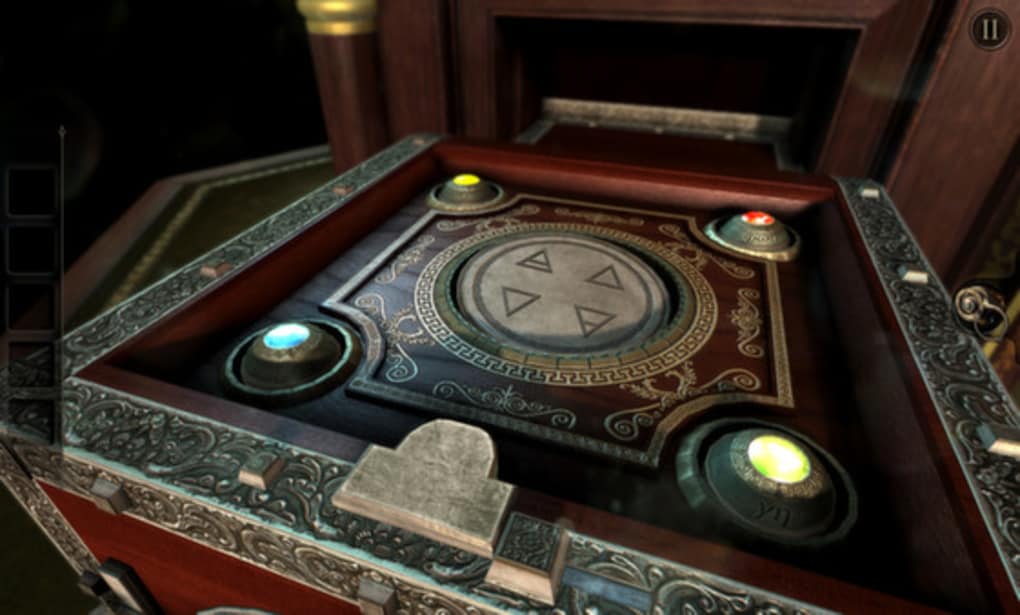
The Room’s gameplay revolves around manipulating a series of complex, interconnected puzzles within a realistically rendered 3D environment. The core mechanic is the interaction with physical objects. Players must carefully examine each item, rotating it, tilting it, and zooming in to discover hidden mechanisms and clues. This tactile approach creates an immersive experience, making the player feel actively involved in the process of solving the puzzles rather than passively observing them. The game masterfully uses perspective and subtle visual cues to guide the player, rewarding careful observation and patient exploration.
Unlike many puzzle games that rely on abstract symbols or numerical sequences, The Room’s puzzles are grounded in physical manipulation. This means players interact with levers, gears, keys, and intricate lock mechanisms, all rendered with exquisite detail. The satisfying click of a correctly placed piece or the smooth turning of a dial adds a layer of tactile feedback that enhances the overall engagement. This commitment to realism and the tangible nature of the puzzles sets The Room apart from its contemporaries. The puzzles themselves are not just arbitrary challenges; they are intricately woven into the narrative, revealing pieces of the overarching mystery as the player progresses.

The game’s intuitive interface allows for seamless interaction with the environment. The controls are simple yet effective, enabling players to easily zoom, rotate, and manipulate objects. This ease of use prevents the technical aspects of the game from overshadowing the puzzle-solving experience. The intuitive design ensures that players can focus on the challenge at hand without being frustrated by clunky controls or confusing menus. The user interface is designed to be unobtrusive, allowing players to immerse themselves in the game’s rich environment.
A Narrative Unveiled: Secrets and Mysteries
Beyond the captivating gameplay mechanics, The Room boasts a compelling and mysterious narrative that unfolds gradually as the player solves each puzzle. The story is told through environmental storytelling, with cryptic notes, hidden symbols, and atmospheric visuals hinting at a deeper, darker tale. The player is presented with an enigmatic box, a seemingly simple object that holds the key to a complex and unfolding narrative. As they progress through the puzzles, they uncover clues that piece together the story, leading to increasingly suspenseful revelations.
The narrative doesn’t overwhelm the gameplay; instead, it enhances it. The puzzles themselves are integral to the narrative, acting as keys to unlock new information and progress the story. This integrated approach ensures that the gameplay and narrative elements work in harmony, creating a holistic and engaging experience. The subtle clues and hints woven into the environment encourage players to explore thoroughly, rewarding curiosity and careful observation. The sense of mystery is palpable, constantly driving the player forward to uncover the truth behind the enigmatic box and its contents. This masterful use of environmental storytelling creates a truly immersive narrative experience, drawing players into the game’s captivating world.
The atmosphere plays a crucial role in creating the suspense and mystery. The game’s visuals, sound design, and overall aesthetic contribute to a dark and somewhat unsettling ambiance, effectively building tension and intrigue. The combination of visual elements and ambient sounds creates a sense of unease, adding a psychological layer to the puzzle-solving experience. This atmospheric approach enhances the narrative, making the unfolding mystery even more compelling.
Evolution of the Series: Expanding the Experience
The success of The Room led to a series of sequels, each building upon the foundation established by the original. The Room Two, The Room Three, and The Room: Old Sins expanded on the core gameplay mechanics, introducing new puzzles, more complex mechanics, and even more intricate narratives. While maintaining the core essence of the original, each sequel introduced innovative features and challenges, keeping the series fresh and engaging for returning players.
These sequels not only expanded the narrative but also refined the gameplay. The puzzles became progressively more challenging and inventive, pushing players’ problem-solving skills to their limits. The introduction of new mechanics and tools added depth and complexity without sacrificing the core intuitive design. The sequels also refined the aesthetic, enhancing the graphical fidelity and atmospheric details. The evolution of the series demonstrates the developers’ commitment to innovation and improvement, ensuring that each installment provides a unique and memorable experience.
The consistent quality and innovative design across the series have helped establish The Room as a benchmark for mobile puzzle games. The sequels demonstrate a clear understanding of what makes the original game so compelling and expand on those elements, adding new layers of complexity and depth without sacrificing the core gameplay experience. The Room series stands as a testament to the potential of mobile gaming to deliver high-quality, immersive experiences.
The Lasting Legacy: Influence and Impact
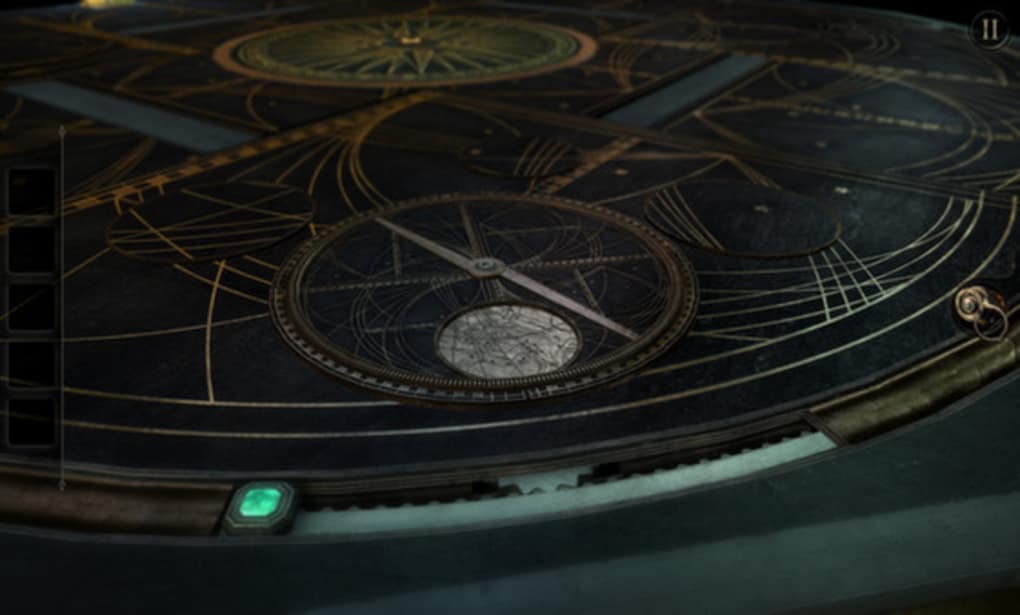
The Room’s influence extends beyond its commercial success. It has demonstrably influenced the design and development of subsequent puzzle games, particularly those focusing on environmental storytelling and intricate 3D puzzle mechanics. Its innovative approach to puzzle design and its immersive narrative approach have set a new standard for mobile gaming, inspiring other developers to create similar experiences. The game’s success highlights the growing demand for high-quality, narrative-driven puzzle games on mobile platforms.
Its sophisticated use of environmental storytelling, often subtle and requiring astute observation, has become a benchmark for narrative design in mobile games. Many games have since adopted similar techniques, showing that The Room’s influence reaches beyond its core gameplay mechanics. The game’s lasting legacy lies in its ability to create a fully immersive and engaging experience through a combination of clever puzzles, intriguing narratives, and stunning visuals. It redefined expectations for what a mobile puzzle game could achieve.
In conclusion, The Room’s success is a result of a unique combination of factors: its intuitive yet challenging gameplay, its compelling and atmospheric narrative, and its beautifully rendered 3D environments. This masterpiece of mobile puzzle gaming has left a lasting legacy, influencing the design and development of countless other games and setting a new standard for quality in the mobile gaming industry. Its immersive gameplay and intricate puzzles continue to captivate players, cementing its place as a true classic in the world of mobile gaming.
File Information
- License: “Full”
- Version: “2016”
- Latest update: “June 14, 2023”
- Platform: “Windows”
- OS: “Windows 8”
- Language: “English”
- Downloads: “14.6K”


