
The Smiling Man is a free, first-person exploration horror game that evokes the nostalgic aesthetic of PlayStation 1-era graphics. This stylistic choice, popular within the unsettling horror genre, immediately sets a distinct tone, drawing players into a chilling atmosphere reminiscent of classic survival horror titles. Developed by Noxus Games Studio, The Smiling Man offers a short but impactful experience, focusing on creating a sense of unease and dread rather than complex gameplay mechanics. The game’s simplicity, however, doesn’t detract from its ability to effectively deliver scares and leave a lasting impression.
Gameplay and Mechanics: A Simple, Yet Effective Approach
The core gameplay loop is remarkably straightforward: exploration and evasion. Players navigate a small, deserted town at night, their primary objective seemingly to reach a market to procure food. The town itself serves as the primary environment, a stage for the unsettling encounters that define the game’s experience. There are minimal interactions beyond walking, running, and the rare opportunity to interact with an object within the environment. This stripped-down approach emphasizes atmosphere and narrative over complex puzzles or combat scenarios. The lack of intricate gameplay mechanics forces the player to focus on the unsettling imagery and the creeping dread fostered by the environment and the game’s central antagonist.
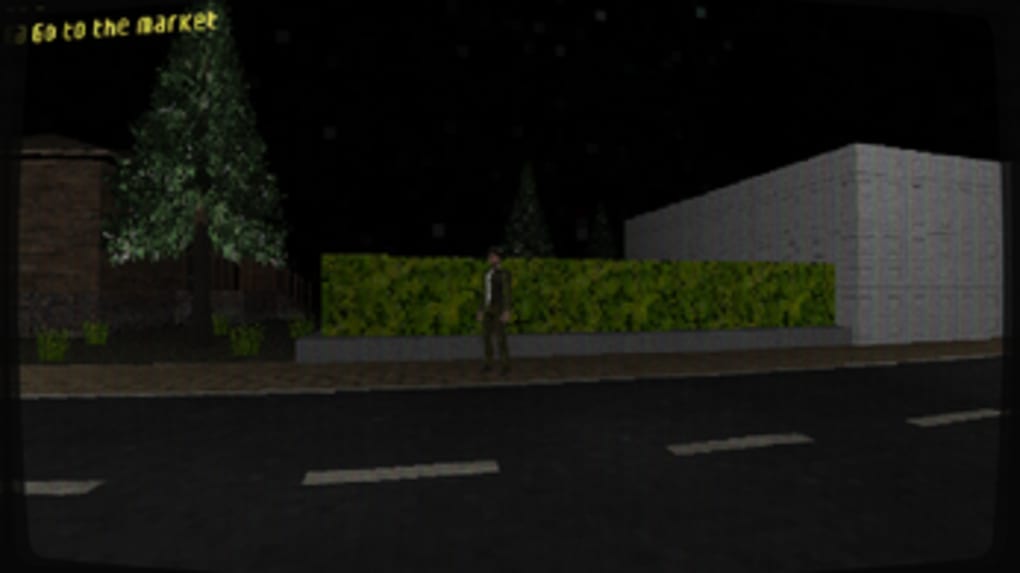
The game’s simplicity is not a weakness but a deliberate design choice, allowing the atmosphere and the chilling presence of the Smiling Man to take center stage. The limited interaction options amplify the feeling of vulnerability and helplessness, ensuring that the player’s primary focus is on survival and escaping the unnerving encounters. This focus on atmosphere and limited interactions allows the game to be easily accessible to a wide range of players, regardless of their gaming experience. It also ensures that the unsettling nature of the game’s central antagonist, the Smiling Man, remains the main focus of the player’s experience.
The Smiling Man: A Study in Unsettling Horror
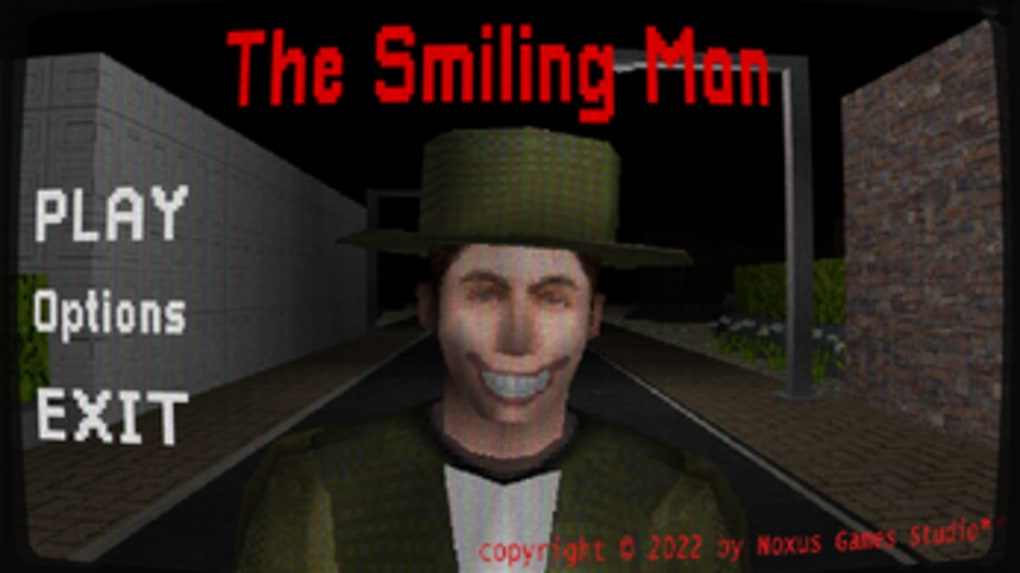
The eponymous character, the Smiling Man, is the source of the game’s terror. His unsettling smile and unnerving presence are the primary drivers of the game’s horror. He appears sporadically throughout the game, his appearances becoming increasingly frequent and unsettling as the narrative progresses. The Smiling Man’s design is intentionally simplistic, yet profoundly effective in its unsettling nature. His design is reminiscent of classic horror figures, but his simplicity allows the player to project their own fears and anxieties onto him, making the encounters all the more terrifying. The game masterfully uses the limitations of its graphical style to its advantage; the low-poly aesthetic, combined with subtle animations, creates a strangely unsettling effect, enhancing the horror rather than detracting from it.
The encounters with the Smiling Man aren’t just about jump scares; they are carefully orchestrated moments of suspense and dread. The game skillfully uses sound design to enhance the unsettling atmosphere, creating a sense of unease even when the Smiling Man isn’t directly visible. The quiet moments of exploration are punctuated by sudden bursts of unsettling audio cues, creating a sense of constant anticipation and keeping the player on edge. This calculated use of sound design ensures that the game remains tense and unsettling even during the quieter moments of exploration. The overall effect is one of pervasive dread, where the player is constantly anticipating the next encounter with the Smiling Man, making the experience all the more terrifying.
Multiple Endings and Replayability: A Short but Sweet Experience
Despite its brevity, The Smiling Man offers multiple endings, adding a layer of replayability. The player’s actions and choices, however subtle, influence the narrative’s outcome, encouraging multiple playthroughs to uncover all potential conclusions. These endings are not merely variations on a single theme; they offer distinct conclusions to the narrative, rewarding players who experiment with different approaches to encounters. Although the game is short, the multiple endings and variations in gameplay encourage players to explore the game’s world and interact with the limited elements to discover different outcomes.
The relatively short playtime, however, is also a potential drawback. Some players might find the experience too concise, leaving them wanting more. The game’s brevity can be both a strength and a weakness. Its focus and intensity provide a concentrated horror experience, but it also means the scares are quickly over. This brevity, however, is likely a deliberate choice, maximizing the impact of the limited gameplay mechanics and environmental design. This focused approach ensures that the game remains intensely unsettling throughout its relatively short runtime.
The developers acknowledge this and actively work on expanding the game’s content, promising future updates with additional content and features. This commitment to post-release support is a positive aspect, indicating a dedication to improving and expanding the game’s experience. The promise of future updates adds a layer of anticipation and potentially increases the overall value of the game, making it a potentially more worthwhile experience for players in the long run.
Technical Aspects and Presentation: A Nostalgic Trip
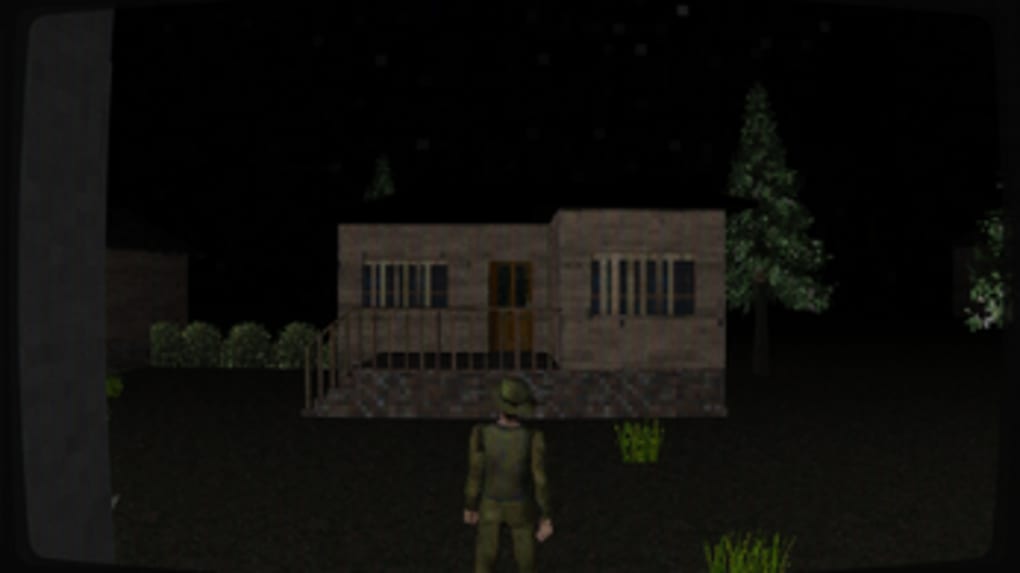
The game’s PS1-inspired graphics are a significant part of its charm. The low-resolution textures and polygon models contribute to the game’s overall unsettling atmosphere. This stylistic choice is not merely an aesthetic decision; it serves a crucial narrative purpose, adding to the game’s overall unsettling atmosphere. The low-poly models and textures contribute to the sense of unease and the overall chilling atmosphere of the game. The simplistic nature of the graphics creates a sense of unease and discomfort, contributing to the game’s overall unsettling atmosphere. The nostalgic graphical style is a clever choice, making the experience both familiar and unsettling at the same time. The familiar elements draw in players who grew up with PS1-era graphics, while the unexpected horror elements subvert those familiar expectations.
The sound design, as previously mentioned, also plays a significant role in creating the game’s unsettling atmosphere. The use of ambient sounds, eerie music, and sudden bursts of unsettling audio cues all contribute to the overall effect. The deliberate use of silence also serves as a tool for building tension and anticipation, creating a constantly unsettling experience for the player. The audio design creates a sense of unease and dread, adding to the overall unsettling atmosphere. The use of silence and sporadic unsettling sounds is particularly effective in building tension.
Conclusion: A Short, Sharp Shock of Horror
The Smiling Man, despite its brevity, is a commendable example of how effective minimalist horror game design can be. The game’s focus on atmosphere, suspense, and the unsettling presence of its titular character creates a chilling and memorable experience. While its limited gameplay mechanics and short playtime may not appeal to everyone, those seeking a concentrated dose of unsettling horror are sure to find The Smiling Man a worthwhile and surprisingly effective game. The developers’ commitment to future updates further enhances the overall value proposition, making it a game worth keeping an eye on for fans of this niche subgenre of horror games. The simplicity of the gameplay allows the game’s atmosphere and unsettling character to take center stage, creating a chilling and memorable experience. For those seeking a short but impactful horror experience, The Smiling Man is highly recommended.
File Information
- License: “Free”
- Version: “1.0”
- Latest update: “July 15, 2022”
- Platform: “Windows”
- OS: “Windows 8”
- Language: “English”
- Downloads: “13.4K”
- Size: “84.02 MB”


