
Themida is a robust software protection solution designed to safeguard applications against reverse engineering and unauthorized modification. Primarily targeted at software developers, Themida provides a powerful suite of tools to secure their intellectual property and prevent unauthorized access, piracy, and code tampering. This in-depth analysis explores Themida’s capabilities, features, target audience, and overall effectiveness in protecting software from malicious actors.
Themida’s Core Functionality: Protecting Against Reverse Engineering
At its core, Themida functions as a powerful anti-reverse engineering tool. Reverse engineering, the process of disassembling and analyzing compiled code to understand its functionality, poses a significant threat to software developers. Malicious actors might reverse engineer software to steal trade secrets, replicate functionality without proper licensing, or introduce malicious modifications. Themida actively counters these threats by employing several sophisticated techniques:
-
Code Obfuscation: Themida significantly alters the structure and presentation of the application’s code, making it extremely difficult to understand and analyze. This obfuscation involves renaming variables, functions, and classes, inserting meaningless code, and rearranging code segments. The resulting code is significantly harder for reverse engineering tools to interpret, effectively masking the original logic.
-
Control Flow Obfuscation: This technique specifically targets the order in which instructions are executed within the application. Themida alters the program’s control flow, making it difficult to trace the execution path and understand the relationships between different code sections. This makes it significantly harder to understand the application’s logic and algorithms even after successfully disassembling the code.
-
Anti-Debugging Techniques: Themida incorporates mechanisms to detect and deter debugging attempts. Debuggers are essential tools for reverse engineers, allowing them to step through code execution, inspect variables, and understand the program’s behavior. Themida actively identifies debugging tools and responds by either halting execution, obfuscating data, or generating false information, rendering the debugging process ineffective.
- Virtualization: Some advanced versions of Themida utilize virtualization to further protect the application’s code. The code is executed within a virtual environment, shielding it from direct inspection by reverse engineering tools. This adds an extra layer of complexity for attackers, requiring them to first understand the virtualization layer before accessing the actual application code.
Target Audience and Use Cases
Themida’s primary target audience is software developers who wish to protect their intellectual property and revenue streams from piracy and unauthorized use. Its robust security features make it particularly suitable for applications requiring a high degree of protection, such as:
-
Commercial Software: Companies with valuable proprietary software can utilize Themida to safeguard their investment and prevent unauthorized copies from entering the market.
-
Game Developers: Game developers often face substantial challenges from piracy, with illicit copies significantly impacting their revenue. Themida provides a powerful tool to protect their game code and deter unauthorized distribution.
-
Software Licensing and DRM: Themida can be integrated with software licensing systems and Digital Rights Management (DRM) solutions to prevent unauthorized usage and enforce licensing agreements.
-
Security-Sensitive Applications: Applications that handle sensitive data or perform critical functions require a high level of security to prevent unauthorized access and manipulation. Themida’s protective mechanisms can significantly enhance the security posture of such applications.
Themida’s Strengths and Limitations
Themida offers several advantages as a software protection solution. Its advanced obfuscation techniques, anti-debugging measures, and (in some versions) virtualization significantly raise the bar for attackers attempting to reverse engineer the protected software. The ease of integration into the software development process further enhances its appeal.
However, Themida, like any security solution, has limitations. While it substantially increases the difficulty of reverse engineering, it does not offer impenetrable protection. Highly determined and sophisticated attackers might still find ways to bypass Themida’s protections, particularly through advanced reverse engineering techniques or the exploitation of vulnerabilities in the software itself. Furthermore, the extensive code obfuscation might introduce performance overhead, impacting the execution speed of the protected application.
Themida’s Alternatives and the Evolving Landscape of Software Protection
The market for software protection solutions is constantly evolving, with numerous alternatives to Themida available. Some alternatives focus on specific aspects of software protection, such as code virtualization, while others provide a broader suite of security features. The choice of a suitable solution depends on the specific needs and security requirements of the application being protected. Consideration should be given to factors such as budget, integration complexity, the level of protection required, and potential performance impact.
Conclusion: A Valuable Tool in the Fight Against Software Piracy and Reverse Engineering
Themida represents a significant advancement in software protection technology. Its powerful combination of code obfuscation, anti-debugging techniques, and (in advanced versions) virtualization makes it a formidable deterrent against reverse engineering and unauthorized modification. While it doesn’t offer absolute protection, it significantly raises the barrier to entry for malicious actors, protecting developers’ intellectual property and revenue streams. The choice of utilizing Themida, however, should be part of a wider security strategy, combining it with other protection methods such as robust licensing systems and strong server-side security measures to achieve comprehensive protection against various threats. Staying updated on the latest developments in software protection and evaluating the suitability of different solutions based on evolving threats is crucial for developers to maintain the integrity and security of their applications.
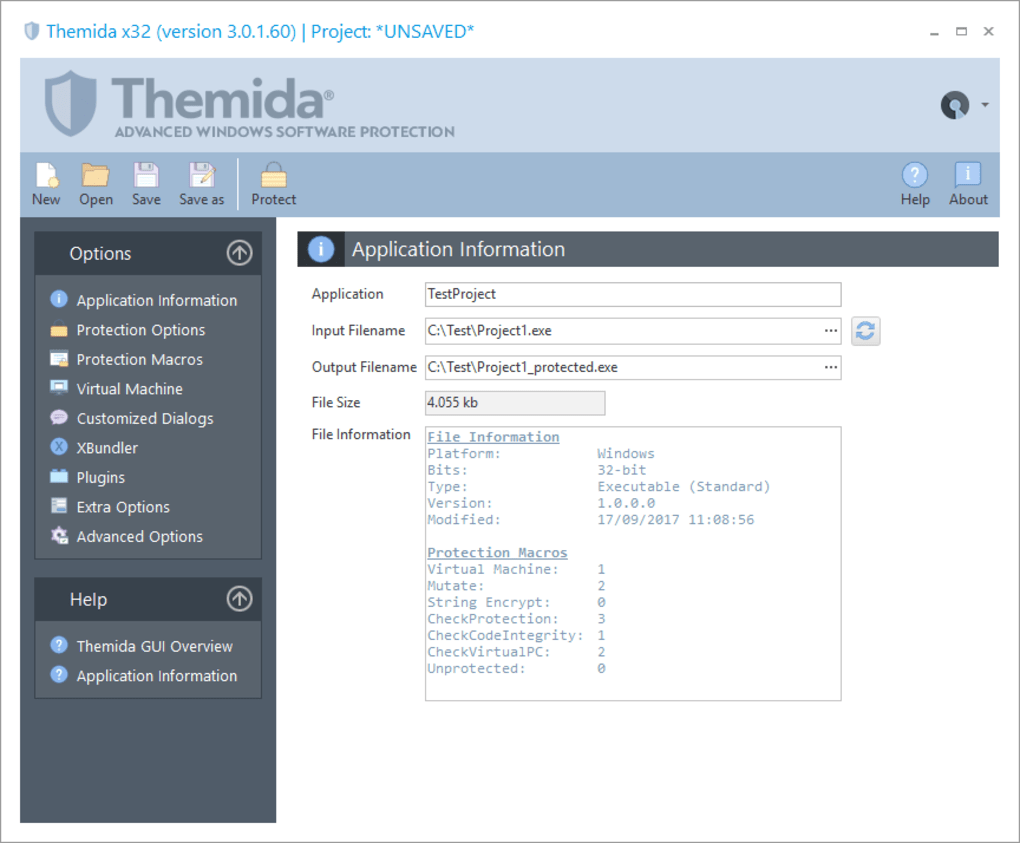
File Information
- License: “Trial version”
- Latest update: “May 23, 2023”
- Platform: “Windows”
- OS: “Windows 2000”
- Language: “English”
- Downloads: “12.2K”
- Size: “63.13 MB”


