
In the vast and ever-evolving landscape of digital entertainment, certain titles emerge that defy conventional categorization, offering players an experience that transcends mere gameplay. “There’s A Gun In The Office” is one such anomaly, a puzzle-stealth-survival game that plunges players into an immediate and suffocating predicament. Developed by Ragir, this Windows-based title, also available on PlayStation 5 and PC, captivates with its minimalist yet profoundly impactful premise: you are trapped, alone, in a small office room, with only five days to find a hidden weapon and engineer your escape. This isn’t just a game; it’s a meticulously crafted psychological chess match, a test of patience, precision, and the sheer force of human will against seemingly insurmountable odds.
From the moment the game loads, an oppressive atmosphere settles over the player. The absence of an elaborate backstory or cutscenes thrusts you directly into the cold reality of your captivity. The objective is stark, brutal, and crystal clear: escape. But the path to freedom is anything but simple. With a hidden gun as your only potential tool for liberation, every tick of the in-game clock brings you closer to either freedom or utter despair. The brilliance of “There’s A Gun In The Office” lies in its ability to generate high-stakes tension from a seemingly confined environment, proving that expansive worlds aren’t necessary for profound immersion.
The Art of Escape: Puzzle and Strategy Mechanics
At its heart, “There’s A Gun In The Office” is a masterclass in blending puzzle-solving with tense stealth and survival mechanics. Unlike traditional action-packed survival games where resources are abundant and combat is frequent, this title demands intellectual prowess and extreme caution. The game’s central mechanic revolves around a strict five-day countdown, during which the player must systematically explore their immediate surroundings, gather clues, and ultimately locate the titular firearm. Each day represents a critical window of opportunity, a finite period during which you can cautiously move, interact with objects, and piece together the puzzle of your captivity.
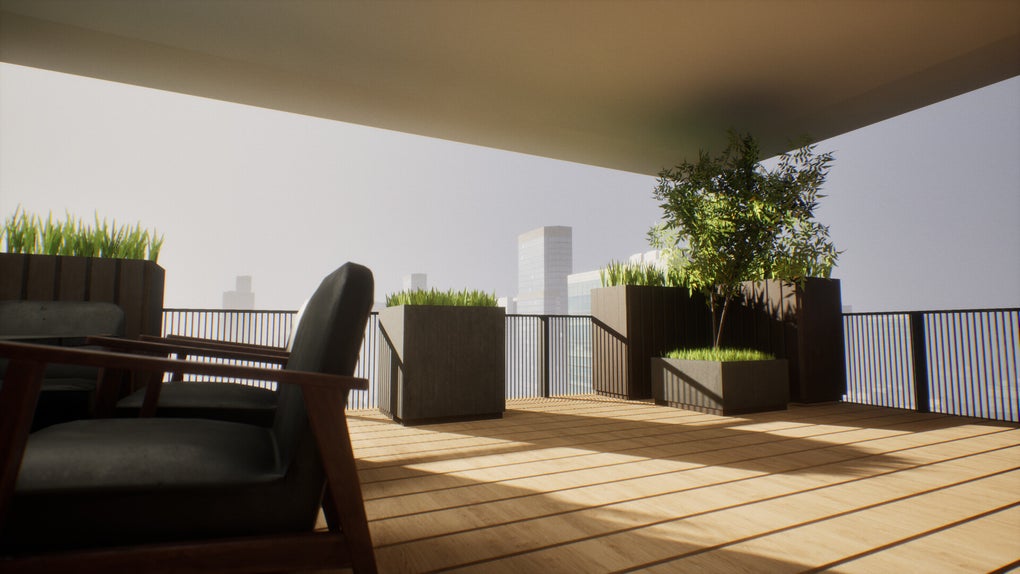
The “puzzle” aspect isn’t about traditional riddles or complex logical sequences. Instead, it’s an environmental puzzle, a test of observation and deduction. The office, though small, is imbued with subtle interactive elements. A drawer might contain a cryptic note, a discarded object could serve a dual purpose, or a misplaced item might reveal a hidden compartment. The challenge lies in discerning what is significant from what is merely decorative, and how each discovery contributes to your grand escape plan. This often involves trial and error, but with severe consequences for failure.
Strategy is paramount. Before each day begins, players are forced into a period of introspection and planning. What risks are worth taking? Which areas demand immediate investigation? How can you manipulate your environment to your advantage? The game encourages a methodical approach, where every potential action is weighed against the possibility of discovery. For instance, moving a chair might grant access to a new area, but the sound it makes or the visible change in its position could alert your unseen captor. This constant assessment of risk versus reward forms the backbone of the gameplay, transforming simple interactions into nerve-wracking decisions.
The stealth mechanics are equally unforgiving. The game doesn’t feature direct combat or complex AI patrols. Instead, stealth is about the absence of presence. Any deviation from the perceived normal state of the room, any object left out of place, any trace of your activity could be the fatal flaw that cuts your escape short. The game introduces the concept of “erasing your presence” – a meta-task that demands players meticulously reset the environment after each exploratory phase. This could mean putting a book back on a shelf, closing a drawer, or smoothing out a disturbed rug. It’s a painstaking process that adds another layer of tension, as players must not only execute their actions but also meticulously cover their tracks, living in a constant state of paranoia that every minor detail could be their undoing. This unique twist elevates “There’s A Gun In The Office” beyond a simple point-and-click adventure, forcing players into a deeply immersive role-playing experience where survival hinges on an almost obsessive attention to detail.
Navigating the Confines: Atmosphere and Environmental Storytelling
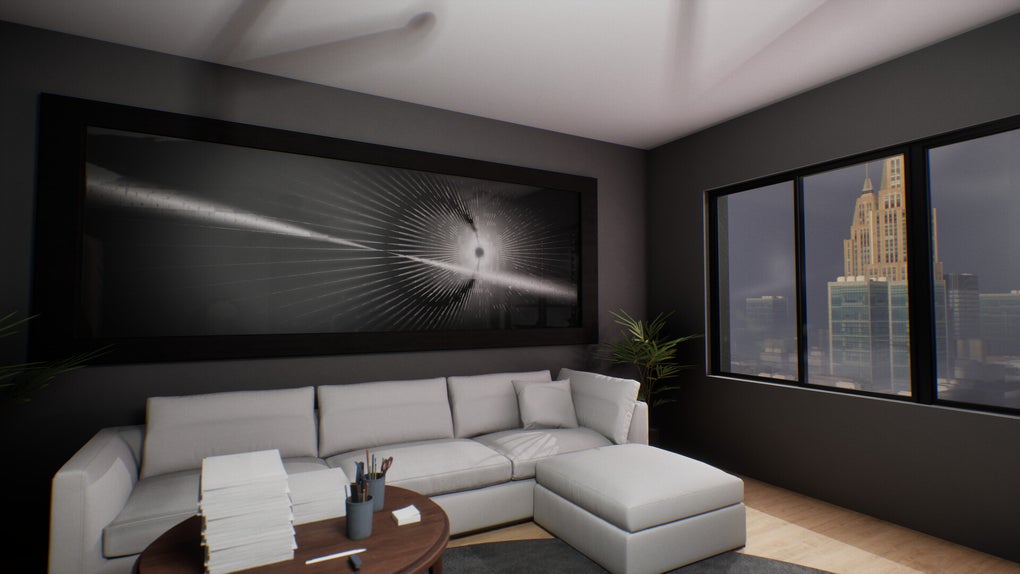
One of the most remarkable achievements of “There’s A Gun In The Office” is its ability to create a profoundly immersive and genuinely unsettling atmosphere within a highly restrictive environment. The game masterfully uses design elements to amplify the player’s sense of dread and vulnerability, proving that psychological impact doesn’t require sprawling landscapes or elaborate visual effects. The office itself becomes a character, a silent observer of your struggle, its very walls imbued with a sense of entrapment.
The visual design is minimalistic yet effective. Dimly lit rooms, stark shadows, and a muted color palette contribute to an oppressive ambiance. There’s no comforting daylight streaming through a window; instead, artificial, often flickering, light sources cast long, uneasy shadows, making every corner feel like a potential hiding place or a source of unseen danger. This visual austerity forces players to pay closer attention to subtle details, enhancing the puzzle-solving aspect while simultaneously intensifying the feeling of isolation.
Perhaps even more critical than the visuals is the sound design. The game relies heavily on ambient audio and the profound impact of silence. Eerie silence often pervades the space, punctuated only by the mundane sounds of your own actions – the creak of a floorboard, the rustle of paper, the click of a door handle. These small noises are amplified in the quiet, making every movement feel momentous and potentially catastrophic. The absence of a constant musical score further heightens the tension, allowing the player’s own anxieties to fill the void. Every unexpected sound – a distant creak, a muffled thud from outside the room – can trigger a jolt of panic, fueling the ever-present dread of being caught. This masterful use of sound ensures that the psychological pressure is relentless, keeping players constantly on edge.
The concept of “environmental storytelling” is deeply ingrained in the game’s design, even within its limited scope. While explicit narrative is sparse, the office subtly reveals clues about its nature and your captor. A half-eaten meal, a stack of untouched papers, a slightly askew picture frame – these seemingly innocuous details can weave a silent narrative, hinting at the routine of your captor, the duration of your confinement, or even elements of their personality. This subtle form of storytelling enhances the paranoia, making you second-guess every move and scrutinize every inch of your surroundings. Is that a fresh scratch on the desk, or was it there yesterday? Did that book look exactly like that before I moved it? This constant questioning turns the office into a psychological battleground, where every object holds potential meaning and every detail could betray you.
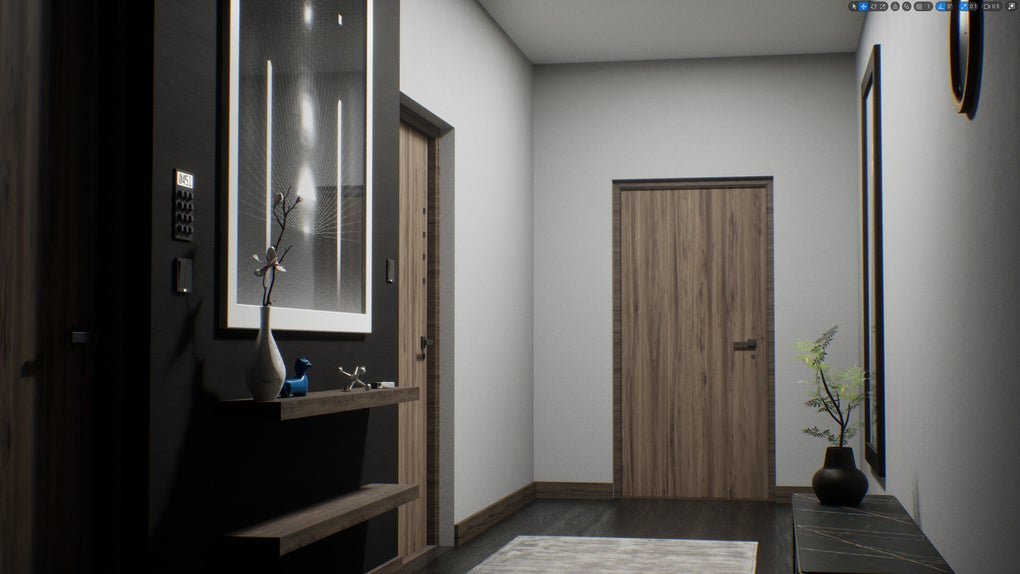
It’s true that the game’s biggest “con” is its limited exploration. The entire experience unfolds within a single, confined office space with a finite number of interactive elements. However, this restriction is not a flaw but a deliberate design choice that enhances the game’s core themes. By limiting the physical space, the developers amplify the psychological claustrophobia. Players are forced to engage deeply with their immediate environment, scrutinizing every pixel for clues and opportunities. This constraint transforms what might be a negative in other games into a powerful tool for immersion and tension-building in “There’s A Gun In The Office,” making the escape feel all the more arduous and earned.
A Test of Wits: Psychological Survival and Risk Management
“There’s A Gun In The Office” is not merely a game of finding an object; it’s a profound psychological survival experience. The true adversary isn’t a monster or a guard you can outfight, but the unseen presence of your captor and, perhaps more potently, your own fear and desperation. The game perfectly encapsulates the feeling of being hunted, even without a visible hunter. This creates a unique brand of mental combat, a “psychological chess match” where your every move is a calculated risk against an unknown opponent.
The progression system of the game inherently ratchets up the tension. Each new day brings a fresh set of anxieties and opportunities. Do you push your luck and explore a previously untouched area, knowing that discovery could mean the end? Or do you play it safe, reinforcing your cover story and waiting for a more opportune moment, potentially sacrificing precious time? This constant push-and-pull between caution and urgency is what keeps players on edge, creating an experience that is both mentally demanding and deeply rewarding when a plan comes together. The game effectively simulates the mental strain of captivity, forcing players to grapple with the emotional toll of their situation. The clock is not just a timer for escape; it’s a relentless reminder of dwindling opportunities and mounting pressure.
The psychological aspect extends to the player’s decision-making process. The fear of failure is palpable, making even minor choices feel monumental. A wrong move could mean starting over, or worse, facing an unknown consequence within the game’s narrative. This uncertainty breeds a level of paranoia that few games achieve. Players become hyper-aware of their surroundings, constantly scanning for threats, listening for sounds, and second-guessing their own instincts. This intense focus, born out of necessity, draws players deeper into the game’s world, blurring the lines between player and character.
Furthermore, the game’s unique twist on the puzzle-psychological genre lies in its empowering yet terrifying objective. The “gun” isn’t a conventional weapon for offensive combat. Its purpose remains ambiguous until discovered, but its very presence symbolizes power and the ultimate means of escape. However, the path to obtaining it is fraught with peril, transforming the desire for freedom into a high-stakes gamble. This emotional investment in the objective makes the journey incredibly personal and the stakes incredibly high. Players are challenged to not only strategize their physical movements but also manage their mental fortitude, making it a true test of endurance and resolve. This intricate dance between planning, execution, and psychological resilience makes “There’s A Gun In The Office” a standout experience for those who relish methodical survival challenges.
Beyond the Office Walls: Broader Implications and Genre Fusion
“There’s A Gun In The Office” is more than just a specific game title; it represents a philosophy of game design that prioritizes atmosphere, psychological depth, and intelligent gameplay over brute force or expansive content. While it is categorized primarily as a puzzle and survival game, its unique blend of elements allows it to touch upon broader themes found in various genres.
Its focus on meticulous planning and observation shares DNA with classic adventure games, where environmental interaction and item usage are key. The constant threat of discovery and the need for silent movement aligns it with the stealth genre, albeit in a more abstract, “presence-management” form. The core premise of survival under duress, with limited resources and a ticking clock, firmly places it within the survival horror spectrum, even without overt monsters or jump scares. The horror here is psychological, derived from uncertainty and vulnerability.
The game’s minimalist approach invites players to engage with it on a deeper level. The developer, Ragir, has created a game that understands the power of implication and the terror of the unknown. By not showing the captor, the game makes them a more terrifying, omnipresent threat, allowing players’ imaginations to fill in the blanks with their deepest fears. This is a testament to effective storytelling through mechanics rather than exposition.
“There’s A Gun In The Office” also serves as an excellent example of how a game can be both challenging and rewarding without being frustrating. The difficulty stems from the player’s need for precision and planning, not from unfair mechanics or arbitrary obstacles. Each successful step towards freedom feels earned, a testament to the player’s own wits and patience. This sense of accomplishment is a core driver for many players who seek mentally stimulating experiences.
Available for Windows and other platforms, this paid title offers a full version experience, with its latest update on February 26, 2025, ensuring a polished and engaging playthrough. While the initial downloads might reflect its niche appeal (46 downloads, with 6 last month as per PhanMemFree’s records), its robust 4.6-star rating from users underscores its quality and impact within its specific genre. The game is offered in English, but also supports a wide array of languages, from Spanish to Japanese, making it accessible to a global audience eager for a unique challenge.
In conclusion, “There’s A Gun In The Office” is not just another game; it’s an experience. It challenges the player to think, observe, plan, and, most importantly, to endure. Its gripping stealth mechanics, deeply immersive atmosphere, and high-stakes psychological gameplay make it a standout title that defies simple classification. For those who relish tense, methodical survival challenges and enjoy pitting their wits against a cunning, unseen adversary, this game is an absolute must-try. It is a thrilling test of patience and precision, daring you to ask: can you make it out alive before the week ends? PhanMemFree recommends this title for anyone looking for an intense, brain-teasing escape from the mundane.
File Information
- License: “Full”
- Version: “varies-with-devices”
- Latest update: “February 26, 2025”
- Platform: “Windows”
- OS: “Windows 10”
- Language: “English”
- Downloads: “54”


