
Thief, a reboot of the classic stealth-action franchise, arrived with high expectations. Tasked with pleasing longtime fans while captivating newcomers and impressing gaming experts with cutting-edge graphics, the game aimed for a challenging trifecta. While it may not be the best entry in the series, Thief largely succeeds in meeting its ambitious goals.
The Immersive Experience of Being a Thief
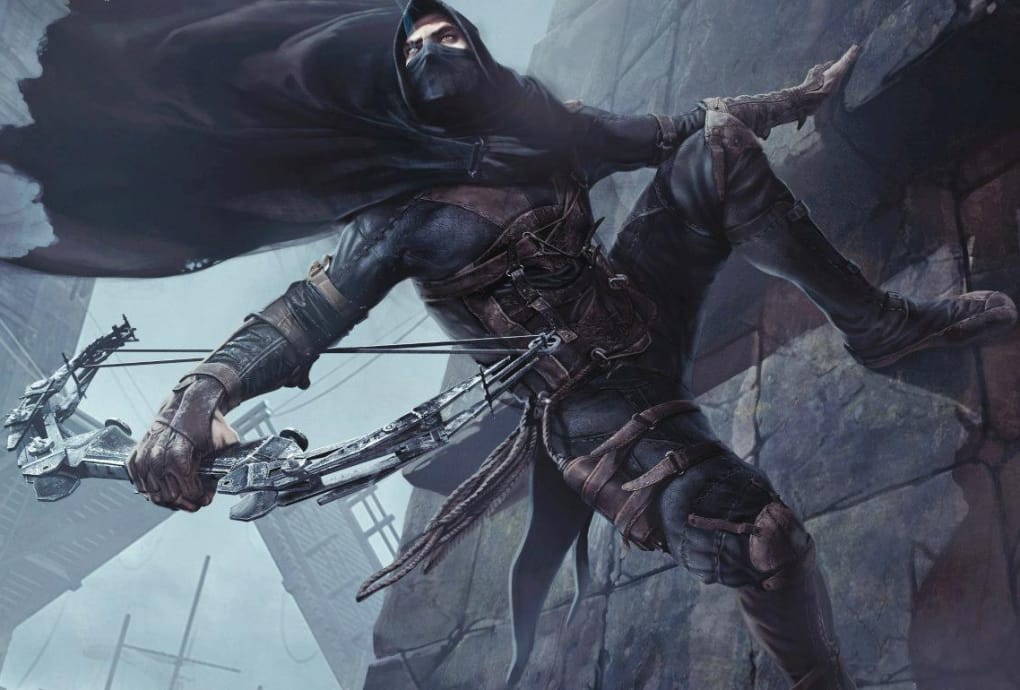
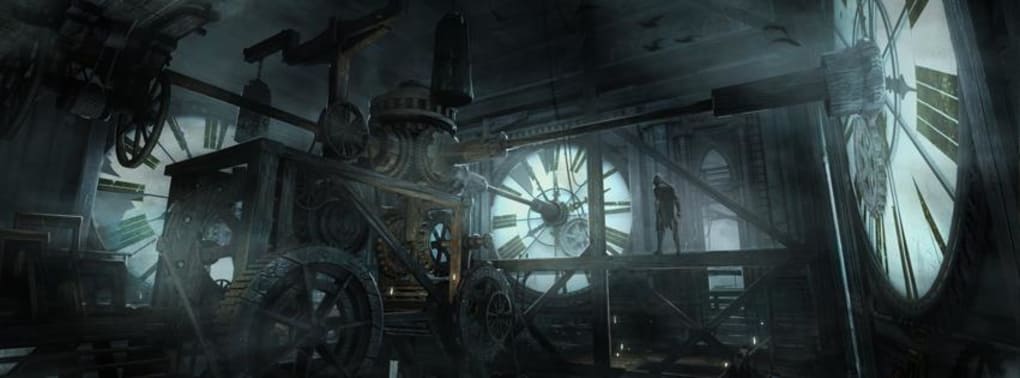
Thief plunges players into the role of Garrett, a master thief navigating a city inspired by Victorian London, infused with a distinctive steampunk aesthetic. Each mission involves stealing specific objects, dictated by the enigmatic Basso, Garrett’s shadowy contact. Underlying these individual heists is a compelling main plot, rich in intrigue and unexpected twists, ensuring that the narrative keeps players engaged long after they’ve secured their initial objectives.
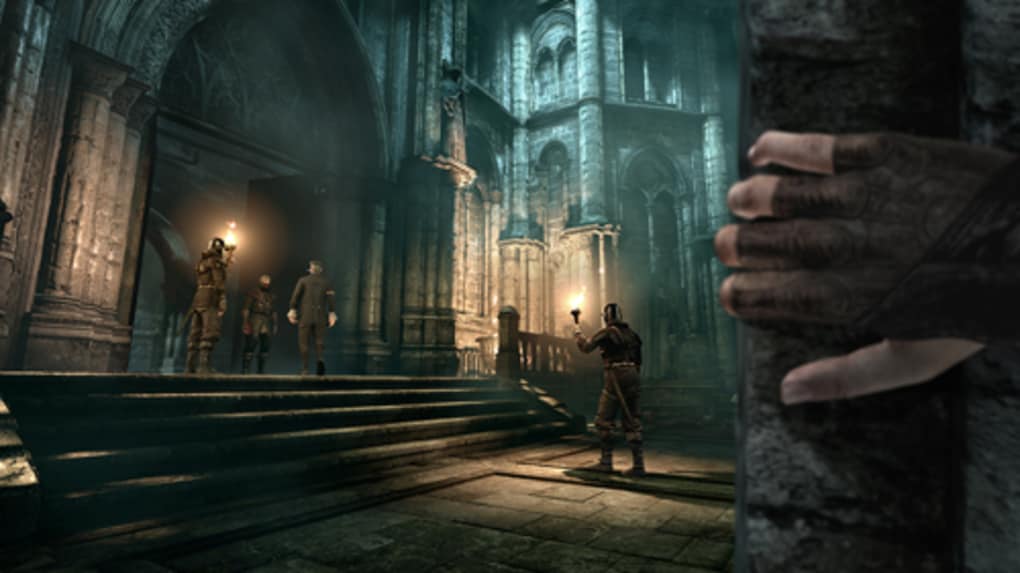
The game’s strength lies in its immersive first-person perspective. The level of realism is remarkably high, constantly emphasizing the player’s interaction with the environment. Garrett’s hands are always visible, meticulously interacting with the world: picking locks, examining paintings and books for hidden mechanisms, leaning against walls, and subtly drawing curtains aside. This level of detail is exceptionally well-executed, creating a truly believable sense of presence. The only break in this immersive reality occurs during wall climbing sequences, where the camera briefly shifts to a third-person perspective, reminiscent of the Tomb Raider series. The emphasis on realism and the tactile experience of thievery is deliberate and effective; it’s not simply a matter of completing objectives, but of inhabiting the role of a master thief.
The gameplay revolves around silent movement, strategic use of gadgets, and the sheer thrill of acquisition. The player is encouraged to pilfer everything from handbags and rings to boxes and safes—anything of value within reach. Successful thievery is more than just satisfying; it’s crucial. Stolen goods provide the funds needed to upgrade Garrett’s tools and acquire new skills, fostering a sense of progression and reward without feeling overly grindy or demanding. The game cleverly balances freedom and challenge; players can progress at their preferred pace, without feeling pressured to maximize their character’s abilities.
Central to Garrett’s abilities is the “concentration” power, a temporary boost that allows him to see footprints and tracks, highlight enemies, slow down time, and even increase his physical strength. Strengthening this ability is a key element of the game, adding a layer of strategic depth to the gameplay.
The game’s adaptability extends to its difficulty settings, which are highly customizable. Players can tailor their experience to be brutally realistic, removing aids like concentration and presenting a challenge for only the most skillful players. This flexibility enhances replayability significantly, allowing players to adjust the difficulty to match their preferred style and skill level.
Freedom and Linearity: A Paradoxical Design
While Thief offers remarkable freedom in terms of player agency and gameplay style, this freedom is somewhat restricted by the linearity of the main missions. The game features a central hub city, which serves as a base of operations. Within this city, players can explore freely, visiting taverns, robbing (select) houses, upgrading their skills, and buying and selling goods at the marketplace. This open structure allows for side missions, which—though unlocked later in the game—significantly extend its overall lifespan.
However, the main missions present a more restrictive experience. Objectives are always clearly marked on the screen with an arrow, creating a more guided path, despite the initially expansive and diverse-looking environments. The player often finds themselves navigating predetermined routes—opening specific doors, traversing corridors, and scaling particular rooftops—with limited options for deviation. This linear structure contrasts sharply with the freedom of movement offered elsewhere in the game, notably during police chases, where players are granted considerable latitude in their escape maneuvers.
Masterful Controls and Analog Precision
Thief expertly integrates a variety of movement styles, each seamlessly implemented. Particularly noteworthy are the interactive elements involving safes and locks, executed via engaging and well-designed mini-games that further immerse the player in the act of thievery.
Garrett’s movement is fluid and responsive. The ability to quickly dart through shadows is critical to avoiding detection, and is a core mechanic of the gameplay. A dedicated button activates a parkour-style running and jumping sequence, adding an element of exhilarating action to the otherwise stealth-focused gameplay. Though somewhat automated, this sequence is a welcome addition, offering moments of dynamic action within the primarily stealth-based encounters.
The bow is one of Garrett’s essential tools, providing various arrow types for diverse purposes: killing or stunning enemies, disabling lights, activating distant switches, and creating diversions. Importantly, the game strongly emphasizes the use of an analog gamepad. The precise control provided by an analog stick is crucial for not only managing walking speed (essential for avoiding detection in confined spaces) but also for the tactile interaction with objects and locks during pickpocketing and lock-picking sequences.
Visual Prowess: Lighting, Shadows, and AI
Powered by the Unreal Engine, Thief boasts impressive visuals. The game features high-quality textures, detailed level design, and most notably, exceptional lighting effects. The manipulation of light and shadow is crucial for successful stealth, demanding strategic positioning and careful movements. The lighting is impressively realistic, yet the game strategically employs enforced dark areas in certain zones to enhance the gameplay experience and reinforce the importance of stealth.
The game’s enemy AI is a significant strength. Enemies react realistically to perceived threats. Suspicious activity triggers investigations, and guards even communicate with each other, creating an overall heightened sense of alertness. Detection prompts logical and persistent pursuits, adding a credible layer of challenge to the game. Importantly, the AI is scaled to match the difficulty settings, creating a more demanding experience at higher settings.
Conclusion: A Stealth Experience with Notable Strengths and Limitations
Thief is a meticulously crafted stealth-action title, prioritizing immersion and tactical gameplay. Its strengths lie in its atmospheric setting, well-designed controls, and its exceptional sense of immersion. The player truly feels like Garrett, seamlessly blending into the shadows, skillfully pilfering items, and masterfully evading capture.
However, the linearity of the main missions constitutes a significant drawback. The restricted pathways feel limiting, hindering the player’s freedom of exploration and creating a sense of confinement. Fortunately, the side missions compensate for this limitation, offering a more open and flexible experience. Technically proficient and offering a broad range of difficulty settings, Thief is a game best enjoyed at one’s own pace, savoring its strengths while acknowledging its shortcomings.
Pros:
- Highly configurable difficulty settings
- Excellent and responsive controls
- Exceptional immersion and atmospheric ambiance
Cons:
- Linearity in main gameplay missions
- Character upgrades are not essential for progression
File Information
- License: “Full”
- Version: “4”
- Latest update: “June 14, 2023”
- Platform: “Windows”
- OS: “Windows 8”
- Language: “English”
- Downloads: “4.1K”


