
Tic-tac-toe, also known as noughts and crosses or Xs and Os, is a simple yet captivating game that has entertained generations. Its straightforward rules and quick gameplay make it accessible to players of all ages, while its strategic depth offers a surprisingly challenging experience for even the most seasoned gamers. This article delves into the history, gameplay, strategy, variations, and enduring appeal of this classic pastime.
The History and Evolution of Tic-Tac-Toe
The origins of tic-tac-toe are shrouded in mystery, with evidence suggesting its existence in various forms across different cultures for centuries. While a precise date of its inception remains elusive, ancient Roman inscriptions and even earlier markings on archaeological artifacts hint at a game with similar mechanics. The game’s simplicity likely contributed to its widespread adoption and adaptation across geographical boundaries and time periods.
Variations of the game have appeared in numerous cultures, each with its unique names and subtle rule modifications. These differences highlight the game’s adaptability and its capacity to blend into various social and cultural contexts. The fundamental structure, however, has remained remarkably consistent, reflecting the game’s inherent elegance and enduring appeal. The transition from rudimentary markings on stone or papyrus to sophisticated digital implementations showcases the versatility of tic-tac-toe and its ability to evolve alongside technological advancements.
Gameplay and Basic Rules
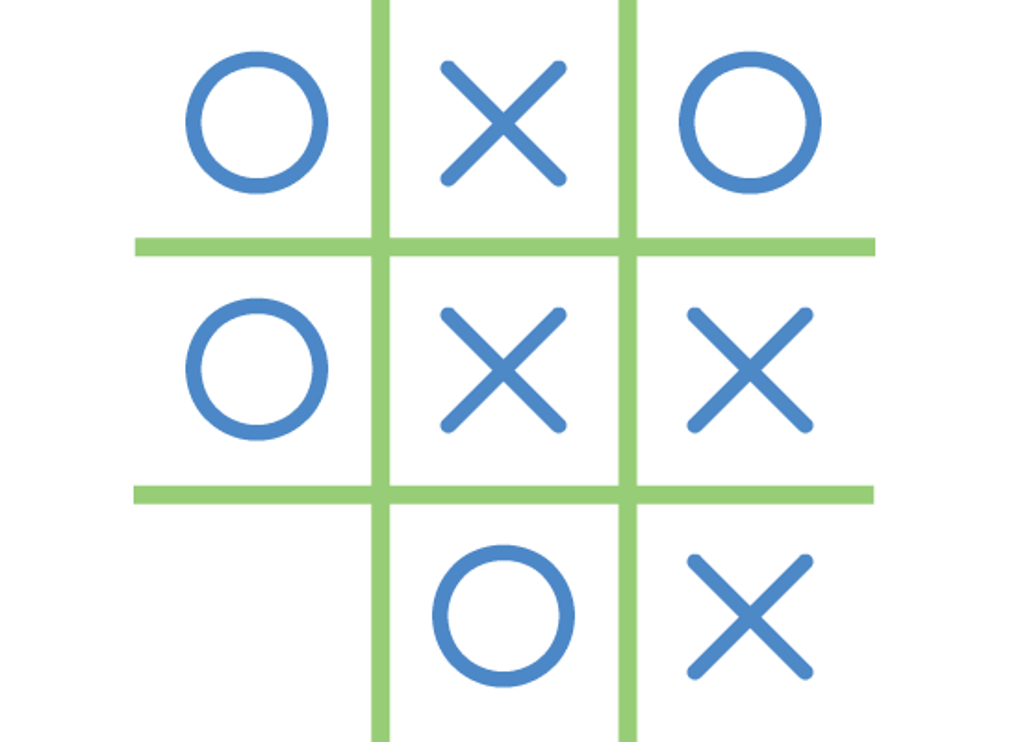
The core of tic-tac-toe involves two players taking turns marking spaces on a 3x3 grid. One player uses “X” as their marker, while the other uses “O”. The objective is straightforward: be the first to get three of your marks in a row, either horizontally, vertically, or diagonally.
The game typically begins with the “X” player making the first move. Players alternate turns, placing their respective markers on unoccupied squares. If both players make strategic moves, the game often concludes in a draw, with no player achieving three in a row. This outcome is commonly referred to as a “cat’s game” due to the grid being completely filled without a winner.
The simplicity of the rules makes tic-tac-toe a perfect game for introducing young children to strategic thinking. The game’s visual representation on a grid facilitates easy understanding, allowing players to quickly grasp the objective and the mechanics of the game. The limited number of moves and the relatively small playing area contribute to the game’s accessible nature.
Strategic Considerations and Winning Techniques
While tic-tac-toe may appear simple at first glance, understanding basic strategy is crucial for achieving victory or avoiding defeat. The optimal strategy involves careful consideration of each move and anticipation of the opponent’s potential responses.
A fundamental principle is to aim for creating two of your marks in a row, setting up a potential win on the next turn. Simultaneously, it’s essential to prevent the opponent from achieving the same. This requires actively blocking their potential winning lines by occupying crucial squares.
The first player (“X”) always has a slight advantage, as they can force a win or at least a draw with optimal play. However, a less experienced player might inadvertently allow the second player (“O”) to capitalize on mistakes and secure victory. Understanding these strategic elements transforms tic-tac-toe from a purely random game of chance into a test of foresight and strategic thinking. The game offers a valuable introduction to the fundamental concepts of strategic planning and anticipation, making it an excellent learning tool for developing logical reasoning skills.
Variations and Advanced Tic-Tac-Toe
The basic 3x3 grid isn’t the only way to play tic-tac-toe. Numerous variations exist, adding layers of complexity and extending the game’s potential for strategic depth. These variations often involve larger grids, three-dimensional playing fields, or modified winning conditions.
One common variation is enlarging the grid size. A 4x4 or 5x5 grid drastically increases the number of possible moves and strategic considerations, significantly raising the difficulty of the game. The increased complexity also allows for more intricate strategies and tactical maneuvers. Winning requires greater foresight and planning.
Three-dimensional tic-tac-toe introduces a new dimension of strategic thinking. Players must consider not only rows, columns, and diagonals on each level but also vertical columns through the three-dimensional space. This adds a significant layer of complexity and demands a higher level of spatial reasoning.
Other variations modify the winning conditions. Instead of three in a row, a player might need four or more in a row to win, further altering the strategic dynamics of the game. These variations offer a unique and challenging gameplay experience for those seeking a departure from the classic 3x3 game.
Tic-Tac-Toe in Popular Culture and Modern Adaptations
Tic-tac-toe’s enduring popularity has permeated various aspects of popular culture, appearing in films, television shows, video games, and even educational materials. Its simple rules and visual nature make it an ideal game for representing conflict and decision-making in various contexts.
Many video games incorporate tic-tac-toe as a mini-game or a simple puzzle to solve. This showcases the game’s adaptability to different platforms and its capacity to seamlessly integrate into larger, more complex gaming experiences. The widespread accessibility of computers and mobile devices has also led to numerous digital implementations of the game, allowing players to enjoy tic-tac-toe conveniently anytime, anywhere.
The simplicity of tic-tac-toe has also made it a useful tool in educational settings. It serves as an engaging method for teaching basic strategic thinking, problem-solving, and pattern recognition. The game’s visual nature aids in comprehension and makes abstract concepts more concrete and easier to understand, particularly for young children.
The Enduring Appeal of Tic-Tac-Toe
The enduring appeal of tic-tac-toe lies in its remarkable blend of simplicity, strategy, and accessibility. Its straightforward rules make it easy to learn and play, while its strategic depth provides a surprisingly challenging experience for those seeking a test of their intellect. The game is readily adaptable to various settings and technological advancements, ensuring its continued relevance in a constantly evolving world. Its educational value, particularly for young children, also contributes to its long-lasting presence in educational materials and games.
Tic-tac-toe stands as a testament to the enduring power of simple yet elegant games. Its timeless appeal continues to captivate players of all ages and skill levels, reflecting the game’s ability to provide both enjoyable entertainment and an opportunity for strategic development. The game’s simplicity contrasts sharply with its unexpected depth, ensuring its continued presence as a classic pastime for generations to come.
File Information
- License: “Free”
- Version: “1.0.0”
- Latest update: “August 9, 2019”
- Platform: “Windows”
- OS: “Windows Vista”
- Language: “English”
- Downloads: “23.6K”
- Size: “25.89 KB”


