
Ticket to Ride, a celebrated strategy board game, has captivated players worldwide with its simple yet engaging gameplay. This digital adaptation retains the core mechanics that have made the original such a resounding success, offering a compelling experience for both seasoned strategy gamers and newcomers alike. This article delves into the intricacies of Ticket to Ride, exploring its gameplay, its appeal, and its various platform implementations.
Gameplay: Building Your Rail Empire
At its heart, Ticket to Ride is a game of strategic route building. Players take on the roles of railway tycoons, competing to claim railway routes connecting various cities across a map. The game board depicts a geographical region, with cities represented by colored dots and railway lines connecting them. Each player begins with a hand of colored train cars, represented in the game by cards. These cards are crucial to building railway lines.
The game progresses through a series of turns, where players perform one of two actions:
-
Draw Cards: Players can draw either two train car cards from the face-up display or three cards from the deck. This allows players to replenish their supply of train cars and anticipate future needs. Careful card management is critical, as certain routes require specific colors of train cars.
-
Claim a Route: Players can claim a railway route between two cities by paying the required number of train cars of the specified color. The routes vary in length, yielding varying point values. Longer routes offer more points, but require more train cars, presenting a strategic challenge of risk versus reward. If a player doesn’t have the required colored cards, they can use “locomotive” cards, which can substitute for any color. This flexibility makes locomotives highly valuable but strategic use is crucial.
The strategic depth of Ticket to Ride unfolds in the competition for routes. Players must anticipate their opponents’ moves and carefully plan their route building, securing key connections before others do. This tension is heightened by the limited number of train cars, forcing players to make tough choices and prioritize certain routes over others.
Beyond route building, players receive “destination tickets” at the start of the game. These tickets specify pairs of cities, and completing the routes between these cities awards bonus points. This element introduces an additional layer of strategic complexity, forcing players to balance their route construction with the completion of their destination tickets. Choosing ambitious, high-point destination tickets can provide a significant advantage but also increase the risk of failing to complete them.
The game ends when a player runs out of train cars or when a certain number of routes have been claimed. At this point, players tally their points based on the completed routes and destination tickets. The player with the most points is declared the winner.
The Allure of Ticket to Ride: Simplicity and Depth Combined
Ticket to Ride’s enduring appeal lies in its harmonious blend of simplicity and depth. The rules are straightforward, making it easily accessible to players of all ages and experience levels. However, beneath the surface of its simple mechanics lies a rich tapestry of strategic possibilities. The seemingly straightforward act of claiming routes demands careful planning, anticipation of opponents’ moves, and efficient resource management.

The game’s elegance lies in its ability to capture the thrill of building and controlling a vast railway network without overwhelming the player with complex rules or mechanics. The visual appeal of the game, with its colorful train cars and maps depicting diverse geographical regions, further enhances its appeal. The combination of chance (drawing cards) and strategy creates a dynamic and unpredictable gameplay experience that keeps players engaged.
The game’s adaptability is also a key factor in its popularity. Various versions of Ticket to Ride are available, featuring different maps and thematic elements. This allows players to experience diverse settings and challenges, ensuring the game remains fresh and engaging over time.
Ticket to Ride Across Platforms: Digital Adaptations
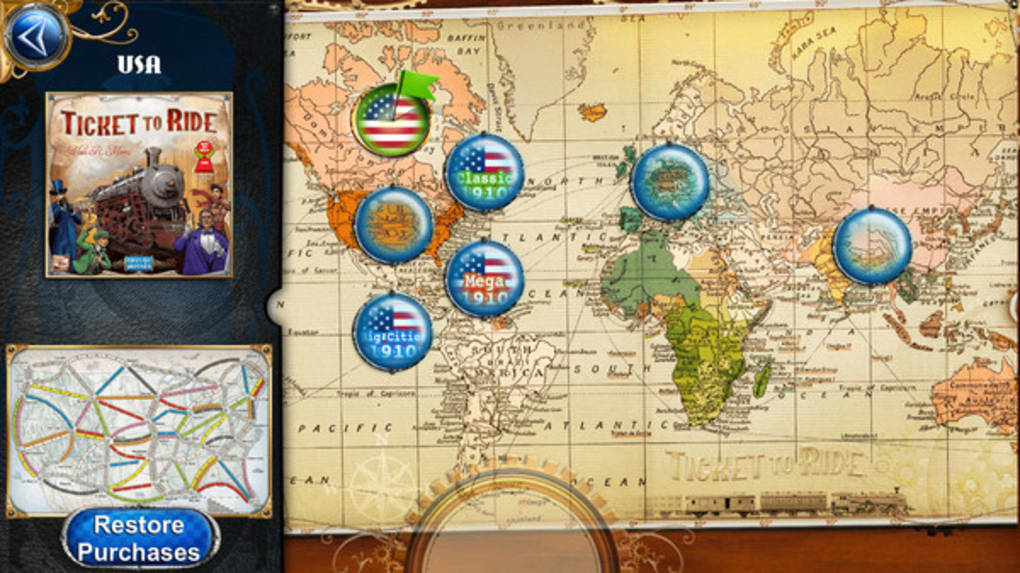
The success of Ticket to Ride has extended beyond the physical board game, with several digital adaptations appearing on various platforms, including PC, mobile devices, and consoles. These digital versions retain the core mechanics of the original game while incorporating features that enhance the gaming experience.
The digital implementations often offer online multiplayer modes, allowing players to compete against others from around the world. This expands the possibilities for social interaction and competition, adding a further layer of enjoyment to the game. Additionally, digital versions usually provide tutorial options for new players, making the learning curve even smoother than the physical board game.
Furthermore, digital versions sometimes include features not found in the physical version. These may include automated scoring, improved AI opponents for solo play, and various difficulty settings to cater to different skill levels. The convenience of digital play is also noteworthy, eliminating the need for physical setup and storage of game components.
Variations and Expansions: Expanding the Railway Network
The core game of Ticket to Ride has spawned numerous expansions, each introducing new maps, rules, or game mechanics. These expansions add variety and replayability to the game, offering fresh challenges and scenarios for seasoned players. Some expansions introduce new card types, offering strategic opportunities, while others present radically different maps that alter the strategic landscape.
For example, some expansions include more intricate rail networks, longer routes, and new objectives, thereby increasing the complexity of route planning and management. Other expansions introduce themed elements, immersing players in different eras or environments. This breadth of expansions ensures that the game maintains its long-term appeal and continues to captivate players with fresh content.
Conclusion: A Timeless Classic for Strategy Enthusiasts
Ticket to Ride stands as a testament to the enduring power of simple yet profound gameplay. Its ability to combine accessible rules with strategic depth has cemented its place as a modern board game classic. The digital adaptations of Ticket to Ride further expand its reach, making it readily available to players worldwide. Whether enjoying a physical game with friends or a digital match against online opponents, Ticket to Ride provides a consistently engaging and rewarding strategic experience that has earned its place among the most beloved games of the 21st century. The continual development and expansion of the game promise to keep it a compelling choice for strategy game enthusiasts for years to come.
File Information
- License: “Full”
- Version: “2016”
- Latest update: “February 6, 2017”
- Platform: “Windows”
- OS: “Windows 7”
- Language: “English”
- Downloads: “4.1K”


