
TikTok, a globally dominant short-form video platform, has rapidly become a ubiquitous part of the digital landscape. Created by the Chinese technology company ByteDance, this social media application allows users to record, edit, and share a vast array of short videos, enhancing them with sound effects, background music, visual effects, and filters. Its explosive growth, reaching over a billion monthly active users, is unprecedented in the social media sphere, rivaling established giants like Instagram and YouTube. Initially popular among younger demographics, TikTok’s appeal now spans across all age groups, solidifying its position as a major force in online entertainment and content creation.
What is TikTok?
At its core, TikTok is an application that enables the creation, editing, and sharing of videos ranging from a brief 5 seconds to a more substantial 3 minutes. While its initial rise was fueled by its novel approach to short-form entertainment, its utility extends far beyond simply creating amusing clips. TikTok has evolved into a platform for personalized content discovery, offering users the chance to explore diverse topics, from engaging quizzes (“What Star Wars character are you?”) to insightful cultural comparisons. The platform’s algorithm intelligently curates content based on individual user preferences, ensuring a consistently relevant and engaging experience. This algorithmic personalization is a key factor in TikTok’s addictive nature and widespread appeal.
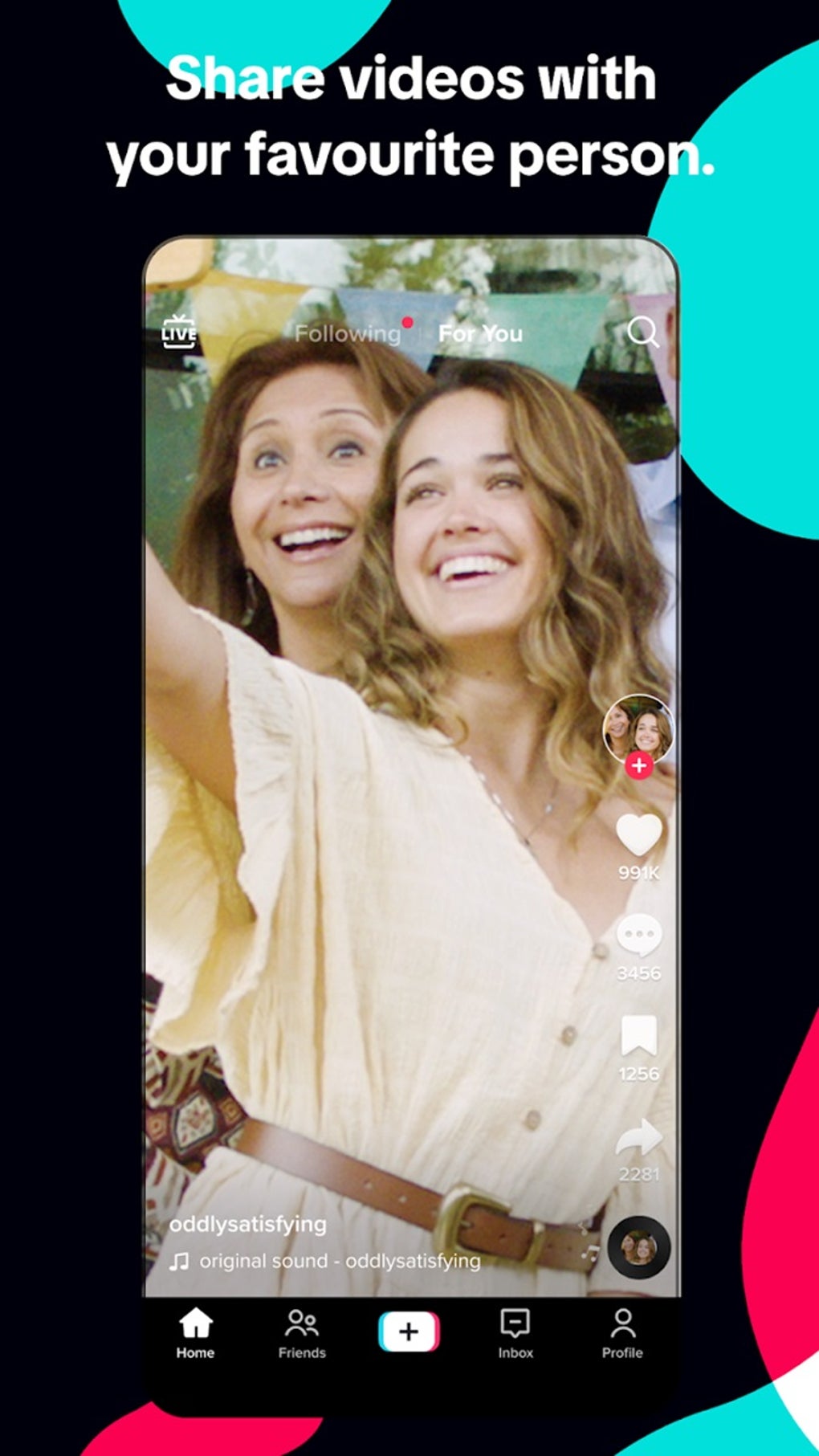
Navigating the TikTok Landscape: Discovering Engaging Content
The ease of discovering compelling videos on TikTok is a testament to its sophisticated recommendation engine. Upon accessing a video, users will often find a “Playlist” section at the bottom. This indicates that the video belongs to a curated collection, offering easy access to related content. This feature, coupled with the algorithm’s learning capabilities, facilitates effortless exploration of a vast library of user-generated content.
The platform’s algorithm continuously learns user preferences based on interactions such as likes and shares. This sophisticated system allows TikTok to deliver content that resonates with each user’s unique tastes. This personalized experience is crucial to TikTok’s success. The more a user engages, the more refined the algorithm becomes, leading to a continuous stream of relevant and potentially captivating videos. This creates a powerful feedback loop that keeps users returning for more.
Beyond TikTok: Exploring Lemon8
ByteDance, the parent company behind TikTok, has also launched Lemon8, a lifestyle-focused social media application positioned as a potential successor to TikTok’s popularity. Lemon8 draws inspiration from both Instagram and Pinterest, combining their strengths to create a unique platform centered around visually appealing content pertaining to food, beauty, wellness, and travel.
The platform emphasizes curated recommendations and targeted advice tailored to individual user interests. Unlike TikTok’s focus on short, often humorous videos, Lemon8 offers a more visually rich and curated experience. Its emphasis on detailed posts and visually appealing content provides a significant departure from the fast-paced nature of TikTok. The application’s design encourages a slower, more deliberate engagement, focusing on aesthetics and thoughtful content curation. Lemon8 presents a refreshing alternative to the rapid-fire content consumption often associated with TikTok. It offers a platform for users seeking deeper engagement with visually stunning and informative content.
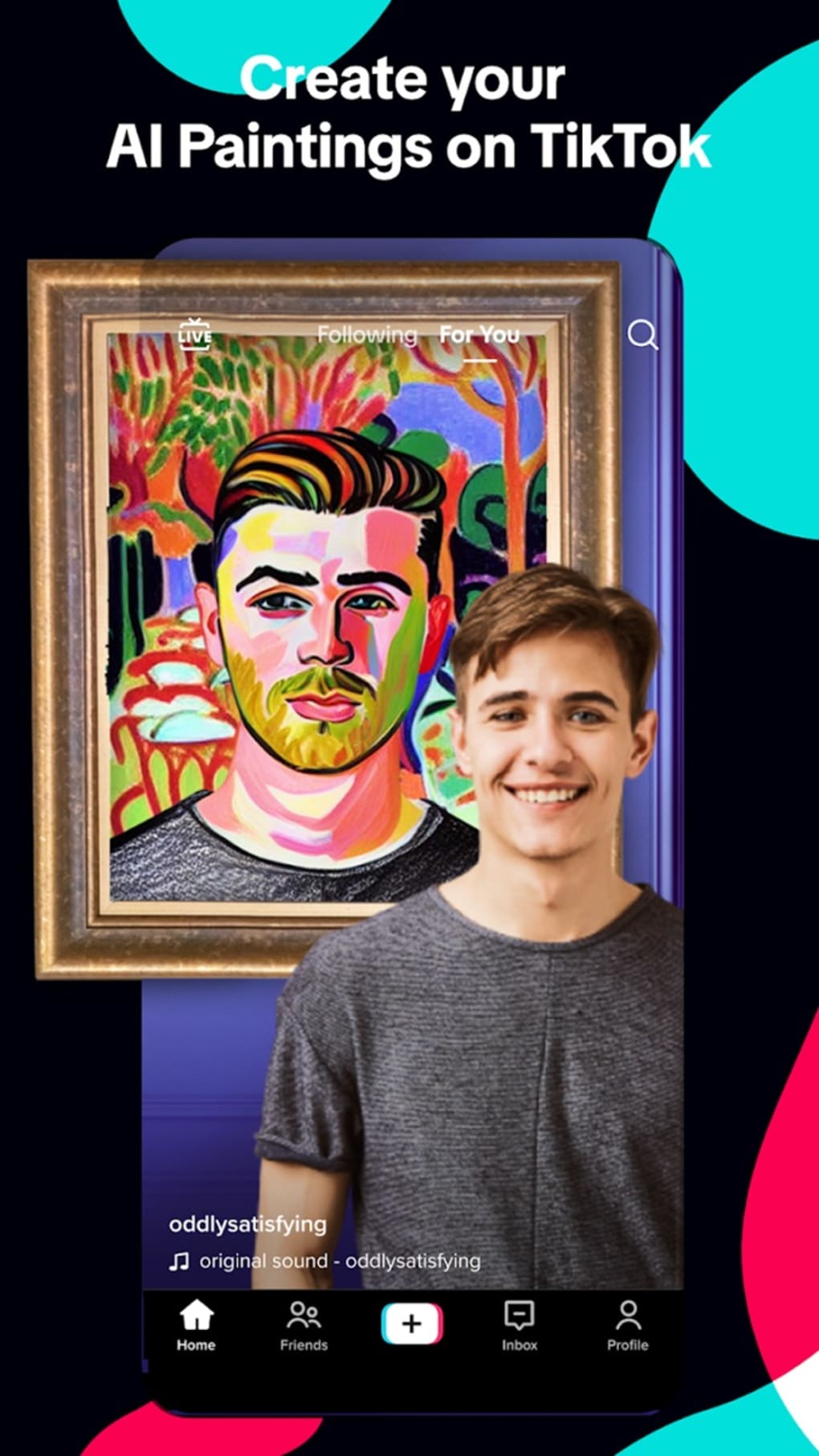
Creating and Personalizing Videos on TikTok
The process of video creation on TikTok is remarkably straightforward. Users simply tap the “+” icon at the bottom of the screen to begin. From there, content can be uploaded from the device’s gallery or captured using TikTok’s built-in camera. The platform provides a comprehensive toolkit for enhancing videos, including a wide array of effects, sounds, and filters, as well as advanced editing capabilities. Once recording is complete, users can review and edit their creation before publishing it to their profile. The intuitive interface and user-friendly tools allow even novice users to easily produce high-quality videos.
TikTok’s Editing Powerhouse: Tools and Customization
A significant contributor to TikTok’s success lies in its extensive video customization options. The platform boasts an impressive library of music across various genres, complemented by hundreds of emojis, stickers, and facial filters. Beyond these visual embellishments, users have access to a suite of robust editing tools, including options to edit, trim, duplicate, and reposition video clips. These powerful features empower users to create highly personalized and expressive content. This comprehensive suite of tools makes TikTok accessible to a broad range of users, from casual content creators to seasoned video editors. The ease of use, coupled with advanced capabilities, makes it a versatile platform for diverse creative endeavors.
Pros and Cons of Using TikTok
Pros:
- High-Quality Content Discovery: TikTok’s algorithm excels at surfacing engaging and relevant content based on user preferences, ensuring a consistent stream of enjoyable videos.
- Monetization Opportunities: TikTok provides creators with various avenues for monetization, allowing them to earn income from their content. This encourages content creation and fosters a thriving creator economy.
- Brand Promotion: Businesses can leverage TikTok’s vast reach to effectively promote their products or services, tapping into a highly engaged user base.
- User-Friendliness: The app’s intuitive design and easy-to-use interface make it accessible to users of all technical skill levels.
Cons:
- Low-Value Content: The sheer volume of content on TikTok means that a considerable amount may be considered low-quality or irrelevant to many users. This is a common challenge for platforms with open content submission.
- Video-Only Format: The platform’s exclusive focus on short-form video may limit its appeal to users who prefer other content formats.
- Predominantly Young Audience (Historically): While TikTok’s user base is diversifying, it initially had a strong concentration of younger users, which may not be ideal for all brands or creators.
- Limited Video Duration: The constraints on video length (maximum 3 minutes) may prove restrictive for creators wishing to share longer content.
TikTok Alternatives
Several alternative applications offer similar functionalities to TikTok, catering to different preferences and needs. These platforms often distinguish themselves through unique features or a focus on specific niches. Some examples include:
-
Instagram: A well-established social media platform offering short-form video capabilities through its Reels feature. Instagram’s strength lies in its integration with its existing photo-sharing features and larger, established user base.
-
YouTube Shorts: YouTube’s foray into short-form video, leveraging its extensive video infrastructure and creator community.
-
Josh: Short Videos App: An Indian alternative that gained popularity as a localized short-form video platform.
Conclusion
TikTok’s meteoric rise is a testament to its ability to tap into the evolving preferences of digital consumers. Its intuitive interface, coupled with powerful creative tools and a sophisticated recommendation system, has created a highly engaging and addictive platform. While criticisms regarding content quality and limited video duration exist, TikTok’s pervasive influence on online culture and its impact on content creation are undeniable. Its evolution, from a simple short-form video platform to a content discovery engine, underscores its adaptability and enduring appeal in the dynamic world of social media. The platform continues to innovate, introducing new features and tools, and expanding its reach globally, cementing its position as a dominant force in the digital media landscape. The future of TikTok, and indeed the future of short-form video itself, promises to be even more dynamic and transformative.


