
Tinder, a name synonymous with modern dating, has revolutionized how people connect and find romantic partners (and sometimes, just friends). Since its launch, it has become a global phenomenon, transforming the landscape of romantic relationships and social interactions. This deep dive will explore Tinder’s mechanics, its impact, its pros and cons, and its place within the broader context of online dating.
The Mechanics of the Swipe: How Tinder Works
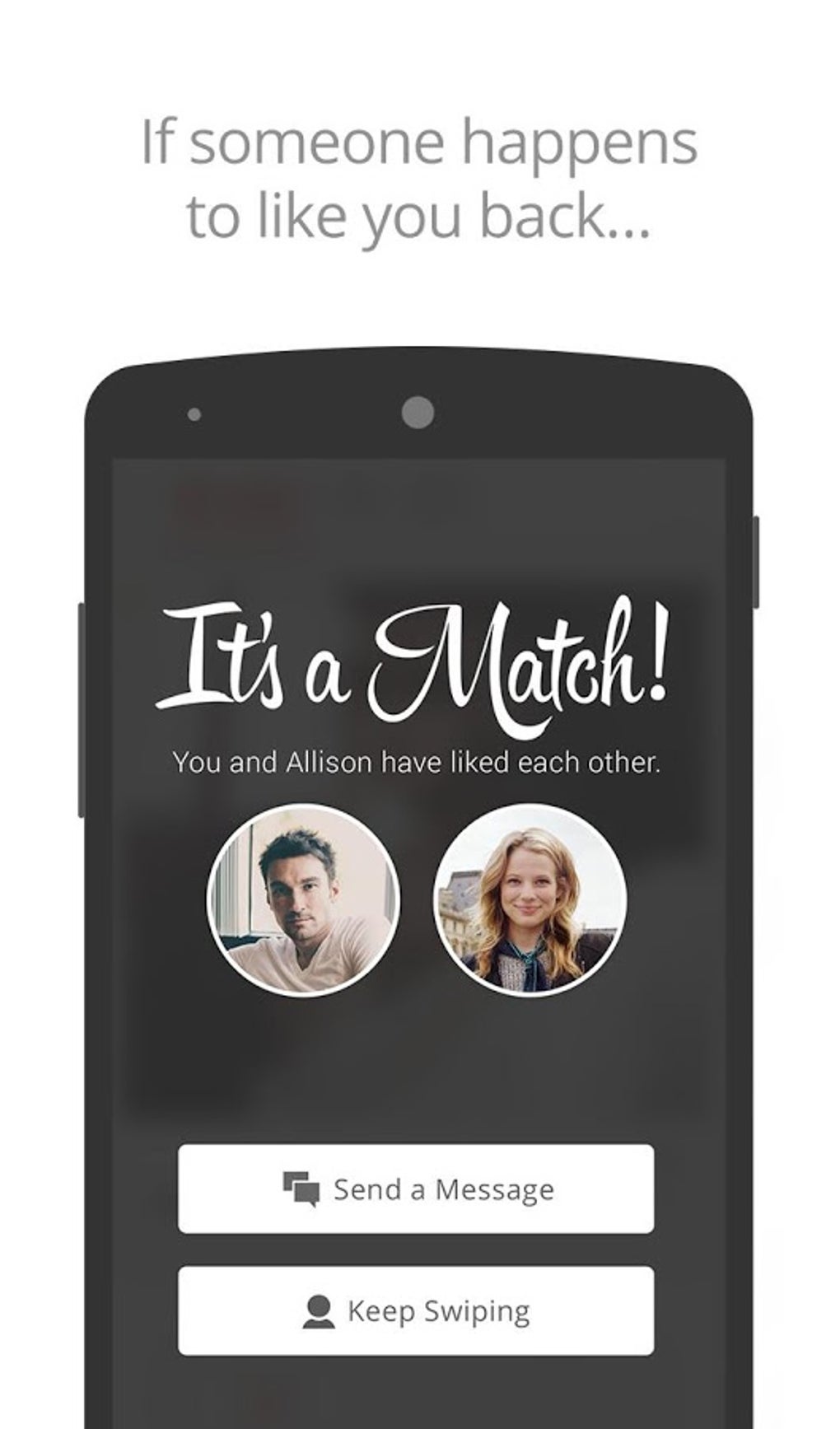
At its core, Tinder is remarkably simple. Users create profiles showcasing their photos and a brief biography, highlighting their interests and what they’re seeking in a relationship. The app then uses a location-based algorithm to present users with potential matches within a certain radius. The user interface is intuitive and centered around the now-iconic “swipe” function: a right swipe signifies interest (“like”), while a left swipe denotes disinterest (“pass”).
This simple mechanic is both Tinder’s strength and its potential weakness. The ease of use and immediate feedback make it incredibly accessible to a broad audience, contributing to its massive user base. However, this simplicity can also lead to a superficiality in the matching process. Initial judgments are often heavily influenced by visual appeal, potentially overshadowing deeper compatibility factors that might emerge through more in-depth conversations.
The algorithm itself plays a significant role in the matching process. While the specifics are proprietary, it’s generally understood that Tinder prioritizes users with complete profiles and those who are actively engaged with the app. This strategy aims to maximize the chances of successful matches by pairing active users with similar activity levels and interest profiles. However, this can also create a sense of pressure to maintain a constant presence on the app to increase visibility.
The Premium Experience: Tinder’s Paid Features
While Tinder offers a free version, it also offers various paid subscription tiers, namely Tinder Plus, Gold, and Platinum. These paid subscriptions unlock additional features designed to enhance the user experience and increase the chances of finding matches. These features often include unlimited swipes (removing the daily swipe limitations of the free version), the ability to see who has liked your profile before you’ve liked them back, and boosts that temporarily increase your profile’s visibility to a wider audience.
The availability of these paid features introduces a key point of contention. While they offer benefits, many users feel that Tinder aggressively pushes these paid subscriptions, creating a frustrating experience for those who opt to remain on the free version. The limitations imposed on free users can feel restrictive, potentially impacting their overall experience and leading to dissatisfaction. The effectiveness of these paid features also remains debatable, as they don’t guarantee better matches, simply increasing visibility and offering convenience features.
The Social Impact: Casual Dating, Relationships, and Beyond
Tinder’s impact on society extends beyond its role as a dating app. Its ease of use and widespread adoption have fundamentally altered how people approach dating, romantic relationships, and even friendships. The app has facilitated countless connections, leading to both long-term relationships and casual encounters.
The app’s impact on the dating culture is multifaceted. On one hand, it has democratized dating, making it more accessible to a wider range of people regardless of geographic location or social circles. It has empowered users to take control of their dating lives, initiating contact and exploring potential connections at their own pace. This increased accessibility has been particularly beneficial for those who may have struggled with traditional dating methods due to shyness, social anxiety, or limited social circles.
Conversely, the app has also been criticized for contributing to a culture of superficiality and instant gratification. The swipe-based mechanism encourages quick judgments based on appearance and limited profile information. This can lead to a high volume of brief interactions with little depth, and the prevalence of “ghosting” (suddenly ceasing communication without explanation) is a common complaint among users.
The Dark Side: Fake Profiles, Scams, and Ethical Concerns
Despite its popularity and success, Tinder is not without its drawbacks. One significant concern is the presence of fake profiles and scams. While Tinder employs measures to combat this, fraudulent profiles and individuals attempting to exploit users remain a persistent issue. Users need to remain vigilant and cautious, carefully scrutinizing profiles and avoiding suspicious behavior to protect themselves.
Another ethical concern revolves around the app’s potential contribution to a culture of superficiality and objectification. The emphasis on visual appeal can potentially devalue meaningful connection and lead to a focus on physical attributes over personality and compatibility. This is exacerbated by the ease with which users can “swipe” through numerous profiles, potentially fostering a sense of disposability and reducing the value placed on individual interactions.
Tinder’s Strengths and Weaknesses: A Balanced Perspective
Tinder’s success is undeniable, but a balanced perspective requires acknowledging both its strengths and its weaknesses.
Strengths:
- Accessibility and ease of use: Its intuitive interface makes it accessible to a vast audience, regardless of technological expertise.
- Large user base: This increases the chances of finding potential matches and connections.
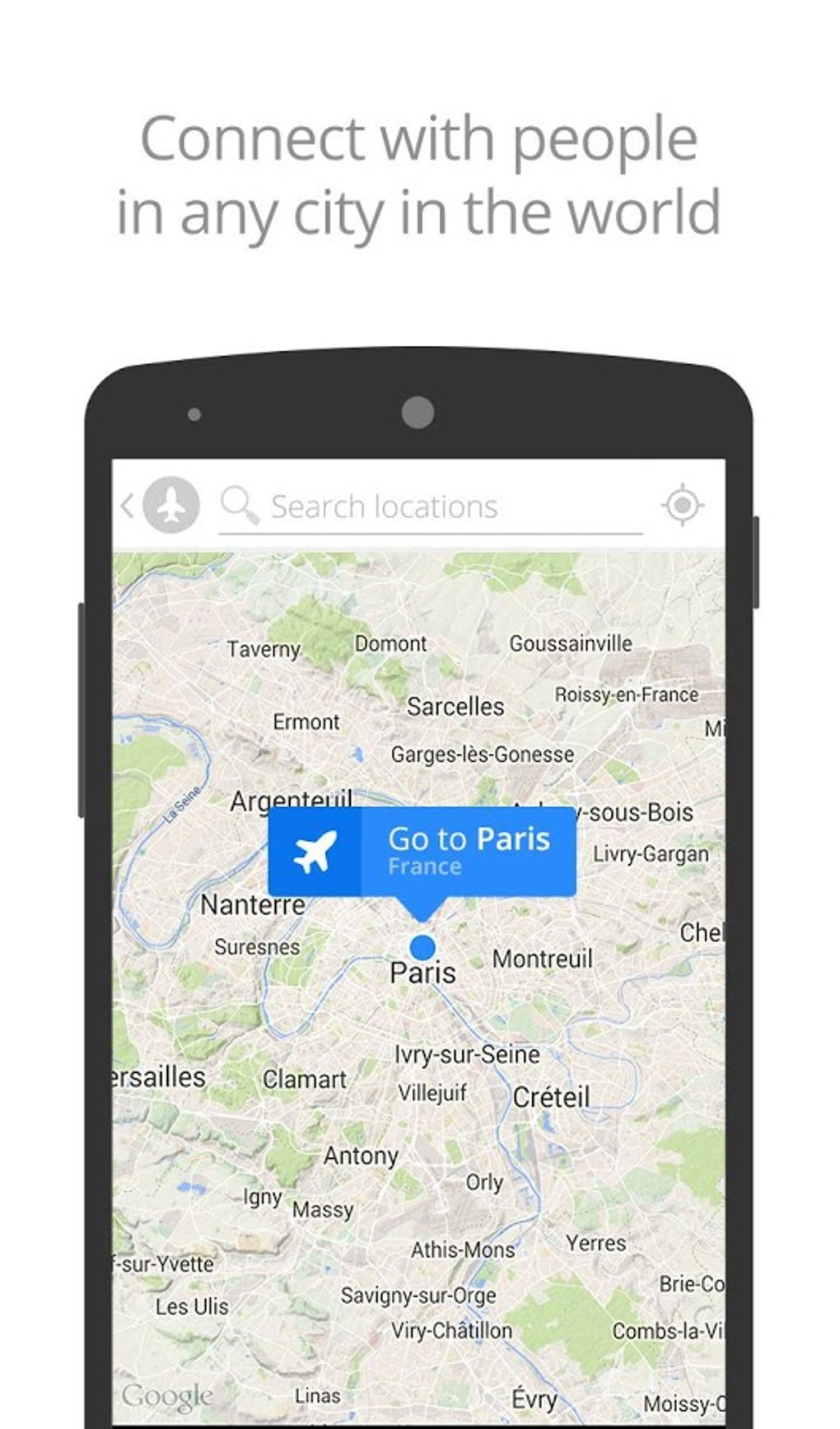
- Location-based matching: This facilitates connections with people in close proximity.
- Flexibility: It caters to various relationship goals, from casual dating to long-term partnerships.
Weaknesses:
- Superficiality: The swipe-based system can lead to shallow judgments and a focus on appearance.
- Prevalence of fake profiles and scams: This poses a security risk for users.
- Aggressive promotion of paid features: The free version can feel limited and frustrating.
- Culture of ghosting and disposability: The ease of moving on to new matches can contribute to impersonal interactions.
Conclusion: Tinder’s Enduring Influence
Tinder has undeniably reshaped the dating landscape. While it has empowered individuals to connect in new ways and broadened the accessibility of dating, it has also raised concerns about superficiality, safety, and ethical considerations. Understanding both the advantages and disadvantages of the platform is crucial for users to navigate the app effectively and responsibly. As online dating continues to evolve, Tinder’s legacy will likely remain a significant part of the ongoing conversation about human connection in the digital age. The future will likely see further refinement of the app’s algorithms and features, along with continued efforts to address issues of safety and ethical concerns. Ultimately, Tinder’s success and longevity will depend on its ability to adapt to changing user needs and expectations while upholding its responsibility to create a safe and positive environment for its users.
File Information
- License: “Free”
- Version: “16.15.1”
- Latest update: “August 6, 2025”
- Platform: “Android”
- OS: “Android 13.0”
- Language: “English”
- Downloads: “209.9K”
- Download Options: “Google Play”


