
Toca Life: Hospital, a mobile game developed by Toca Boca AB, offers a unique and engaging experience for young players interested in the world of medicine. This installment in the long-running Toca Life series shifts the focus from previous iterations, offering a virtual hospital setting where children can explore medical scenarios and create their own stories within a safe and imaginative environment. While similar in spirit to Toca Pet Doctor, which centered on animal care, Toca Life: Hospital expands the scope to encompass human patients and the broader complexities of a hospital setting. This review delves into the game’s features, strengths, and weaknesses, providing a comprehensive overview of its suitability for young learners and entertainment value.
Exploring the Virtual Hospital: Gameplay and Features
Toca Life: Hospital presents itself as a five-story virtual dollhouse meticulously crafted to resemble a hospital. This detailed environment is where the game’s true potential unfolds. Players are granted access to over 30 characters, each diverse in age, ethnicity, and even species. This inclusivity fosters a sense of representation and allows children to create stories reflecting their own diverse worlds. The game’s open-ended nature is a key element of its appeal; it doesn’t force players down a specific narrative path. Instead, the hospital serves as a sandbox, prompting imaginative exploration and role-playing.
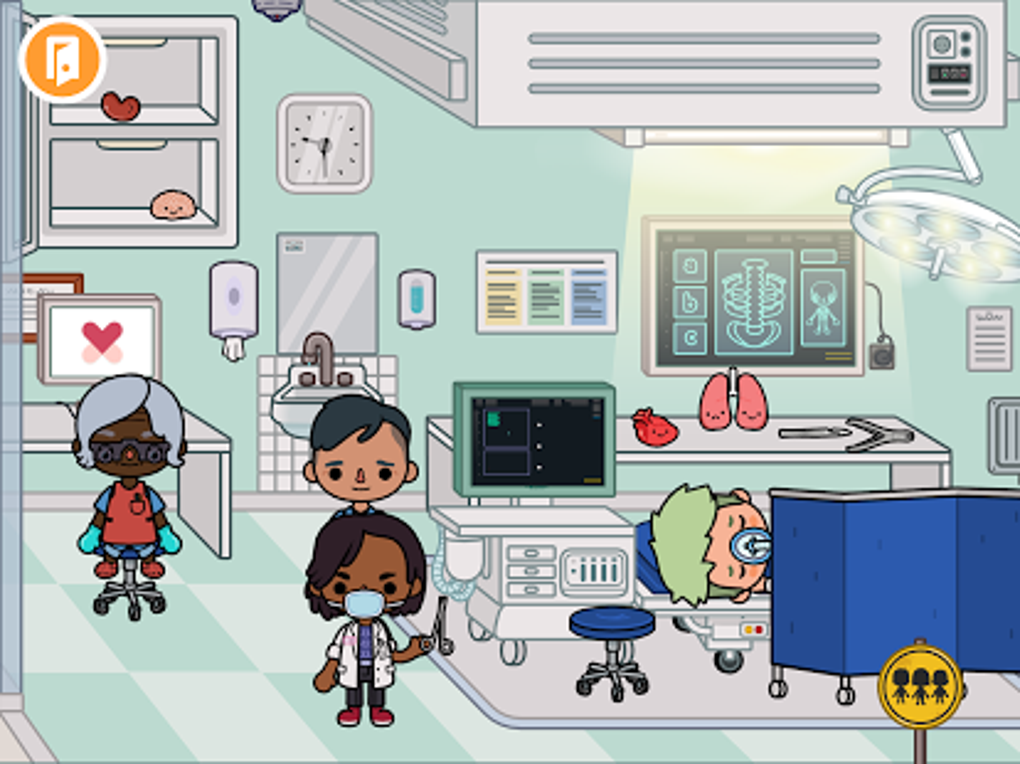
The five floors – the basement, main level, lab and treatment area, family care unit, and general care ward – each possess distinct functions and visual details mirroring those of a real-world hospital. This realistic design contributes significantly to the game’s educational value, providing a familiar framework for exploring medical themes. The basement might contain storage and utility areas, while the main level might include a reception area and waiting room. The lab and treatment area offers a setting for conducting tests and providing medical care, while the family care unit and general care wards allow for more detailed interactions, including caring for infants and patients requiring different levels of attention.
Beyond the realistic settings, the game boasts an impressive array of props and equipment. From stethoscopes and bandages to advanced medical devices, the inventory is comprehensive, catering to a wide range of medical scenarios. This abundance of interactive elements contributes to the game’s replayability, offering endless opportunities for creative play. The inclusion of an elevator facilitates movement between floors, seamlessly connecting the different areas of the hospital and expanding the possibilities for storytelling. Children can easily transport characters, equipment, and even patients between levels, enriching their gameplay experience.
Educational Value and Engaging Themes
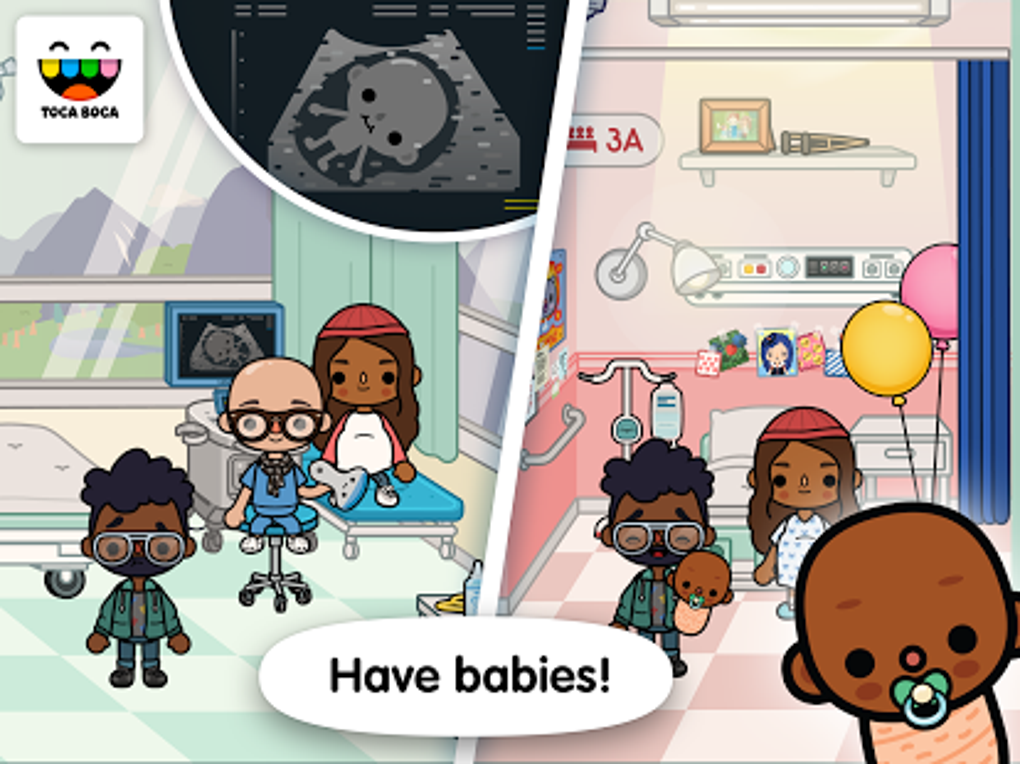
The game’s design extends beyond simple entertainment. Toca Life: Hospital subtly introduces children to medical concepts and the daily operations of a hospital. While not explicitly instructional, the game subtly educates children about health and well-being, providing a playful introduction to complex procedures and medical terminology. For instance, children can observe the process of delivering a baby or assist with examining patients, learning about different types of treatments and the importance of healthcare.
Furthermore, Toca Life: Hospital handles mature themes with sensitivity and tact. The game acknowledges the concept of death, a significant aspect of life often overlooked in children’s games. This approach, while potentially challenging for some parents, reflects the complexities of life and allows children to process such concepts in a controlled, virtual setting. The game manages to address the topic with dignity and respect, encouraging empathy and understanding. This inclusion allows for meaningful conversations between children and their parents or caregivers regarding the cycle of life and the challenges faced within a hospital environment.
The built-in recording feature is another noteworthy feature. This allows children to capture their creative narratives, creating videos of their gameplay and adding their own voiceovers. This additional feature encourages creativity and storytelling skills, adding a new dimension to the overall experience. It also offers opportunities for sharing their creations with friends and family, fostering social interaction and communication.
Strengths and Weaknesses: A Balanced Perspective
Toca Life: Hospital, like any game, has its strengths and weaknesses. Its strengths lie in its open-ended gameplay, detailed graphics, and inclusive representation of characters. The game’s emphasis on creative exploration encourages children to develop their imagination, problem-solving skills, and storytelling abilities. The intuitive interface allows for easy navigation and interaction, even for younger children. The diverse cast of characters promotes inclusion and understanding of different cultures and backgrounds.
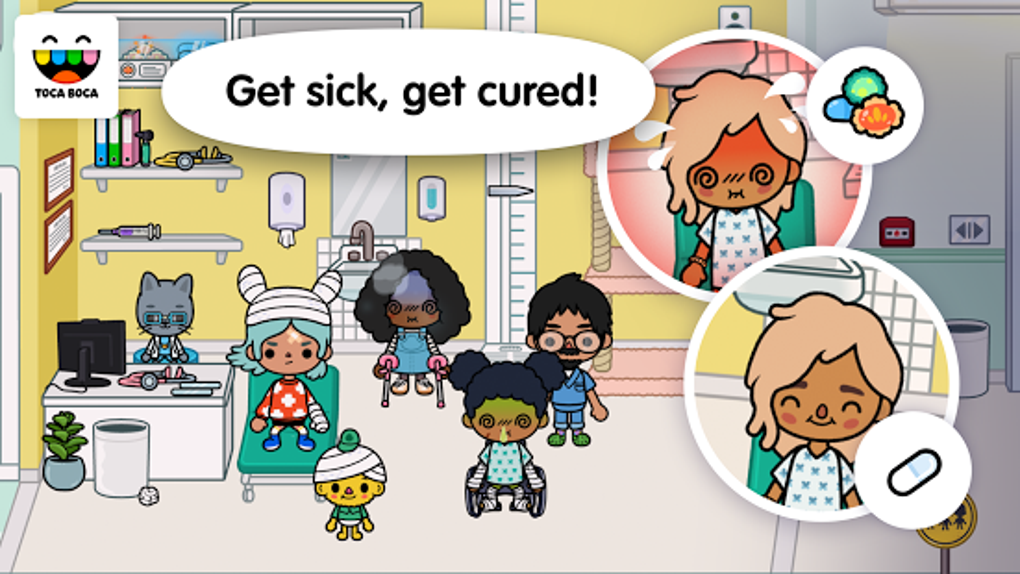
However, the game is not without its minor drawbacks. Some medical situations are not depicted with complete accuracy, potentially leading to misconceptions. For instance, some procedures might be simplified or presented in a less realistic manner. While this simplification enhances accessibility for younger children, it’s crucial for parents to provide context and clarify any inaccuracies that might arise from gameplay. The interface could also be improved in certain areas. Picking up smaller objects can prove to be a minor challenge. Despite these relatively minor issues, they do not significantly detract from the overall positive experience the game offers.
Comparison with Other Toca Life Titles and Alternatives
Toca Life: Hospital sits comfortably within the Toca Life series, sharing the hallmark features of open-ended gameplay and rich, detailed environments. However, its specific focus on a hospital setting differentiates it from other entries in the series, such as Toca Life: City or Toca Life: School. While these games also offer imaginative settings and opportunities for role-playing, Toca Life: Hospital provides a distinct medical-themed experience.
Several alternative games offer similar features, but few match the comprehensive and detailed approach of Toca Life: Hospital. Games focusing on role-playing and imaginative play might provide alternatives, but they often lack the specific medical focus and rich environment presented by Toca Life: Hospital. The game’s balanced approach to both entertainment and education sets it apart from purely entertainment-driven alternatives.
Conclusion: A Worthwhile Addition to the Toca Life Universe
Toca Life: Hospital stands as a valuable addition to the Toca Life series. It successfully combines engaging gameplay with subtle educational elements, providing a fun and enriching experience for young players. While some minor inaccuracies and interface quirks exist, they do not significantly detract from the overall positive aspects of the game. The game’s focus on creativity, inclusion, and handling of sensitive topics showcases a commitment to both entertainment and responsible development. Parents looking for a game that combines imaginative play with opportunities for learning about healthcare and the hospital environment will find Toca Life: Hospital to be a worthwhile investment. Its open-ended nature encourages exploration, storytelling, and the development of important social and emotional skills in young children. The game’s thoughtful approach to sensitive subjects, coupled with its immersive environment, makes it a stand-out choice amongst children’s mobile games.
File Information
- License: “Full”
- Latest update: “May 6, 2025”
- Platform: “Android”
- OS: “Android 13.0”
- Language: “English”
- Downloads: “62.1K”
- Download Options: “Google Play”


