
Toca Life: Vacation is more than just a mobile game; it’s a vibrant, interactive digital dollhouse designed to spark creativity and learning in young children. This engaging app provides a rich environment where kids can craft their own narratives, explore diverse locations, and interact with a multitude of characters and objects. The game’s intuitive design and educational elements make it a captivating and enriching experience for children of various ages.
A World of Exploration and Adventure
The core of Toca Life: Vacation lies in its diverse locations, each meticulously crafted to offer a unique backdrop for imaginative play. Unlike traditional games with linear storylines, Toca Life: Vacation empowers children to become the storytellers. They are free to explore at their own pace, interacting with objects and characters in ways that resonate with their individual creativity. This open-ended gameplay fosters problem-solving skills, encourages experimentation, and allows for boundless creative expression. The game does not dictate a specific path; instead, it provides the tools and environment for children to build their own adventures.
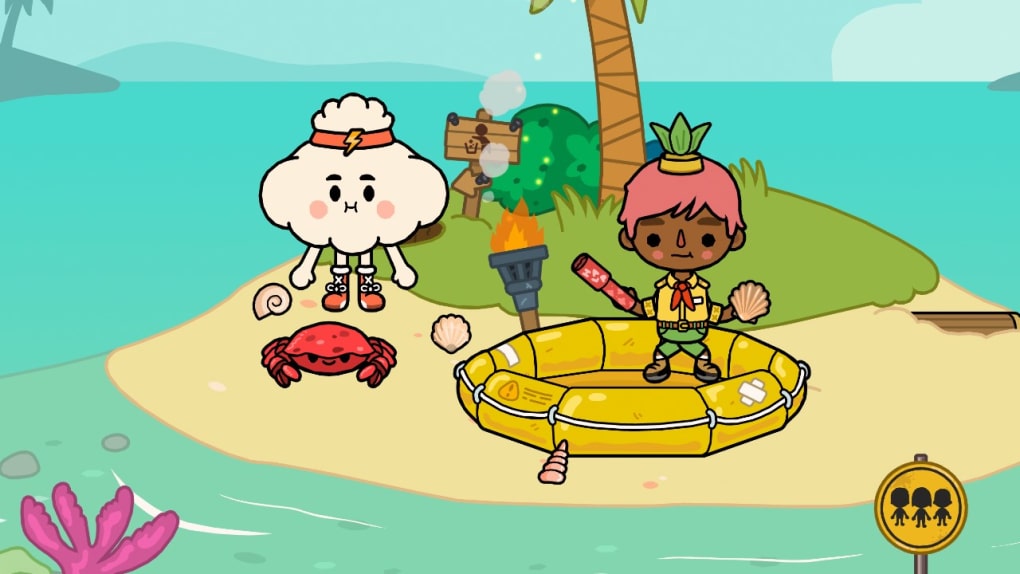
The game’s four main locations are carefully designed to stimulate exploration and discovery. These areas are not merely static backdrops; they are interactive environments filled with intriguing elements that invite investigation. For example, the metal detector isn’t just a decorative object; it’s a functional tool that provides a learning opportunity. As children interact with the metal detector, they learn about its purpose and the underlying principles of its operation, seamlessly integrating educational content into the gameplay experience. This subtle integration of learning opportunities sets Toca Life: Vacation apart from other entertainment apps. It’s not simply about having fun; it’s about learning through fun. This approach makes the experience more engaging and less like a traditional educational tool.
Engaging Characters and Interactive Elements
Toca Life: Vacation features a diverse cast of 34 characters, each possessing a unique personality and appearance. These characters are not merely passive observers; they actively participate in the children’s narratives. The children can dress them up, change their hairstyles, and even move them between different locations within the game. This interactive element enhances the role-playing aspect of the game, allowing children to develop their storytelling skills while exploring different social dynamics and relationships between the characters. The characters’ diversity also contributes to a more inclusive and representative gaming experience, reflecting the varied demographics of the real world.
The interactive elements extend beyond the characters themselves. Every object within the game’s environments is designed to be manipulated and interacted with. From household items to vacation-themed props, children can engage with every aspect of the environment, fostering a sense of ownership and control over their digital world. This freedom of interaction is essential to the game’s success, as it empowers children to shape the narrative and the experience according to their imagination. The intricate detail and functionality of each object further enrich the play experience, encouraging exploration and fostering deeper engagement.
Learning Through Play: Educational Aspects
Toca Life: Vacation cleverly blends entertainment with education, providing a valuable learning opportunity disguised as a fun game. The game’s educational value is not explicitly stated; instead, it’s subtly integrated into the interactive gameplay. Children learn through exploration and interaction, discovering the functionalities of various objects and understanding their roles within the context of the game. For example, the interactions with the metal detector offer a practical demonstration of its function, enhancing a child’s understanding of technology and its real-world applications.
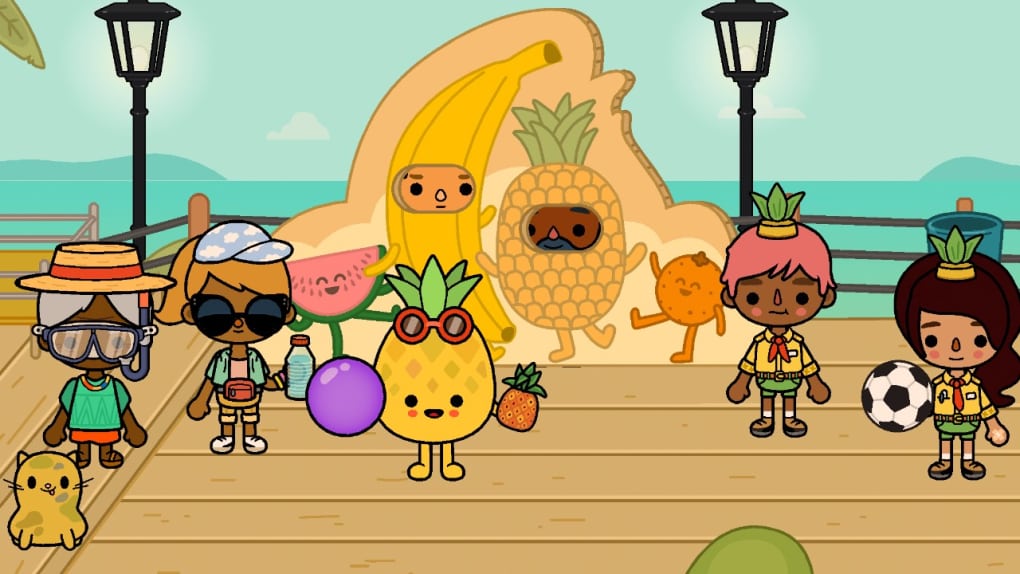
The open-ended nature of the game also promotes several valuable developmental skills. Children are encouraged to think creatively, solve problems, and express themselves through storytelling. The act of creating and narrating their own stories helps children develop their language skills, enhances their imagination, and fosters their creativity. By designing their own scenarios and interactions, children develop critical thinking skills and learn to apply their knowledge in unique ways. These skills extend far beyond the confines of the game, influencing their overall cognitive development.
Sharing and Social Interaction
Toca Life: Vacation also offers a feature for sharing created storyboards. Children who have developed a narrative they are proud of can record their creations and share them through various social media channels. This aspect introduces children to the concept of digital sharing, allowing them to express themselves to a wider audience. However, parental supervision is recommended, particularly when sharing content online, to ensure the safety and privacy of the child. The ease of sharing also fosters a sense of community among players, allowing children to connect and share their creative experiences. This adds a new dimension to the game, emphasizing collaboration and connection.
Pros and Cons of Toca Life: Vacation
Pros:
- Extensive Exploration: The game offers a wide variety of locations to explore, providing a diverse and engaging gameplay experience.
- Diverse Characters: The abundance of characters ensures variety in role-playing and narrative development.
- Educational Integration: Learning is seamlessly integrated into the gameplay, making the experience enriching without feeling like a lesson.
- Creative Freedom: The open-ended gameplay empowers children to become the storytellers and shape their own narratives.
- Social Sharing: The ability to share created storyboards provides a unique avenue for self-expression and connection with others.
Cons:
- Basic Graphics: While not detracting significantly from gameplay, the graphics might be considered somewhat basic compared to some modern mobile games.
- Consumerism Aspects: Some critics point to a potential emphasis on consumerism, although this aspect can be managed through parental supervision.
Conclusion
Toca Life: Vacation provides a unique and enriching experience for young children. It’s a blend of entertainment and education, where imaginative play is paramount. The game encourages creativity, problem-solving, and storytelling, all while subtly incorporating valuable learning opportunities. While some may find the graphics basic or have concerns about consumerism, the overall positive impact on a child’s development and engagement makes Toca Life: Vacation a worthwhile addition to any child’s digital toybox. The freedom to create, explore, and share enhances not only creativity but also vital social and emotional development. The potential for children to learn through play makes Toca Life: Vacation stand out in the crowded landscape of children’s mobile games. With parental guidance to navigate the social sharing aspects, Toca Life: Vacation offers a digital playground where imagination knows no bounds.
File Information
- License: “Full”
- Version: “varies-with-device”
- Latest update: “January 10, 2022”
- Platform: “Windows”
- OS: “Windows 11”
- Language: “English”
- Downloads: “5.5K”


