
Total War: Rome II, the eighth installment in the acclaimed Total War series, plunges players into the tumultuous era of the Roman Republic’s transformation into an Empire. Released in 2013, and significantly enhanced with the Emperor Edition and subsequent updates, it remains a landmark title in the grand strategy genre, offering a captivating blend of turn-based campaign management and thrilling real-time tactical battles. This in-depth exploration delves into the game’s mechanics, features, and enduring appeal, examining what makes it a classic and a must-have for strategy game enthusiasts.
A World in Turmoil: The Campaign Map
The heart of Total War: Rome II lies in its expansive campaign map, meticulously recreating the geographical landscape of the Mediterranean world during the late Republic and early Empire. Players select from a diverse roster of factions, each with unique strengths, weaknesses, and historical backgrounds, ranging from the prominent Roman families vying for control of the Republic to formidable barbarian tribes and powerful Eastern empires. This vast map presents a dynamic and challenging environment, where political maneuvering and strategic decision-making are just as crucial as military might.
The turn-based campaign unfolds across multiple years, demanding careful resource management, economic development, and diplomatic interactions. Players must construct and expand their cities, raising taxes, bolstering infrastructure, and ensuring public order. They must also manage their armies, recruiting and training various unit types, researching technologies, and forging alliances or engaging in wars to expand their territory and influence. The campaign map isn’t simply a static backdrop; it’s a living, breathing entity, reacting to player actions and presenting unforeseen challenges. Natural disasters, rebellions, and the machinations of rival factions continuously test the player’s mettle.
The intricate political system adds a layer of complexity, forcing players to navigate treacherous relationships, manage internal factions, and engage in subterfuge to secure their power. Conspiracies, assassinations, and power struggles are common occurrences, demanding a keen awareness of the political landscape and a deft hand in managing alliances and rivalries. The scale of the campaign is truly impressive; players can oversee the expansion of their empire across multiple continents, battling for dominance against a wide array of opponents and encountering diverse cultures and military strategies.
Leading Legions to Victory: Real-Time Battles
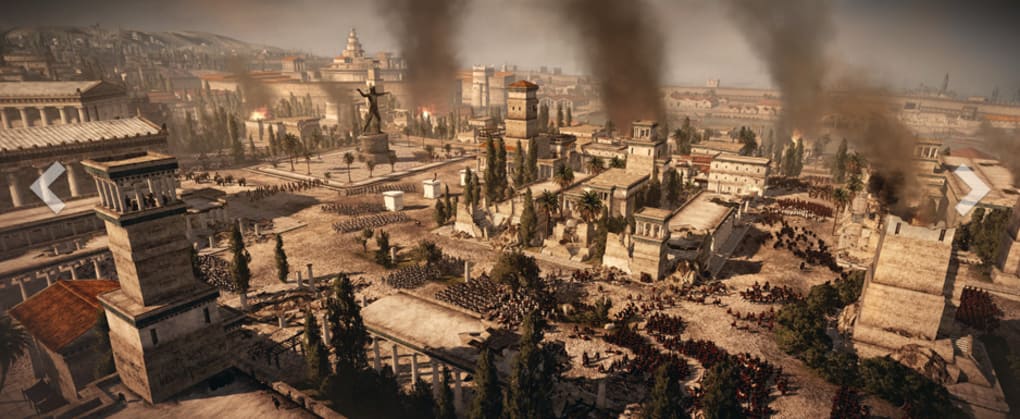
Total War: Rome II’s real-time battles are arguably its most captivating aspect, showcasing stunning visuals and engaging tactical gameplay. Players command massive armies, often numbering tens of thousands of soldiers, in epic clashes across diverse terrains. The battles demand strategic thinking, precise maneuverability, and an understanding of unit strengths and weaknesses. From the disciplined Roman legions to the ferocious barbarian hordes, each unit type possesses unique attributes that influence battle tactics.
The game’s battle engine allows for a deep level of tactical control. Players can directly command individual units, issue orders, utilize specialized abilities, and adapt their strategies in response to enemy movements and battlefield conditions. The AI presents a formidable challenge, employing intelligent tactics and reacting dynamically to player actions. Successful commanders must master the art of flanking maneuvers, utilizing terrain to their advantage, and coordinating their forces effectively to secure victory.
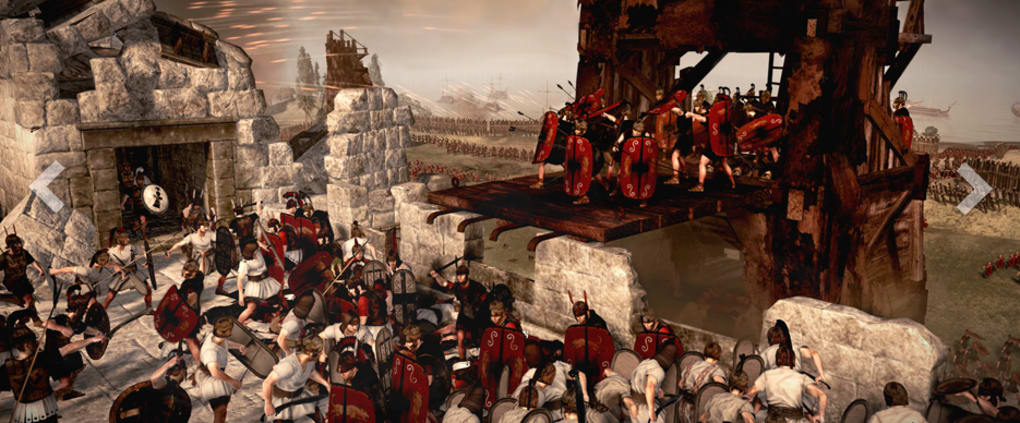
The visual spectacle of these battles is simply breathtaking. The detailed troop models, the realistic animations, and the immersive sound design create a compelling atmosphere, making each encounter a memorable experience. The battles range from small-scale skirmishes to enormous clashes involving countless soldiers, siege weaponry, and naval engagements. Each battle requires meticulous planning and precise execution, testing the player’s strategic abilities to the limit.
The Emperor Edition and Beyond: Continuous Improvement
The release of the Emperor Edition marked a significant turning point for Total War: Rome II. This enhanced version included a plethora of improvements and additions, addressing many of the criticisms leveled against the original game. The political system underwent a substantial overhaul, becoming more refined and engaging. Building chains were revised, providing players with more strategic options for city development. Battles were rebalanced, ensuring a fairer and more challenging experience. The visuals were also significantly enhanced, providing players with an even more immersive and visually stunning experience.
Beyond the Emperor Edition, the game continued to receive numerous updates and DLC packs, introducing new factions, units, and campaign mechanics. These additions ensured that the game remained relevant and engaging long after its initial release. The sheer amount of content available for Total War: Rome II attests to its longevity and the developers’ commitment to continuously improving the game and satisfying the player base. This consistent support has solidified its position as a classic in the grand strategy genre.
A Legacy of Conquest: Enduring Appeal
Total War: Rome II’s enduring appeal stems from its unique combination of elements: the vast and challenging campaign map, the thrilling and visually impressive real-time battles, and the depth of strategic and tactical options available to players. It’s a game that demands dedication and careful planning, rewarding players who invest the time and effort to master its complexities.
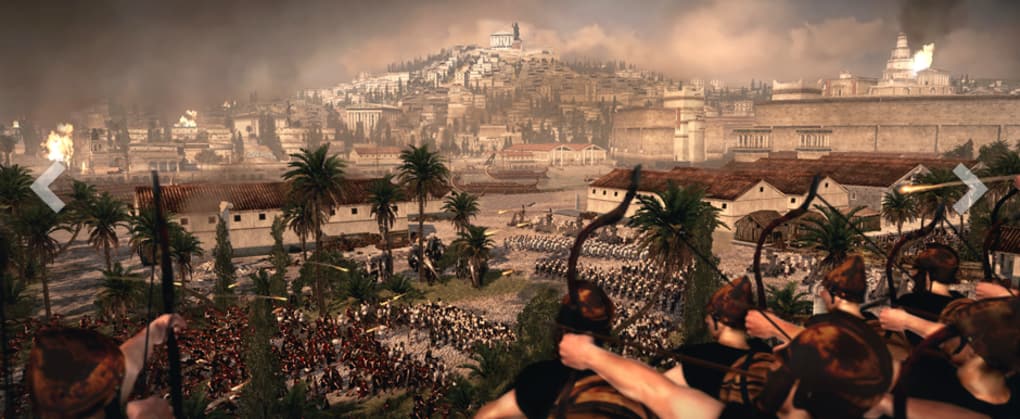
The game’s historical setting, meticulously researched and accurately depicted, adds another layer of appeal. Players immerse themselves in the vibrant world of the Roman Republic and Empire, encountering a rich array of cultures, historical figures, and military traditions. This immersive aspect allows players to experience a period of history known for its political intrigue, military dominance, and cultural significance. The breadth of factions available presents a wealth of different playstyles, encouraging replayability and exploration of various historical scenarios.
Furthermore, the game boasts excellent replayability. With numerous factions to choose, each offering a distinct play experience, and the dynamic nature of the campaign, no two playthroughs are ever exactly alike. The game’s depth and complexity provide ample opportunities for players to discover new strategies, overcome challenges, and rewrite their own chapters in Roman history. Even seasoned strategy game veterans will find themselves challenged and entertained by the depth and intricacy of Total War: Rome II.
In conclusion, Total War: Rome II stands as a testament to the enduring appeal of grand strategy games. Its combination of a vast and intricate campaign map, thrilling real-time battles, and deep strategic and tactical gameplay continues to captivate players years after its release. The Emperor Edition and subsequent updates have further refined and enhanced the game, solidifying its position as a classic title and a must-have for any fan of the genre. The historical setting, diverse factions, and high level of replayability contribute to its enduring charm, ensuring that Total War: Rome II remains a compelling and rewarding experience for players of all skill levels.
File Information
- License: “Full”
- Latest update: “June 14, 2023”
- Platform: “Windows”
- OS: “Windows Vista”
- Language: “English”
- Downloads: “67.6K”


