
In an increasingly complex digital landscape dominated by high-octane action and intricate narratives, there’s a unique charm in games that offer a serene yet profoundly engaging experience. “Tracks: The Train Set Game,” developed by Whoop Group and published by Excalibur Games, carves out such a niche, presenting players with a delightful sandbox simulation that harkens back to the simpler joys of childhood. This premium PC title (also available on Xbox One) transforms the classic hobby of model train building into an expansive, imaginative virtual playground. It’s a game where the only real limit is your own creativity, allowing you to construct intricate railway systems, populate vibrant towns, and even drive your own wooden trains with a sense of playful abandon.
Unlike the hyper-realistic demands of titles such like “Train Simulator” or “Train Simulator World,” “Tracks: The Train Set Game” embraces a more casual and whimsical approach. It eschews the minutiae of authentic railway operations for the boundless freedom of a toy sandbox. The aesthetic is charmingly minimalist, reminiscent of wooden toys and miniature landscapes, inviting players of all ages to indulge their inner engineer. Whether you’re a seasoned model train enthusiast seeking a digital outlet for your passion or a newcomer simply looking for a relaxing and creative pastime, “Tracks” offers an accessible and deeply satisfying journey into a world of your own making. From laying down the first segment of track to orchestrating a bustling network of trains, every aspect of the game is designed to foster imagination and provide a therapeutic escape.
Tracks: A Gateway to Virtual Model Building
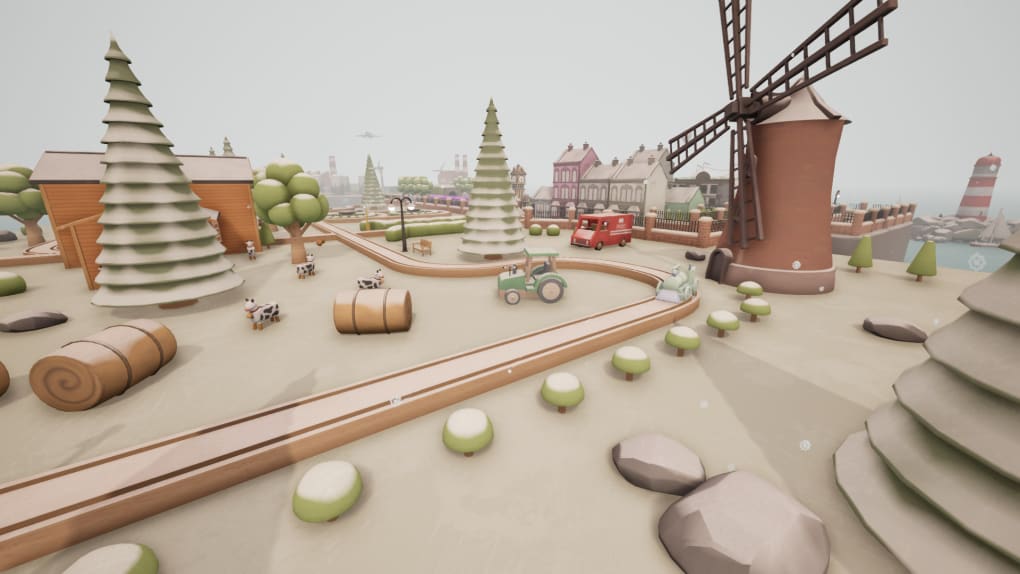
The allure of model train sets has captivated generations. The meticulous crafting of landscapes, the precise laying of tracks, and the joy of watching a miniature locomotive traverse a world you’ve built with your own hands are profoundly satisfying. “Tracks: The Train Set Game” distills this timeless hobby into a video game format, offering an unprecedented level of freedom and creative tools that would be impractical or impossible in the physical world. It presents players with a blank canvas – a vast sandbox environment – and empowers them to shape it entirely to their will.
The core gameplay loop revolves around construction and exploration. Players begin with an empty space, or can choose from several pre-made environments that offer a starting point. The primary objective, if there ever truly is one in a sandbox game, is to design a railway system. This isn’t just about connecting two points; it’s about crafting an entire ecosystem. You lay down tracks, piece by piece, forming simple loops, complex networks, or sprawling crisscross patterns. The intuitive building mechanics ensure that the focus remains on creativity rather than wrestling with complicated controls. Curved tracks, straight segments, junctions, and inclines snap together effortlessly, allowing your vision to materialize with ease.
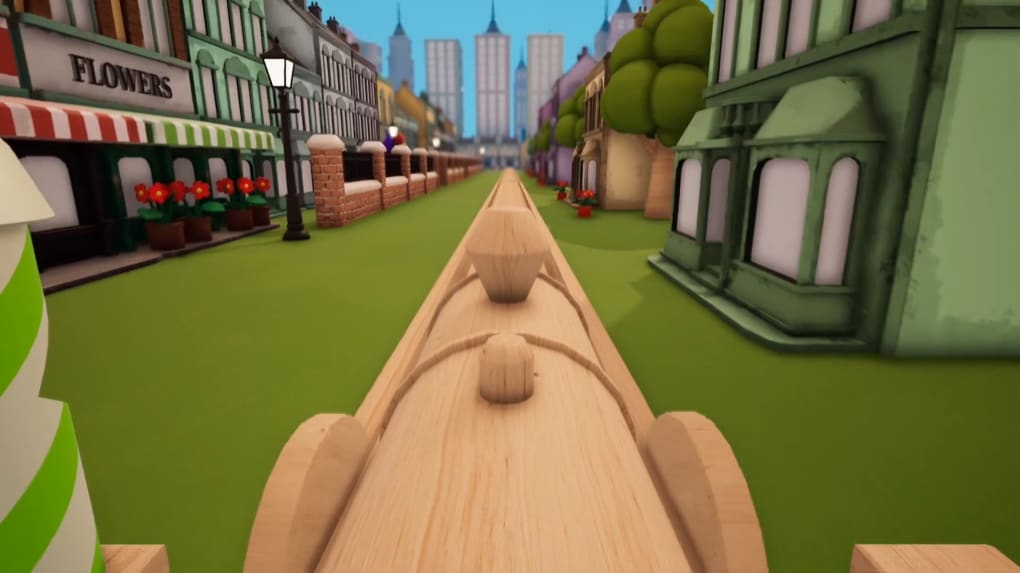
Once a rudimentary track system is in place, the real fun begins. You can summon a classic wooden train and manually drive it along your newly built railway. This hands-on experience is one of the game’s greatest strengths. It’s not merely about observing; it’s about active participation. You control the speed, the direction, and even the horn, getting an immediate feel for how your design functions. This iterative process of building, testing, and refining is endlessly engaging. If a corner is too tight, or an incline too steep, you can easily go back into building mode and adjust your layout, constantly optimizing for both efficiency and aesthetic appeal.
Beyond the tracks themselves, “Tracks: The Train Set Game” offers an extensive array of elements to populate your world. You can construct towns with various buildings, from quaint houses to bustling stations, creating destinations for your trains. Bridges allow you to span rivers and valleys, adding verticality and visual interest to your landscape. The game also provides a plethora of props and scenery elements, including trees, lampposts, vehicles, and even passengers waiting at platforms. These elements transform a mere track layout into a living, breathing miniature world, inviting narratives and scenarios to unfold within your imagination. Imagine a busy industrial area connected to a quiet residential town, with your trains dutifully ferrying goods and people between them. The possibilities for storytelling through environmental design are immense.
The Art of Railway Simulation and Sandbox Creativity
At its heart, “Tracks” is a fascinating blend of simulation and pure sandbox creativity. While it doesn’t aim for the stringent realism of dedicated train simulators, it successfully simulates the creative process of model building. The ‘simulation’ aspect comes from the need to create functional railway lines, ensuring trains can navigate the terrain, reach stations, and perhaps even transport passengers. The player becomes an urban planner, an architect, and a logistics manager all at once. Every piece of track laid, every building placed, and every town established contributes to a larger, coherent system.
The sandbox nature, however, is where the game truly shines. There are no predefined goals, no missions to complete, and no scores to chase. Your only objective is to build whatever you envision. This freedom is liberating, allowing for experimentation and spontaneous creativity. Do you want to build a realistic replica of a real-world railway? Go for it. Do you prefer to construct a fantastical landscape with gravity-defying ramps and trains zooming at absurd speeds for fun? The game encourages that too. The inclusion of ramps, for instance, adds a layer of playful anarchy, allowing players to perform stunts and simply enjoy the thrill of speed without consequence. It’s this balance between structured construction and unrestrained play that makes “Tracks” so appealing across different age groups and preferences.
The game fosters an environment of continuous iteration and expansion. Starting with a basic track layout, players can gradually expand their world, adding complexity and detail as their ideas evolve. This organic growth mirrors the way many real-world model train enthusiasts start with a simple circuit and slowly build out an elaborate diorama over years. The virtual format, however, accelerates this process and removes physical limitations, allowing for rapid prototyping of ideas and the creation of worlds that would be impossible to house in a physical space. The potential for creation is truly limited only by the player’s imagination, providing a digital toolkit for boundless railway adventures.
Beyond the Tracks: Expanding Your Virtual World
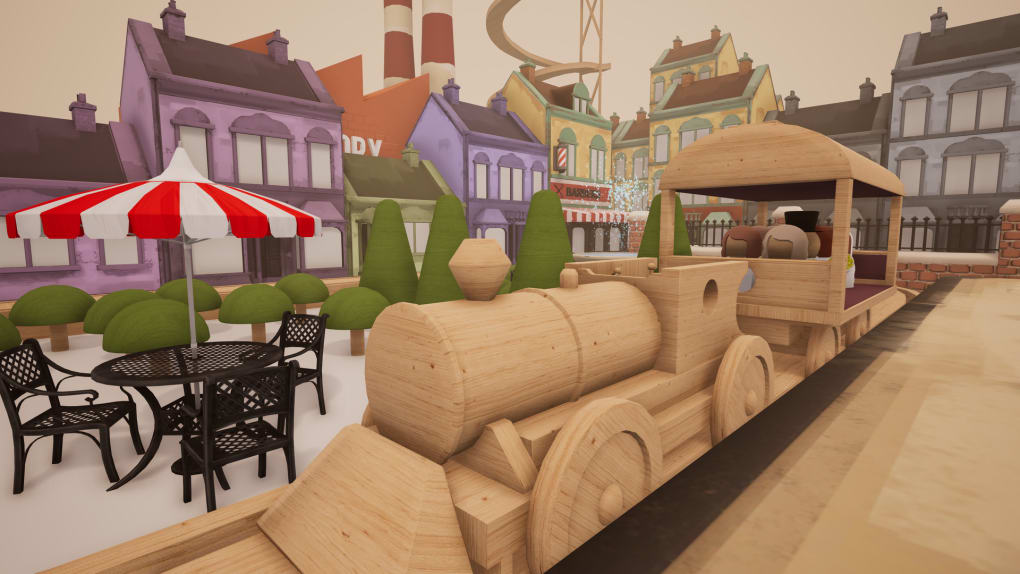
“Tracks: The Train Set Game” isn’t just about trains; it’s about crafting a complete miniature world. The depth of customization available allows players to go far beyond mere track laying and delve into intricate environmental design. This rich toolkit empowers creators to imbue their railway empires with personality and purpose, transitioning from simple layouts to expansive, living dioramas.
The game offers a diverse palette of objects and structures to populate your sandbox. You can choose from various types of trees, bushes, and natural formations to create lush forests, arid deserts, or rolling hills. Different architectural styles for buildings – residential, commercial, industrial – allow for the creation of distinct urban and rural areas. Streetlights, benches, cars, and even small animated figures contribute to the illusion of a bustling, active world. This level of detail transforms the experience from a mere mechanical exercise into an artistic endeavor, where players can meticulously craft every corner of their digital domain.
One of the most satisfying aspects of expanding your world is seeing the interaction between your railway system and the environment you’ve designed. Building a bridge over a carefully sculpted river, laying tracks through a tunnel carved into a mountain, or designing a station square that integrates seamlessly with a town’s layout – these are the moments where the game’s creative potential truly shines. Players can experiment with different terrains, elevating or depressing sections of the landscape to create dynamic routes, or designing complex multi-level interchanges that challenge their spatial reasoning and planning skills.
The game’s open-ended nature means that there’s no “right” way to play. Some might meticulously plan every track segment and every tree placement for a perfectly balanced scene, akin to a landscape architect. Others might engage in more experimental building, creating bizarre and wonderful contraptions, like roller coaster-esque tracks that launch trains into the air. The beauty lies in this versatility; “Tracks” adapts to the player’s preferred style, whether it’s systematic construction or spontaneous artistic expression.
From Simple Circuits to Grand Networks: Design and Strategy
While “Tracks: The Train Set Game” emphasizes creative freedom, there’s an inherent element of design and strategy that emerges as players strive to build more ambitious railway networks. Beginning with a simple loop is easy, but connecting multiple towns, incorporating diverse industries, and managing passenger flow requires thoughtful planning. This is where the game subtly introduces strategic thinking, even within its playful framework.
Consider the challenge of passenger transport. If you aim to cater to the travel needs of passengers, you must strategically place train stops and stations within or near the towns you build. Then, you need to design routes that efficiently connect these points, minimizing travel time while avoiding congestion. This might involve creating branching lines, bypasses, or even multi-track segments to handle increased traffic. The placement of junctions becomes crucial, as does the consideration of track gradients, which can affect train speed.
Similarly, if you’re building an industrial complex, you might need to design a railway system that can efficiently move goods from one point to another. This could involve creating specific sidings for loading and unloading, or developing freight lines that avoid passenger routes. The scale of these endeavors can range from a small, self-contained system to a vast, interconnected network spanning the entire map. Each expansion brings new design challenges and opportunities for creative problem-solving.
This strategic layer, while not overtly enforced, provides a deeper sense of accomplishment. Successfully designing a complex system that functions smoothly and efficiently is a rewarding experience, blending the artistic satisfaction of creation with the intellectual satisfaction of engineering. It’s a testament to the game’s depth that it can accommodate both casual, spontaneous play and more deliberate, strategic construction, appealing to a wide spectrum of players who appreciate different facets of game design. The constant iteration—building, testing, modifying—becomes a natural progression, encouraging players to push the boundaries of their creativity and engineering prowess.
A Game for Every Enthusiast: Accessibility and Appeal
“Tracks: The Train Set Game” truly shines in its broad appeal. While it might be intuitively attractive to those who have an affinity for train sets or miniature models, its accessible gameplay and forgiving sandbox environment make it enjoyable for practically anyone. It’s a game that transcends traditional age barriers, offering something valuable to children, teenagers, and adults alike.
For younger players, “Tracks” acts as an excellent creative outlet. It encourages problem-solving, spatial reasoning, and imaginative play in a safe, digital environment. Building a track, designing a town, and watching their creations come to life can be incredibly empowering and educational. The simple controls and intuitive building mechanics mean that children can jump in and start creating without a steep learning curve, fostering a sense of accomplishment and developing foundational design skills. The vibrant, toy-like aesthetic is also highly engaging for this demographic, making it feel like a virtual playroom.
Adults, particularly those who grew up with physical train sets, will find a strong sense of nostalgia in “Tracks.” It offers a guilt-free way to revisit a beloved hobby without the constraints of space, cost, or storage. The game allows for the realization of grand railway dreams that might be impossible in the real world, from intricate multi-level layouts to sprawling landscapes filled with thousands of tiny details. Beyond nostalgia, the game provides a deeply relaxing and meditative experience. The act of creation, free from pressure or external objectives, can be a therapeutic escape from daily stresses. It’s an opportunity to unwind, focus on a creative task, and witness the gradual emergence of a world of your own design.
Moreover, the game’s open-ended design means there’s inherent replayability. Each new session can bring a fresh idea, a different theme, or a new challenge to tackle. Players can share their creations online, drawing inspiration from others and showcasing their own ingenuity, further extending the game’s lifespan and fostering a sense of community. Whether you want to build a quaint rural railway, a bustling city transport system, or a zany, stunt-filled track, “Tracks” provides the perfect canvas. Its universal charm lies in its ability to cater to diverse motivations – from pure fun and relaxation to creative expression and gentle strategic planning.
The PhanMemFree Perspective: User Experience and Game Performance
From the perspective of PhanMemFree, a platform dedicated to software and game reviews, “Tracks: The Train Set Game” represents a compelling package that largely delivers on its promises. As a premium simulation game for PC, it offers a robust experience for its price point. The game’s security status is generally positive, and it receives favorable user ratings, typically hovering around 5 out of 5 stars based on available data, indicating a high level of user satisfaction.
The game boasts excellent performance specifications. It is a full version title, last updated on June 14, 2023, ensuring that it remains current and free from major bugs. It is primarily developed for Windows, specifically Windows 10, but its availability on other platforms like Xbox One extends its reach. The game is offered in English, but also supports a wide array of other languages including German, Russian, Chinese, Japanese, Spanish, French, Italian, and Korean, making it accessible to a global audience. The download numbers, such as 2.6K downloads overall and 81 in the last month (as per PhanMemFree’s data), suggest a steady and engaged player base.
Key Strengths (Pros):
- Fun and Relaxing Gameplay: This is consistently highlighted by users and is central to the game’s appeal. The meditative act of building combined with the joy of driving trains creates a genuinely enjoyable experience.
- Plenty of Customization Options: The extensive range of building elements, terrain tools, and decorative items empowers players with immense creative freedom, ensuring that no two railway worlds are ever quite the same.
- Manually Drive Trains Yourself: The ability to directly control the trains adds an interactive layer that goes beyond mere observation, making the player feel truly connected to their creation. This hands-on element is a significant differentiator from many passive building games.
Areas for Improvement (Cons):
- Clunky and Unintuitive Game Interface: While the core building mechanics are intuitive, some parts of the game’s interface can be a little clunky or unintuitive. This might occasionally interrupt the flow of creation, particularly for new players who are still learning the ropes. Improving the UI/UX could enhance the overall smoothness of the gameplay experience.
Despite this minor drawback, the overwhelming sentiment surrounding “Tracks: The Train Set Game” is positive. The developer, Excalibur Games, has created a niche title that resonates deeply with its target audience and manages to attract a broader casual player base due to its charm and accessibility. On PhanMemFree.org, it stands out as a recommended game for anyone looking for a creative, calming, and endlessly replayable experience in the realm of simulation and sandbox games. Its unique blend of toy-like aesthetics with powerful building tools positions it as a standout choice in the digital leisure market, proving that sometimes, the simplest pleasures can offer the most profound satisfaction.
In conclusion, “Tracks: The Train Set Game” is more than just a game; it’s a digital ode to the timeless joy of model train building. It provides an expansive canvas for imagination, a therapeutic escape, and a platform for boundless creativity. Whether you’re carefully laying tracks to connect bustling towns, designing a fantastical railway for high-speed stunts, or simply unwinding by watching your tiny locomotives traverse a world you’ve meticulously crafted, “Tracks” offers an enriching and thoroughly enjoyable experience that is limited only by the extent of your own ingenuity. It’s a testament to the power of well-executed sandbox mechanics and a celebration of a cherished hobby, brought to life with charming simplicity and endless possibilities.
File Information
- License: “Full”
- Version: “varies-with-devices”
- Latest update: “June 14, 2023”
- Platform: “Windows”
- OS: “Windows 10”
- Language: “English”
- Downloads: “2.6K”


