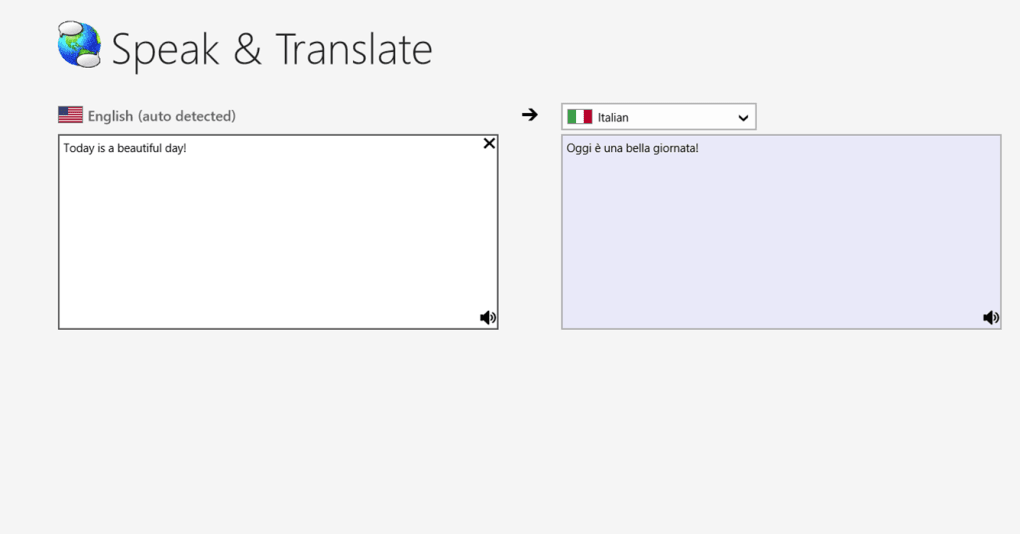
The world has become increasingly interconnected, fostering communication across geographical boundaries and cultural divides. This interconnectedness necessitates effective tools for bridging the language barrier, and translation software has emerged as a vital component in this global communication landscape. This article explores the multifaceted world of translation software, examining its capabilities, limitations, and the ever-evolving technological advancements driving its development.
The Rise of Machine Translation: From Rudimentary to Sophisticated
Early machine translation systems were often characterized by literal, nonsensical output, failing to grasp the nuances of language and context. These early attempts, however, laid the groundwork for the sophisticated systems we see today. The advent of advanced algorithms, particularly those based on deep learning and neural networks, has revolutionized the field. Modern translation software leverages vast datasets of text and code to learn intricate patterns in language, leading to more accurate, fluent, and contextually appropriate translations.
These advancements have propelled machine translation beyond simple word-for-word substitutions. Current systems are capable of understanding idioms, colloquialisms, and even subtle shifts in tone, resulting in translations that are significantly more natural and human-like. The integration of artificial intelligence (AI) has further enhanced these capabilities, allowing software to adapt to different writing styles, maintain consistency across large volumes of text, and even learn from user feedback to continuously improve accuracy.
Key Features and Capabilities of Modern Translation Software
Modern translation software offers a wide array of features designed to streamline the translation process and enhance user experience. These features often include:
-
Multilingual Support: The ability to translate between a vast number of language pairs is a cornerstone of effective translation software. High-quality systems support dozens, even hundreds, of languages, catering to a diverse user base. This broad linguistic coverage is crucial for facilitating global communication.
-
Real-time Translation: The capacity for immediate translation is a significant advantage, particularly in scenarios requiring quick turnaround times. Real-time translation is invaluable for applications such as live chat, video conferencing, and simultaneous interpretation. This speed and efficiency significantly reduce delays in communication.
-
Contextual Awareness: The ability to interpret meaning within its context is essential for accurate translation. Sophisticated algorithms analyze surrounding words and sentences to understand the intended meaning, ensuring that the translation accurately reflects the source text’s intent.
-
Specialized Dictionaries and Glossaries: Many advanced translation tools incorporate specialized dictionaries and glossaries tailored to specific fields or industries. This feature is crucial for maintaining accuracy and consistency when translating technical documentation, legal texts, or medical reports, where precise terminology is paramount. The use of these specialized resources helps to avoid misinterpretations that could have significant consequences.
-
Image and Speech Translation: Beyond text-based translation, many modern tools offer the capability to translate images and speech. This functionality expands the application of translation software, allowing users to translate signs, documents, or conversations seamlessly. The ability to translate visual content opens up new opportunities for accessing information and interacting with diverse communities.
-
Translation Memory: Translation memory is a valuable feature that stores previously translated segments of text. This functionality streamlines the translation process by reusing existing translations, ensuring consistency and reducing redundancy. This also improves efficiency and reduces overall translation costs.
-
Computer-Assisted Translation (CAT) Tools: CAT tools integrate multiple features like translation memory, terminology management, and quality assurance checks, creating an integrated workflow for professional translators. This collaborative approach ensures high accuracy and consistency across large translation projects.
Limitations and Challenges of Translation Software
Despite the remarkable progress in machine translation, several limitations and challenges remain:
- Nuance and Idiom Handling: While AI has significantly improved the handling of idioms and nuances, accurately capturing the subtleties of language remains a challenge. The context-dependent nature of language necessitates further advancements in AI and natural language processing (NLP) to eliminate these inconsistencies.
-
Cultural Context: Beyond the words themselves, cultural context significantly impacts meaning. Translation software may struggle to accurately convey cultural nuances, leading to misinterpretations or unintended consequences. This requires ongoing research and development to improve the understanding and representation of cultural aspects in translation.
-
Ambiguity Resolution: Language often contains ambiguity; a single word or phrase can have multiple meanings. Resolving this ambiguity reliably requires a deeper understanding of context and intent, which remains an active area of research.
-
Domain-Specific Terminology: While specialized dictionaries and glossaries help, consistently handling highly technical or domain-specific terminology is still a significant challenge. This necessitates continuous updates and improvements to the knowledge bases used by translation software.
The Future of Translation Technology
The future of translation software is bright, driven by ongoing advancements in AI, machine learning, and natural language processing. Several key areas of development will shape this future:
-
Enhanced Contextual Understanding: Further refinement of algorithms and the use of larger datasets will enable more accurate and nuanced contextual understanding, leading to more natural-sounding translations.
-
Improved Handling of Idioms and Colloquialisms: The development of sophisticated algorithms capable of recognizing and accurately translating idioms and colloquialisms will significantly enhance the quality of translations.
-
Multilingual and Cross-Cultural Understanding: The integration of cultural knowledge into translation models will address the limitations in accurately representing cultural context.
-
Personalized Translation: The development of systems that adapt to individual user preferences and writing styles will lead to more customized and effective translation experiences.
-
Integration with Other Technologies: Translation software will become increasingly integrated with other technologies, such as virtual reality (VR), augmented reality (AR), and voice assistants, creating seamless multilingual communication experiences.
Bing Translator: A Case Study
Bing Translator, previously available as a standalone application for Windows, represents a notable example of machine translation software. While the standalone application is no longer available, its functionalities have been incorporated into other Microsoft products and services. Its key features included support for a wide range of languages, real-time conversation mode, image translation, and a phrasebook. Its integration with Microsoft products ensured broad accessibility and convenience for users.
However, like all translation software, Bing Translator had its limitations. While generally accurate, complex sentences or nuanced language could occasionally lead to less-than-perfect translations. This highlights the ongoing need for refinement in translation technology. The discontinuation of the standalone app may indicate a strategic shift toward integrating translation capabilities into other platforms and services, emphasizing seamless user experience and cross-platform accessibility. This approach reflects a broader industry trend towards integrating translation functionalities into widely used applications and services rather than maintaining standalone applications.
In conclusion, translation software has undergone a dramatic transformation, evolving from rudimentary systems to sophisticated AI-powered tools capable of bridging language barriers with remarkable accuracy. While challenges remain, the ongoing advancements in technology promise a future where seamless, accurate, and culturally sensitive translation becomes the norm, fostering even greater global communication and understanding.
File Information
- License: “Free”
- Latest update: “July 17, 2025”
- Platform: “Windows”
- OS: “Windows 8.1”
- Language: “English”
- Downloads: “10.1K”