
Train Simulator games offer a captivating blend of realism and entertainment, allowing players to experience the thrill of operating locomotives across diverse landscapes and intricate railway networks. From mastering the complexities of train control to immersing themselves in meticulously crafted environments, these simulations cater to a wide spectrum of players, from casual enthusiasts to dedicated rail fanatics. This article explores the world of train simulation, focusing on the features, challenges, and overall experience offered by these increasingly sophisticated games.
The Allure of the Rails: Why Train Simulators Captivate
The appeal of train simulators lies in their ability to fulfill a unique set of desires. For many, it’s the chance to live out a childhood dream of controlling a powerful locomotive, navigating complex routes, and experiencing the sheer magnitude of rail travel firsthand. The sense of responsibility—ensuring the safe and timely transport of passengers or cargo—adds a layer of depth and engagement often absent from other simulation genres.
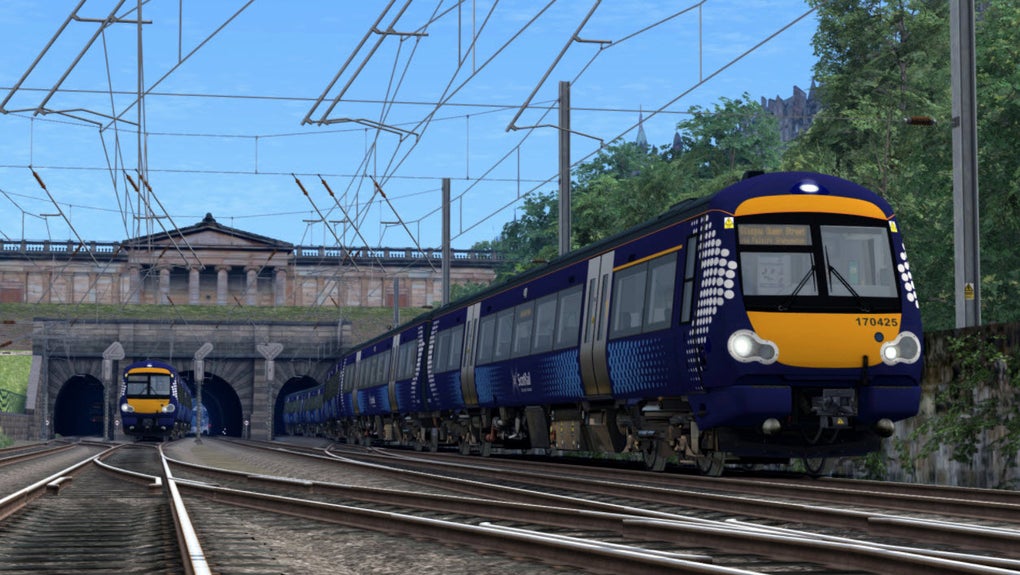
Beyond the simple act of driving, train simulators offer a surprisingly rich and varied experience. The meticulous detail in the recreation of locomotives and routes fosters a sense of immersion, transporting players to realistic settings brimming with atmospheric sounds and visuals. Whether it’s the rhythmic chugging of a steam engine, the hum of an electric locomotive, or the breathtaking vistas passing by the window, these games evoke a powerful sense of place and presence.
The learning curve, while initially steep for some, adds another layer of satisfaction. Mastering the intricate controls, understanding signaling systems, and managing various aspects of train operation presents a significant challenge, rewarding players with a sense of accomplishment as they progress. This learning process is further enhanced by the community aspect of many train simulators, with players sharing tips, strategies, and custom-created content to further enrich the experience.
Game Mechanics and Controls: A Realistic Approach
Train simulators strive for realism in their depiction of train operation. Players aren’t simply steering a vehicle; they’re managing a complex system requiring attention to detail and precise control. Many games offer different control schemes, ranging from simplified interfaces ideal for casual players to highly realistic simulations catering to experts.
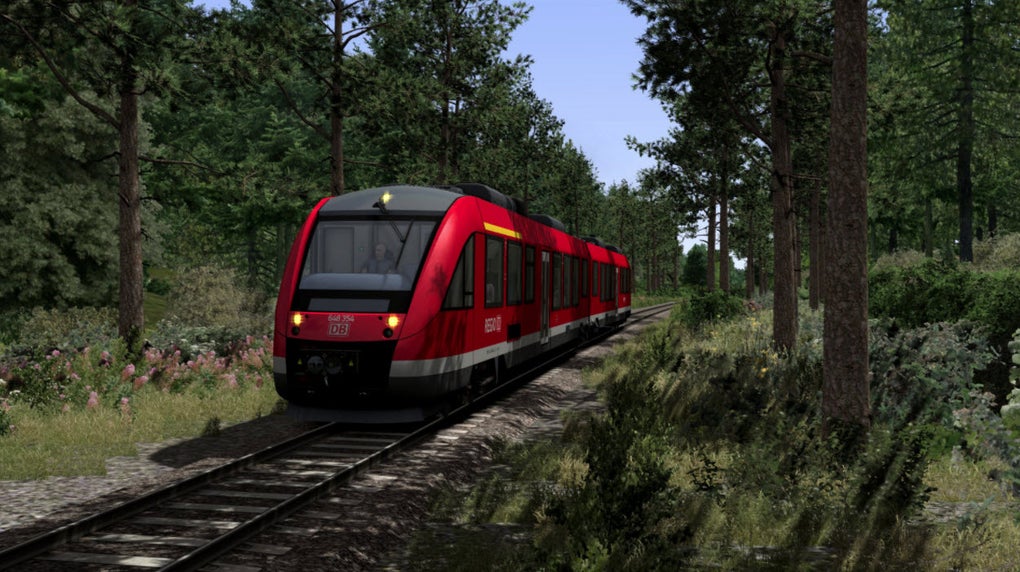
Controlling the speed, braking, and acceleration of the train is paramount. Players must carefully monitor the train’s speed to avoid exceeding limits, accurately judge braking distances to reach stations or signals on time, and manage the power output to maintain optimal performance across varied terrain. Understanding and adhering to signaling systems is crucial to avoid collisions and maintain safety.
The level of detail varies between different train simulators. Some games prioritize simplicity, offering easier controls and more forgiving gameplay, while others delve into the intricacies of train mechanics, requiring players to manage aspects such as fuel consumption, engine temperature, and the precise adjustment of various controls within the locomotive’s cab. This range caters to the diverse skill levels and preferences of players. Furthermore, many simulators include tutorials and in-game assistance to help players gradually learn the ropes.
Exploring the World: Routes, Locomotives, and Environments
One of the defining characteristics of train simulators is the variety of routes and locomotives they offer. These games transport players to diverse locales, ranging from picturesque countryside to bustling cityscapes, each meticulously recreated to offer a sense of authenticity.
The level of detail extends to the locomotives themselves. From classic steam engines to modern high-speed trains, simulators strive for accuracy in their representation of the vehicles, both in terms of their external appearance and internal mechanisms. Players often have the opportunity to choose from a range of locomotives with distinct performance characteristics, requiring different driving techniques and strategies.
The quality of the environments plays a crucial role in enhancing the immersion. Many simulators utilize sophisticated rendering techniques to create realistic landscapes, complete with detailed textures, realistic lighting, and dynamic weather effects. The attention to detail extends beyond the visual aspects, with realistic sound design playing a crucial role in creating an immersive atmosphere. The sounds of the train, the surrounding environment, and even the announcements made inside the train enhance the overall authenticity and make the experience significantly more engaging.
The DLC Factor: Expanding the Horizons
Many train simulators utilize a downloadable content (DLC) model to expand their offerings. This approach allows developers to continuously update the game with new routes, locomotives, and scenarios, providing players with a constantly evolving experience.
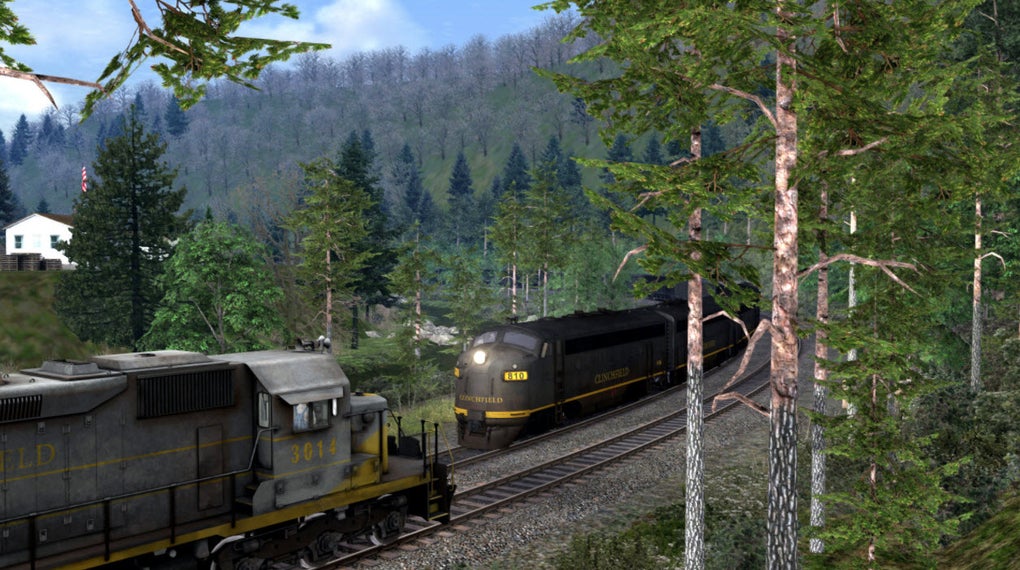
While this model allows for significant expansion of the game’s content, it also leads to potential drawbacks. The cost of purchasing DLC can accumulate over time, potentially making the game more expensive for players who wish to fully experience all that it offers. The sheer volume of DLC available can also feel overwhelming, making it difficult for players to decide which content to prioritize.
Nevertheless, the DLC model offers a compelling approach to ensuring a game’s longevity and relevance. By continuously adding new content, developers keep the game fresh and exciting, preventing it from becoming stagnant. This approach also allows for a greater degree of customization, enabling players to tailor their experience to their own preferences and interests. The community aspect of many train simulator games further enhances the value proposition of DLC, as user-created content and modifications often add to the available choices.
Beyond the Tracks: Community and Customization
A vibrant community surrounds many train simulators. Players share their experiences, exchange tips and tricks, and even create and share their own custom-made content. This community-driven aspect extends the lifespan of these games, constantly enriching the overall experience.
This community creates and shares custom scenarios, routes, and even locomotives, offering a significant expansion beyond what developers provide. This user-generated content often showcases incredible skill and creativity, demonstrating the depth and potential of the game’s engine.
Many simulators also support modding, enabling players to further customize their experience. Mods can add new features, enhance existing elements, or even completely overhaul aspects of the game. This flexibility allows players to tailor the game to their precise preferences, increasing replayability and fostering a more personalized experience.
The Future of Train Simulation: Enhanced Realism and Immersive Experiences
The future of train simulators points towards even greater realism and immersive experiences. Advancements in game engine technology, coupled with the continued development of virtual reality (VR) technology, promise to push the boundaries of what’s possible.
VR integration offers the potential for significantly enhanced immersion, allowing players to feel like they are truly inside the locomotive cab, surrounded by the sights and sounds of the train and the surrounding environment. This enhanced level of immersion could significantly elevate the sense of presence and realism within the simulation.
Continued improvements in graphics and sound design will also contribute to more realistic and believable environments. More detailed textures, realistic weather effects, and dynamic lighting will further enhance the immersive quality of these games. The integration of sophisticated AI systems could further enhance realism by providing more dynamic and unpredictable interactions within the simulated world.
Conclusion: All Aboard for a Realistic Rail Journey
Train simulators provide a unique and engaging form of entertainment, appealing to a broad spectrum of players. Whether it’s the meticulous recreation of locomotives and routes, the challenge of mastering complex controls, or the immersive nature of the experience, these games offer a captivating blend of realism and entertainment. The active communities surrounding many simulators further enhance the experience, fostering a sense of shared passion and collective creativity. As technology continues to advance, the future promises even more realistic and immersive train simulation experiences, ensuring the continued appeal of this fascinating niche genre.
File Information
- License: “Full”
- Version: “2021”
- Latest update: “June 24, 2024”
- Platform: “Windows”
- OS: “Windows 8”
- Language: “English”
- Downloads: “195.5K”


