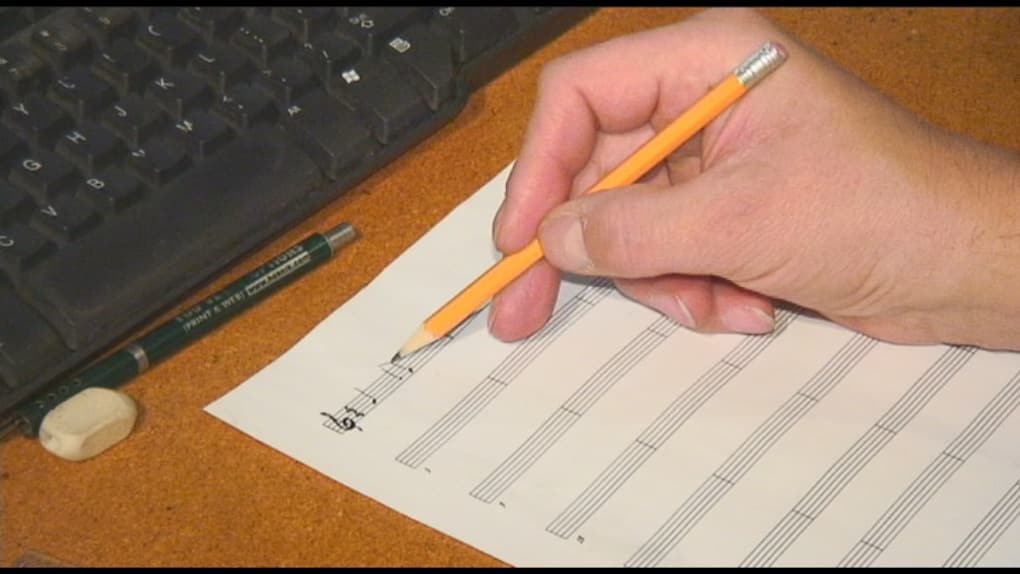
Transcribe! is a cross-platform audio transcription software application designed to convert recorded audio into text. While primarily known for its ease of use in transcribing music notation and speech from various audio sources, its capabilities extend beyond these specific applications. This comprehensive review will explore its features, strengths, weaknesses, and compare it to alternative software options available in the market.
Transcribe!’s Core Functionality and Features
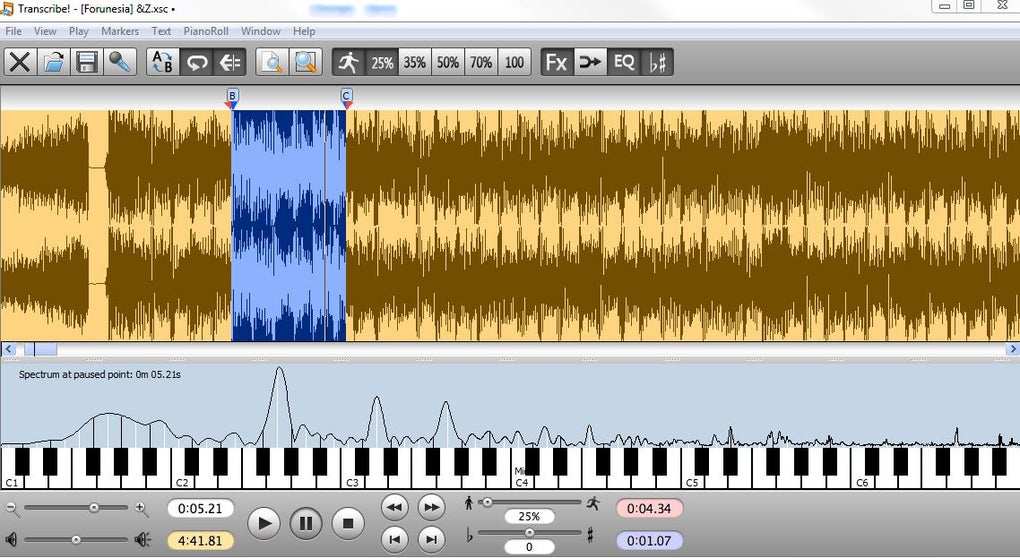
At its core, Transcribe! provides a straightforward method for converting audio files into text. This functionality is its primary selling point, catering to a diverse user base, including musicians, students, journalists, and researchers. The software allows users to import audio files in various formats, and then employs its algorithms to generate a corresponding textual representation of the audio content. The software doesn’t claim perfect accuracy, but rather aims to provide a useful starting point for transcription, requiring user review and correction where necessary.
One of the key strengths of Transcribe! lies in its multiple transcription methods. While the specifics of these methods aren’t explicitly detailed, the implication is that the software offers varying levels of accuracy and processing approaches to cater to the nuances of different audio types. This adaptability is crucial, considering the significant variations between clean studio recordings and noisy, ambient recordings. The software’s ability to handle these variations efficiently is a significant advantage over simpler, less sophisticated transcription tools.

Furthermore, Transcribe! integrates a built-in audio playback feature. This allows users to listen to the audio directly within the application, facilitating simultaneous listening and editing of the generated transcription. This integrated playback is a significant time-saver, eliminating the need to switch between different applications during the transcription process. However, while the playback function is praised for its speed, it’s also noted for possessing limited features compared to dedicated audio players. This limitation might prove inconvenient for users who require advanced audio manipulation capabilities beyond simple playback and basic controls.
Strengths and Weaknesses of Transcribe!
The software’s cross-platform availability is a considerable strength. This means users can access and utilize their transcriptions across various operating systems without needing to adapt to different interfaces or workflows. This consistent user experience across platforms contributes to its user-friendliness and overall appeal. The speed of transcription is also a frequent point of praise from users; the speed at which the software processes audio and generates a textual representation is notably faster than some competing programs, contributing significantly to its overall efficiency.
However, Transcribe! isn’t without its drawbacks. The most commonly cited issue is the inconsistency between different versions. Users report significant variations in features and functionality between versions, leading to confusion and potential frustration. This lack of standardization across versions could be improved by better version control and improved documentation. The software’s interface is also described as cluttered. While functionality is plentiful, the presentation and organization of features may not be as intuitive as in more streamlined applications. This requires a learning curve, potentially slowing down new users as they navigate and familiarize themselves with the various features. Furthermore, despite its embedded audio player, it lacks advanced playback features, which might deter users who require more sophisticated audio control functionalities.
Comparison with Alternative Transcription Software
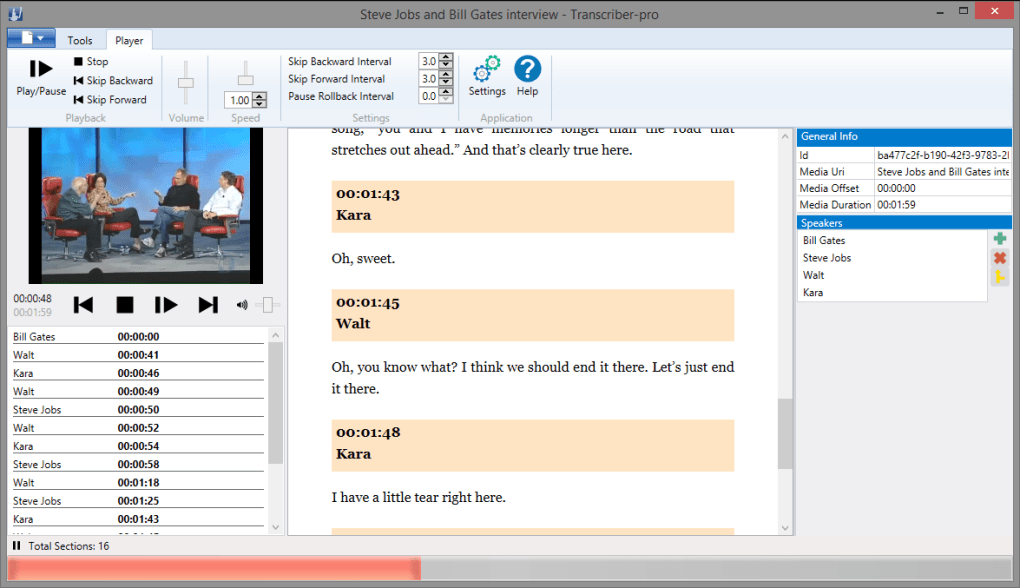
Several alternative audio transcription software programs exist, each offering a unique set of strengths and weaknesses. Competitors like Transcriber, Transcriber Pro, and Express Scribe are frequently mentioned as alternatives. Transcriber, a free option, offers a basic level of transcription functionality but may lack the advanced features or speed found in Transcribe!. Transcriber Pro, a trial version, likely offers a more feature-rich experience but comes with a price tag. Express Scribe also provides transcription capabilities and is described as a “great transcription resource”, suggesting a balance of features and ease of use.
The choice between Transcribe! and these alternatives largely depends on individual needs and preferences. If speed and cross-platform availability are prioritized, Transcribe! is a strong contender. However, users seeking a cleaner interface, more consistent functionality across versions, or advanced audio playback features may find alternative solutions better suited to their workflow. The availability of free options like Transcriber and Express Scribe provides cost-effective alternatives for users with limited budgets. Conversely, the professional-grade software, such as Transcriber Pro, caters to users requiring highly specialized features and advanced capabilities. The free and trial versions allow potential users to assess the functionalities of competing software before committing to a purchase.
User Experience and Feedback
User reviews highlight both positive and negative aspects of the Transcribe! user experience. One user, Håkan Granat, described the software as “very easy to use” and highly recommended it after years of use as a musician and guitar teacher. This positive feedback speaks to the software’s effectiveness for users with specific needs.
However, the inconsistencies between versions and the cluttered interface are recurring criticisms. The software’s lack of a unified and consistent experience across its various versions is a significant impediment to its user-friendliness. The potential for a steep learning curve, especially for users unfamiliar with audio transcription software, is also a valid concern. The positive feedback, though valuable, is countered by criticisms emphasizing the need for improvements in interface design and version consistency to enhance user experience. The lack of detailed information about the various transcription methods also leaves users with limited transparency concerning the process, potentially reducing overall confidence in the accuracy and reliability of the results.
Conclusion: Is Transcribe! Right for You?
Transcribe! offers a viable solution for audio transcription needs, particularly for users who prioritize speed and cross-platform compatibility. Its integrated audio playback feature significantly streamlines the workflow. However, the inconsistencies across versions and the cluttered interface present significant drawbacks. The choice of whether to use Transcribe! depends greatly on individual priorities and the specific context of usage.
Users seeking a simple, fast, and cross-platform solution for basic transcription tasks may find Transcribe! perfectly adequate. However, users demanding a polished, intuitive user interface, consistent functionality, or advanced audio control features should carefully consider alternative software options, weighing their specific needs against the strengths and weaknesses of each application. The availability of both free and paid alternatives, with varying levels of functionality, allows users to select the solution that best fits their budget and requirements. Ultimately, the optimal choice lies in carefully evaluating the unique aspects of each software to align it with individual preferences and workflow necessities.
File Information
- License: “Free”
- Latest update: “July 11, 2023”
- Platform: “Windows”
- OS: “Windows 8.1”
- Language: “English”
- Downloads: “17.5K”
- Size: “4.36 MB”