Tunnello VPN was a Google Chrome extension designed to bypass website restrictions and enhance online anonymity. While offering a free tier, its limited data allowance and compatibility solely with Chrome significantly impacted its overall usability and appeal. This in-depth analysis examines its functionality, limitations, and the landscape of alternative solutions. The review also explores the broader context of VPNs, their uses, and the importance of choosing a reputable service.
Tunnello VPN: Functionality and Features
Tunnello VPN presented itself as a straightforward solution for users seeking to circumvent geographical restrictions or organizational web filters. Its core functionality centered around routing internet traffic through a VPN server, masking the user’s IP address and encrypting their data. This allowed users to access websites and online services that might otherwise be blocked due to their location or network configuration. The extension promised a seamless browsing experience, implying minimal impact on browsing speed. However, user reviews and the limited information available suggest that this promise was not always fully realized.
The primary benefit, as advertised, was the ability to unblock websites. This is a crucial function for users in regions with strict internet censorship or those working within environments that limit access to certain online resources. The promise of anonymous browsing was another key selling point. By concealing the user’s IP address, Tunnello aimed to prevent tracking and monitoring of online activities. This is particularly valuable for users concerned about their online privacy and security.
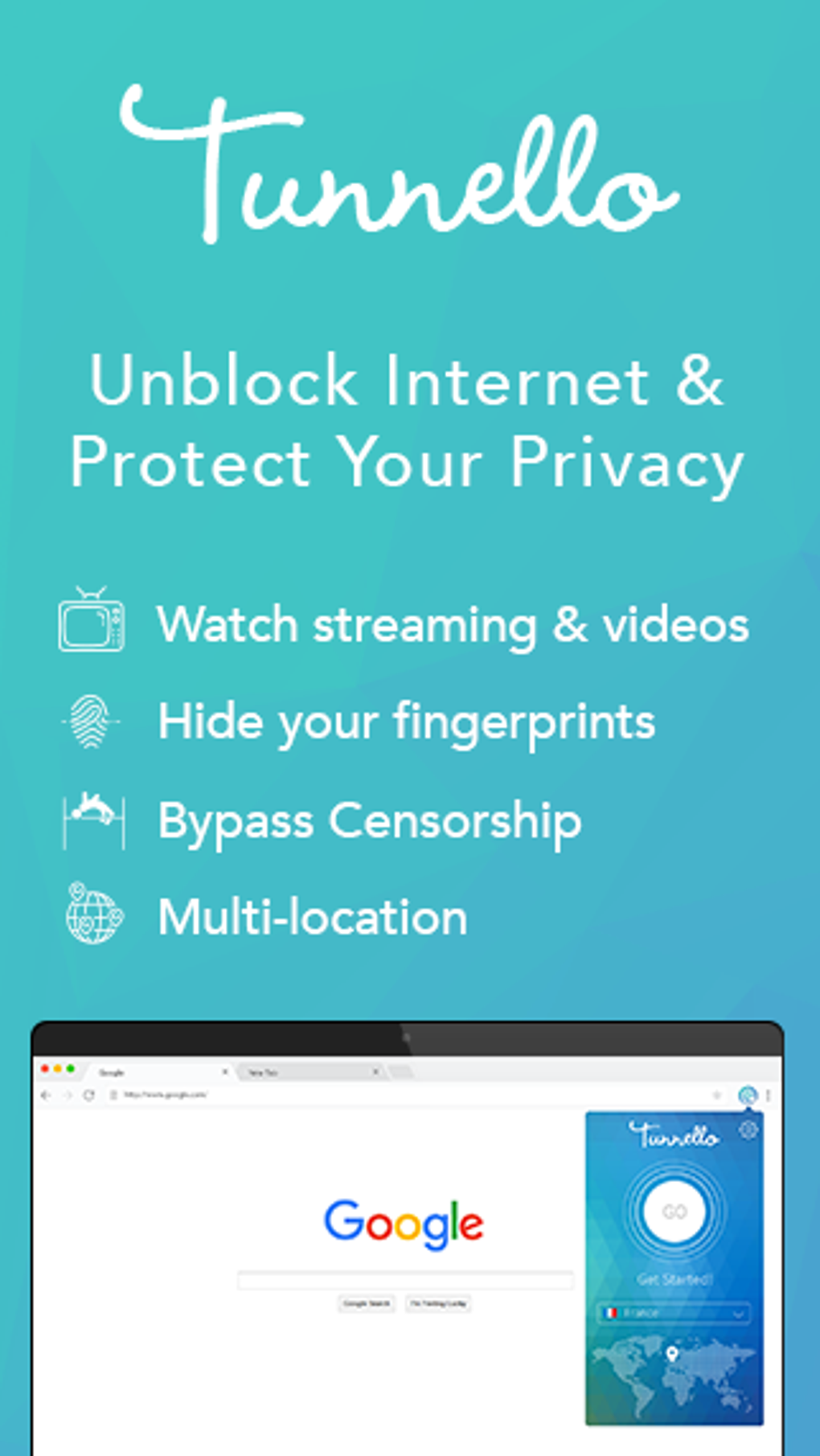
However, Tunnello’s functionality was constrained by its exclusive compatibility with Google Chrome. This limited its accessibility to a significant portion of internet users who prefer or are bound to other browsers like Firefox, Safari, or Edge. The lack of cross-platform compatibility significantly reduced its overall appeal and practicality.
Limitations and Drawbacks of Tunnello VPN
Despite its advertised features, Tunnello VPN suffered from several significant limitations:
- Limited Data Allowance: The most prominent drawback was the stringent data cap imposed on its free users. Only the first gigabyte of data was offered free of charge per month. Exceeding this limit potentially resulted in substantial charges, transforming a seemingly free service into a potentially costly one. This severely restricted the utility of the VPN, especially for users with higher data consumption habits. For many, a gigabyte is insufficient for even a few hours of moderate internet use, rendering the free option practically useless.
-
Chrome-Only Compatibility: Tunnello’s exclusive compatibility with Google Chrome significantly hindered its adoption. The lack of support for other popular browsers like Firefox, Safari, or Edge severely restricted its user base and limited its versatility. Users accustomed to other browsers were forced to either switch or seek alternative VPN solutions.
-
Reported Bugs: User reviews (though limited in number) suggested the presence of bugs within the system, indicating potential instability and performance issues. The absence of detailed documentation or active developer support further exacerbated these problems, leaving users with limited recourse in case of technical difficulties. Unresolved bugs can lead to security vulnerabilities, privacy breaches, and unreliable service.
-
Lack of Transparency: Limited information was available concerning the VPN servers’ locations, the encryption protocols used, and the VPN provider’s privacy policy. This lack of transparency raises concerns about the security and privacy assurances provided by the service. Reputable VPN providers typically disclose this information to build trust and demonstrate their commitment to user privacy.
-
Absence of Advanced Features: Tunnello lacked many advanced features found in more established VPN services. Features like kill switches (which cut internet access if the VPN connection drops), split tunneling (routing only selected traffic through the VPN), and obfuscation techniques to hide VPN usage were absent. These features are crucial for enhancing security and privacy, especially in regions with strict internet surveillance.
The Broader Context of VPNs and Online Security
Virtual Private Networks (VPNs) have become increasingly important in today’s digital world, offering a crucial layer of security and privacy for online users. Their primary function is to encrypt internet traffic and route it through a remote server, masking the user’s IP address and location. This has several key benefits:
-
Enhanced Privacy: By masking the user’s IP address, VPNs prevent websites and online services from tracking their browsing activity and collecting personal data. This is particularly crucial in the face of increasing online surveillance and data breaches.
-
Circumventing Geo-Restrictions: VPNs allow users to access websites and online content that might be geo-blocked in their region. This is particularly useful for accessing streaming services, news websites, and other content that is unavailable in certain countries.
-
Increased Security: The encryption provided by a VPN protects user data from interception by hackers and cybercriminals. This is particularly crucial when using public Wi-Fi networks, which are often vulnerable to security breaches.
-
Protecting Against Data Retention: Some countries have mandatory data retention laws, requiring internet service providers (ISPs) to store user data for extended periods. VPNs can help to circumvent these laws by preventing ISPs from seeing the user’s online activity.
Choosing a Reputable VPN Service
Given the importance of VPNs for online security and privacy, it’s crucial to choose a reputable provider. When selecting a VPN service, consider the following factors:
-
Reputation and Track Record: Research the VPN provider’s reputation and look for reviews from independent sources. Avoid providers with a history of security breaches or privacy violations.
-
Transparency and Privacy Policy: Examine the provider’s privacy policy carefully. Reputable providers are transparent about their data collection practices and will clearly state what data they collect and how they use it. Look for providers with a strong no-logs policy.
-
Security Features: Check for features like strong encryption protocols (like OpenVPN or WireGuard), a kill switch, split tunneling, and obfuscation techniques. These features significantly enhance security and privacy.
-
Server Locations: Consider the number and location of servers offered by the provider. A wider range of server locations allows for better access to geo-blocked content and improved connection speeds.
-
Customer Support: Reputable VPN providers offer responsive and helpful customer support. Check for multiple support channels, such as email, live chat, and phone support.
-
Pricing and Value: Compare the pricing of different VPN providers, considering the features offered and the overall value provided.
Alternatives to Tunnello VPN
Given Tunnello VPN’s limitations, several alternative VPN services offer superior features and broader compatibility. These alternatives provide a wider range of features, stronger security protocols, and better user experiences. It is crucial to research and compare various options to find a VPN that best fits individual needs and preferences. Consider researching popular options such as NordVPN, ExpressVPN, Surfshark, ProtonVPN, and others. Each provider has its strengths and weaknesses, so careful evaluation is crucial. Reviewing independent reviews and comparing features will ensure choosing a service that provides a reliable and secure online experience.
In conclusion, while Tunnello VPN aimed to provide a simple solution for bypassing website restrictions and enhancing anonymity, its limitations, particularly its restricted data allowance and Chrome-only compatibility, significantly hampered its effectiveness. The broader landscape of VPN services offers a wealth of more robust and versatile alternatives, making it crucial for users to carefully research and select a reputable provider that meets their specific needs in terms of security, privacy, and functionality.
File Information
- License: “Free”
- Version: “varies-with-device”
- Latest update: “May 16, 2017”
- Platform: “Windows”
- OS: “Windows 8”
- Language: “English”
- Downloads: “28.5K”