
X, formerly known as Twitter, has undergone a significant transformation since its inception, evolving from a simple microblogging platform to a multifaceted social media behemoth. This comprehensive review explores the app’s functionalities, its recent rebranding, its controversies, and whether it remains a relevant and valuable platform in today’s digital landscape.
X (Twitter): Core Features and Functionality
X, available on Android and other platforms, allows users to create and share short-form posts, known as “posts” (formerly “tweets”), containing text, images, GIFs, videos, links, and polls. These posts appear on the user’s profile, their newsfeed, and the feeds of their followers. The platform facilitates connection through a robust following system, enabling users to connect with individuals and entities of interest. While the ephemeral “Fleets” feature, similar to Snapchat Stories, has been discontinued, the core functionality remains largely unchanged in terms of its basic functionality of sharing information.
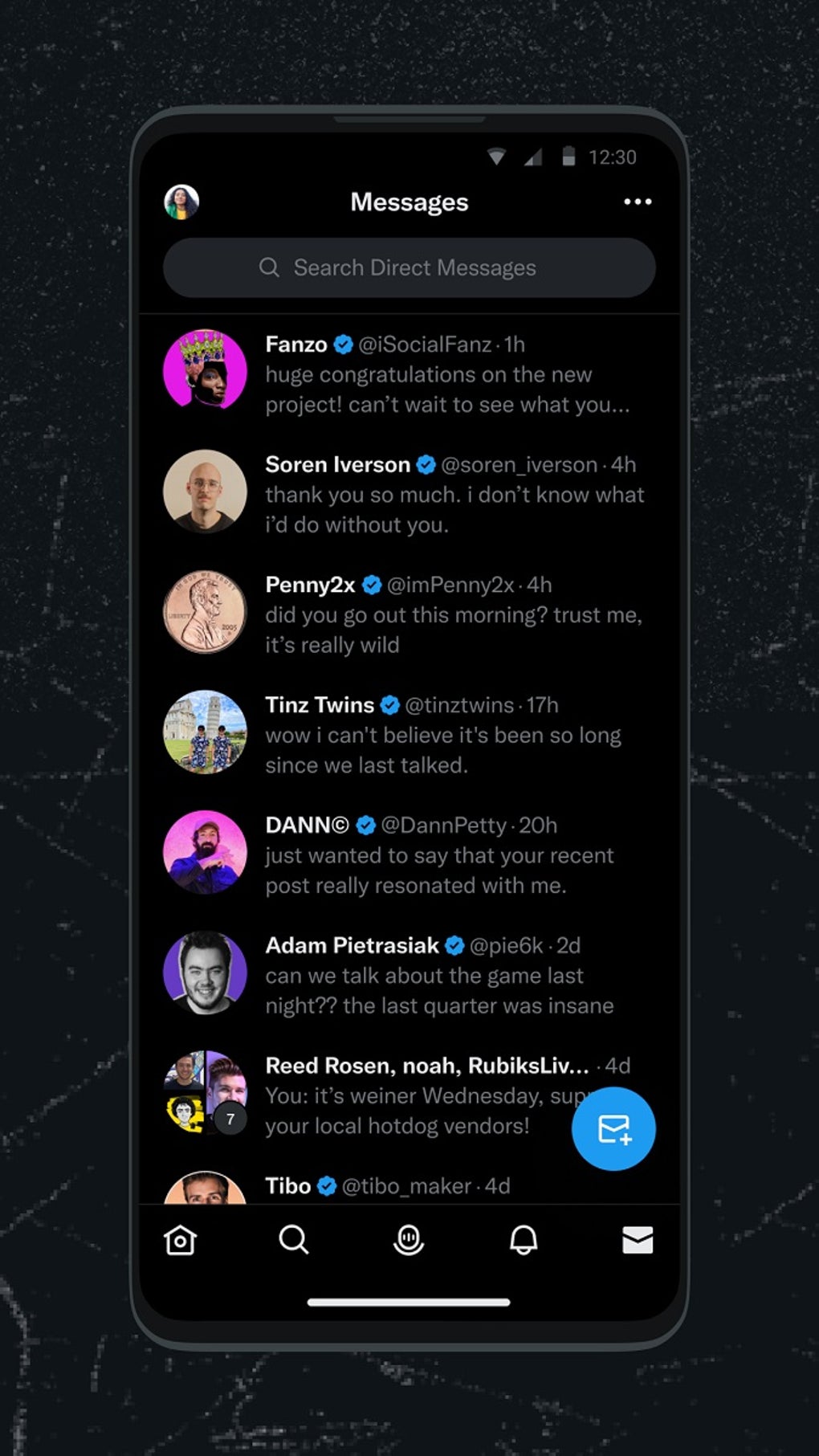
The app boasts an intuitive interface, featuring a bottom navigation bar for easy access to key features. The home button takes users directly to their newsfeed, showcasing posts from those they follow. A search function (now restricted to registered users) allows users to find specific accounts, keywords, and topics. A notification bell alerts users to new activity, and a direct messaging feature facilitates private conversations.
Creating a post is straightforward; tapping the plus icon initiates the process. Basic users are allotted 280 characters per post, with a character counter providing real-time feedback. The inclusion of multimedia – images, videos, and GIFs – significantly enhances post engagement. Polls, supporting up to four options, allow users to gauge opinions on various topics, displaying real-time results. While the four-option limit can be restrictive for more comprehensive surveys, it provides a quick and easy way to gather basic feedback. However, the anonymity of accounts means the accuracy of the polls should be considered carefully.
Control Over Interactions and Privacy Settings
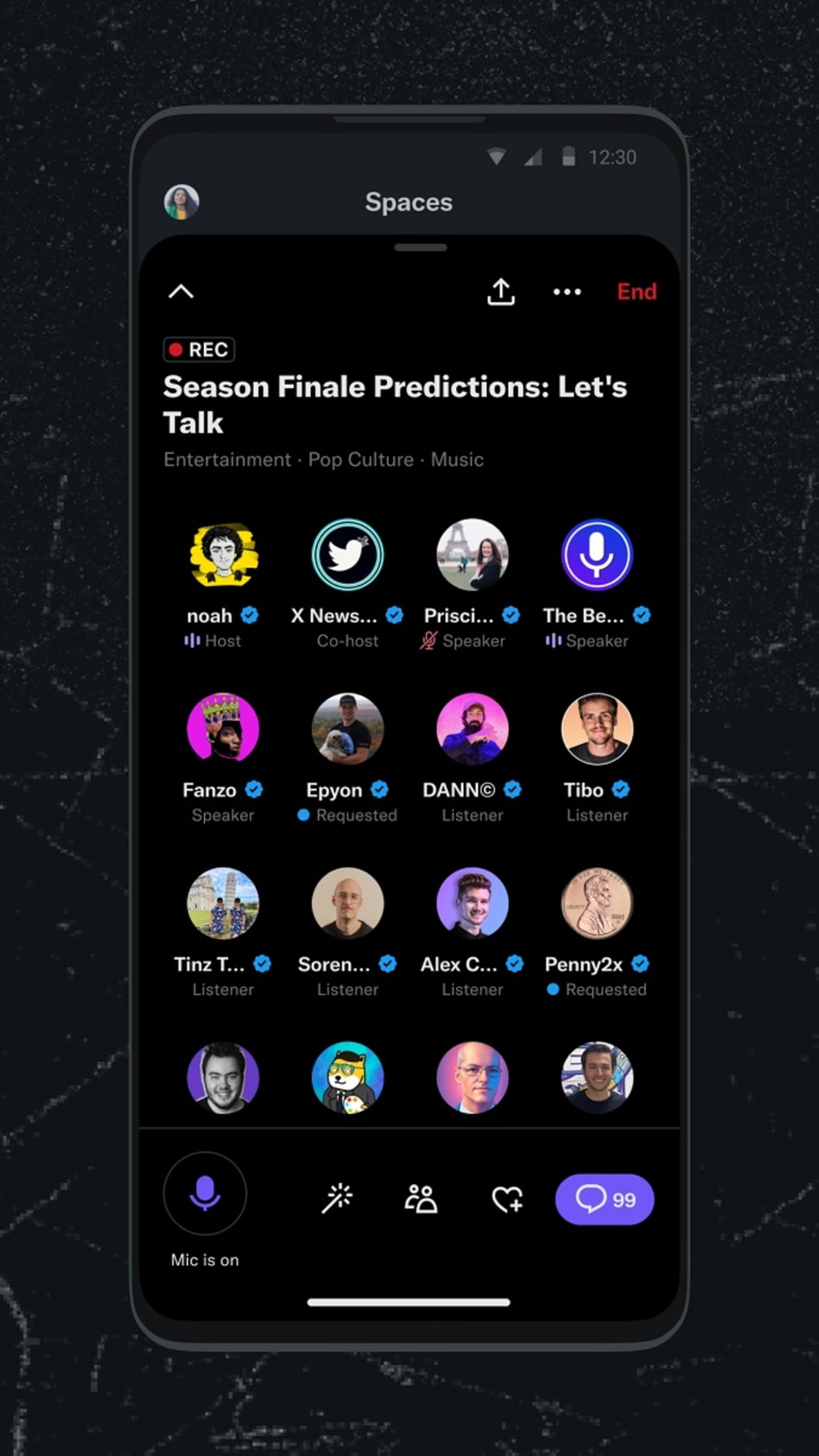
X offers robust control over user interactions and privacy. Users can choose between public and private profiles. Private profiles restrict access to posts to followers only, preventing non-followers from viewing content and limiting the ability of mutual followers to quote-repost their content. Further, users can control who can reply to their posts, selecting from options such as everyone, verified accounts, accounts they follow, or only accounts they mention.
Desktop users benefit from the ability to schedule posts, a feature notably absent from the mobile app. This limitation necessitates the use of third-party scheduling tools, such as Planable, for those needing to publish content at specific times on mobile devices. This is a definite downside to the mobile user experience.
Monetization and Advertising
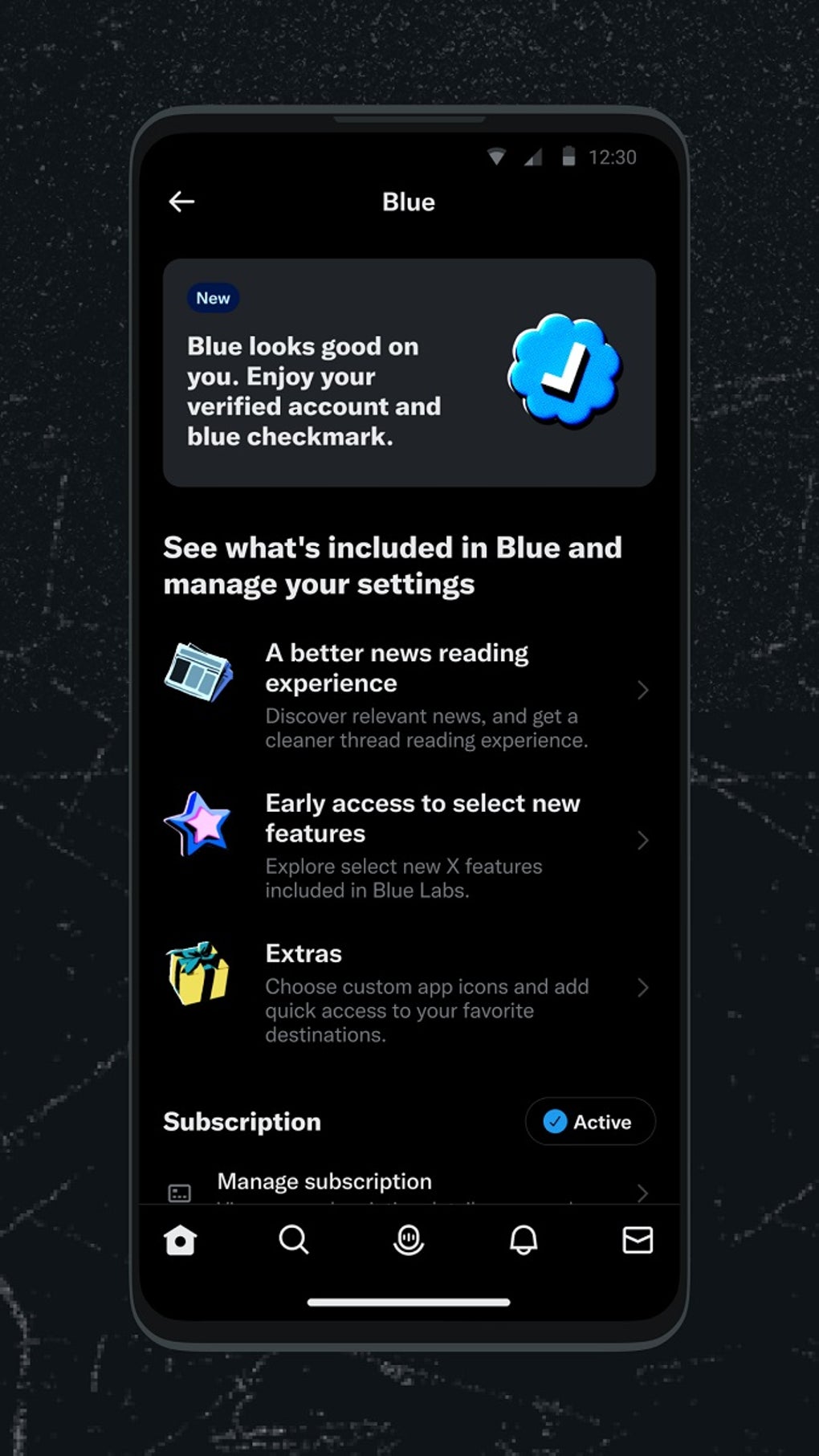
While X is a free application, it employs an advertising model. Promoted posts appear within user timelines, often indistinguishable from organic content except for the “Promoted” label. These ads originate from various sources, including brands and individual users adhering to platform policies. The frequency of ads can be disruptive for basic users, particularly the appearance of unrelated ads within conversation threads. A premium subscription option, however, significantly reduces the number of ads displayed.
Censorship and Content Moderation
X has faced significant criticism regarding its content moderation policies and instances of censorship. The platform has been accused of removing accounts and posts during periods of political debate and controversy, raising concerns about free speech and potential bias. While the platform aims to create a safe environment, these actions have been seen as potentially exacerbating societal tensions rather than mitigating them. Users concerned about strict moderation might explore alternative platforms prioritizing free speech, such as Parler.
Search Functionality and User Access
Previously, X’s search functionality was accessible to both registered and unregistered users. This feature has since been modified, restricting search capability to registered users only. Unregistered users are limited to browsing the curated content within the “Explore” tab. This change significantly limits access to information for those not yet registered with the platform.
The Rebranding from Twitter to X
The rebranding to “X,” spearheaded by Elon Musk’s acquisition of the platform, involved not just a name change but a comprehensive reimagining of the brand identity. The iconic blue bird logo was replaced by a minimalist “X,” and terminology changes, such as replacing “tweets” with “posts” and “retweets” with “reposts,” were implemented. Despite these changes, the desktop URL remains “twitter.com”, a seeming inconsistency in the rebranding process. The intended transformation into a more expansive “everything app”, akin to WeChat, remains a work in progress.
Is X Worth Using?
X offers a user-friendly interface, cross-platform compatibility, and the ability to share diverse content. However, limitations such as ad saturation for basic users, the lack of mobile scheduling for posts, and the restricted search functionality for unregistered users should be carefully considered. The platform’s evolving content moderation policies and controversies surrounding censorship also require careful evaluation by potential users.
X (Twitter): App Specifications
- License: Free
- Version: 11.14.0-release.0
- Latest Update: August 24, 2025
- Platform: Android, iOS, Windows, macOS, Web
- Language: English (and many others)
- Downloads: 2.7M (Android)
- Developer: Twitter, Inc.
Apps, Games, News, and Business Applications of X
While primarily a social networking platform, X has implications across various sectors:
Apps: X’s core application is a social media app, but its API allows for the development of third-party apps which integrate with X’s features. This could include productivity apps using X for news feeds, or communication apps connecting through X’s messaging.
Games: While not a gaming platform, X can be a vector for game promotion and community building around games. Players can use X to share gameplay videos, discuss strategies, and connect with other players.
News: X serves as a significant news source, albeit an unfiltered one. News organizations utilize X to disseminate information quickly, and users can follow various news outlets and journalists for updates. However, it is crucial to critically assess the validity of information found on X, given the platform’s open nature and potential for misinformation.
For Business: X offers businesses a powerful tool for marketing, customer service, and brand building. Companies can use X to engage with customers, announce products and services, and participate in relevant industry conversations. Paid advertising options allow businesses to reach a wider audience and create targeted campaigns.
Android Specific Considerations
The Android version of X mirrors the functionalities of the platform across other operating systems, offering a consistent user experience. However, certain issues such as the lack of scheduling functionality in the mobile app are platform-independent issues and exist for all mobile versions of the app.
User Reviews and Conclusion
User reviews are mixed. While many appreciate the platform’s ease of use and the ability to share diverse content, concerns regarding censorship, ad saturation, and the limitations for unregistered users are frequent. The overall value of using X depends largely on individual priorities and tolerance for the platform’s limitations and controversies. Whether the transformation into a more all-encompassing “everything app” will ultimately enhance or detract from its core functionality remains to be seen. For now, X remains a prominent social media platform, albeit one facing significant challenges and ongoing evolution.
File Information
- License: “Free”
- Latest update: “August 12, 2025”
- Platform: “Android”
- OS: “Android 15.0”
- Language: “English”
- Downloads: “2.7M”
- Download Options: “Google Play”


