
Ultimate Mortal Kombat 3, a name synonymous with pixelated brutality and electrifying gameplay, remains a landmark title in the fighting game genre. Released in the mid-1990s, it captured the hearts (and perhaps slightly terrified the younger audiences) of gamers worldwide with its innovative blend of visceral combat, memorable characters, and a visual style that, for its time, pushed the boundaries of what was considered possible in 2D fighting games. This deep dive explores the legacy of Ultimate Mortal Kombat 3, examining its gameplay mechanics, enduring appeal, and lasting influence on the gaming landscape.
The Legacy of Mortal Kombat: A Bloody Saga
The Mortal Kombat series has always been defined by its over-the-top violence. While initially shocking, this graphic depiction of combat quickly became its trademark, setting it apart from more family-friendly competitors like Street Fighter. Ultimate Mortal Kombat 3, a refined iteration in the series, capitalized on this notoriety while simultaneously enhancing the gameplay experience. This wasn’t just a simple upgrade; it was a culmination of years of development, refining existing mechanics and introducing innovative features that solidified its place as a fighting game classic. The game’s success lay not just in its controversial visuals, but in its deep, accessible combat system that offered a rewarding experience for both casual and hardcore players.
Gameplay and Mechanics: A Masterclass in 2D Fighting
Ultimate Mortal Kombat 3 took the core mechanics of its predecessors and elevated them to a new level. The fighting system itself was relatively straightforward, relying on a combination of punches, kicks, blocks, and special moves unique to each character. The game’s intuitive controls meant that even newcomers could quickly grasp the basics and begin experiencing the thrill of combat. Mastering the more advanced techniques, however, required significant practice and dedication, rewarding players who were willing to invest the time. The inclusion of “Fatalities” and “Brutalities” – the series’ signature finishing moves – added a layer of strategic depth, as players could exploit these devastating attacks to gain a significant advantage. The strategic placement of these attacks, timed to maximize damage and theatricality, became a key element of the overall competitive experience.
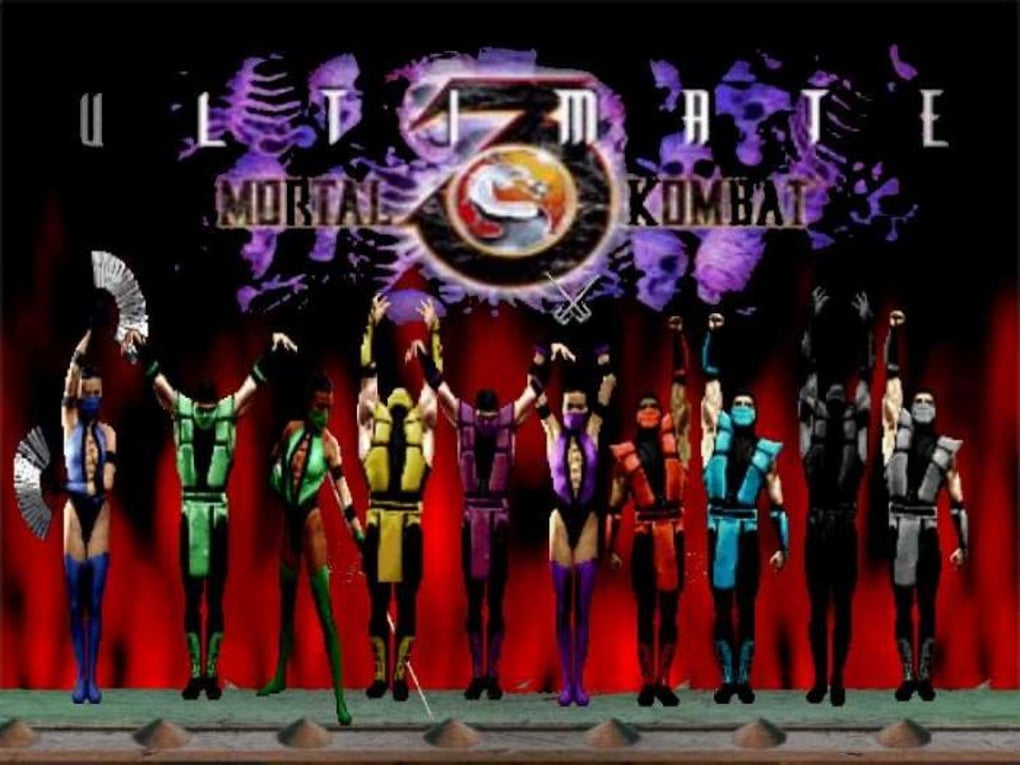
The game’s roster of playable characters offered a diverse range of fighting styles and special moves. Returning favorites like Scorpion, Sub-Zero, and Reptile were joined by a host of new characters, each with their unique strengths and weaknesses. This diversity ensured that each match felt fresh and unpredictable, preventing the game from becoming stale even after countless hours of play. The strategic selection of characters, based on their strengths against specific opponents, further enhanced the competitive aspect of the game.
Beyond the Basics: Interactive Environments and Enhanced Features
Ultimate Mortal Kombat 3 didn’t just refine the existing mechanics; it also introduced innovative features that enriched the overall experience. One of the most notable additions was the incorporation of interactive environments. Many stages featured elements that players could utilize during combat, such as knocking opponents through destructible floors or sending them plummeting into deadly pits. These interactive environments added a layer of unpredictability and excitement, rewarding players who were creative and resourceful in their use of the game’s environments. This innovation greatly impacted the dynamic nature of the matches and rewarded cunning tactical gameplay.
The addition of two-player versus and tournament modes expanded the game’s replayability. These modes offered players the opportunity to challenge their friends or compete against AI opponents in a series of matches to determine the ultimate champion. The tournament mode, in particular, provided a structured and competitive environment that encouraged skill development and strategic planning.
Visual Presentation: Pushing the Boundaries of 2D Graphics
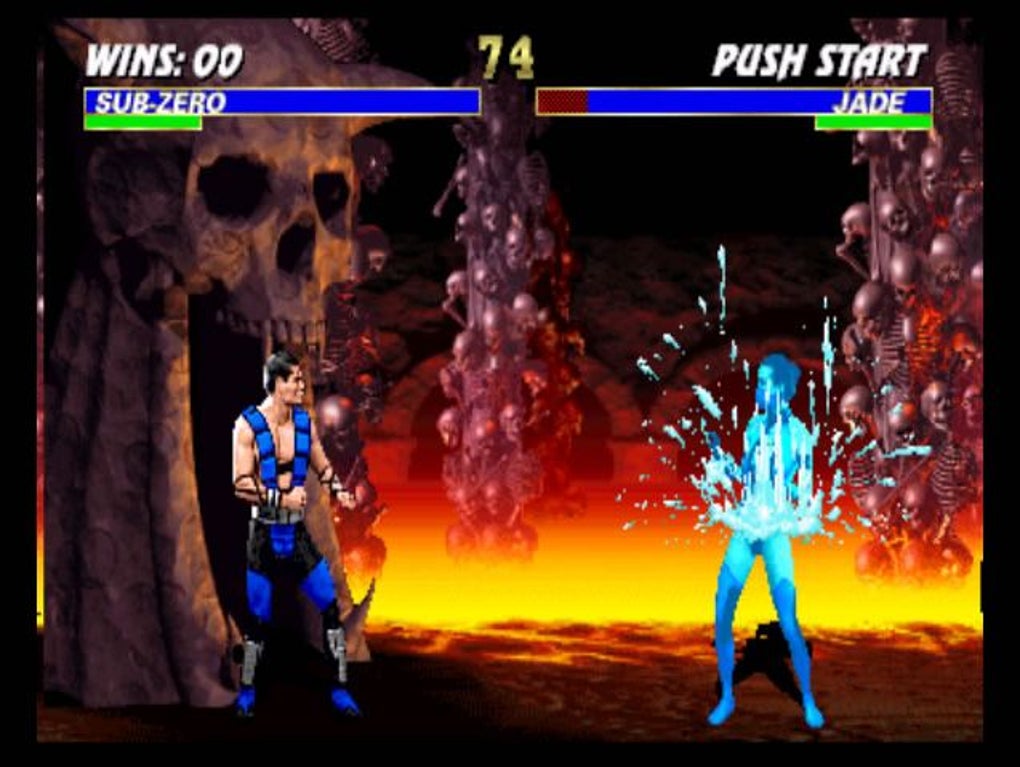
For its time, Ultimate Mortal Kombat 3 showcased impressive visuals. The sprite work was incredibly detailed, showcasing fluid animations and highly expressive character models. While undoubtedly pixelated by modern standards, the detailed artwork and smooth animations made the game visually compelling. The combination of vibrant colors, detailed character models, and dynamic background art created a visually rich experience that was far ahead of its contemporaries. The game’s visual style, although rooted in 2D technology, successfully simulated a sense of depth and dimensionality, creating a more immersive and engaging combat experience. This effective use of visual cues created a richer gaming experience that transcended the technical limitations of the time.
Sound Design: An Immersive Soundscape
The sound design of Ultimate Mortal Kombat 3 perfectly complemented the game’s violent and visceral nature. The iconic sound effects, ranging from bone-crunching hits to the chilling screams of defeated opponents, amplified the intensity of the combat. The soundtrack, although relatively simple by today’s standards, featured memorable and appropriately atmospheric tracks that heightened the drama and tension of each match.
The Enduring Appeal: Why Ultimate Mortal Kombat 3 Still Matters
Despite its age, Ultimate Mortal Kombat 3 continues to hold a special place in the hearts of many gamers. Its simple yet deep gameplay mechanics, combined with its memorable characters, brutal finishing moves, and visually captivating presentation, have ensured its lasting appeal. The game’s legacy extends beyond its nostalgic value, serving as a testament to the power of well-designed gameplay and a pioneering example of what was possible within the technical constraints of the time.
Conclusion: A Bloody Masterpiece
Ultimate Mortal Kombat 3 stands as a testament to the enduring appeal of classic fighting games. Its combination of fluid gameplay, unforgettable characters, and stunning visuals (for its time) cemented its place in gaming history. While the technology has advanced significantly since its release, Ultimate Mortal Kombat 3 remains a game that continues to be appreciated for its innovative design, skillful execution, and visceral combat. For those seeking a taste of gaming history or a challenging and rewarding retro fighting experience, Ultimate Mortal Kombat 3 is an undisputed classic. The game’s lasting influence can still be felt in modern fighting games, proving that its impact on the genre was profound and long-lasting. The legacy of Ultimate Mortal Kombat 3 continues to resonate with players, showcasing the enduring power of a well-crafted fighting game.
File Information
- License: “Free”
- Latest update: “March 12, 2019”
- Platform: “Windows”
- OS: “Windows 98 SE”
- Language: “English”
- Downloads: “1.2M”
- Size: “3.94 MB”


