
UNITALE is a free-to-play puzzle game for Windows users, built upon the engine of the popular role-playing game Undertale. While visually reminiscent of older games due to its simple 2D graphics, UNITALE offers a surprisingly modern and engaging experience centered around its unique customizability. Unlike most games, UNITALE empowers players not just to play, but to actively create and modify the game itself, providing a platform for boundless creativity and community interaction. This article delves into the intricacies of UNITALE, exploring its gameplay, customization features, system requirements, and alternatives within the RPG gaming landscape.
Gameplay and Story: A Customizable Narrative
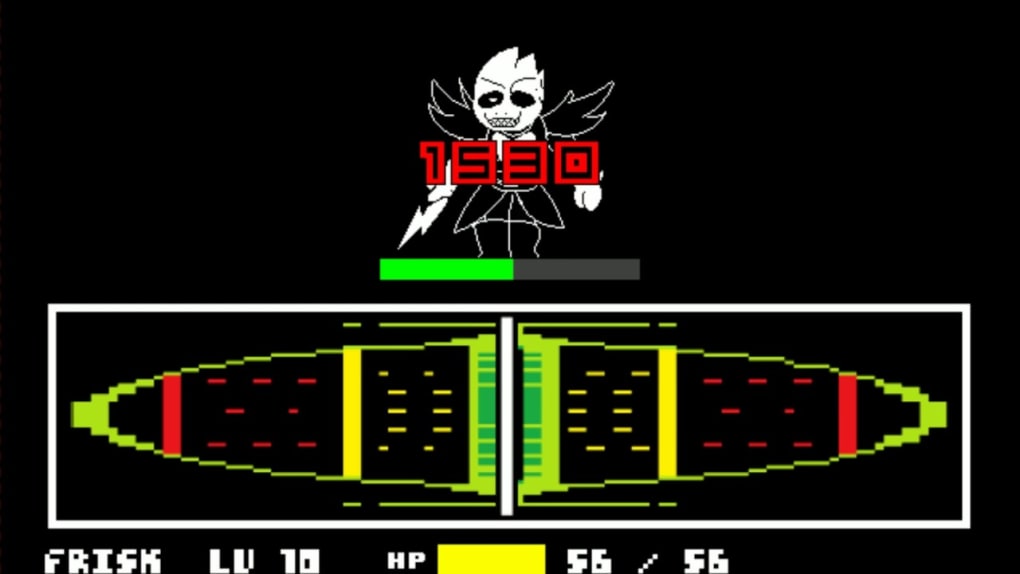
UNITALE presents players with a narrative structured around a series of choices. The game unfolds in a 2D environment, featuring simple yet effective visuals. Players navigate the storyline by selecting options from menus, typically including actions like “Act,” “Item,” “Mercy,” and “Fight.” Each selection leads to a unique outcome, creating a branching narrative where the player’s decisions significantly impact the progression of the story. This non-linearity is a core aspect of the UNITALE experience, encouraging repeated playthroughs to explore different paths and consequences.
Unlike many games with fixed narratives, UNITALE’s storyline isn’t static. Regular updates from the game’s developers and community members introduce frequent tweaks, modifications, and additions to the existing content. This constant evolution ensures that even repeated players encounter fresh challenges and surprises. The core gameplay loop revolves around decision-making and interacting with the game world, leading to various scenarios, some confrontational, others peaceful. The fundamental concept of “fight or flight” is retained, but the execution and consequences are dramatically varied depending on the player’s choices and the current version of the game.
While the base storyline may appear uncomplicated, its simplicity allows for extensive player-driven expansion. The game’s charm lies not only in its core narrative but also in the potential for infinite variations and expansions crafted by the community. This participatory aspect transforms UNITALE from a simple puzzle game into a collaborative storytelling experience.
Modification and Customization: Unleashing Creative Potential
UNITALE’s most distinguishing feature is its extensive moddability. Built using Lua, a relatively accessible scripting language, the game allows players with even a basic understanding of coding to create their own content. This opens up a world of possibilities for customization, including:
-
Creating New Battles: UNITALE provides the fundamental building blocks of Undertale’s battle system, including sounds and data. Users can leverage this foundation to design entirely new battles, adjusting enemy stats, attack patterns, and even the visual aesthetics of the combat encounters. The flexibility of Lua allows for almost limitless creativity in designing challenges and encounters.
-
Designing New Characters: Players can introduce original characters into the game world, complete with unique sprites, dialogue, and interaction mechanics. This allows for the integration of entirely new characters into existing storylines, or the creation of completely independent adventures. The process involves designing the visual representation of the characters and then scripting their behavior and dialogue within the game engine.
-
Composing Original Music: UNITALE offers access to the game’s audio assets. Players can utilize existing sound effects and musical pieces or integrate their own creations, allowing for fully customized soundtracks tailored to their modified content. This opens the door for enhancing the atmosphere and emotional impact of the game.
-
Building New Storylines and Environments: Lua’s flexibility extends to designing entirely new storylines and game environments. Players can craft complete narrative arcs, incorporating their own characters, battles, and environmental elements. The scope of this creative potential is limited only by the user’s imagination and coding proficiency. This ability fundamentally alters the game from a fixed experience into a constantly evolving and expanding universe of content.
The UNITALE community plays a vital role in supporting and expanding the game’s content. Numerous online resources, tutorials, and forums provide assistance and share pre-made assets, allowing newcomers to easily contribute to the game’s ever-growing library of user-created content. This collaborative environment fosters a vibrant and supportive community dedicated to pushing the boundaries of what’s possible within UNITALE’s framework.
Visual Style and Aesthetics: A Retro-Modern Blend
UNITALE’s visual style presents a unique paradox: a retro aesthetic with modern appeal. The game’s 2D graphics, reminiscent of older game systems, might initially appear simplistic. However, this unassuming visual style contributes to the game’s overall charm and accessibility. The deliberately simplistic graphics provide a nostalgic appeal for players familiar with older games while maintaining a clean and uncluttered interface for newcomers.
While the graphics themselves are basic, the visual impact is greatly enhanced by the customizability inherent in the game. Players are free to modify every visual aspect, creating characters, environments, and battles that differ radically from the original game’s presentation. This customization allows players to overcome the limitations of the original graphics and forge a unique visual identity for their modified version of UNITALE. Therefore, the initial simplicity acts as a canvas upon which players can paint their own unique visual experiences.
System Requirements and Compatibility: Accessibility Across Platforms
UNITALE boasts remarkable accessibility. It has minimal system requirements, running smoothly on a broad range of devices. The game is fully compatible with Windows 7 and later versions, making it accessible to most Windows users. While primarily designed for Windows, UNITALE can also run on Linux systems, although this might require the use of third-party applications to ensure seamless compatibility. Mac OS users can also play UNITALE, albeit potentially needing similar third-party applications for optimal performance. The small file size (approximately 13MB) further contributes to its accessibility, minimizing download times and storage space requirements.
Beyond system compatibility, UNITALE’s accessibility extends to the ease of modding. The use of Lua, a relatively straightforward scripting language, lowers the barrier to entry for new creators. While a basic understanding of programming is necessary for content creation, the abundance of online resources and community support makes learning and implementing modifications far less daunting than in many other modding communities. The game’s open structure and supportive community actively encourage participation in content creation, transforming the player base into a collaborative pool of content providers and consumers.
Alternatives and Comparisons: Exploring Similar Games
While UNITALE stands out with its customizability, several other games share similar gameplay elements or themes. Notable alternatives include Undertale itself, Undertale: Underfell, and Sans Simulator. Undertale, the source of UNITALE’s engine, offers a rich narrative and engaging combat system but lacks the same degree of player modification as UNITALE. Undertale: Underfell and Sans Simulator provide focused experiences within the Undertale universe, but neither allows for the broad-ranging customization afforded by UNITALE. These alternatives offer different approaches to the RPG genre, some with a focus on narrative, others on specific gameplay elements, highlighting the diversity within the broader category.
Conclusion: A Unique and Engaging Experience
UNITALE occupies a unique niche within the gaming landscape. It’s not merely a game to be played; it’s a platform to be built upon. The combination of a simple yet engaging core game loop, coupled with extensive customization options and a supportive community, establishes UNITALE as a compelling option for players seeking a unique and enriching gaming experience. Its accessibility, both in terms of system requirements and ease of modification, makes it approachable for players of diverse technical backgrounds. Whether a seasoned programmer or a casual gamer, UNITALE offers something for everyone – a game to play and a world to create.
File Information
- License: “Free”
- Version: “2.0.1”
- Latest update: “June 9, 2020”
- Platform: “Windows”
- OS: “Windows 8”
- Language: “English”
- Downloads: “56.9K”
- Size: “13.72 MB”


