
Unreal Tournament 2004, a landmark title in the first-person shooter (FPS) genre, delivers a relentless and exhilarating experience focused on fast-paced, competitive multiplayer combat. While lacking a deep narrative or robust single-player campaign, its legacy rests on its innovative gameplay mechanics, diverse game modes, extensive vehicle options, and a wide array of maps, creating an unforgettable arena-style experience. This deep dive explores the various facets of Unreal Tournament 2004, from its gameplay mechanics to its technological advancements, examining why it remains a cherished classic amongst FPS enthusiasts.
The Arena of the Future: Gameplay and Modes
Unreal Tournament 2004 eschews a compelling single-player story, instead prioritizing a thrilling multiplayer experience. The game’s universe, consistent with the broader Unreal Tournament lore, places players within a futuristic gladiatorial tournament where diverse factions compete for glory, dominance, and survival. This setting provides a backdrop for intense, skill-based combat, shifting the focus entirely to the player’s prowess within the arena. The game introduces new teams, each with its unique aesthetic and background, adding depth to the competitive landscape:
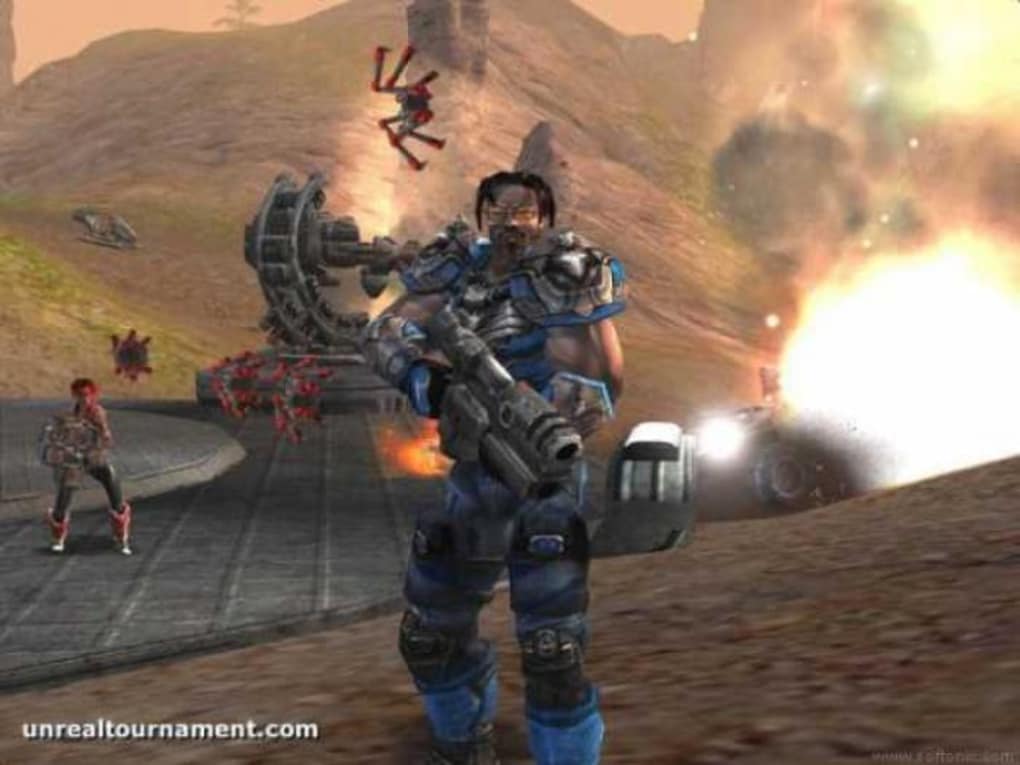
- Thunder Crash: A human team led by the iconic tournament hero, Malcolm, representing the strength and resilience of humanity.
- Corrupt: A robotic faction under the control of an upgraded Xan Kriegor, showcasing advanced technology and ruthless efficiency.
- Iron Skull: The brutal Skaarj warriors, known for their ferocity and unwavering commitment to victory.
- Hellions: A band of human mercenaries and pirates, driven by a thirst for excitement and the thrill of combat.
These teams battle across a vast array of maps, each offering distinct challenges and strategic opportunities. The emphasis is on fast-paced, frenetic action where quick reflexes and strategic thinking are equally crucial for success.
The core gameplay revolves around various distinct modes, each adding a unique layer to the overall experience. Two standout modes, Assault and Onslaught, define the core of Unreal Tournament 2004’s competitive heart:
- Assault Mode: A team-based mode where players must strategically capture and defend fortified bases. These bases range from high-speed trains traversing alien landscapes to massive Skaarj motherships, offering diverse and dynamic battle scenarios. The fluctuating control of key points adds a layer of tactical depth, requiring teamwork and coordinated assaults to succeed.
- Onslaught Mode: This mode takes team-based combat to a grander scale, involving the capture and control of strategic locations to initiate devastating attacks on the enemy’s power core. Unlike Assault, Onslaught often incorporates expansive outdoor environments and features extensive vehicular combat. Players can utilize a range of land, air, and even space-based vehicles to gain a tactical advantage, drastically altering the battlefield dynamic. The sheer scale of these battles, often involving massive battle stations, adds a truly epic feeling to the engagements.
Technological Prowess and Arsenal
Beyond the strategic depth of its game modes, Unreal Tournament 2004 stands out for its technological advancements over its predecessor, Unreal Tournament 2003. The game boasts significant improvements in visuals, performance, and overall polish, creating a smoother and more immersive experience. This technological leap wasn’t merely cosmetic; it significantly enhanced the gameplay fluidity, creating a more responsive and satisfying experience for players.
The game also features an impressive array of weaponry, retaining fan favorites from previous installments while introducing several new additions:
-
Returning Weapons: Unreal Tournament 2004 retains the classic arsenal of weapons from its predecessors, ensuring that experienced players would feel comfortable navigating the familiar landscape of explosive weaponry.
-
New Weapons: Adding to the established arsenal, three new weapons were introduced, significantly altering the dynamics of combat:
- Mine Layer: This weapon unleashes a swarm of spider-like mines, capable of trapping and decimating unsuspecting opponents.
- Anti-Vehicle Rocket Launcher (AVRiL): Designed specifically to counter the introduction of vehicular combat, this weapon provides a potent tool for eliminating mechanized threats.
- Grenade Launcher: Adding to the arsenal’s versatility, the Grenade Launcher allows for the deployment of timed explosives that stick to enemies and vehicles, creating unique strategic possibilities.
-
Upgraded Sniper Rifle: The iconic Sniper Rifle from the original Unreal Tournament returns, redesigned and upgraded, offering players a powerful long-range option for precision combat.
Vehicular Warfare and Expansive Environments
The introduction of vehicular combat in Onslaught mode represents a significant departure from the predominantly on-foot combat of previous Unreal Tournament titles. The inclusion of a diverse range of vehicles, from nimble single-person fighters to colossal five-person behemoths, significantly alters the strategic landscape. Mastering these vehicles and understanding their strengths and weaknesses become crucial for success in Onslaught. The added complexity of vehicular combat requires players to adapt their tactics and strategies, elevating the overall skill ceiling.
The expansive map selection of Unreal Tournament 2004 adds further depth to the gameplay. Over 95 maps are available, offering diverse environments, ranging from expansive outdoor landscapes to cramped indoor techno-arenas. This variety ensures that every match feels unique and challenges players to adapt their strategies to the specific characteristics of each environment. The maps are meticulously designed, incorporating strategic choke points, flanking routes, and vantage points, encouraging dynamic and engaging gameplay.
A Legacy of Competition
While lacking a strong narrative focus, Unreal Tournament 2004’s lasting impact lies in its exceptional multiplayer experience. The combination of diverse game modes, expansive maps, innovative weaponry, and the introduction of vehicular combat creates a dynamic and engaging arena for competitive play. The game’s technological advancements ensured a fluid and polished experience, contributing to its continued popularity. While graphics may appear dated by today’s standards, the core gameplay mechanics and competitive intensity remain highly appealing, cementing its position as a classic within the FPS genre. The game’s enduring popularity is a testament to its emphasis on skillful play and its ability to provide an endlessly replayable, adrenaline-fueled experience.
System Requirements and Availability
Unreal Tournament 2004, while a classic, does have minimum system requirements that reflect the technological landscape of its release. These requirements are:
- Operating System: Windows 2000/XP
- Processor: Pentium III or AMD Athlon 1.0 GHz or faster (Pentium® or AMD 1.2GHz or greater recommended)
- Memory (RAM): 128MB RAM (256MB RAM or greater recommended)
- Graphics: 32MB video card required (64MB NVIDIA or ATI hardware T&L card recommended)
- Sound: Windows-compatible sound card
- DirectX: DirectX 9.0b
- Hard disk space: 5.5 GB Free
- Multiplayer: Internet (TCP/IP) and LAN (TCP/IP) are supported. Internet play requires a 33.6 kbps or faster modem (broadband recommended)
While readily available online through various digital distribution platforms, it’s important to consider these system requirements before attempting to play. The game’s age means that modern systems might require tweaking compatibility settings for optimal performance.
Conclusion: A Timeless Classic
Unreal Tournament 2004 remains a testament to the enduring appeal of fast-paced, competitive FPS games. Despite its age, the game’s core mechanics, diverse game modes, and extensive map selection continue to provide a thrilling and challenging experience. Its legacy is not solely defined by its technological advancements but also by the enduring sense of intense, skill-based competition it delivers. For players seeking a nostalgic trip back to the golden age of arena shooters, or for newcomers eager to experience a timeless classic, Unreal Tournament 2004 offers a compelling and enduring experience. The game’s enduring popularity underscores its timeless appeal, highlighting its status as a true cornerstone of the FPS genre.
File Information
- License: “Trial version”
- Version: “3334”
- Latest update: “December 7, 2023”
- Platform: “Windows”
- OS: “Windows 2000”
- Language: “English”
- Downloads: “83.7K”
- Size: “296.05 MB”


