
The enchanting world of Pixar has captivated audiences for decades, weaving intricate tales of friendship, courage, and self-discovery. Among its most cherished cinematic masterpieces stands “Up,” a film that effortlessly blends poignant emotional depth with thrilling adventure. As with many beloved animated features, the allure of extending the movie’s narrative into an interactive experience led to the creation of “Up The Video Game.” Released by THQ, this PC adventure game offered fans the chance to step into the shoes of Carl Fredricksen, Russell, and the unforgettable talking dog, Dug, embarking on a digital journey inspired by their epic quest to Paradise Falls.
Appearing initially as a trial version for Windows users, “Up The Video Game” aimed to translate the cinematic magic of Pixar into a playable format. For many, video games based on movies can be a mixed bag, often struggling to capture the essence or quality of their source material. However, when done right, they offer an unparalleled opportunity for fans to delve deeper into the stories and characters they love. “Up The Video Game,” specifically the V04(112) English trial version available for Windows XP and earlier systems, presented a gateway to further adventures in the vibrant, perilous landscapes first introduced on the silver screen. Its presence on digital distribution platforms like PhanMemFree (formerly Softonic) underscored its accessibility to a broad audience eager to continue Carl’s magnificent journey, albeit in a condensed, preview format.
Reliving the Magic: Gameplay and Core Mechanics
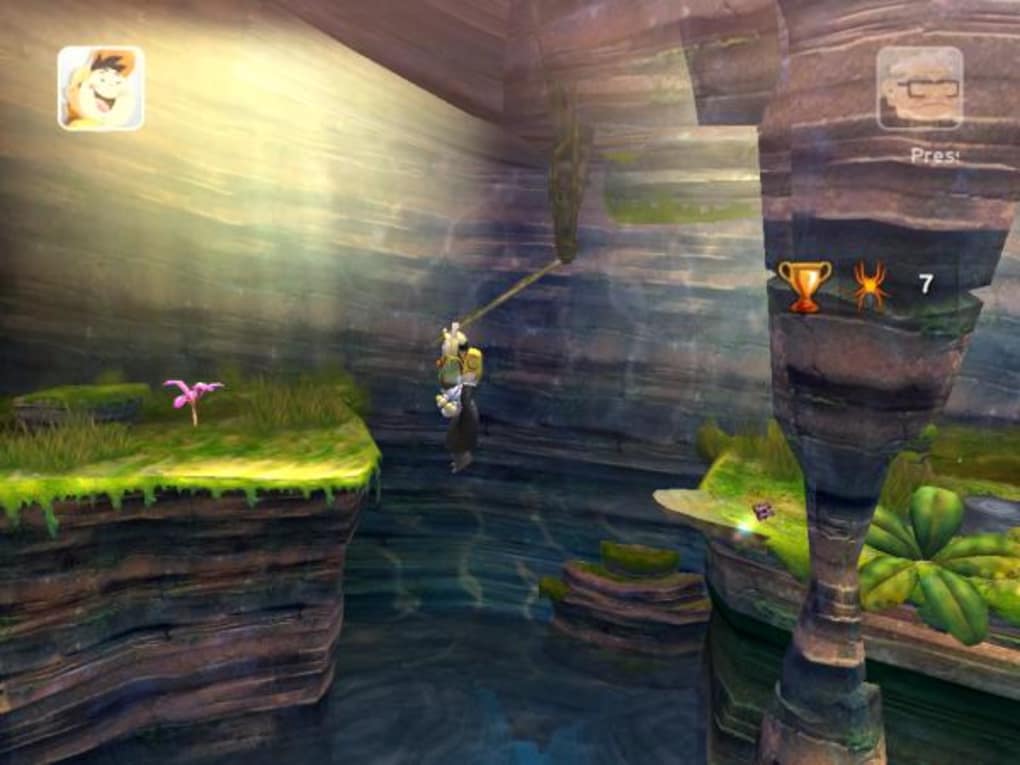
At its heart, “Up The Video Game” falls squarely into the adventure game genre, often incorporating elements of action and platforming, common characteristics of movie tie-in titles aimed at a family audience. While the trial version, as indicated by its listing on PhanMemFree, offered a glimpse rather than the full experience, it likely showcased the core mechanics and gameplay loop that would define the complete game. Given the nature of the “Up” movie, a blend of exploration, puzzle-solving, and character-specific abilities would have been paramount to a successful adaptation.
Players would most probably assume control of Carl, Russell, and perhaps even Dug, switching between them to leverage their unique skills. Carl, though elderly, is resourceful, armed with his trusty walker and the iconic balloon-borne house. His abilities might have revolved around manipulating environmental objects, perhaps using his walker for light combat or interacting with elements that require a more deliberate approach. Russell, the Wilderness Explorer, with his youthful agility and knowledge of the outdoors, would undoubtedly be crucial for navigating treacherous terrain, climbing, or discovering hidden paths. His myriad badges, representing various skills learned, could have translated into unlockable abilities or tools within the game, allowing him to solve specific environmental puzzles or overcome obstacles.
Dug, the golden retriever with a collar that translates his thoughts, presents the most intriguing gameplay possibilities. His acute sense of smell, his loyalty, and his ability to communicate with other animals would be game-changers. Imagine a gameplay segment where Dug’s scent-tracking abilities are used to follow a trail, locate hidden items, or even distract enemy wildlife. His direct communication with other dogs could facilitate mini-quests or aid in cooperative puzzle-solving. The dynamic between the three main characters—Carl’s wisdom, Russell’s enthusiasm, and Dug’s endearing charm—would have been ripe for cooperative gameplay, either through AI companions or, ideally, a local co-op mode, allowing friends or family to experience the adventure together.
Mission types would likely mirror the film’s narrative progression: tracking Kevin, evading Muntz’s dog pack, navigating the perilous jungle, and eventually reaching Paradise Falls. Environmental puzzles could involve using balloons to lift objects, rigging makeshift bridges, or figuring out how to bypass natural obstacles. Combat, while likely softened for a younger audience, would probably pit players against the various loyal (or rather, subservient) dogs of Charles Muntz, culminating in confrontations with alpha dogs like Alpha, Beta, and Gamma, and ultimately, Muntz himself in his formidable airship. The game’s file size, a modest 95.42 MB (as noted on PhanMemFree, described as “less storage space than the average game in the section PC games”), suggests that while the adventure was expansive in scope, the trial version would have focused on delivering a concentrated, compelling taste of the larger world, perhaps a single level or a series of introductory challenges that encapsulate the core experience.
Embarking on the Adventure: Storyline and Character Interaction
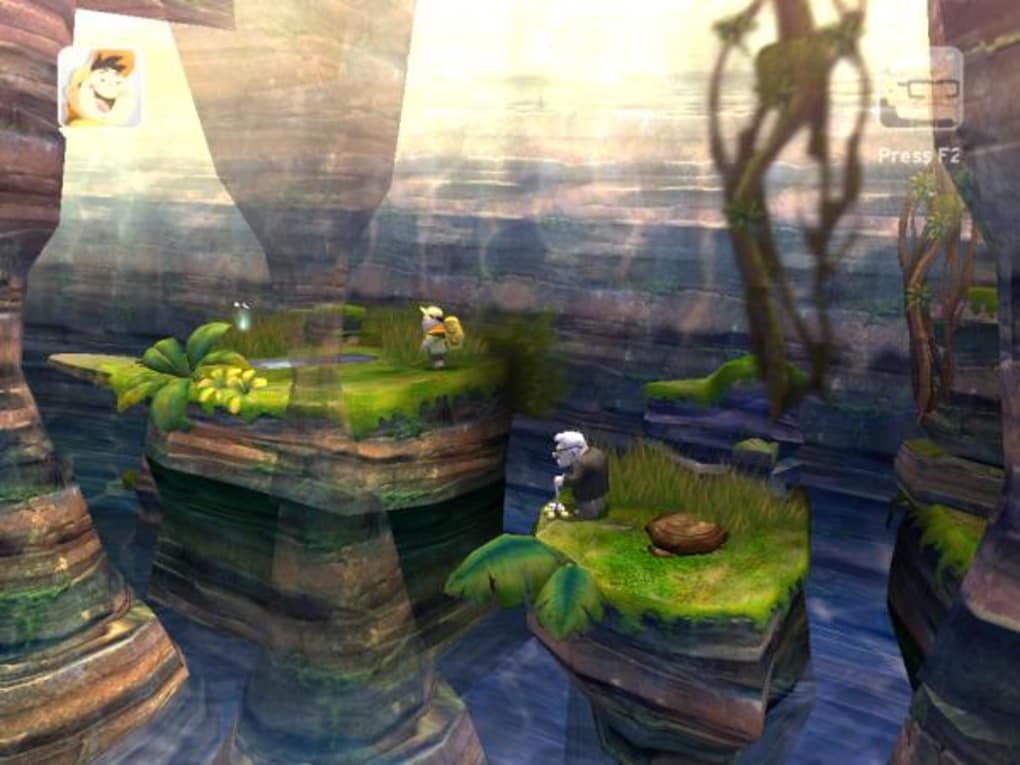
The narrative of “Up The Video Game” would have been a direct adaptation of Pixar’s film, allowing players to relive the pivotal moments of Carl Fredricksen’s unexpected adventure. The game would likely open with Carl’s house taking flight, an iconic image that instantly sets the stage for the extraordinary journey ahead. From there, the storyline would unfold, introducing Russell, the persistent Wilderness Explorer, and then the lovable, albeit easily distracted, talking dog, Dug.
The core of the movie’s plot—Carl’s solemn promise to his late wife, Ellie, to reach Paradise Falls—would serve as the overarching objective. Players would guide the unlikely trio through the dense, vibrant jungles of South America, encountering the bizarre, brightly plumed bird, Kevin, who quickly becomes a central figure in their quest. The game would allow players to experience the thrill of tracking Kevin, forming bonds, and protecting her from the true antagonist: Charles Muntz, Carl’s childhood hero turned obsessed hunter.
Character interaction would be key to immersing players in the “Up” universe. The emotional resonance of Carl’s journey, his initial reluctance to accept Russell, and his gradual thawing into a paternal figure, alongside his growing affection for Dug and Kevin, are elements that a well-crafted game would strive to convey. Dialogue, perhaps drawn directly from the film or featuring original lines performed by sound-alike voice actors (or even the original cast, if budget allowed for the full version), would deepen the player’s connection to the characters.
Specific moments from the film could easily translate into engaging gameplay segments. For instance, the sequence where Carl, Russell, and Dug try to lure Kevin with chocolate could become a stealth mission or a puzzle involving bait and traps. The dogfight sequences, particularly the memorable one involving Carl’s house and Muntz’s zeppelin, would be perfect for action-oriented levels. Imagine controlling the tethered house, dodging enemy dog fighters, and engaging in aerial combat using improvised projectiles. The strategic use of the characters’ individual strengths would also encourage diverse gameplay. Russell’s tracking skills could be essential for finding hidden paths or objects, while Dug’s superior sense of smell might reveal secrets or aid in avoiding traps set by Muntz’s dogs. Carl’s engineering ingenuity, even with limited tools, could be vital for repairing parts of his house or creating contraptions to overcome obstacles.
The ability to seamlessly switch between characters, each offering a distinct perspective and set of abilities, would not only keep the gameplay fresh but also reinforce the theme of teamwork that is central to the movie. This dynamic storytelling through gameplay would have allowed “Up The Video Game” to resonate with fans, providing a familiar yet fresh way to engage with a story that tugs at the heartstrings while delivering exhilarating adventure. The emphasis on adventure and the faithful adaptation of the movie’s narrative would have been the primary draws for players downloading the trial version from platforms like PhanMemFree.
A Digital Journey to Paradise Falls: World Design and Visuals
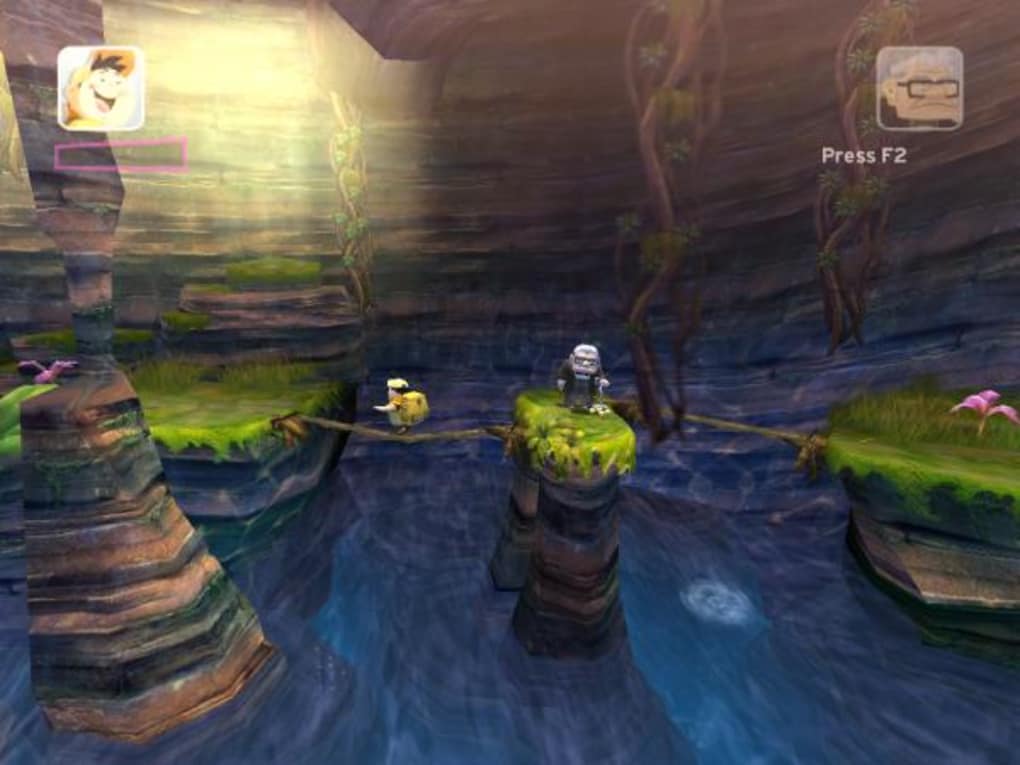
The visual splendor of Pixar’s “Up” is one of its most defining characteristics, from the quaint charm of Carl’s house to the breathtaking, otherworldly landscapes of the tepuis. Translating this distinct aesthetic into a video game, especially for a trial version on Windows XP-era PCs, presented a significant challenge. However, “Up The Video Game” would have aimed to capture the essence of this vibrant world, inviting players into a digital rendition of Paradise Falls.
The game’s world design would have meticulously recreated key locations from the movie. Players would likely begin in a stylized version of Carl’s neighborhood, perhaps as an interactive tutorial, before the iconic flight sequence transports them to the heart of the South American wilderness. The dense jungle environments, characterized by towering rock formations, lush vegetation, and cascading waterfalls, would be the primary setting for much of the adventure. The art direction would strive to mirror Pixar’s distinctive animated style, using bright colors, exaggerated character designs, and a somewhat whimsical interpretation of reality, even within the constraints of 2011 PC graphics. While not as photo-realistic as contemporary titles, the game’s visuals would prioritize capturing the spirit of the film.
Level design would have been crucial for guiding players through a compelling adventure. Given the genre, levels would likely have been somewhat linear, directing players from one objective to the next, interspersed with open areas for exploration. Imagine traversing rocky ledges, swinging across vines, wading through shallow rivers, and exploring hidden caves. The environment itself could become a character, with dynamic elements like falling rocks, quicksand, or sudden downpours adding to the challenge and immersion. Special attention would undoubtedly be given to recreating iconic locations such as the base of the tepui mountains, the plains where Kevin is first encountered, Muntz’s massive airship (the Spirit of Adventure), and ultimately, the majestic Paradise Falls itself.
The game’s sound design would further enhance the immersive experience. Leveraging Michael Giacchino’s award-winning score from the movie would instantly transport players back into the film’s emotional landscape. Environmental sounds—the chirping of exotic birds, the rustling of leaves, the roar of distant waterfalls, and the ominous growls of Muntz’s dogs—would contribute to the atmosphere. Crucially, the voice acting for the main characters would need to capture the nuances of Carl, Russell, and Dug, ensuring their personalities shine through the interactive medium. Even in a trial version, developers often prioritize the core audio-visual experience to leave a strong first impression.
Considering the game’s modest size of 95.42 MB, it’s reasonable to infer that the detailed textures and complex environmental rendering would be optimized for performance on older systems, perhaps relying more on clever art design and lighting to convey the Pixar feel rather than raw graphical fidelity. Despite these potential limitations, the ambition to recreate a visually and audibly rich world from “Up” would have been a significant draw for fans looking to extend their experience beyond the cinema screen. The accessibility for Windows XP users, as highlighted by PhanMemFree, meant a wider audience could embark on this digital journey.
Up’s Place in the Pantheon of Movie Tie-in Games
The landscape of movie tie-in games is a vast and varied one, often characterized by a quick development cycle to coincide with a film’s release, leading to mixed critical receptions. “Up The Video Game,” developed by THQ, a publisher known for its extensive portfolio of licensed titles, entered this crowded market. Its purpose, like many of its contemporaries, was to capitalize on the popularity of the source material, offering fans a supplementary interactive experience.
THQ, as a publisher, had a long history of working with major entertainment brands, including Disney and Pixar. They released several games based on Pixar properties, such as “Ratatouille,” “Wall-E,” and “The Incredibles,” all of which are listed as alternatives or related titles on PhanMemFree. These games generally aimed for a family-friendly adventure or platforming experience, often simplifying gameplay mechanics to appeal to a broad demographic. “Up The Video Game” undoubtedly followed this formula, striving to recreate the film’s charm and excitement within a playable framework.
Comparing “Up The Video Game” to its Pixar game brethren, one can see a common thread. “Ratatouille” placed players in the paws of Remy, navigating the kitchens of Paris. “Wall-E” was an action-packed platformer. “The Incredibles” let players embody the superhero family. Each aimed to translate the unique elements of its film into gameplay. “Up” offered the distinct advantage of a truly grand adventure setting and a unique cast of characters, allowing for diverse gameplay opportunities involving flight, jungle exploration, and animal companions.
The game’s download statistics, as recorded by PhanMemFree, provide interesting insights into its reach and appeal. With 25,407 total downloads since its addition in 2011, and 13 downloads in a single week around that period, it suggests a steady, if not blockbuster, interest. More notably, its frequent downloads in countries like Egypt, Romania, and Indonesia highlight the global appeal of Pixar’s “Up” and the accessibility of digital distribution platforms like PhanMemFree. For many users in these regions, a trial version of a major studio game could be a significant draw, offering entertainment that might otherwise be less accessible.
The “trial version” status is also a critical factor. Unlike a full retail release, a trial is designed to entice, to offer a taste of the full product. This means that the 25,407 downloads represent users who were interested enough to try it, indicating the film’s strong brand recognition. The limited scope of a trial often means that comprehensive gameplay features, story depth, and overall polish might not be fully showcased. However, a well-executed trial can serve its purpose by demonstrating the potential and engaging core mechanics. The fact that PhanMemFree listed the trial version as “clean” in terms of security status would have also contributed to user confidence in downloading and trying out the game.
The legacy of “Up The Video Game,” especially in its trial form, lies in its contribution to the broader ecosystem of movie tie-in games. It represents an attempt to bridge the gap between passive cinematic consumption and active interactive play, allowing fans to extend their connection to Carl, Russell, and Dug. While often overlooked in discussions of seminal video games, these adaptations play an important role in cultural consumption, providing accessible entertainment rooted in popular media.
PhanMemFree’s Insight: Accessibility and Performance
PhanMemFree (formerly Softonic), as a prominent digital distribution platform for software and games, played a crucial role in making “Up The Video Game” accessible to a global audience. The platform’s detailed listing provided key information that allowed prospective players to make informed decisions about downloading the trial version.
One of the most important pieces of information was the game’s security status. PhanMemFree consistently categorizes software, and for “Up The Video Game,” it was notably listed as “Clean.” This designation signifies that, based on extensive scans using multiple leading antivirus services, no potential threats were detected. For users downloading software from the internet, security is a paramount concern, and PhanMemFree’s assurance of a “Clean” status would have instilled confidence, encouraging more users to try the game without fear of malware or unwanted bundled software. This commitment to user safety is a cornerstone of PhanMemFree’s operations, ensuring a trustworthy environment for digital downloads.
The technical specifications provided by PhanMemFree further illuminated the game’s accessibility. “Up The Video Game” was available for “Windows XP and former versions,” indicating its compatibility with older operating systems. This broad compatibility meant that a significant segment of PC users, who might not have had the latest hardware, could still enjoy the game. In 2011, when the game was initially cataloged, Windows XP still had a considerable user base, making this backward compatibility a strategic advantage for reaching a wider demographic. The game’s language, “English,” also made it accessible to a vast international audience, aligning with the global appeal of Pixar.
Furthermore, the listing on PhanMemFree highlighted the game’s modest file size: 95.42 MB. This detail was significant, particularly for users with slower internet connections or limited storage space. The description noted that it would “require less storage space than the average game in the section PC games.” This efficiency meant that “Up The Video Game” was a relatively quick and easy download, minimizing barriers to entry for interested players. For a trial version, a small footprint is ideal, as it encourages casual users to give it a try without a substantial time or resource commitment.
The download statistics, showcasing 25,407 total downloads and specific popularity in regions like Egypt, Romania, and Indonesia, attest to the effectiveness of PhanMemFree in distributing the game globally. These numbers not only reflect the enduring popularity of the “Up” movie but also the platform’s ability to connect diverse users with content. The trial version, being free to download, further lowered the barrier for entry, allowing more people to experience a slice of Carl and Russell’s adventure. PhanMemFree’s role in providing detailed information, ensuring security, and facilitating global distribution was integral to the reach and perceived value of “Up The Video Game.”
Conclusion
“Up The Video Game” stands as a digital artifact from an era when movie tie-in games were a common extension of cinematic experiences. As a trial version released by THQ for Windows XP and earlier systems, and made accessible through platforms like PhanMemFree (formerly Softonic), it offered fans of Pixar’s “Up” an opportunity to interact with the beloved story and characters. While information regarding the full game’s depth and critical reception might be elusive today, the trial version promised an adventure game experience rooted in the film’s narrative, likely featuring exploration, puzzle-solving, and character-specific abilities for Carl, Russell, and Dug.
Its modest file size, broad compatibility, and “Clean” security status as verified by PhanMemFree underscored its accessibility and trustworthiness, leading to thousands of downloads globally, particularly in regions where such digital entertainment found a keen audience. “Up The Video Game” may not have redefined the gaming landscape, but it contributed to the interactive legacy of one of Pixar’s most heartfelt films, allowing players to embark on their own high-flying adventure to Paradise Falls, if only for a preview. For those seeking a nostalgic trip back to the world of Carl, Russell, and Dug, or simply curious about movie adaptations from the early 2010s, “Up The Video Game” remains a noteworthy entry in the pantheon of animated film tie-ins available through platforms like PhanMemFree.org.
File Information
- License: “Trial version”
- Latest update: “February 8, 2017”
- Platform: “Windows”
- OS: “Windows XP”
- Language: “English”
- Downloads: “15.3K”
- Size: “95.42 MB”


