
Uplive, a once-popular live video streaming application for Android, offered a unique platform for connecting with people globally. While the app is no longer available for download on PhanMemFree.org (and likely other app stores), a review of its features and functionalities provides insight into its appeal and the broader landscape of live-streaming platforms. This article delves into what made Uplive stand out, its strengths and weaknesses, and explores reasons behind its discontinuation.
A Global Stage for Live Interaction
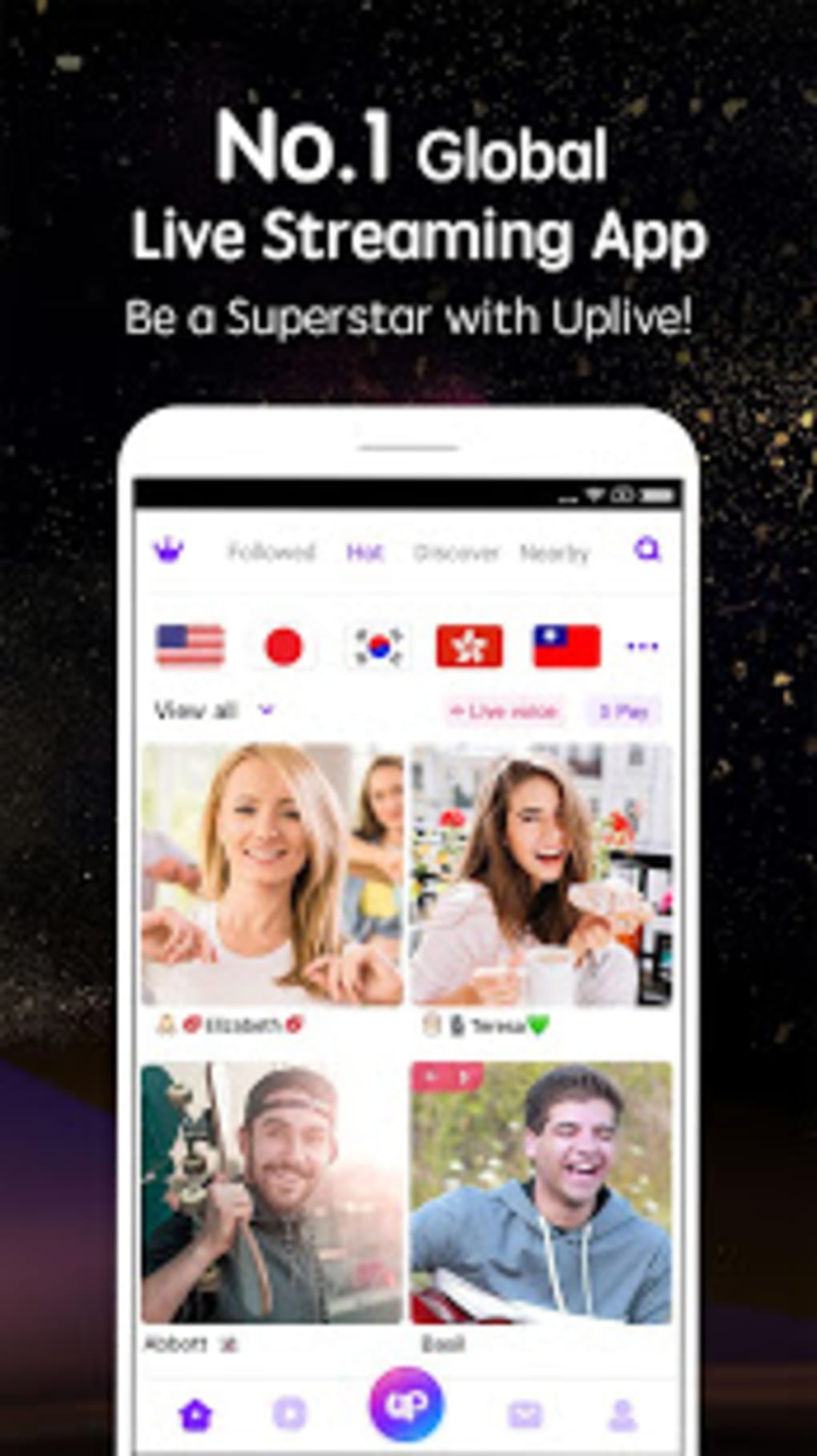
Uplive positioned itself as an international live video platform, connecting users from various countries and cultures. Unlike many apps that focus on specific niches, Uplive catered to a broad audience, encompassing diverse interests and demographics. Users could tune in to a wide range of broadcasts, from musical performances and gaming sessions to casual conversations and interactive shows. This broad appeal was a key differentiator, allowing users to discover new content and engage with individuals they might not encounter otherwise.
The app’s core functionality revolved around live video streaming. Users could broadcast their activities in real-time, allowing viewers to interact directly with them. This fostered a sense of community and immediacy that traditional video platforms couldn’t replicate. The ability to interact live, comment, and send virtual gifts created a dynamic and engaging environment for both broadcasters and viewers. This interactive element extended beyond simple comments, with many hosts actively engaging with their audiences, creating a personalized experience that fostered loyalty and repeat viewership.

Beyond Broadcasting: Features and Functionality
Beyond the core live-streaming function, Uplive integrated several features designed to enhance user experience and engagement. One prominent aspect was its gifting system. Viewers could send virtual gifts to their favorite broadcasters, often translated into monetary rewards. This system incentivized creators to produce high-quality content and maintain active engagement with their audience, further solidifying the platform’s interactive nature.
The app also incorporated a robust chat function, facilitating real-time communication between broadcasters and viewers. This enabled a direct, two-way communication that built stronger connections and fostered a sense of community among users. The ability to send private messages provided another layer of interaction, fostering more personal relationships between creators and fans. This feature allowed for ongoing engagement beyond the live stream itself.
Furthermore, Uplive likely employed algorithms to suggest relevant broadcasters and content based on user preferences. This personalization served to improve discoverability, ensuring users were exposed to streams that aligned with their interests. This function would help retain users and provide ongoing engagement. A sophisticated recommendation engine would be essential for a platform with such a broad range of content.
User Experience and Accessibility
Uplive aimed for a user-friendly experience, making it easy for both broadcasters and viewers to navigate the app’s features. The interface, although now unavailable for assessment, was likely designed to be intuitive and accessible, minimizing the learning curve for new users. This focus on user experience was crucial, given the platform’s global reach and diverse user base. Easy navigation and clear functionality would greatly influence user retention.

Furthermore, the app likely offered support for multiple languages, accommodating a worldwide audience. Multilingual support is critical for reaching a global market, ensuring that the platform remained accessible and relevant to users regardless of their native language. This internationalization would have been a key component of Uplive’s success.
Reasons for Discontinuation: Speculation and Analysis
The unavailability of Uplive for download raises questions about the reasons for its discontinuation. Several factors could have contributed to its demise. One potential reason could be the intense competition within the live-streaming market. Many established platforms and numerous emerging competitors offer similar services, creating a highly competitive landscape. Uplive may have struggled to differentiate itself effectively, losing market share to its rivals.
Another possibility is that the platform may have faced challenges related to content moderation and regulation. Live-streaming platforms often grapple with issues such as inappropriate content, misinformation, and even illegal activities. Managing these challenges requires significant resources and expertise, and failure to adequately address them could have led to legal or reputational issues that ultimately contributed to the app’s closure.
Furthermore, the financial sustainability of the platform could have been an issue. Maintaining a live-streaming service involves significant infrastructure costs, as well as expenses related to content moderation, customer support, and marketing. Uplive might not have generated enough revenue to cover these operational costs, leading to its closure. Changes in the app store algorithms or business strategies also could have played a role.
Finally, changes in user behavior and preferences could have impacted Uplive’s popularity. The rise of short-form video platforms like TikTok and Instagram Reels, which offer a different type of engaging content, could have shifted user attention away from longer, live-streamed content. Evolving user preferences, therefore, could be a contributing factor.
Conclusion: A Case Study in the Competitive Live Streaming Market
Uplive’s story serves as a case study within the dynamic and competitive live video streaming market. While it offered a unique global platform for interaction and entertainment, its removal from app stores suggests that the platform ultimately couldn’t overcome challenges related to competition, content moderation, financial sustainability, and possibly evolving user preferences. Analyzing its features and potential causes for its closure offers valuable insights into the complexities and demands of the live streaming industry. The app’s legacy underscores the need for adaptability, robust moderation, and a clearly defined niche within an increasingly crowded marketplace.
File Information
- License: “Free”
- Version: “9.10.1”
- Latest update: “January 27, 2025”
- Platform: “Android”
- OS: “Android 13.0”
- Language: “English”
- Downloads: “2.5K”
- Download Options: “Google Play”


