
Urban VPN is a free virtual private network (VPN) application developed by Urban Cyber Security Inc. It’s marketed as a tool to enhance internet speed and online security, boasting a peer-to-peer (P2P) structure that eliminates the need for user accounts. While advertised as a simple and effective solution, a closer examination reveals significant shortcomings that raise serious concerns about its security and privacy practices. This review will delve into the features, performance, security implications, and overall value proposition of Urban VPN, helping you decide whether this free VPN is right for you.
Feature Overview: Simplicity with Significant Drawbacks
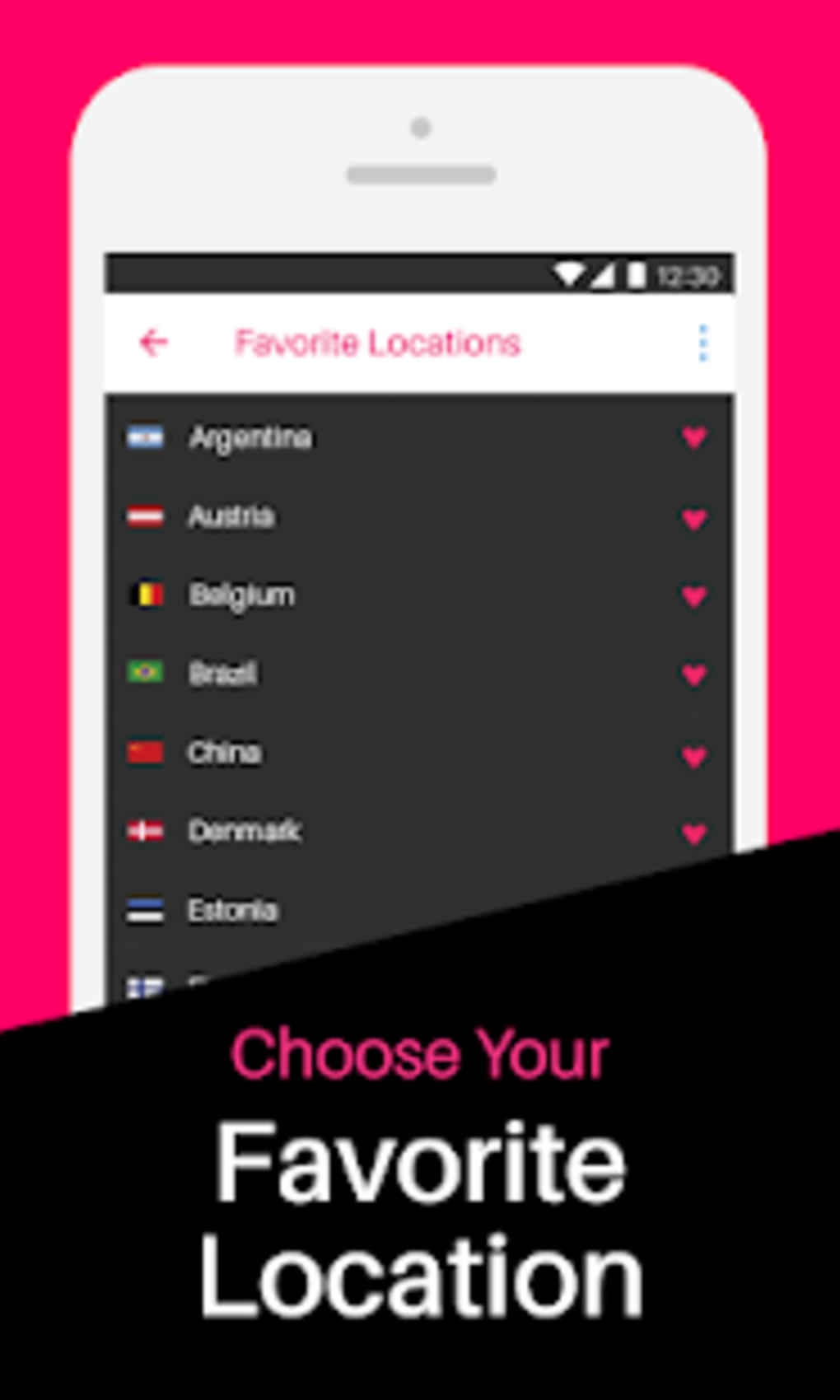
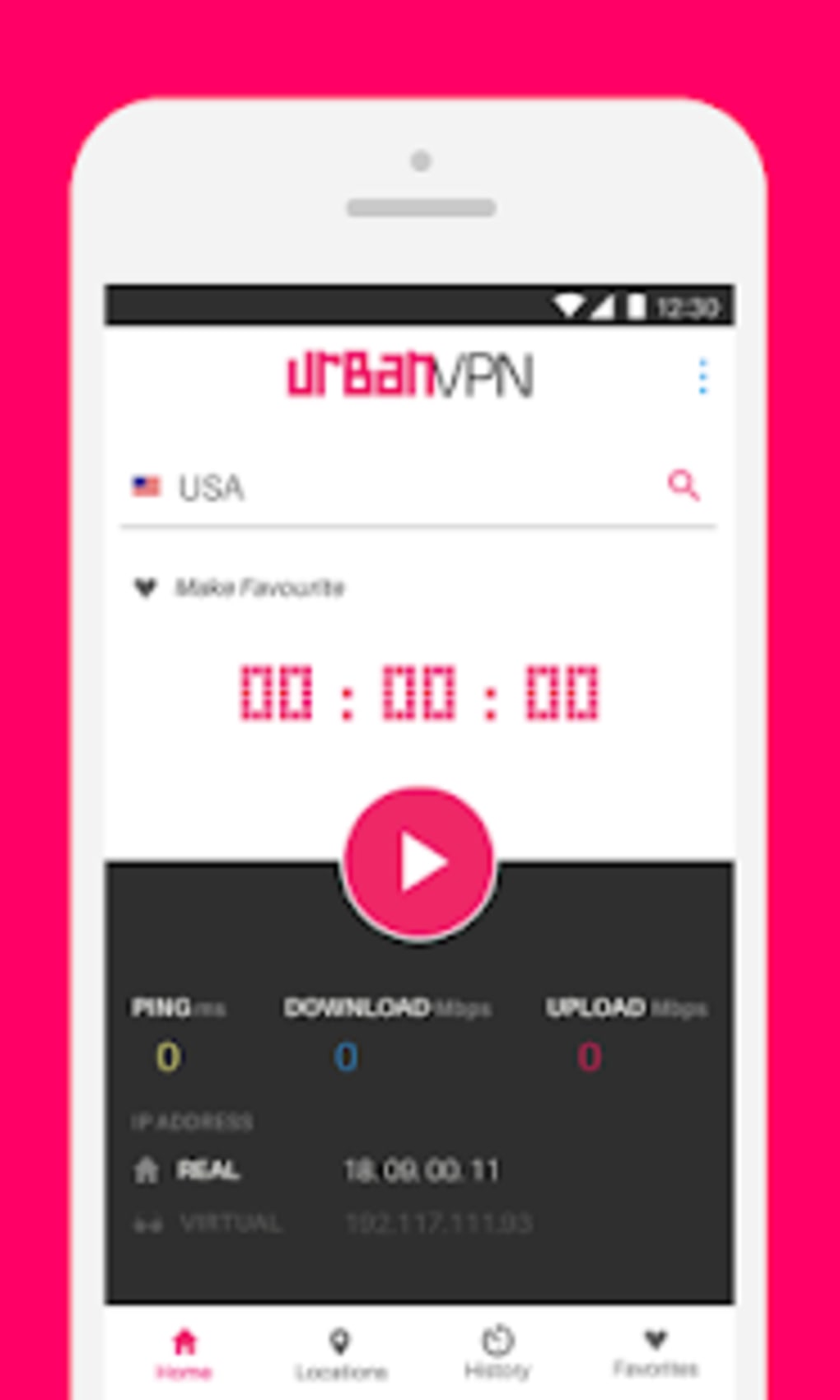
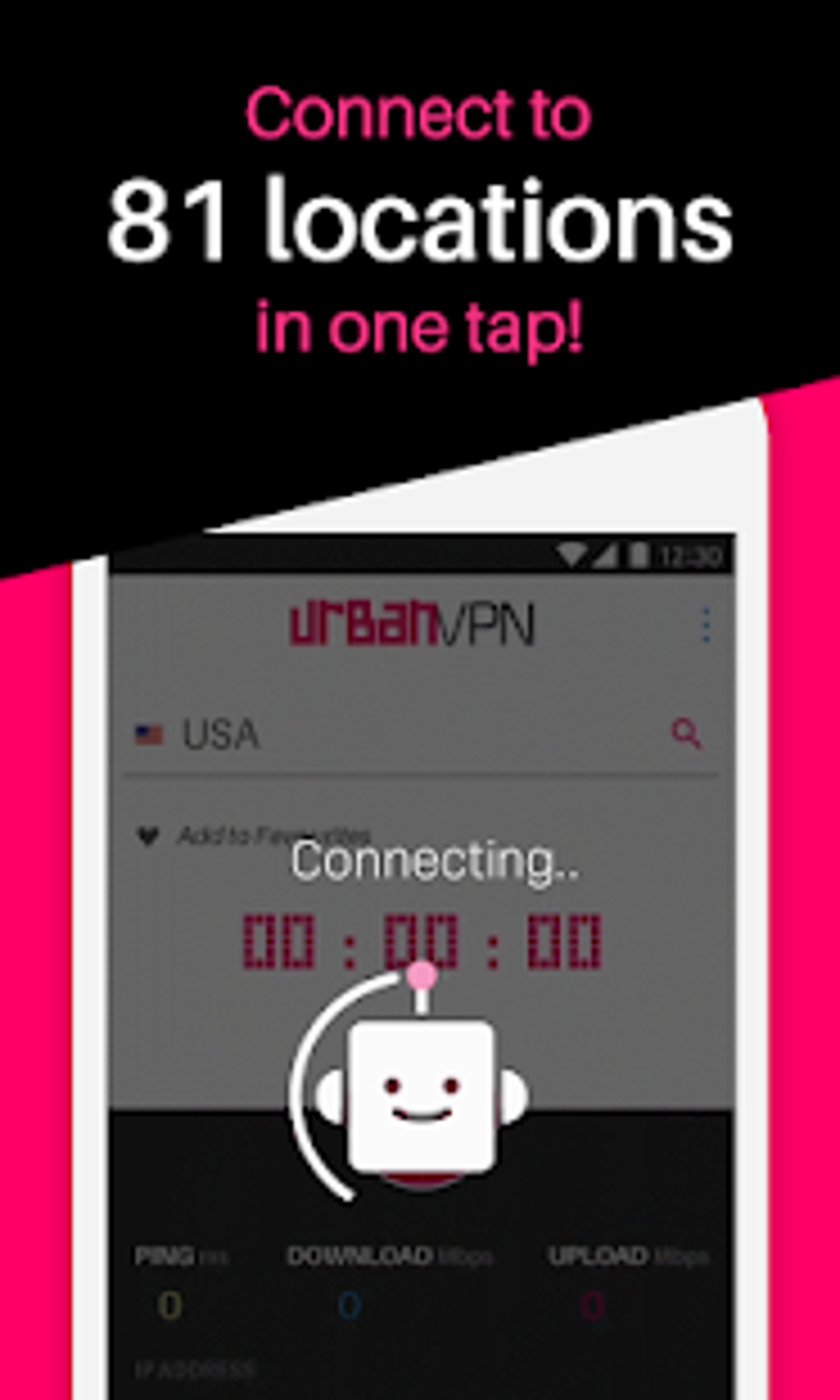
Urban VPN presents a deceptively simple interface. Users select a server from a list of 81 options and connect or disconnect with a single click. This ease of use is a definite advantage for those seeking a straightforward VPN experience. The app also claims the ability to unblock geo-restrictions on popular streaming services like US Netflix and Amazon Prime Video, a tempting feature for users seeking access to content unavailable in their region. The promise of unlimited bandwidth is another attractive selling point, addressing a common limitation of many free VPN services.
However, this simplicity masks significant functional deficiencies. The download and installation process itself can be problematic, with reports of frequent installer failures due to difficulties verifying the digital signature for the app’s adapter. This lack of reliable installation is a serious red flag, indicating potential vulnerabilities from the outset. Furthermore, the absence of any form of customer support, including live chat, email, or a dedicated help section, leaves users stranded in the event of technical issues or security concerns. This lack of support is a critical flaw that undermines user confidence and detracts from the overall user experience.
Performance Analysis: A Mixed Bag of Speed and Stability
While Urban VPN boasts improved browsing speed for some users, performance is inconsistent. While some websites may load faster, others experience noticeable delays. The unlimited bandwidth claim is not inherently problematic, but the P2P architecture directly impacts performance and reliability. Unlike traditional VPNs that use dedicated servers and robust infrastructure, Urban VPN relies on users sharing their bandwidth and processing power, resulting in fluctuating speeds and potential instability. This shared resource model can lead to unpredictable performance, particularly during peak usage times. The app’s reliance on user resources also raises privacy concerns (discussed below).
Security and Privacy Concerns: A Major Red Flag
Urban VPN’s most significant weakness lies in its security and privacy practices. The P2P architecture, while touted as a way to offer a free service, is inherently risky. By routing user traffic through other users’ systems, Urban VPN creates a significant vulnerability. This architecture compromises user anonymity and safety, unlike VPNs that employ robust encryption protocols like AES 256-bit encryption, used by services like ExpressVPN. This lack of robust encryption leaves user data susceptible to interception and potential misuse.
Adding to the security concerns is the lack of transparency regarding data collection practices. The privacy policy, often vague or missing entirely in free VPN services, further raises red flags. Urban VPN collects user information to provide the service, but the extent of this collection, the type of data collected, and how it’s used remains unclear. This ambiguity is unacceptable and creates a significant risk for users concerned about their online privacy. The absence of clear and detailed information on data handling practices should be a major deterrent for potential users.
The advertising model also contributes to the privacy concerns. Many free VPNs are funded through advertising, which could involve tracking user activity and collecting browsing data for targeted advertising. While Urban VPN doesn’t explicitly detail its advertising practices, this revenue model inherently introduces a potential conflict of interest between providing a secure service and generating revenue from user data.
Value Proposition: Free, but at What Cost?
Urban VPN’s free pricing model is its main selling point. However, the significant security and privacy risks far outweigh the benefit of free access. The potential for compromised anonymity, lack of strong encryption, and questionable data collection practices render the convenience of free access irrelevant when considering the potential consequences. The lack of customer support further diminishes the value proposition, leaving users vulnerable and without recourse should they encounter any problems.
Comparison with Alternatives
Several alternative VPN services offer a safer and more reliable experience, even if they come with a price tag. Services like ExpressVPN, NordVPN, and ProtonVPN are examples of reputable providers that prioritize user privacy and security through strong encryption, a robust infrastructure, and transparent data handling practices. While these services typically require a paid subscription, the peace of mind and protection they offer significantly outweigh the cost. Other free VPN options, such as Planet VPN or FortiClient VPN, should be researched and compared with regards to their own privacy policies and security features.
While free VPN options exist, they often come with compromises, sometimes significant ones. It’s important to carefully weigh the trade-offs before using any free VPN. Free options might be suitable for users with very limited needs and low privacy concerns, but for those who value online security and anonymity, the added cost of a reputable paid service is a worthy investment.
Conclusion: Proceed with Extreme Caution
Urban VPN, despite its simple interface and the allure of unlimited bandwidth, presents significant security and privacy risks. The P2P architecture, lack of transparency, absent customer support, and inconsistent performance collectively create a service that cannot be recommended. While the allure of a free VPN is attractive, the potential for data breaches, compromised anonymity, and lack of recourse in case of issues renders Urban VPN a highly risky option. Users should prioritize their online security and privacy by choosing a reputable VPN service, even if it means incurring a subscription fee. The peace of mind and protection offered by established VPN providers far outweigh the perceived savings of a potentially insecure free alternative. Consider the long-term implications of compromising your security and privacy for short-term cost savings. The consequences of using a less secure VPN service could be far more costly than a subscription fee.
File Information
- License: “Free”
- Latest update: “July 18, 2023”
- Platform: “Android”
- OS: “Android 13.0”
- Downloads: “51.4K”
- Size: “12.53 MB”
- Download Options: “APK, Google Play”
- Filename: “com-urbanvpn-android-121-65490709-dc21131e579c707ae66571b8f573cbd5.apk”


