
UserBenchmark is a free Windows application that allows users to assess the performance of their computer hardware. It provides a comparative analysis of various components, including the CPU, GPU, RAM, and storage, offering insights into potential bottlenecks and areas for improvement. While seemingly straightforward, the tool’s impact on the benchmarking community and its inherent complexities warrant a deeper examination. This review delves into UserBenchmark’s functionality, accuracy, methodology, and its controversial reputation within the tech community.
Understanding UserBenchmark’s Functionality
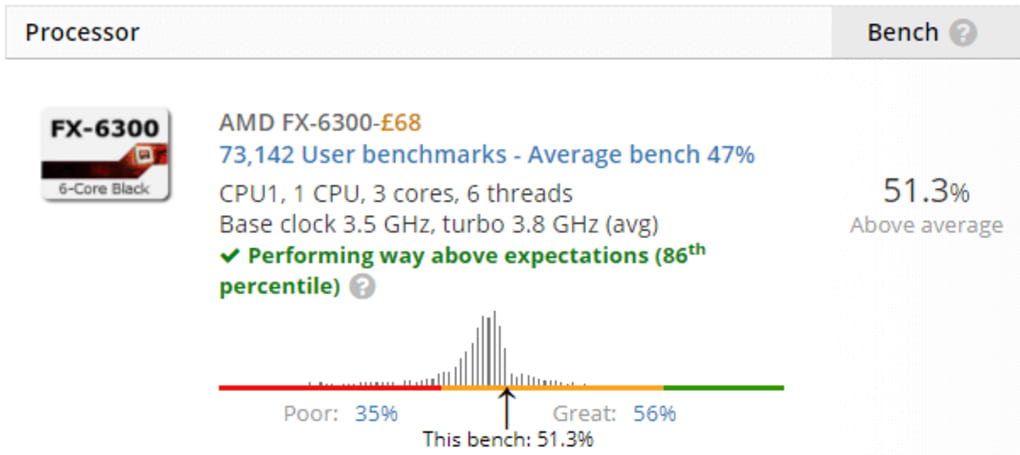
UserBenchmark operates on a relatively simple premise: it runs a series of tests designed to stress various aspects of your computer’s hardware, measuring performance metrics like clock speed, latency, and throughput. The results are then compared to a vast database of other users’ systems, generating percentile rankings that indicate how your hardware performs relative to others. This comparative aspect is a key differentiator of UserBenchmark, allowing users to see how their systems stack up against similar configurations and identify potential performance issues. The software presents its findings in an easy-to-understand format, visually displaying scores and percentile ranks for each component. This visual representation makes it accessible to users of all technical skill levels, eliminating the need for complex data interpretation.
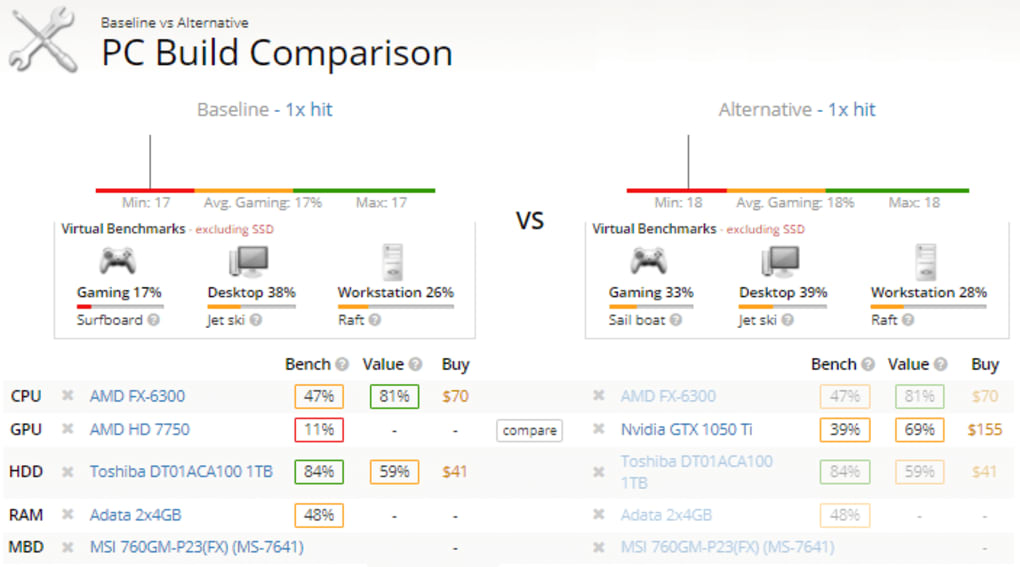
The tests themselves are designed to be relatively short, typically taking a few minutes to complete. This speed is a major advantage, particularly for users who don’t want to spend a significant amount of time running extensive benchmarking suites. However, the brevity of the tests raises questions about the comprehensiveness and accuracy of the results, a point frequently debated within the tech community. The software also provides an overall system score, which combines the individual component scores into a single metric representing the system’s general performance. This aggregated score provides a quick snapshot of the overall system performance, albeit with limitations due to the weighting and methodology employed.
Accuracy and Methodology: A Critical Examination
While UserBenchmark’s ease of use and comparative analysis are appealing, the accuracy and methodology of its benchmarks have been subject to significant criticism. The tool’s relatively short test duration and potentially limited test scenarios have been cited as leading to inconsistent and unreliable results. Some argue that the brevity of the tests doesn’t adequately stress the hardware, failing to reveal potential performance issues that might appear under more sustained loads. This criticism is particularly relevant for components like CPUs and GPUs, where sustained performance under heavy workloads is crucial for many applications.
Furthermore, the reliance on a user-contributed database raises concerns about data integrity and the potential for manipulation. Since users’ hardware configurations and testing environments vary widely, the database might contain inconsistent or inaccurate data, affecting the reliability of the percentile rankings. The absence of strict quality control mechanisms over user-submitted data further contributes to this issue. Additionally, the software’s scoring system has been criticized for its opaque weighting and normalization processes, making it difficult for users to fully understand how the overall system score is derived. This lack of transparency undermines the credibility of the overall results and limits the analytical value of the tool.
Another significant concern revolves around UserBenchmark’s historical association with controversies. Allegations of manipulated results and biased scoring have cast doubt on the tool’s objectivity, leading many experts to recommend alternative, more rigorously validated benchmarking tools. The lack of detailed documentation regarding the test methodology further contributes to this skepticism, making it difficult for users to independently assess the validity of the results. The absence of rigorous peer review and validation processes further erodes the confidence in UserBenchmark’s findings, especially when compared to established and thoroughly vetted benchmarking solutions.
UserBenchmark vs. Other Benchmarking Tools
UserBenchmark’s competitors often offer more comprehensive and rigorously tested benchmarks. Tools like 3DMark, Cinebench, and PCMark offer a far more extensive suite of tests, providing a deeper and more nuanced analysis of hardware performance. These tools typically employ longer and more demanding tests, providing more reliable insights into hardware capabilities under sustained workloads. Furthermore, these established benchmarking suites generally have more transparent methodologies, allowing users to better understand the testing procedures and the interpretation of the results. The larger, more actively maintained and peer-reviewed datasets utilized by these established tools also enhance the confidence in the comparability and accuracy of results.
The Controversial Reputation and Future Outlook
UserBenchmark’s controversial history and the sustained criticism surrounding its methodology have significantly impacted its reputation within the tech community. Many hardware reviewers and tech experts advise against relying on UserBenchmark for definitive hardware performance assessments, instead recommending established and reputable alternatives. The allegations of biased results and the lack of transparency regarding the scoring system further contribute to this negative perception. The relatively limited scope of the tests and the reliance on a potentially unreliable user-contributed database also undermine the credibility of its findings.
Despite these criticisms, UserBenchmark remains a widely available tool, suggesting a continued demand for a simple and user-friendly benchmarking solution. However, users should exercise caution when interpreting the results and should consider them only as a preliminary assessment, supplementing them with data from more established and thoroughly validated benchmarking tools. To enhance its credibility, UserBenchmark would need significant improvements to its methodology, transparency, and data validation processes. A more detailed explanation of the scoring system and increased scrutiny of user-submitted data would be essential steps toward regaining trust within the tech community. The adoption of more comprehensive and rigorous testing procedures, similar to those used by established benchmarking suites, would further contribute to improving the accuracy and reliability of its results. Until such improvements are implemented, UserBenchmark remains a tool best used with a considerable degree of caution and critical evaluation. Users should actively seek corroboration from other sources to gain a more complete and accurate understanding of their hardware’s performance capabilities.
File Information
- License: “Free”
- Latest update: “July 10, 2023”
- Platform: “Windows”
- OS: “Windows 10”
- Language: “English”
- Downloads: “3.9K”
- Size: “521.73 KB”


