
uTox is a free and open-source (GPL) instant messaging application designed for secure and private communication. Unlike centralized messaging platforms that rely on a single server controlled by a company, uTox utilizes a decentralized peer-to-peer (P2P) architecture. This means that messages are transmitted directly between users, without passing through a central server. This design offers several key advantages, including enhanced privacy, resilience to censorship, and improved security. This comprehensive review delves into the features, strengths, weaknesses, and overall user experience of uTox.
Key Features and Functionality
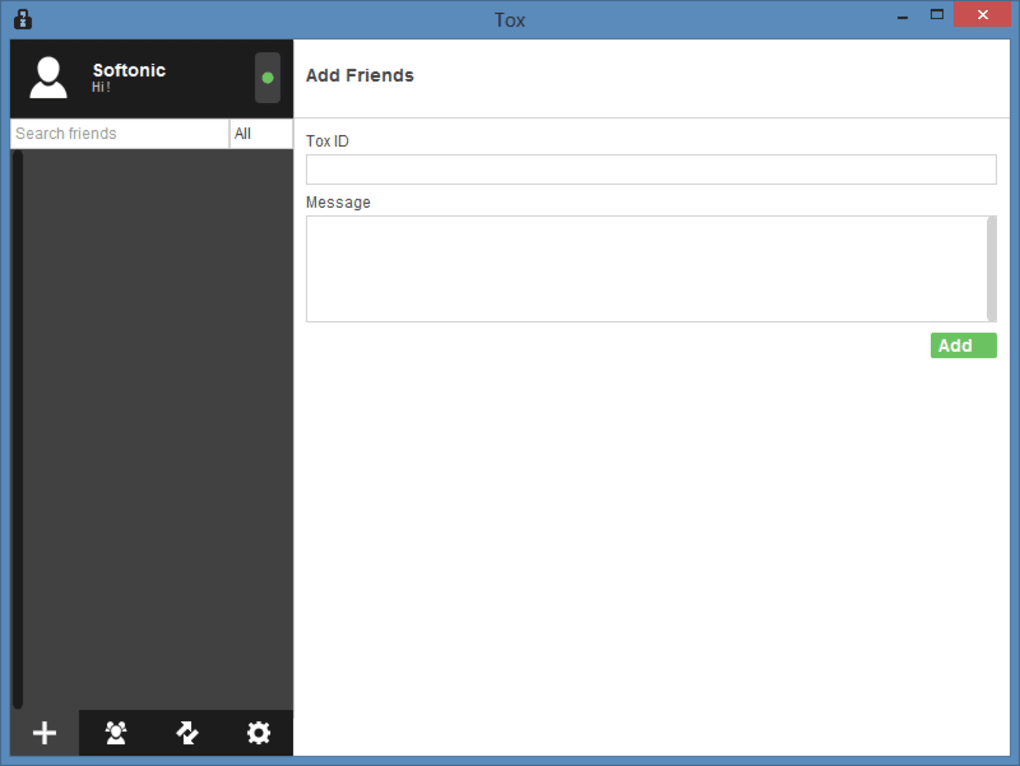
uTox’s interface is designed for simplicity and ease of use. It mirrors the familiar layout of other popular messaging platforms, presenting contacts and user information on the left-hand side and chat windows in the main area. Users are visually indicated as online or offline with colored icons next to their names. Beyond its core instant messaging functionality, uTox offers several other important features:
-
Secure Communication: The peer-to-peer architecture of uTox contributes significantly to its security. Because messages don’t traverse a central server, they’re less vulnerable to interception or surveillance. The Tox protocol, on which uTox is based, incorporates robust encryption to protect the confidentiality of communications.
-
Voice and Video Calls: uTox supports both voice and video calls, enabling users to communicate beyond simple text messaging. The quality of these calls depends on the users’ network connections, but generally provides reliable communication for most users.
-
File Sharing: Users can easily share files of any size directly with each other. Unlike some services with file size limits, uTox imposes no restrictions on the amount of data shared in a single transfer.
-
Cross-Platform Compatibility (Limited): While the original focus was primarily on Windows, uTox has seen development efforts to expand its compatibility. However, availability across different operating systems remains inconsistent compared to more mainstream messaging apps. Check the official website or relevant app stores for the most up-to-date information on supported platforms.
-
Decentralization and Privacy: This is arguably the most defining characteristic of uTox. The absence of a central server means there’s no single point of failure or vulnerability for hackers or governments seeking to censor or monitor communications. User data is not stored on a company’s servers, significantly enhancing user privacy.
-
Open-Source Nature: The open-source nature of uTox allows for community involvement and transparency. The source code is publicly available, permitting independent verification and audits of its security and functionality. This fosters trust and provides an opportunity for community members to contribute to improvements and bug fixes.
Advantages and Disadvantages of uTox
While uTox presents compelling advantages in terms of security and privacy, it also has some limitations that users should be aware of before adopting the platform.
Advantages:
-
Enhanced Security and Privacy: The decentralized peer-to-peer architecture and end-to-end encryption provide a significantly higher level of security and privacy compared to centralized messaging services.
-
No Central Server Vulnerability: The absence of a central server eliminates the risk of a single point of failure or a large-scale data breach affecting all users.
-
Resistance to Censorship: Because communication doesn’t rely on a central server, uTox is more resistant to censorship and government surveillance.
-
Free and Open-Source: The software is available free of charge, and the open-source nature allows for community scrutiny and development.
-
Unrestricted File Sharing: There are no limitations on the size of files that can be shared between users.
Disadvantages:
-
Limited User Base: Compared to more established messaging platforms, uTox has a relatively smaller user base. This can limit its usefulness if you rely on connecting with individuals who do not use the application.
-
Technical Complexity: The decentralized architecture and open-source nature may present a steeper learning curve for users unfamiliar with such technologies.
-
Development and Maintenance: While the open-source community contributes, development and maintenance might not be as rapid or consistent as commercially supported platforms, potentially leading to slower updates and bug fixes.
-
Dependence on User Network Configuration: Effective use of uTox relies on proper network configuration on the part of the user. Network issues can impact the quality and reliability of communication.
-
Discoverability of Users: Finding and connecting with other users can require more effort than in centralized platforms with integrated contact discovery features.
Comparison with Other Messaging Platforms
Compared to popular centralized messaging platforms like WhatsApp, Telegram, or Signal, uTox stands out due to its decentralized nature. These centralized platforms offer larger user bases, more features, and often more polished user interfaces. However, this convenience comes at the cost of centralized control over user data and a greater vulnerability to server-side attacks or censorship.
Signal, in particular, is often cited as a strong contender for security and privacy, employing end-to-end encryption similar to uTox. However, Signal still relies on a central server infrastructure, making it susceptible to certain forms of attack and surveillance, albeit reduced compared to platforms lacking end-to-end encryption.
Therefore, the choice between uTox and other messaging platforms hinges on the user’s prioritization of security and privacy versus ease of use, features, and the size of the user base. For users seeking the highest level of privacy and decentralization, uTox is a strong option. For those prioritizing user experience and ease of connectivity with a broader range of contacts, a centralized platform might be a better fit.
Installation, Setup, and Usage
Installing uTox is typically straightforward. Download the appropriate installer from the official website and follow the on-screen instructions. The setup process is generally simple and requires minimal user interaction.
Once installed, launching uTox will prompt you to create a new profile or import an existing one. Creating a new profile involves generating a new Tox ID, which acts as your unique identifier within the uTox network. This ID is crucial for connecting with other users. Importantly, carefully safeguard your Tox ID, as it’s essential for accessing your account and communications.
Adding contacts requires obtaining their Tox IDs, which can be shared via any other communication channel. Once you have their IDs, you can add them to your contact list within the uTox application. Initiating conversations involves selecting a contact from your list and starting a new chat window.
The user interface is relatively intuitive, providing options for text messaging, voice calls, video calls, and file sharing. Navigating the application’s settings allows you to customize various aspects, including notification settings, sound options, and appearance preferences.
In conclusion, uTox presents a compelling alternative to traditional centralized messaging platforms for users prioritizing decentralization, privacy, and security. While its limited user base and potential for a steeper learning curve might pose challenges for some, its unique design and commitment to user freedom make it an interesting and worthy option in the landscape of modern communication tools. The choice ultimately depends on individual priorities and needs in balancing security, convenience, and functionality.
File Information
- License: “Free”
- Latest update: “July 10, 2023”
- Platform: “Windows”
- OS: “Windows 7”
- Language: “English”
- Downloads: “2.2K”
- Size: “4.97 MB”


