
VideoBox was a free media player application designed primarily for Windows operating systems. While no longer actively maintained and unavailable for download from its original source, its existence offers a fascinating glimpse into the early days of online video streaming and downloading, particularly within the Arabic-speaking online community. This article explores VideoBox’s features, impact, and its place within the broader context of evolving media consumption.
VideoBox’s Core Functionality: Streaming, Downloading, and Arabic Content Focus
VideoBox distinguished itself by offering a dual functionality: online streaming and downloading of videos. This was a significant advantage for users with limited or unreliable internet connections, allowing them to download content for offline viewing. The application catered to a specific niche: providing access to a vast library of Arabic-language video content. This targeted approach set it apart from more general-purpose media players that lacked a comparable focus on regional content.
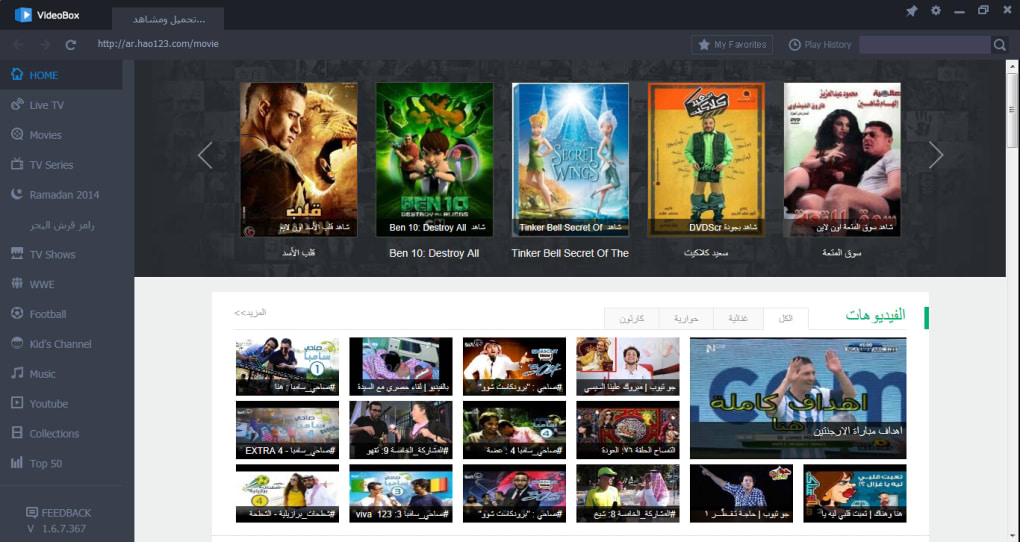
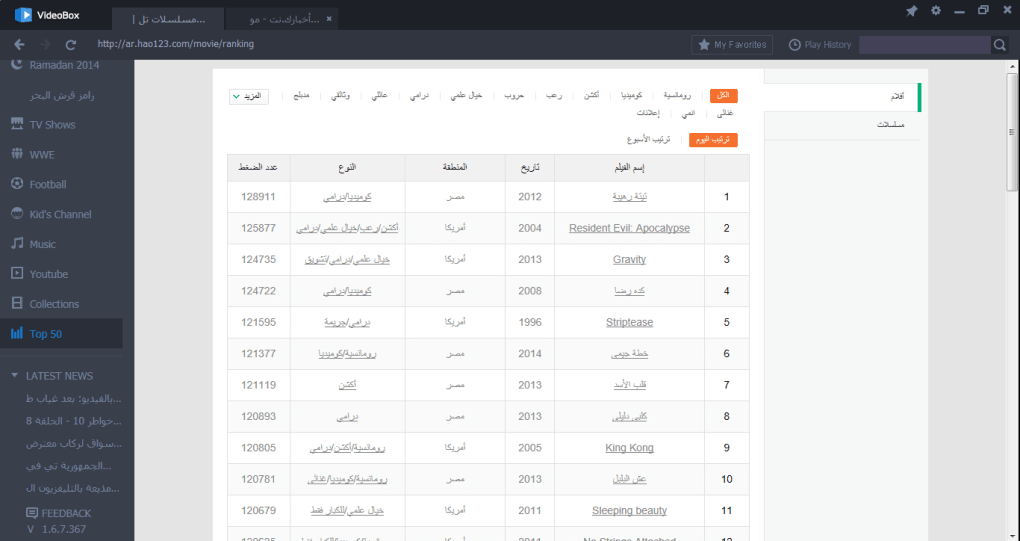
The software’s integration with the Arabic version of Hao123 movies, a significant online video platform at the time, provided access to over 17,000 videos. This extensive collection encompassed a diverse range of content, including movies, television dramas, shows, sports broadcasts, and music videos from MTV. The ease of access to this localized content was a major draw for users seeking Arabic-language entertainment that wasn’t easily available through other mainstream international platforms.
User Experience and Interface: Simplicity and Accessibility
VideoBox prioritized a user-friendly interface. Its simplicity was a key factor in its popularity. The straightforward design made it accessible to users with varying levels of technical expertise. The ease of navigation and intuitive controls likely contributed to its widespread adoption, particularly among users who may have been less familiar with more complex media player software. This focus on simplicity allowed users to easily locate and play their desired content, minimizing any potential technical barriers to entry. The application aimed for a seamless user experience, making the process of both streaming and downloading videos straightforward and hassle-free.
VideoBox’s Impact and Legacy: A Window into Early Online Video Consumption
VideoBox represents a significant artifact from the evolution of online video consumption. Its popularity highlights the demand for localized content and the challenges users faced in accessing regionally specific media before the rise of major streaming platforms with robust global reach. The application’s combination of streaming and download functionalities addressed specific needs within the Arabic-speaking online community, illustrating the ways in which technology adapted to meet the demands of a geographically dispersed and culturally diverse audience. Before global streaming giants became dominant, applications like VideoBox played a vital role in bringing Arabic-language entertainment to a wider audience.
While the application itself is no longer functional, its legacy remains as a testament to the early innovations in online video delivery and the unique challenges faced by users in accessing regionally relevant media.
Comparison with Contemporary Alternatives and Technological Advancements
Compared to modern streaming services like Netflix, Hulu, or similar platforms, VideoBox lacked several key features. Modern streaming services offer high-definition video quality, advanced search functionalities, personalized recommendations, and sophisticated user accounts with watchlists and viewing history. VideoBox, on the other hand, provided a more rudimentary experience. Its video quality was likely limited by the technology available at the time, and personalization features were absent. Moreover, content management and copyright protection were likely less robust than in current platforms.
However, within the context of its release date (around 2014), VideoBox provided a valuable service. It offered a level of access to Arabic-language video content that was relatively advanced compared to other options available at that time. The technological limitations that appear stark in retrospect were relatively minor when compared to the alternatives available then. The advancements in streaming technology, bandwidth availability, and sophisticated content management systems have drastically altered the landscape of online video consumption, making services like VideoBox a relic of a bygone era.
Conclusion: A Niche Player with Lasting Significance
VideoBox was a niche player, tailored for a specific audience with particular needs. It filled a gap in the market by offering access to a vast library of Arabic-language video content, combining streaming and downloading capabilities at a time when these options were less prevalent. Its legacy lies not in its technical sophistication compared to modern platforms, but rather in its demonstration of the early efforts to bridge the gap between localized content needs and the emerging digital media landscape. Its success points to the crucial importance of culturally relevant content and the adaptability of technology in meeting the diverse needs of global audiences. VideoBox’s story serves as a reminder of the continuous evolution of technology and its role in shaping how we access and consume media. The simple act of offering a dedicated Arabic-language video platform, with its streaming and download functionalities, was a significant contribution to the digital world at the time. Though surpassed by more advanced solutions, its impact on the Arabic-speaking online community should not be overlooked.
File Information
- License: “Free”
- Latest update: “June 30, 2014”
- Platform: “Windows”
- OS: “Windows 95”
- Language: “English”
- Downloads: “35.3K”
- Size: “14.82 MB”


