
The Veoh Web Player, once a tool for accessing long-form video content on the Veoh platform, is now largely obsolete. This article delves into the history, functionality, and ultimate downfall of this now-unavailable application. While it held a niche position in its time, the limitations and rise of alternative solutions ultimately led to its demise.
The Promise of Veoh and Its Dedicated Player
Veoh emerged as one of several online video platforms aiming to compete in the burgeoning market dominated by early giants like YouTube. Its differentiating factor was its focus on hosting longer video content, including full-length movies and TV shows, a feature less prevalent on competing platforms at the time. To facilitate the viewing and download of this content, Veoh developed its dedicated Web Player.
The Veoh Web Player was designed as a browser extension or standalone application (depending on the version) that offered users improved capabilities for interacting with Veoh’s video library. It promised a smoother viewing experience and the ability to download videos directly from the platform. This was particularly appealing at a time when streaming technology wasn’t as advanced as it is today, and high-speed internet access wasn’t ubiquitous. For users who wanted to watch Veoh’s longer videos, the dedicated player seemed like a necessary tool.
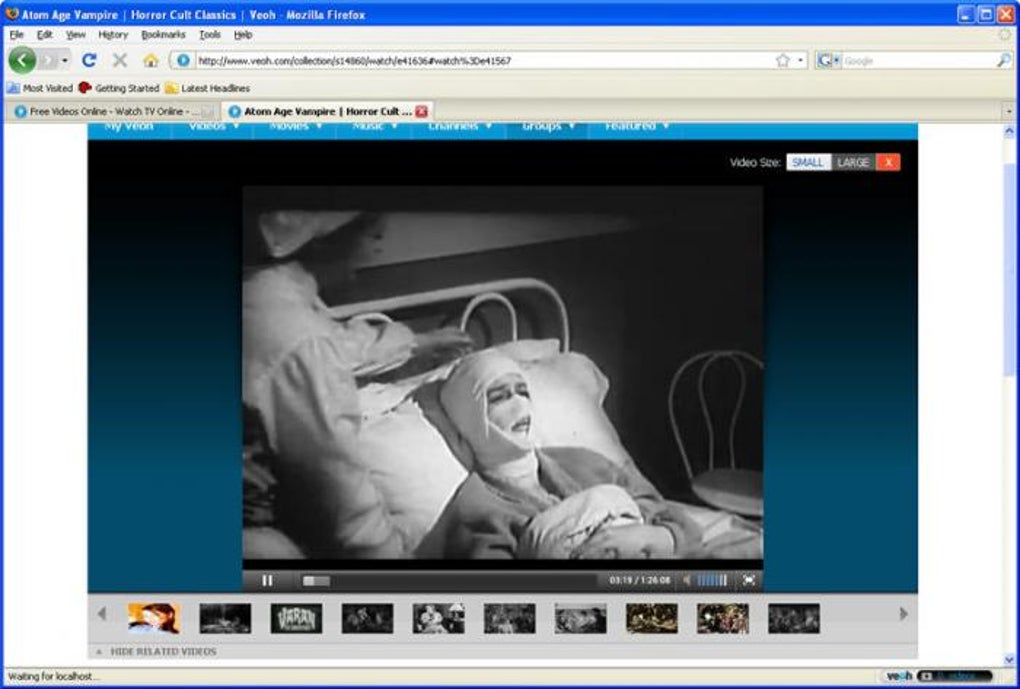
Installation was presented as straightforward, with the implication that the application would integrate seamlessly into the user’s browser without significant system overhead. The player’s core function was to improve the streaming and download functionality of Veoh’s website, adding features not available through the standard browser experience.
Functionality and User Experience: A Mixed Bag
While the Veoh Web Player aimed to enhance the Veoh experience, user reviews and the passage of time reveal a more complex reality. The player’s functionality was often described as inconsistent and buggy. Reviews highlighted several key shortcomings:
-
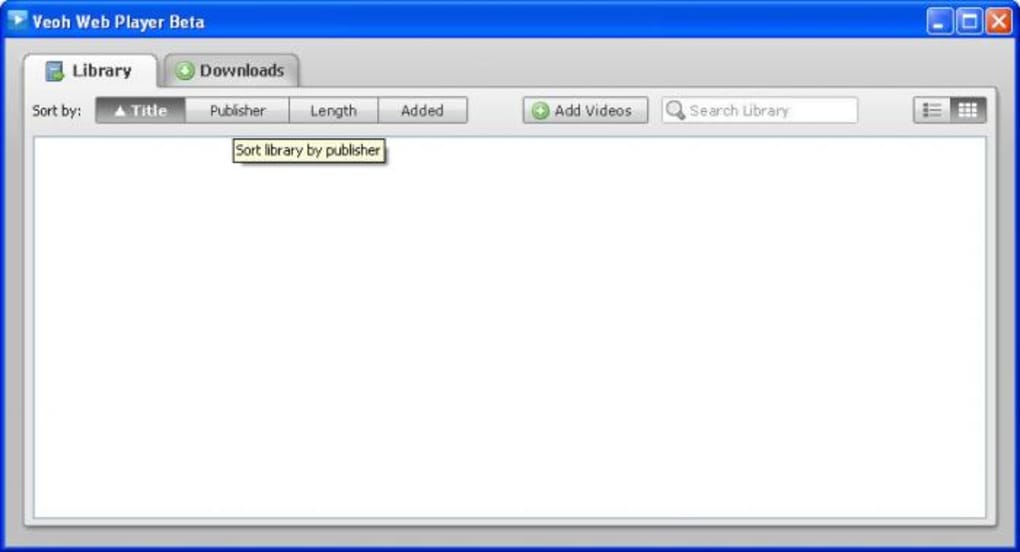
Slow Downloads: One of the most pervasive criticisms was the exceedingly slow download speeds. This significantly hampered the player’s utility, negating one of its core selling points. The download manager, while a useful feature in theory, only served to highlight the painfully slow transfer rates.
-
Instability: The full-screen mode was particularly prone to instability, a significant issue for users wanting to enjoy a full-screen viewing experience. Smaller windowed modes were generally reported to be more stable, but this limitation undermined the overall user experience.
-
Integration Issues: Users reported difficulties in integrating the player with the Veoh website. Some encountered issues where videos wouldn’t load correctly after installing the player, or the promised download functionality failed to materialize. This points to potential incompatibility issues between the player and the website’s evolving codebase.
-
Copyright Concerns: The platform’s content licensing was also a significant concern. The lack of clarity regarding copyright ownership for much of Veoh’s content raised questions about the legality of accessing and downloading specific videos. This legal ambiguity likely deterred many potential users.
In summary, while the initial promise of the Veoh Web Player was enticing, the reality fell short. The slow download speeds, instability, integration problems, and copyright concerns created a user experience far from ideal. The player functioned adequately for some users, but widespread issues prevented it from achieving widespread adoption or positive reception.
The Rise of Alternatives and the Demise of Veoh Web Player
The relative success of the Veoh Web Player was intrinsically linked to the limitations of Veoh itself and the broader online video landscape at the time. As the internet infrastructure improved and more sophisticated video players emerged, the need for a dedicated Veoh player rapidly diminished.
The rise of competitors like YouTube, with its superior streaming infrastructure and vast library of user-generated and professionally produced content, dealt a significant blow to Veoh. YouTube’s seamless integration with browsers and the lack of need for a dedicated player made it a far more convenient and user-friendly alternative. Other platforms offering similar functionalities and advantages also contributed to Veoh’s decline.
Further compounding the issues was the technological evolution of video playback capabilities within browsers. Modern browsers now offer robust native video playback features, making standalone video players largely redundant for many users. The advantages of a dedicated player, such as specialized codecs or download managers, were quickly eclipsed by advancements in browser technology.
In essence, the Veoh Web Player became a victim of its own niche focus and the rapid technological advancements within the online video domain. The limited functionality, combined with the overall decline of the Veoh platform, rendered the dedicated player increasingly obsolete. The unavailability of the download link on Phanmemfree and other software repositories serves as a final testament to this obsolescence. Users seeking similar functionality now rely on the robust capabilities of modern browsers and the multitude of versatile media players currently available.
Alternatives to Veoh Web Player
The obsolescence of the Veoh Web Player leaves users with numerous alternatives for playing and downloading videos. The most popular choices include:
- VLC Media Player: A highly versatile and open-source media player capable of handling a wide variety of video formats and codecs. Its robust capabilities and cross-platform support make it a preferred choice for many users.
-
Adobe Premiere Pro: A professional-grade video editing suite, while not directly a replacement for Veoh’s player, provides far superior video playback and editing capabilities. Its cost makes it appropriate for professionals rather than casual users.
-
Other Media Players: Numerous other media players exist, both free and commercial, catering to varying needs and preferences. Selecting an alternative depends on the user’s requirements and preferences for features and functionality. Many free and commercial options offer similar, if not improved, functionality compared to the aging Veoh player.
Conclusion: A Lesson in Technological Obsolescence
The Veoh Web Player serves as a compelling case study in technological obsolescence. While initially promising a solution to a specific need, its limitations, coupled with rapid advancements in both the online video landscape and browser technology, led to its quick decline and ultimate disappearance. The story underscores the importance of adaptability and innovation in a rapidly evolving technological world. Its legacy is a reminder that even specialized tools can become redundant when more versatile and user-friendly alternatives emerge. The lesson for software developers is clear: maintaining relevance requires constant improvement, adaptation, and responsiveness to the ever-changing technological landscape and user expectations.
File Information
- License: “Free”
- Latest update: “April 9, 2025”
- Platform: “Windows”
- OS: “Windows XP”
- Language: “English”
- Downloads: “284K”
- Size: “9.96 MB”


