
ViGlance, a freeware utility for Windows XP, offered a unique solution to enhance the user experience by adding features reminiscent of the Windows 7 taskbar to an older operating system. Released in 2011 by Lee-soft, ViGlance quickly gained popularity, accumulating over 134,000 downloads. While no longer actively updated, its legacy serves as a reminder of the ingenuity and community support surrounding older operating systems. This article delves into ViGlance’s functionality, its historical context, and its place within the broader landscape of Windows utilities.
ViGlance’s Functionality and Features
ViGlance aimed to bridge the gap between the user interfaces of Windows XP and Windows 7. Windows XP, known for its classic Start Menu and taskbar, lacked some of the visual and interactive features introduced in its successor. ViGlance sought to rectify this by bringing some of Windows 7’s improvements to the older platform. While the exact functionalities are difficult to definitively ascertain without access to the application itself (as it’s no longer actively supported and widely available for download), based on available descriptions and user comments from its time, ViGlance likely provided enhancements in the following areas:
-
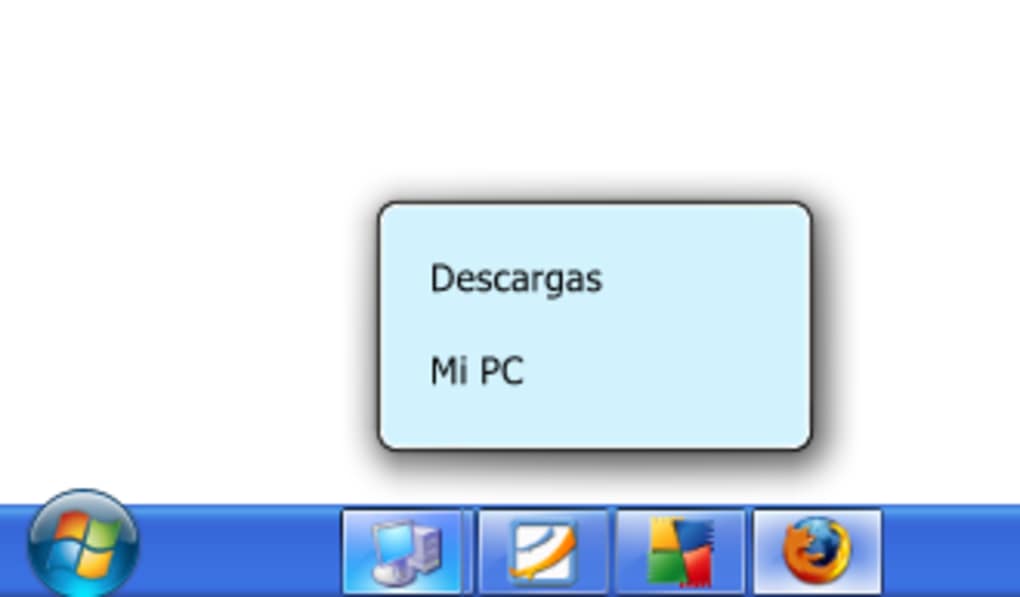
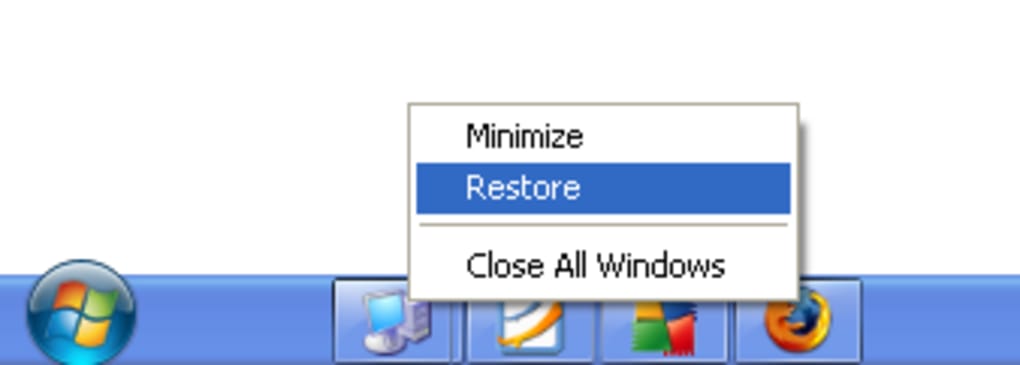
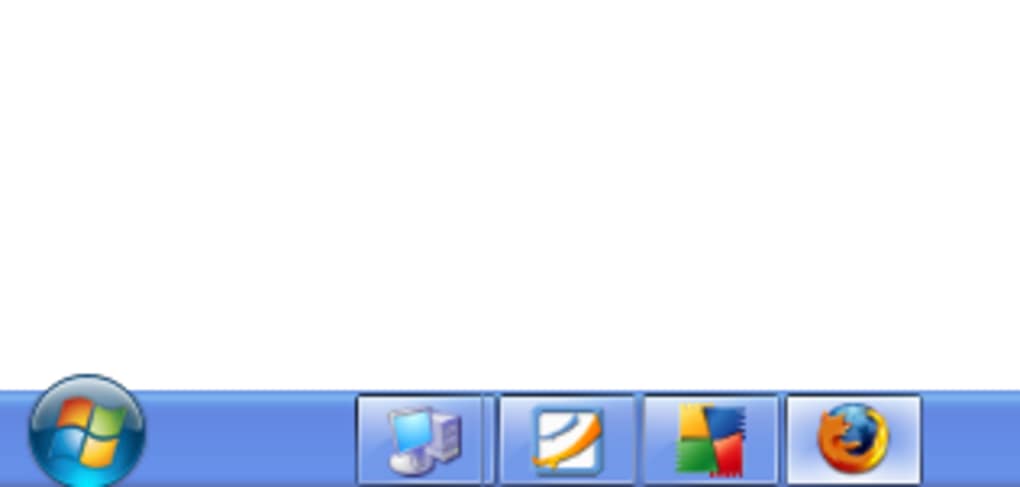
Taskbar Enhancement: The core function of ViGlance was centered around improving the Windows XP taskbar. This likely involved visual adjustments, such as offering different taskbar styles or skins, potentially mirroring the appearance of the Windows 7 taskbar. It might have included features to customize the taskbar’s size, position, and behavior.
-
Improved Task Management: ViGlance might have provided better visual cues for running applications, perhaps using a more intuitive display of icons or tooltips to showcase active processes. This could include improved window grouping or a more visually appealing representation of open programs.
- Start Menu Integration: Although primarily focused on the taskbar, ViGlance might have offered minor enhancements to the Windows XP Start Menu, complementing the taskbar changes and contributing to a more unified and modernized feel. This could include tweaks to the menu’s appearance or minor additions to its functionalities.
While concrete specifics regarding its exact features remain scarce due to the application’s age and lack of current accessibility, these inferred functionalities align with the overarching goal of offering a “Windows 7-like” experience on Windows XP. Its popularity suggests that it successfully addressed a demand among users for a more streamlined and visually appealing interface on an aging but still widely used operating system.
The Context of ViGlance: Windows XP and the Third-Party Utility Scene
ViGlance emerged in a time when Windows XP was still a prevalent operating system. Despite the release of Windows Vista and the subsequent Windows 7, many users continued to rely on XP for its stability and familiarity. This created a niche for third-party utilities designed to enhance the user experience or fill gaps in the operating system’s capabilities. ViGlance tapped into this demand by providing users with a simple yet effective method to modernize their XP systems without the need for a full operating system upgrade.
The third-party utility market for Windows XP was extensive and diverse. Many developers provided tools for tweaking system settings, improving performance, enhancing security, or adding functionalities not included in the standard operating system. ViGlance occupied a relatively small segment within this market, specializing in the visual and functional aspects of the taskbar and potentially the Start Menu. Its success underscores the continued importance of a responsive and intuitive user interface, regardless of the operating system’s age.
The rise of ViGlance also highlights the active and creative community surrounding Windows XP. Even years after its official support ended, users actively sought ways to improve and personalize their experience. The availability of utilities like ViGlance demonstrates this proactive community effort to extend the lifespan and functionality of older software.
ViGlance’s Technical Specifications and User Reception
ViGlance was a lightweight program, requiring minimal storage space compared to other software utilities. Its small size (265.04 KB) ensured compatibility even with older hardware configurations common during the era of Windows XP. The program was exclusively available in English, limiting its reach to English-speaking users. However, its popularity in countries like Vietnam, Bosnia and Herzegovina, and Romania suggests that language was not a significant barrier for many users, highlighting the universality of the need for improved user interfaces.
While user reviews for ViGlance are currently unavailable, its substantial download count indicates a level of satisfaction among users. The relatively high rating (3.8 out of 5) further supports this assertion. The consistent download numbers even years after its last update suggest a loyal user base who found the utility valuable and useful. Its limited resources and lack of post-release updates, however, might have prevented broader adoption and the emergence of more comprehensive user feedback.
ViGlance’s Legacy and the Evolution of Taskbar Functionality
While ViGlance is no longer supported and is largely inaccessible today, its existence represents a unique moment in the history of Windows operating systems. It highlights the ingenuity of developers in responding to user needs and the demand for UI customization, even when dealing with older, unsupported systems. The improvements it sought to bring - enhanced visual appeal and improved task management - became standard features in later Windows iterations. The evolution from the simple, text-based taskbar of early Windows versions to the advanced, interactive, and customizable taskbar seen in modern Windows versions is a direct result of years of development and user feedback.
ViGlance’s attempt to bring features from a newer operating system to an older one foreshadowed the ongoing efforts to improve user experience across different platforms and generations of software. The focus on simple, yet effective enhancements to the user interface continues to be a crucial aspect of software development, emphasizing that user-friendliness transcends technical specifications and version numbers. The small but dedicated user base of ViGlance demonstrates that even seemingly minor improvements to the user experience can create a significant impact on user satisfaction. Ultimately, ViGlance’s story serves as a testament to the enduring relevance of user-centric design and the power of community contributions within the world of software development.
File Information
- License: “Free”
- Version: “1.0.1275”
- Latest update: “March 9, 2017”
- Platform: “Windows”
- OS: “Windows XP”
- Language: “English”
- Downloads: “12K”
- Size: “265.04 KB”


