
Virtual City, a SimCity-inspired city-building simulation game, invites players to design and manage their own thriving metropolis. This detailed and engaging title allows players to experience the challenges and triumphs of urban planning, from constructing residential areas and industrial zones to establishing a comprehensive public transportation system. The game offers a rich and immersive experience, blending strategic planning with creative freedom to craft a unique and personalized city. This in-depth exploration delves into the game’s features, mechanics, and overall impact on the city-building genre.
Constructing Your Urban Landscape: From Humble Beginnings to a Bustling Metropolis
Virtual City empowers players with extensive control over their virtual city’s development. The game begins with a blank canvas, a pristine expanse ready to be transformed into a bustling hub of activity. Players start by strategically placing residential zones, carefully considering factors such as proximity to workplaces, recreational areas, and essential services. As the city grows, the need for industrial parks and commercial districts becomes apparent. The placement of these zones requires careful planning to maintain a balanced economy and avoid overcrowding. Players must manage resource allocation, ensuring that sufficient goods are produced to meet the demands of the growing population.
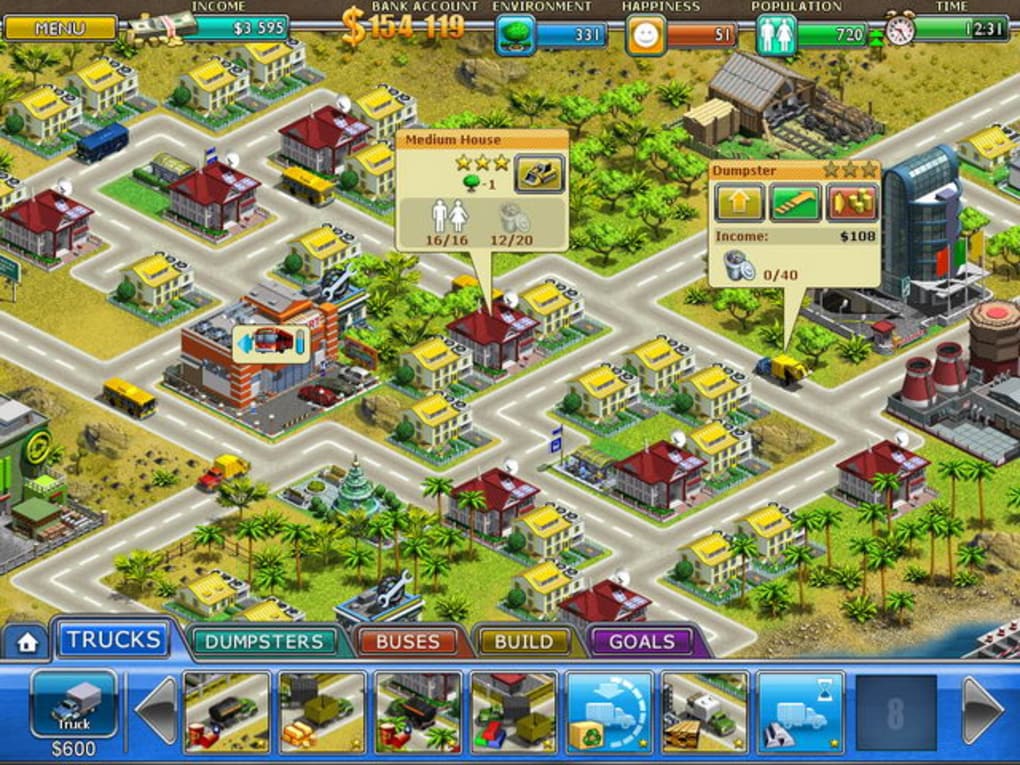
The core gameplay loop revolves around constructing buildings, managing resources, and ensuring the happiness and well-being of the city’s inhabitants. The game provides a diverse range of structures to choose from, including residential houses, apartments, and skyscrapers; industrial facilities like factories and power plants; and commercial establishments such as shopping malls, restaurants, and entertainment venues. Efficient placement is key to maximizing space and optimizing resource flows. The game’s interface is intuitive, allowing players to easily select buildings, view their stats, and manage their development. Furthermore, the visual representation of the city is well-designed, with detailed buildings and environments that bring the virtual world to life.
Beyond basic infrastructure, players must address the logistical challenges of transportation. Virtual City allows for the creation of a comprehensive public transport system, including roads, bus routes, and even train lines. Efficient transportation is crucial for connecting residential areas with workplaces and ensuring that goods can be transported effectively. The planning and management of the transportation network are crucial elements that influence the overall efficiency and prosperity of the city. Poor planning can lead to traffic congestion, delays, and ultimately, unhappy citizens.
The city’s growth isn’t just about buildings and transportation; it’s about the people who inhabit it. Virtual City keeps track of various metrics that indicate the overall well-being of the city’s inhabitants. These metrics include happiness, health, and economic prosperity. Maintaining a high level of citizen satisfaction requires careful attention to the balance between residential, industrial, and commercial areas, as well as the provision of essential services like hospitals, fire stations, and police departments. Neglecting these aspects can lead to a decrease in happiness and a decline in the city’s overall health.
Managing Resources and Challenges: A Test of Urban Planning Prowess
The game introduces a dynamic economic system where players must balance income and expenditure. Careful planning is essential to ensure that the city generates enough revenue to fund infrastructure projects and maintain the quality of life for its inhabitants. The game simulates various economic factors, such as supply and demand, and players must respond accordingly to manage the city’s finances. Strategic resource management is a critical element, and players must carefully allocate funds to meet the ever-changing needs of the city.
Natural disasters and economic downturns pose additional challenges. Players must prepare for unforeseen events and develop strategies to mitigate their impact on the city. Economic downturns may require players to adjust their spending habits and prioritize essential services. Natural disasters, such as earthquakes or fires, may necessitate immediate action to minimize damage and restore order. Adaptability and decisive decision-making are essential qualities for navigating these difficulties successfully.
One key aspect of the game is the ability to engage in trade with neighboring cities. This interaction adds an extra layer of complexity and strategic depth, allowing players to diversify their economy and secure resources that might not be readily available within their own city. Successfully navigating these trade relationships can significantly boost the city’s overall prosperity and accelerate its growth. Mastering the art of trade involves understanding supply and demand dynamics, negotiating favorable deals, and building strong relationships with neighboring settlements.
Fostering a Thriving Community: Events and Citizen Satisfaction
Creating a thriving and happy community is central to the gameplay experience. Virtual City allows players to host various town events to boost citizen morale. These events can range from festivals and concerts to sporting competitions, and they provide opportunities to enhance the city’s atmosphere and strengthen community bonds. Successfully managing these events requires careful planning and consideration of factors such as attendance, budget, and community response.
Beyond events, the provision of essential services such as parks, hospitals, fire stations, and police departments significantly impacts the well-being of the city’s population. These services contribute to the overall happiness and health of the citizens, leading to increased productivity and economic growth. Ignoring these aspects can lead to unrest, reduced productivity, and a decline in the city’s overall progress.
Visual Appeal and User Interface: A Polished City-Building Experience
The game’s graphics, although not cutting-edge by today’s standards, are pleasing and functional. The city is rendered with sufficient detail to create an immersive environment without being overly demanding on system resources. The user interface is intuitive and user-friendly, making it easy for players to navigate the various menus and options. This ease of use makes the game accessible to both experienced city-building enthusiasts and newcomers alike. The game’s well-designed interface facilitates the smooth execution of complex tasks, such as resource management and transportation planning.
Conclusion: A Solid Entry in the City-Building Genre
Virtual City, while perhaps not as feature-rich or graphically advanced as some of its modern counterparts, offers a satisfying and engaging experience for players looking for a city-building simulation. Its blend of strategic planning, resource management, and community development provides a comprehensive and rewarding gameplay loop. While it may not completely reinvent the genre, Virtual City provides a well-polished and accessible entry point for those seeking to build and manage their own virtual metropolis. The game’s longevity is ensured by its challenging gameplay, its compelling strategic layers, and the ever-present opportunity for creative expression in urban design. The persistent challenge of balancing economic growth, community well-being, and disaster preparedness guarantees hours of immersive and engaging gameplay.
File Information
- License: “Trial version”
- Latest update: “January 9, 2013”
- Platform: “Windows”
- OS: “Windows 2003”
- Language: “English”
- Downloads: “103.5K”
- Size: “863.86 KB”


