
Virtual Villagers: The Tree of Life, the fourth installment in the popular Virtual Villagers series, offers a unique blend of casual simulation and strategic puzzle-solving. This captivating game transports players to the idyllic, yet challenging, Isola Island, where they must guide a newly arrived group of villagers to prosperity and survival. Unlike fast-paced, action-oriented games, Virtual Villagers: The Tree of Life embraces a slower, more deliberate pace, encouraging players to carefully nurture their virtual community. This detailed examination will explore the gameplay, features, and overall appeal of this engaging title.
Establishing Your Island Paradise (and its Challenges)
The game begins with a compelling narrative: a volcanic eruption forces a group of villagers to seek refuge on Isola Island. Players are tasked with selecting five initial settlers from a diverse pool, each possessing unique skills and personality traits. This initial selection significantly impacts the early development of the village, highlighting the importance of strategic planning from the outset. The villagers’ skills range from farming and fishing to medicine and crafting, contributing to the overall productivity and well-being of the community.
Isola Island itself presents a variety of challenges. Resources are limited, requiring careful management to ensure the villagers’ survival. Food, water, and shelter are essential necessities, demanding careful allocation and strategic development of infrastructure. The game meticulously tracks each villager’s health, happiness, and energy levels, providing a dynamic and realistic representation of community management. Neglecting these aspects can lead to illness, unhappiness, and even death, reminding players of the delicate balance required for a thriving settlement.
Mastering the Art of Village Management
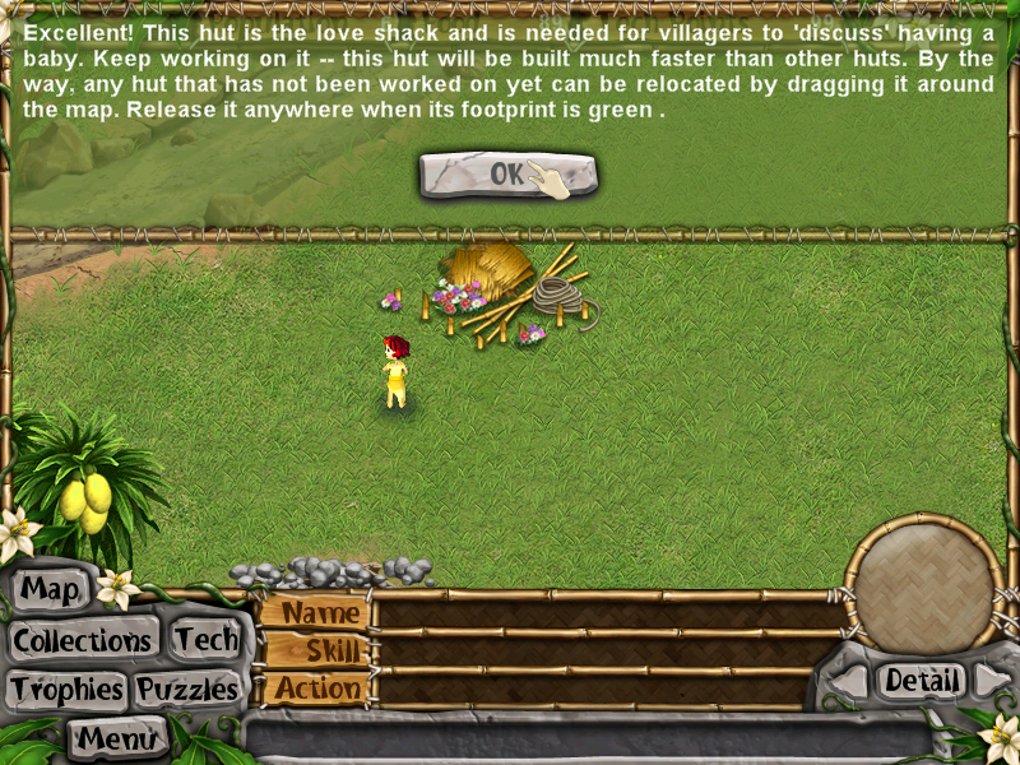
Beyond the basic necessities of survival, players must actively guide the development of their villagers’ skills. This involves assigning them to various tasks, from harvesting crops and fishing to constructing buildings and researching new technologies. Progress is gradual, mirroring the organic growth of a real-world community. This deliberate pace allows players to fully immerse themselves in the intricate details of village life, encouraging thoughtful decision-making and fostering a sense of accomplishment as the village progresses.
The real-time element of Virtual Villagers: The Tree of Life adds another layer of complexity. Unlike many simulation games where time progresses only when the game is actively played, time continues to elapse even when the game is paused. This feature introduces a compelling element of risk and reward. Leaving the game unattended for extended periods can lead to unforeseen consequences, such as villagers becoming ill or dying due to neglected tasks. However, this feature can also be advantageous, allowing players to avoid waiting for lengthy tasks, such as construction projects, to complete. This unique aspect adds a realistic touch to the game, making it more than just a simple idle clicker.
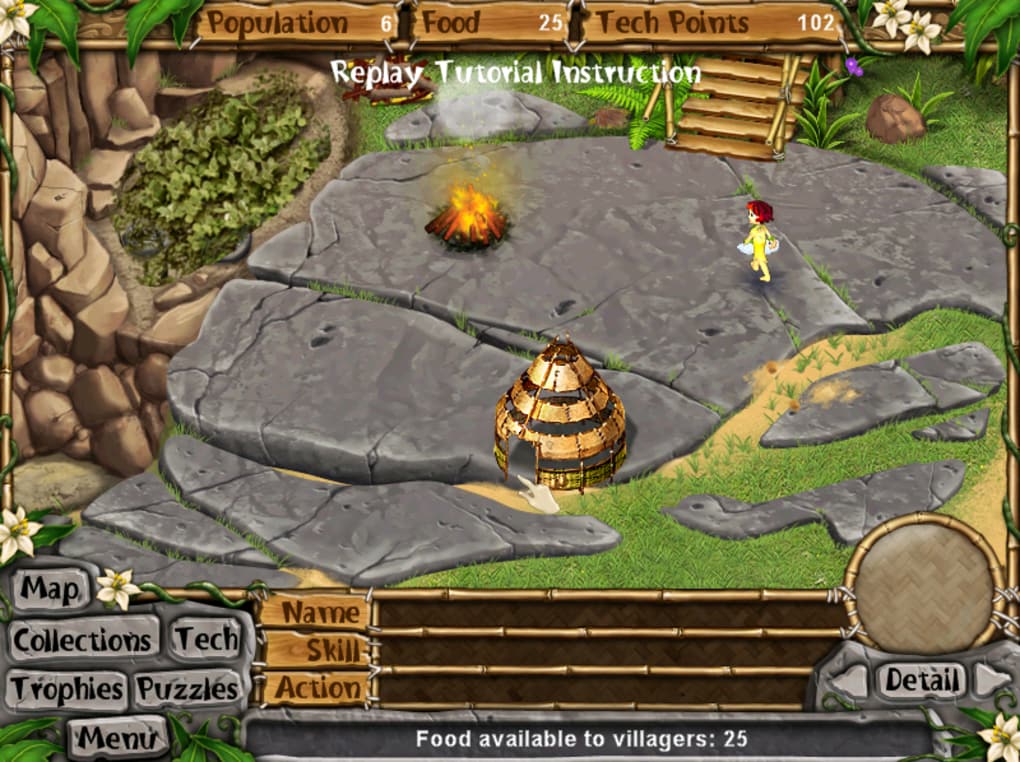
The interface is remarkably intuitive, allowing even novice players to quickly grasp the core mechanics. The bright, colorful graphics further enhance the game’s accessibility, making it enjoyable for a wide range of ages and skill levels. The simple controls and straightforward objectives make the game approachable for children, while the strategic depth and long-term challenges provide ample replayability for more experienced players.
Unraveling the Mysteries of Isola Island
Virtual Villagers: The Tree of Life is not merely about survival and village management; it also incorporates an intriguing mystery element. Players will encounter various puzzles and challenges that require careful observation and strategic problem-solving. These puzzles are intricately woven into the game’s narrative, adding an extra layer of engagement and intrigue. Solving these puzzles often unlocks new areas, resources, or technologies, further enriching the gameplay experience.
The puzzles range in complexity, keeping players constantly engaged. Some require careful observation of the villagers’ interactions and behaviors, while others demand a more strategic approach, involving the manipulation of resources and the strategic deployment of villagers’ skills. The integration of these puzzle elements successfully elevates the game beyond a simple village simulator, transforming it into a more comprehensive and engaging experience.
A Simpler Alternative to Complex Life Sims
The game successfully caters to a niche audience who appreciate the simulation genre but find more complex games like The Sims too time-consuming or overwhelming. Virtual Villagers: The Tree of Life offers a more manageable and less demanding experience, without sacrificing depth or engagement. The simplified mechanics and intuitive interface make it accessible to a broader audience, making it a perfect introduction to the genre for both children and adults who may be hesitant to tackle more complex simulations.
However, it’s crucial to acknowledge that while it’s simpler than The Sims, Virtual Villagers still requires a significant time investment. The game’s real-time element necessitates regular check-ins, and the gradual progress of village development requires patience and persistence. The game is not designed for quick bursts of gameplay; instead, it encourages a slower, more mindful approach to game progression.
The Long-Term Appeal of Isola Island
One of the most compelling aspects of Virtual Villagers: The Tree of Life is its replayability. Each playthrough can unfold differently, depending on the initial settler selection, the decisions made throughout the game, and the solutions found to the various puzzles. This ensures that players will uncover new challenges and experiences with each attempt, encouraging them to return to Isola Island again and again.
The game’s gentle learning curve and charming visuals make it enjoyable for casual players, while the intricate mechanics and strategic depth provide a compelling challenge for those seeking a more involved experience. The successful combination of these elements creates a game that transcends the limitations of its casual genre, offering a captivating and multifaceted gameplay experience that appeals to a wide range of players. The enduring appeal of Virtual Villagers: The Tree of Life lies in its capacity to offer a relaxing yet engaging experience, providing a rewarding blend of strategic decision-making, puzzle-solving, and the satisfaction of building and nurturing a thriving virtual community. The game’s unique blend of simplicity and depth ensures its enduring popularity within the simulation genre.
File Information
- License: “Trial version”
- Version: “4”
- Latest update: “March 2, 2010”
- Platform: “Windows”
- OS: “Windows XP”
- Language: “English”
- Downloads: “118.9K”
- Size: “73.68 MB”


