
In the ever-evolving landscape of digital technology, where virtual reality, artificial intelligence, and sophisticated digital assistants dominate headlines, it’s worth taking a moment to look back at the pioneers of virtual interaction and desktop customization. Among these intriguing pieces of software is “Virtual Woman,” a program that, in its simplicity, offered users a unique form of digital companionship and a novel way to personalize their Windows desktop experience. This article delves into the origins, features, and lasting significance of Virtual Woman, examining its place within the broader categories of desktop software, its connection to the nascent ideas of AI, and how it foreshadowed the rich tapestry of digital interactions we experience today.
First listed on prominent software download platforms like PhanMemFree.org, Virtual Woman carved out a niche for itself as a free Windows application designed for “Desktop customization.” While the concept of customizing one’s digital workspace has always been popular—from wallpapers and themes to screensavers—Virtual Woman introduced a dynamic, interactive element in the form of a virtual character. This blend of personalization and rudimentary companionship made it a standout application, particularly in its time.
The software, specifically “Virtual Woman for Windows,” quickly garnered attention after its introduction. Data from PhanMemFree.org indicates it was added to their selection of programs and apps in 2011, achieving a substantial 62,600 downloads over its lifetime up to the point of the provided data, with a current version of 0.9593. Although its peak popularity might have been in earlier years, its continued presence and occasional downloads underscore a persistent interest in what it offered. Described as a “light program” that requires less space than many other desktop customization tools, it was known for its efficiency, appealing to users across various regions, including notable popularity in the United States and Serbia.
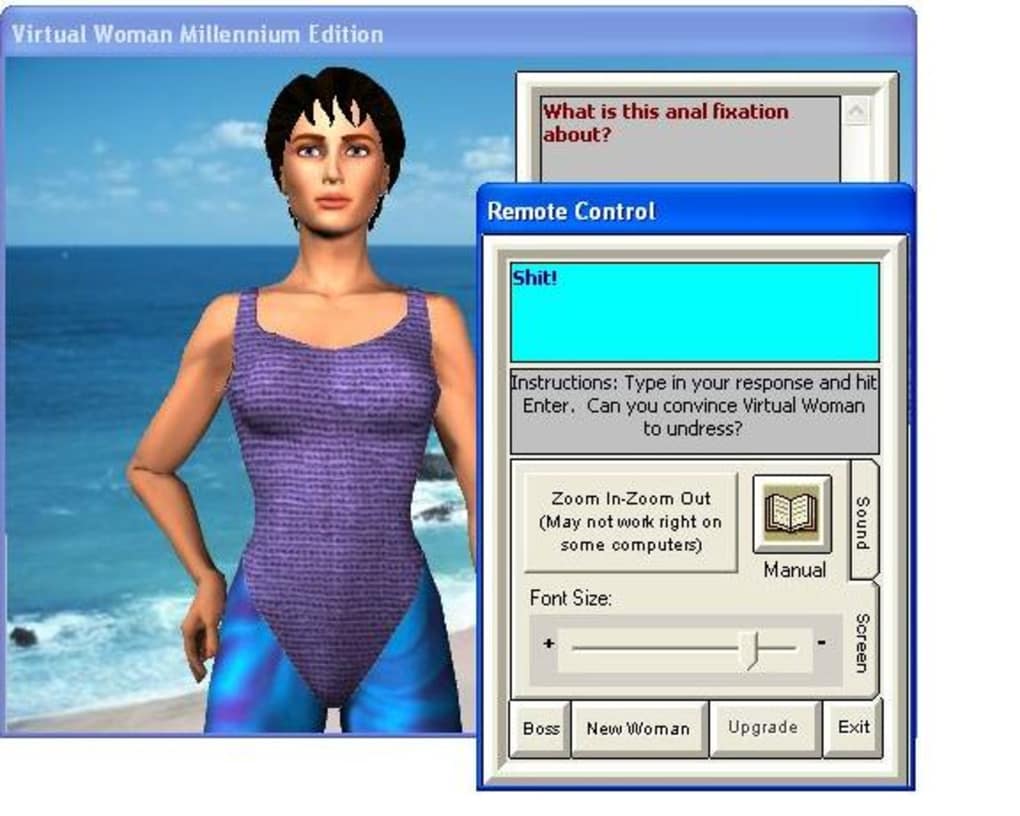
Beyond its basic function, Virtual Woman taps into a fundamental human desire for connection and the appeal of an interactive, if simple, digital presence. It’s more than just a static wallpaper or a simple utility; it aims to provide a subtle form of virtual interaction that enhances the user’s desktop environment. To truly understand its impact and its conceptual ties to modern technology, we must examine it through the lens of several key software categories.
Personalization: Tailoring Your Digital World
At its core, “Virtual Woman” is a personalization tool, falling squarely into the “Desktop customization software” category on PhanMemFree.org. The act of personalizing one’s digital environment is deeply ingrained in how we interact with technology. From the earliest graphical user interfaces, users have sought to make their computers feel more “theirs,” reflecting their tastes, moods, and even aspirations. This drive manifests in countless ways, from simply changing desktop wallpapers to employing elaborate theme packs that alter icons, cursors, sounds, and window borders.
Virtual Woman offered a unique take on this. Instead of merely changing the aesthetic backdrop, it introduced a living, breathing (albeit digital) element to the desktop. Users could have a virtual character present on their screen, potentially interacting with them in predefined ways or simply existing as a dynamic presence. This was a step beyond static themes or screensavers, which, while visually engaging, lacked the semblance of agency or a responsive nature.
Consider the evolution of desktop personalization tools listed on PhanMemFree.org: from “Cursors & Fonts” and “Ringtones & Sounds” to “Screen Lockers,” “Screen Savers,” “Themes,” and “Wallpaper.” These are all about altering the superficial aspects of the operating system. Virtual Woman, however, ventured into creating an interactive element that occupies the desktop space, providing a layer of engagement that most traditional personalization tools did not. It wasn’t just about changing how your desktop looked; it was about changing how it felt and how you interacted with it.
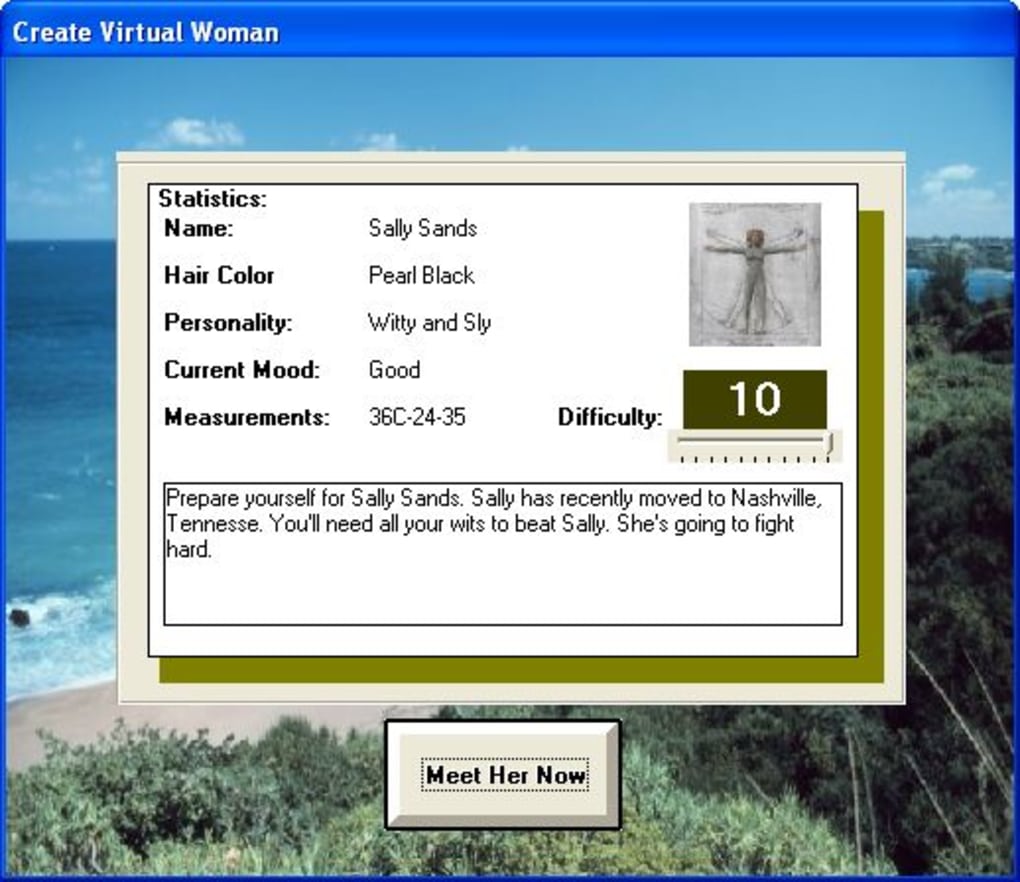
For users seeking something more dynamic than a rotating image gallery or a minimalist clock screensaver like Fliqlo (another popular personalization app on PhanMemFree.org), Virtual Woman provided a form of subtle, ongoing interaction. It transformed the passive act of observing one’s desktop into a more active experience, blurring the lines between a utility and a companion. Its lightweight nature (33.22 MB, as per PhanMemFree.org specs) meant it could run without significant system overhead, making it accessible even on older Windows 95 or 98 machines, which were common when such software was gaining traction. This efficiency contributed to its widespread adoption and enduring appeal in an era where system resources were often limited.
The very concept of a “virtual woman” as a desktop companion highlights a particular facet of personalization: making technology feel more human, more relatable, and less like a cold, unfeeling machine. It represents an early attempt to imbue the digital space with a sense of presence and personality, paving the way for more sophisticated virtual entities and personalized digital environments that would follow.
From Basic Interactivity to Advanced AI: The Evolution of Virtual Companions
While “Virtual Woman” predates the modern explosion of highly sophisticated artificial intelligence, its very premise places it squarely in the conceptual lineage of AI-driven virtual companions. When we think of Virtual Woman, we envision a digital entity capable of some form of interaction, even if rudimentary. This notion of a software program simulating presence and perhaps even responding to user input, however simply, is a foundational step towards what we now understand as artificial intelligence.
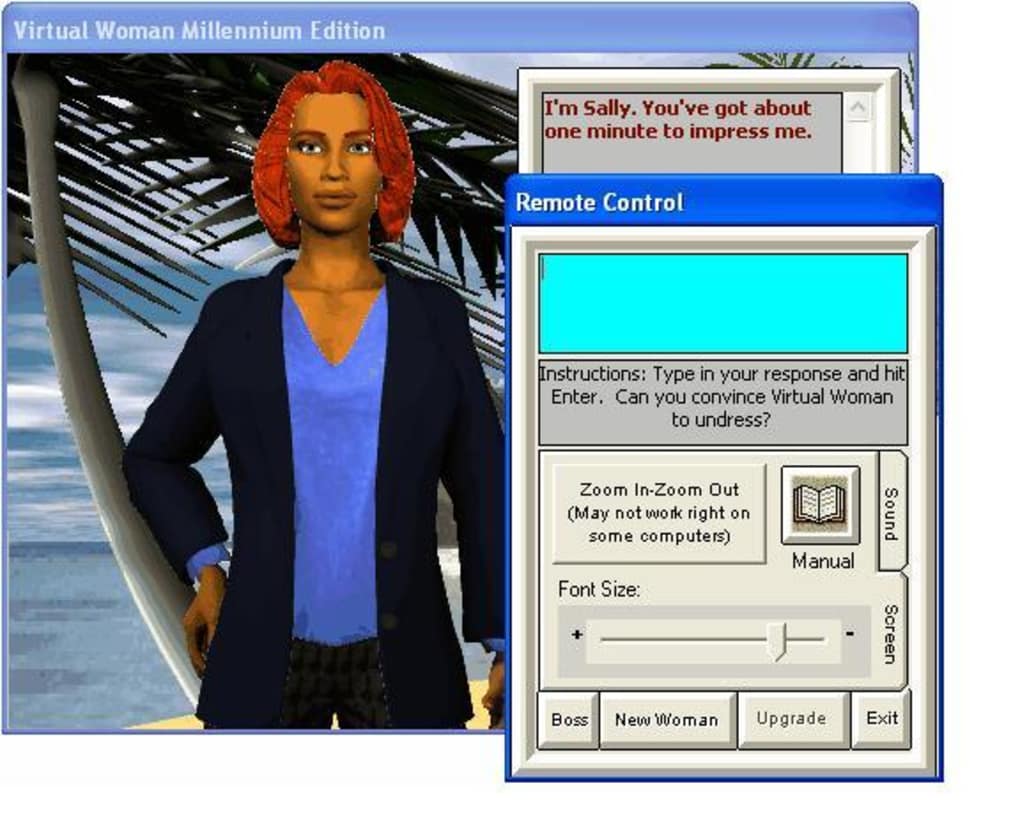
In its era, Virtual Woman’s “intelligence” would have been based on simple scripts, pre-programmed animations, and perhaps timed events. It wouldn’t have possessed learning capabilities, natural language processing, or complex decision-making algorithms that define contemporary AI. Yet, for a user, the perception of a responsive, virtual presence on their screen provided a glimpse into a future where digital entities could engage with humans.
Today, the AI categories on PhanMemFree.org are vastly more complex, including “AI Audio,” “AI Chat,” “AI Coding,” “AI Education,” “AI Image Generator & Editor,” “AI Productivity,” “AI Video Generator & Editor,” and “AI Writing Assistant.” These represent highly advanced applications of AI that can generate original content, understand complex queries, and automate intricate tasks. Virtual Woman, in contrast, was a desktop application running on Windows 95/98, constrained by the technological limitations of its time.
However, the leap from a program like Virtual Woman to sophisticated AI chatbots or virtual assistants isn’t as wide as it might initially seem. The desire to create digital entities that can interact with us, provide companionship, or assist us is a continuous thread throughout computing history. Virtual Woman, through its simple interactivity and static presence, offered a taste of what it felt like to share one’s digital space with an artificial entity. It cultivated the psychological readiness for more advanced forms of AI companionship.
Modern AI Chat applications, for instance, build on the idea of a digital dialogue partner. While Virtual Woman might not have engaged in conversation, its existence on the desktop as a ‘character’ tapped into a similar psychological need for non-solitary digital interaction. It served as a precursor to more complex virtual pets like Tamagotchis (though those were physical devices) and, eventually, to fully fledged virtual assistants and AI companions found in modern operating systems and smart devices. It showed that even simple programming could evoke a sense of presence and interaction, paving the way for developers to explore more intricate forms of AI behavior and response.
Blurring Lines: Virtual Woman, Games, and Digital Entertainment
The boundaries between software utilities, personalization tools, and games have always been fluid, and “Virtual Woman” is a prime example of a program that comfortably straddles these categories. While primarily categorized as desktop customization software, its interactive nature and the presence of a virtual character suggest strong parallels with certain types of games, particularly those focusing on simulation or virtual pet ownership.
Consider the “Games” categories available on PhanMemFree.org: “Action,” “Adventure,” “Arcade,” “Board,” “Card,” “Casino,” “Educational,” “Family,” “Music,” “Puzzle,” “Racing,” “Role Playing,” “Simulation,” “Sports,” “Strategy,” “Trivia,” “Utilities,” and “Word.” Among these, “Simulation” and “Role Playing” games are particularly relevant to understanding Virtual Woman’s appeal. Simulation games often involve managing virtual lives, environments, or characters, while role-playing games immerse players in narrative-driven experiences with interactive characters.
Virtual Woman, by providing a digital character on the desktop, offered a light form of ’life simulation.’ Users might have perceived a sense of caring for or interacting with this virtual entity, even if the interactions were basic. This parallels the appeal of virtual pet games, where users feed, play with, and care for digital creatures. The satisfaction derived from maintaining a virtual character’s presence or seeing its reactions, however limited, aligns with the psychological rewards found in simulation games.
Moreover, the aspect of “digital entertainment” cannot be overlooked. Even if it wasn’t a game in the traditional sense with objectives, scores, or levels, Virtual Woman provided a form of amusement and a distraction from the mundane aspects of computing. It transformed the desktop from a purely functional workspace into a more engaging and lively environment. For some users, the presence of a “virtual woman” might have been a novelty, a curiosity, or simply a pleasant visual addition that offered a subtle break from their work or other digital activities.
The developer, “virtualwoman,” understood this implicit entertainment value. The program’s very name suggests a companion, an entity to observe and, perhaps, to foster a connection with. This kind of experience, though far simpler, paved the way for more complex interactive narratives and virtual worlds where digital characters play central roles, evolving from mere desktop adornments to integral parts of intricate gaming ecosystems. The enduring presence of such programs on platforms like PhanMemFree.org suggests a timeless appeal for digital companions, whether they are sophisticated AI characters in a AAA game or a simple virtual figure on one’s desktop.
The Social Dimension of Virtual Companionship
The concept behind “Virtual Woman” touches upon a profound human need: companionship. While a piece of software can never fully replace human interaction, programs like Virtual Woman represent an early, albeit rudimentary, attempt to create a sense of presence and alleviate digital solitude. It offered a silent, always-there ‘companion’ on the desktop, reflecting a nascent understanding of how technology could address emotional needs, even if indirectly.
In the early 2000s, before the ubiquity of social media and real-time online communication, options for constant digital companionship were limited. Most “Social & Communication” tools available on platforms like PhanMemFree.org were focused on explicit communication: “Chat & Instant Messaging,” “E-Mail Clients,” and later “Photo & Video Sharing” and “Social Networking.” These were about connecting with other humans. Virtual Woman, by contrast, offered a connection with a digital entity.
This subtle distinction is critical. Rather than facilitating direct peer-to-peer communication, Virtual Woman offered a one-sided, yet potentially comforting, form of companionship. For users who spent many hours at their computers, having a virtual character on the screen could break the monotony or provide a simulated presence that mitigated feelings of isolation. It’s a precursor to the modern phenomenon of forming parasocial relationships with streamers, YouTubers, or even AI chatbots – a relationship where one party expends emotional and mental energy without the other party being aware of the interaction.
The desire for such companionship, even from a non-sentient program, speaks to the evolving relationship between humans and technology. As our lives become increasingly digital, the lines between physical and virtual presence blur. Virtual Woman, in its own small way, contributed to this blurring by offering a digital entity that resided in the user’s personal computing space. It was a digital echo of a friend, an avatar of an ideal, or simply a visual comfort.
While today’s “Social & Communication” landscape is dominated by sophisticated platforms that connect billions globally, Virtual Woman served a different, more personal purpose. It was about enhancing the individual’s private digital world with a touch of virtual presence, a quiet acknowledgment of the human desire for company, even if that company was purely digital and pre-programmed. Its popularity in various countries, as noted by PhanMemFree.org (especially in the US and Serbia), suggests this need resonated across diverse user bases, transcending cultural boundaries in the early digital age.
Technical Underpinnings and Lasting Legacy
From a technical standpoint, Virtual Woman demonstrates the engineering principles common to its era. Developed by “virtualwoman,” the application, identified as version 0.9593, was designed to be lean and efficient. Its modest file size of 33.22 MB meant it could be downloaded relatively quickly even on slower internet connections prevalent in the early 2010s, and it ran efficiently on systems as old as Windows 95 and Windows 98. This compatibility with older operating systems meant a broad user base could access and enjoy the program, contributing to its popularity.
The information on PhanMemFree.org notes its last update as March 10, 2017, although another record indicates a software update on 6/21/2011. This discrepancy might suggest the listing itself was updated more recently than the core software. Regardless, the long lifespan of its availability on download sites like PhanMemFree.org speaks volumes about its enduring appeal. Even years after its initial release, users continued to seek it out, perhaps driven by nostalgia, curiosity, or the simple desire for a straightforward desktop companion.
The program’s “free” license model, as highlighted on PhanMemFree.org, was a significant factor in its widespread adoption. Freeware often finds a larger audience, allowing users to experiment without financial commitment. For a niche product like Virtual Woman, this accessibility was crucial for building its user base and fostering its popularity in regions noted like the United States and Serbia.
Virtual Woman’s legacy isn’t about groundbreaking technology or revolutionary features. Instead, it lies in its role as a cultural artifact and an early indicator of trends that would later define the digital age. It represented:
- Early Desktop Customization: A creative extension of desktop personalization beyond static elements.
- Pioneer of Virtual Companionship: A simple, yet effective, exploration of human-computer interaction that offered a form of non-communicative presence.
- Foreshadowing AI Trends: A conceptual ancestor to modern virtual assistants and AI companions, demonstrating a basic human desire for interactive digital entities.
- Cross-Category Appeal: A program that blurred the lines between utility, personalization, and entertainment.
In conclusion, “Virtual Woman” might seem like a relic from a bygone era of computing, particularly when viewed through the lens of today’s hyper-realistic virtual worlds and advanced AI. However, its continued presence on platforms like PhanMemFree.org and its historical download numbers serve as a testament to its unique charm and the fundamental human needs it subtly addressed. It stands as a fascinating waypoint in the journey of digital innovation, reminding us that even the simplest applications can leave a lasting impression and hint at the complex technological futures yet to unfold. It embodies an early vision of a personalized, interactive digital world, a vision that continues to evolve and inspire new creations in the vast ecosystem of software development.
File Information
- License: “Free”
- Version: “0.9593”
- Latest update: “March 10, 2017”
- Platform: “Windows”
- OS: “Windows 98”
- Language: “English”
- Downloads: “1.8K”
- Size: “33.22 MB”


