VirtualBus, a free bus driving simulator created by a dedicated community of enthusiasts, offers a unique—and often comical—look into the world of amateur game development. While boasting surprisingly detailed controls for a free, community-made project, VirtualBus ultimately falls short in many areas, making it a game best appreciated for its quirky charm and ambitious spirit rather than its polished gameplay or stunning visuals. This review delves into the strengths and weaknesses of this unusual title, providing a comprehensive overview for potential players.
Gameplay: Detailed Controls Meet Basic Physics
The most remarkable aspect of VirtualBus is its surprisingly in-depth control scheme. Players have access to a comprehensive array of commands, mimicking the complex workings of a real bus. From gear shifting and precise steering to opening doors and even tilting the bus for passenger convenience (though the passengers themselves are notably absent!), the level of detail in the controls is impressive, surpassing many commercially released simulators of its time.
However, this detailed control system is hampered by extremely simplistic physics. The bus handles with an almost unnerving lack of realism. Obstacles, be they buildings, hills, or other seemingly solid objects, offer little to no resistance. Driving through walls is less a bug and more a standard feature of the game’s unique gameplay. This lack of realistic physics significantly detracts from the immersion, turning what could have been a challenging driving simulation into an oddly liberating experience where the rules of the road (and physics) are largely ignored.
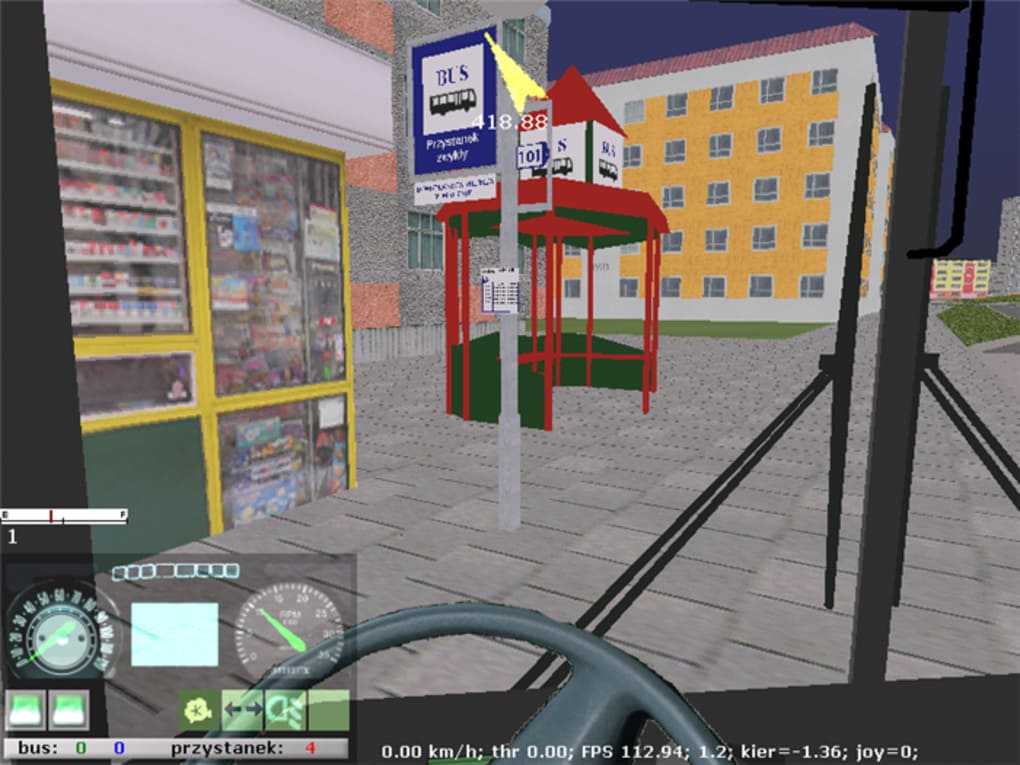
The game’s environments are similarly basic. The 3D models, created by community members, are understandably rough around the edges. The textures are low-resolution, the scenery sparse, and the overall aesthetic is undeniably dated. While the community’s efforts are commendable, the visual quality simply doesn’t hold up to modern standards. This contributes to a gameplay experience that’s more reminiscent of early 2000s PC games than a modern simulation.
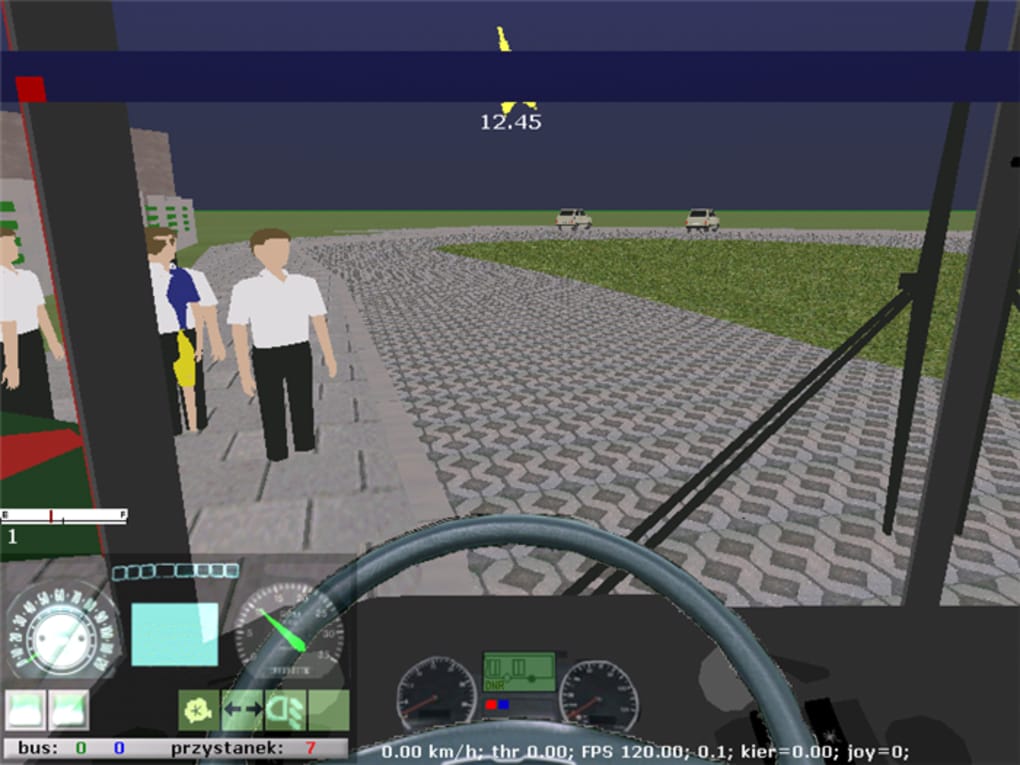
The absence of passengers, traffic, and any form of realistic environmental interaction further detracts from the overall experience. Driving around empty streets in a bus that appears to exist in a vacuum diminishes the sense of immersion and leaves the player feeling rather isolated. The game truly shines only for those players interested in mastering the intricate bus controls in a completely unconcerned environment.
Graphics and Sound: A Product of Its Time (and Limited Resources)
The graphics of VirtualBus are, to put it mildly, rudimentary. The low-poly models, simple textures, and lack of detail are clearly a product of the game’s development process – a community-driven project with limited resources. While the developers readily admit the graphics aren’t a strong point, the visual shortcomings go beyond mere simplicity. The game world feels oddly empty and lacking in detail, with textures appearing blurry and poorly defined.
The sound design is equally basic. While the game does feature some basic engine sounds, they lack depth and realism. The overall audio experience is unengaging and often falls flat, failing to contribute to any sense of immersion or atmosphere. This simplistic approach to sound design, while not unexpected given the game’s limitations, further underscores its amateur origins.
Community Contributions: A Double-Edged Sword
One of the defining features of VirtualBus is its reliance on community contributions. Players can create and import new maps and bus models, adding variety and extending the game’s lifespan. This approach allows for a degree of customization and replayability not often seen in games of its kind. The potential for diverse content created by a passionate community is undeniably a positive aspect.

However, the reliance on community contributions also highlights the game’s limitations. The quality of user-generated content can vary widely, resulting in a somewhat uneven experience. Some maps might be well-designed and immersive, while others might be poorly constructed or visually jarring. This inconsistency in quality contributes to the overall unevenness of the game.
Overall Experience: A Niche Appeal
VirtualBus is not a game for everyone. Its dated graphics, basic physics, and lack of engaging gameplay elements will undoubtedly deter many players. The game’s target audience appears to be limited to those with a particular interest in bus simulation, or those seeking a quirky, nostalgic gaming experience. Those seeking a realistic and polished driving simulator should look elsewhere.
Despite its flaws, VirtualBus possesses a certain charm. Its ambition, despite its obvious limitations, is admirable. The dedication of the community that brought the game into existence is evident in the surprising depth of the bus controls. For those willing to overlook its significant shortcomings, VirtualBus might offer a surprisingly enjoyable, albeit unconventional, gaming experience. The game’s appeal lies in its unique blend of amateur charm, surprisingly detailed controls, and an odd, liberating sense of freedom offered by its nonexistent physics.
Alternative Apps and Competitors: A Look at the Landscape
While VirtualBus occupies a unique niche in the bus simulation genre, several other titles offer more polished and comprehensive experiences. Players seeking a more realistic and engaging simulation should consider alternatives such as:
- Professional Bus Simulator: This series offers significantly more realistic graphics, physics, and gameplay mechanics than VirtualBus.
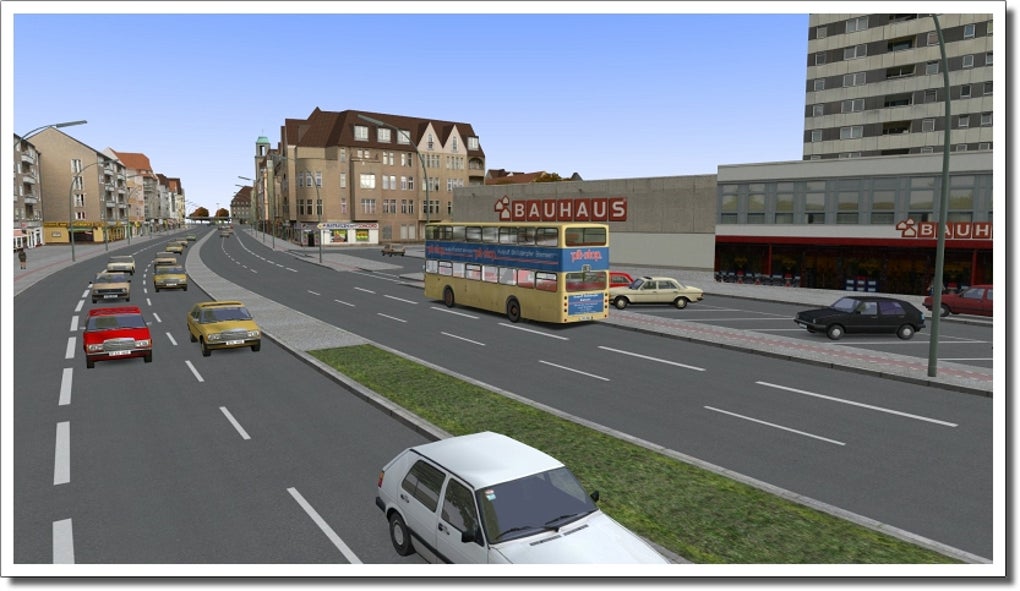
- Omsi: Another popular bus simulation game, Omsi offers a more detailed and immersive experience than VirtualBus.
- Bus Simulator 18/21: These games are developed by more established studios and boast higher-quality graphics and gameplay.
These alternatives represent commercially-produced simulations with significantly higher budgets and larger development teams, resulting in improved graphics, more realistic physics, and a much more polished overall experience. They offer a stark contrast to VirtualBus, highlighting the significant differences between a community-made project and a commercially-released title. However, the comparisons also showcase the unusual charm of VirtualBus’ uniquely simplistic approach. While it won’t replace more sophisticated simulators, VirtualBus remains a testament to the dedication and creativity of its community developers.
Conclusion: A Surprisingly Enduring Legacy
Despite its obvious shortcomings, VirtualBus has managed to carve out a niche audience. It serves as a fascinating case study in community-driven game development and a nostalgic reminder of a time when simpler games could still offer a unique form of entertainment. While not recommended for players seeking a polished and realistic experience, VirtualBus’s peculiar charm and surprisingly complex controls might surprise and entertain those willing to give this unusual game a try. It’s a testament to the power of passion and the enduring appeal of unexpectedly quirky games. Ultimately, the value of VirtualBus lies not in its technical achievements, but in its spirit of collaborative creation and enduring appeal to a small but dedicated fan base.
File Information
- License: “Free”
- Version: “a6c”
- Latest update: “July 12, 2019”
- Platform: “Windows”
- OS: “Windows XP”
- Language: “English”
- Downloads: “155.1K”
- Size: “12.31 MB”