
Voiceforge is a free text-to-speech (TTS) utility developed by Cepstral LLC, designed to convert text prompts into spoken audio using a diverse range of voices. Its versatility extends across various applications, from crafting personalized narrations to generating audio for playful pranks. The app’s intuitive interface and user-friendly design aim to simplify the process of audio recording and editing, offering features comparable to other popular TTS applications like VoxBox or Speechify. This review delves into the strengths and weaknesses of Voiceforge, examining its functionality, user experience, and overall value proposition.
Apps: Intuitive Design and Feature Set
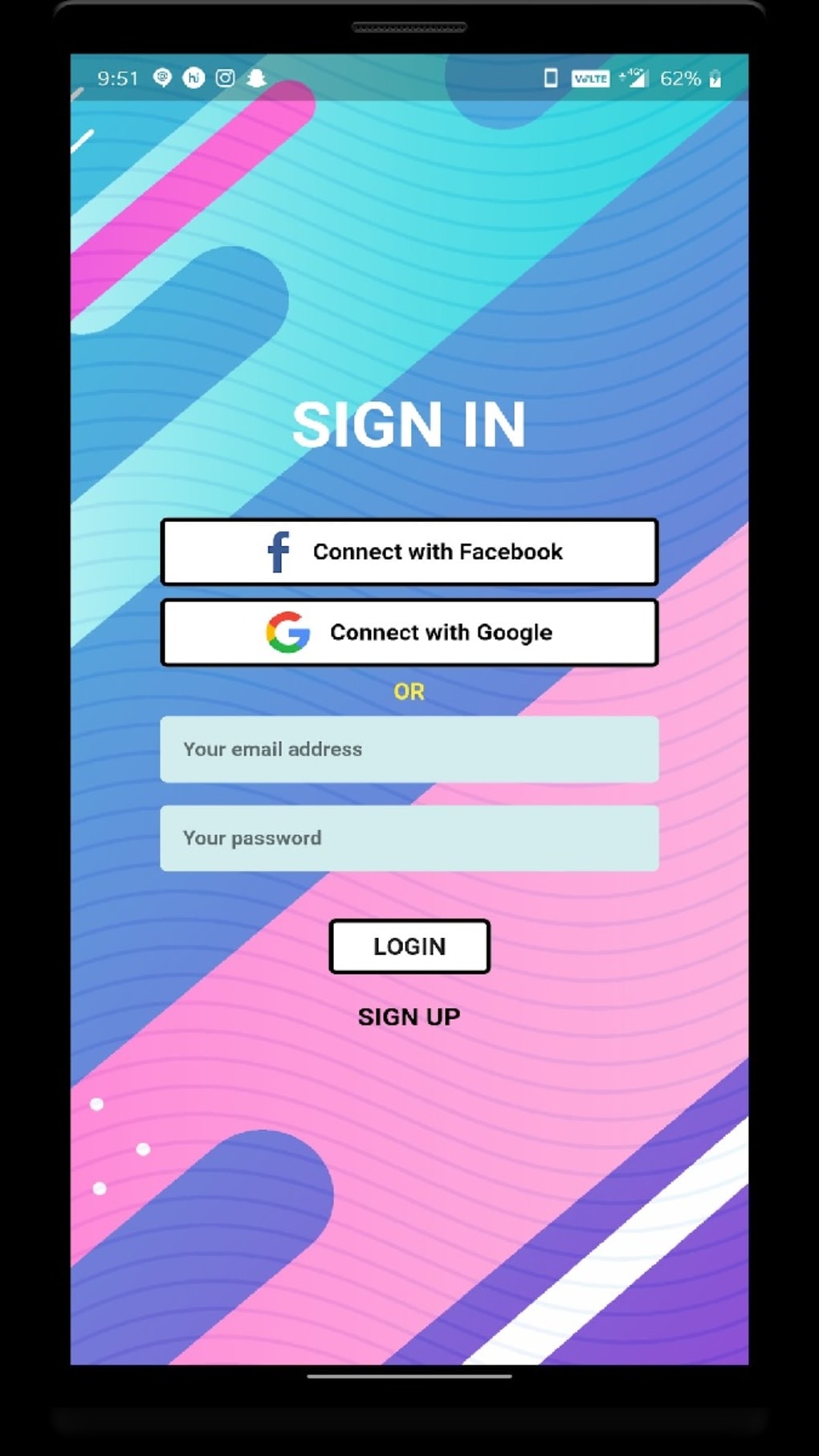
Voiceforge boasts a remarkably intuitive app layout, making it easily navigable even for first-time users. The clean design and straightforward organization of tools and functions contribute significantly to a positive user experience. The developers have included helpful tips and tutorials, further enhancing accessibility and facilitating a rapid learning curve. This ease of use is a significant advantage, especially for those unfamiliar with audio editing or TTS applications. The app excels in its simplicity; users can quickly grasp the core functionalities and start generating audio within minutes.
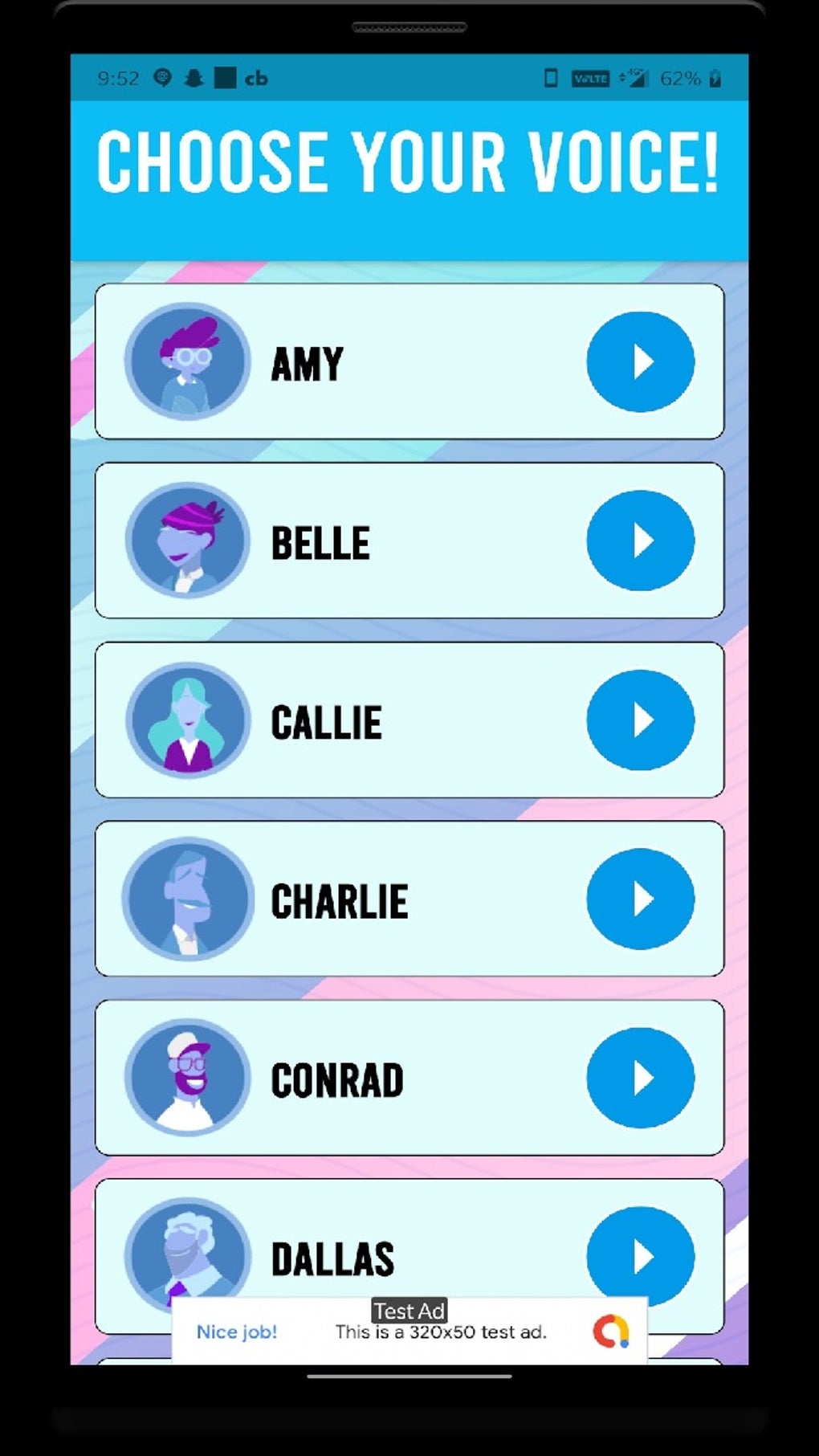
Beyond its basic TTS functionality, Voiceforge offers several advanced features allowing users to refine their audio output. Users can adjust parameters like speed and intonation to match the tempo of background music or sound effects, enhancing the overall quality and naturalness of the spoken audio. The inclusion of a library of pre-recorded voices further expands customization options, allowing for a greater degree of personalization and creative expression. This ability to fine-tune the audio output significantly differentiates Voiceforge from simpler TTS applications. It allows for a level of control that many users will appreciate.
However, several drawbacks temper the positive aspects of Voiceforge’s app design and feature set. A significant concern is the abundance of advertisements. These ads can be intrusive, interrupting the workflow and detracting from the overall user experience. The frequency and intrusiveness of these ads are a major point of criticism among users. Furthermore, some potentially valuable features are locked behind a paywall, limiting the free functionality of the app. This paywall approach restricts access to potentially essential tools, thereby diminishing the overall value proposition for users who might benefit from those additional features. Finally, the character limit for text prompts is restricted to only 145 characters. This constraint is considerably less than the character limit for platforms like Twitter, severely restricting the length of the audio content that can be generated in a single session.
Games and Lifestyle Applications: Beyond the Basics
While Voiceforge’s core functionality centers on TTS, its applications extend beyond basic text-to-audio conversion. The app could find its niche in several casual games or lifestyle apps. Imagine using Voiceforge to create personalized audio messages within a game, enhancing immersive gameplay experiences with unique character voices or dynamic narrative elements. In lifestyle applications, Voiceforge could serve as a tool for creating personalized audio reminders, voice notes, or even automated story narration. Its ability to modify intonation and speed could be especially valuable for creating engaging and varied audio experiences.
The app’s limitations, however, hinder its potential in these areas. The short text prompt limit drastically restricts the creativity and complexity of possible game interactions or narrative development. The intrusive advertising further diminishes the potential enjoyment of using the app in these scenarios. A less cluttered, ad-free experience would be more suitable for game integration or for longer-form content creation for lifestyle apps.
News and Information Dissemination: A Potential, But Limited, Use Case
The potential for using Voiceforge in news and information dissemination is intriguing. Imagine using the app to generate audio versions of news headlines or short summaries, providing accessible content for visually impaired users or those who prefer audio consumption. The app’s diverse voice options could personalize the news experience, allowing users to select preferred voices and tones.
However, Voiceforge’s limitations severely limit its efficacy in this context. The extremely short character limit makes generating meaningful audio summaries of news articles or events virtually impossible. The app simply isn’t designed for handling the lengthier textual content often required for news reporting. Furthermore, the presence of frequent and potentially disruptive ads makes the app unsuitable for a professional or serious news-related application.
For Business: Challenges and Opportunities
While Voiceforge might seem appealing for some business applications, its current form presents significant obstacles. The limitations of the character limit make it unsuitable for creating longer audio presentations or voiceovers for marketing materials. The intrusive ads would create a highly unprofessional experience for potential clients or customers. The paywall further restricts access to premium features that might be essential for professional-grade audio production.
However, with improvements, Voiceforge could potentially find a niche in certain business applications. A simplified interface without ads, an extended character limit, and more professional voice options could make it a viable choice for creating short audio announcements, notifications, or even interactive voice response (IVR) systems. Focus on improving the quality and consistency of the voices, along with addressing the paywall issue, would increase its appeal to businesses.
Android-Specific Considerations: Performance and Compatibility
Voiceforge is specifically designed for Android devices. While the app generally runs smoothly, individual performance might vary depending on the device’s specifications and Android version. Users with older or lower-powered devices might experience occasional lag or performance issues. The app’s compatibility with various Android versions has been largely positive, but occasional glitches or bugs are possible, necessitating updates and improvements from the developers.
Conclusion: Potential Held Back by Limitations
Voiceforge presents a promising concept: a user-friendly TTS application with customizable voice options. The intuitive interface and ease of use are definite strengths. However, its significant limitations, including excessive advertising, a paywall restricting key features, and an extremely short character limit, severely detract from its overall value. These issues significantly limit its practicality for many use cases.
While Voiceforge shows potential for casual users looking for quick and simple audio creation, its current state leaves much to be desired. The developers must prioritize addressing the identified shortcomings – namely the intrusive ads, the paywall, and the restrictive character limit – to fully realize the app’s potential and provide a truly competitive product in the crowded TTS market. Until these issues are adequately addressed, Voiceforge remains a promising yet underdeveloped tool. The potential for a more polished, streamlined, and less restrictive version is there, but until those improvements arrive, it falls short of achieving its full potential.
File Information
- License: “Free”
- Latest update: “May 18, 2024”
- Platform: “Android”
- OS: “Android 13.0”
- Language: “English”
- Downloads: “4.4K”
- Download Options: “Google Play”


