
VPN 360 Unlimited Free VPN Proxy presents itself as a free, unlimited data VPN solution for Android devices. This review delves into its features, performance, security aspects, and overall user experience, comparing it to similar offerings in the market and considering both its advantages and limitations. The core question we aim to answer is whether VPN 360 lives up to its promises and provides a reliable, secure, and truly free VPN experience.
Unrestricted Access: Bypassing Geo-Restrictions and Content Limitations
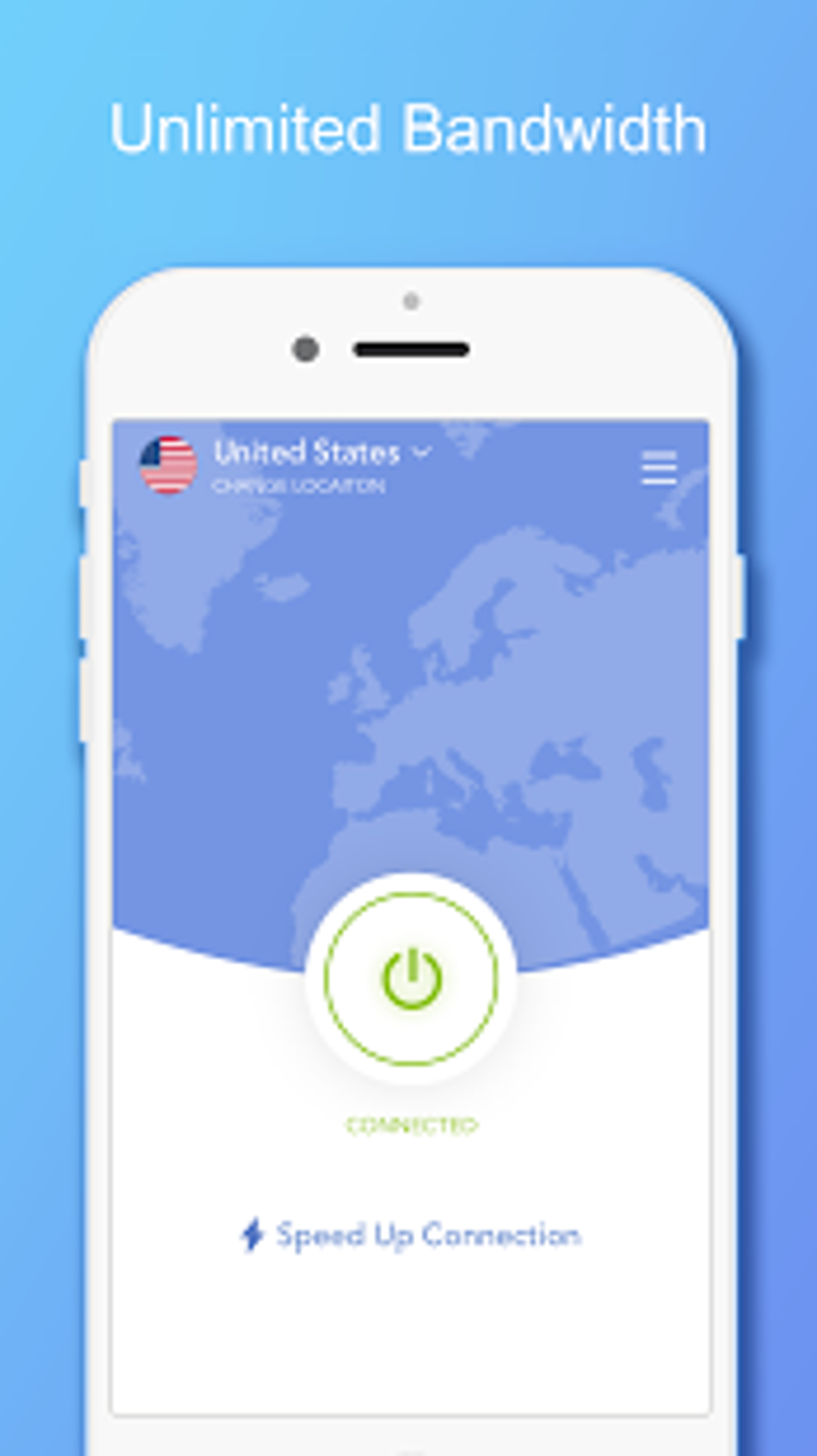
One of the primary appeals of VPNs is their ability to circumvent geographical restrictions imposed by websites and online services. VPN 360, according to its marketing materials and user reviews, aims to deliver this functionality. By masking the user’s IP address and routing their internet traffic through a server in a different location, the VPN theoretically allows access to content otherwise unavailable in the user’s region. This could include streaming services with region-locked libraries, social media platforms inaccessible in certain countries, or websites blocked by local internet providers.
The effectiveness of VPN 360 in bypassing geo-restrictions depends on several factors, including the quality and number of servers offered by the service, the sophistication of the geo-blocking mechanisms employed by the targeted websites, and the VPN’s ability to maintain consistent IP masking. User experiences reported online vary; some users claim successful access to restricted content, while others report limitations or inconsistencies. This variability highlights the dynamic nature of geo-blocking techniques and the constant “cat-and-mouse” game between VPN providers and content owners.
Privacy and Security: Protecting Your Online Identity and Data
A key selling point for any VPN service is its security and privacy features. VPN 360 claims to protect users’ online activity by encrypting their internet traffic and hiding their real IP address. This encryption prevents third parties, including internet service providers (ISPs) and potential hackers, from monitoring the user’s browsing history, downloaded files, or online communications. Furthermore, the app aims to secure Wi-Fi connections, especially crucial when using public Wi-Fi hotspots, which are often vulnerable to eavesdropping and data breaches.
However, the level of security provided by VPN 360 is subject to scrutiny. While the use of a VPN generally enhances privacy, the actual security provided depends on the strength of the encryption protocols used, the security practices of the VPN provider itself, and the overall architecture of the VPN network. Questions remain concerning the VPN’s logging policies and transparency regarding data collection. Without explicit information from the provider, it’s difficult to definitively assess the extent to which user data is collected, stored, and potentially shared with third parties. A truly secure and private VPN should maintain a strict no-logs policy, employ robust encryption algorithms, and undergo independent security audits to verify its claims. The absence of such information raises concerns regarding the trustworthiness of VPN 360’s security promises.
Speed and Performance: Evaluating Connection Speeds and Server Stability
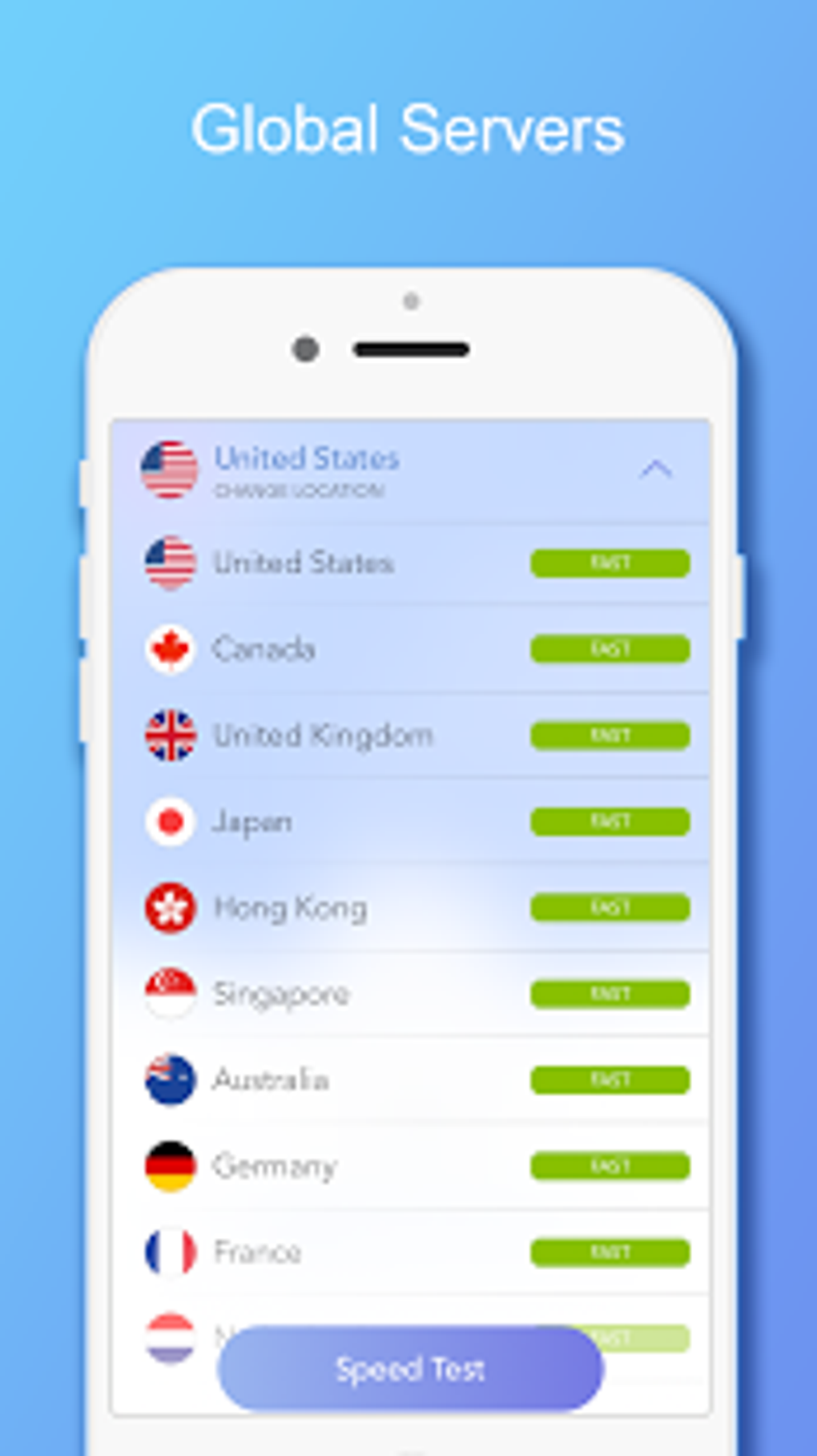
Speed is another critical aspect of a VPN’s performance. VPNs inherently introduce latency (delay) due to the extra steps involved in routing traffic through their servers. VPN 360 emphasizes its fast servers and claims to automatically detect the user’s location and connect them to the fastest available server. This automatic optimization is a valuable feature, as slow connection speeds can significantly impact the user experience, particularly when streaming videos or engaging in activities requiring high bandwidth.
However, real-world performance may vary depending on several factors, including the user’s internet connection speed, the geographical distance between the user and the chosen server, the server’s load, and the VPN’s overall network infrastructure. While some users report fast and stable connections, others experience significant speed reductions or intermittent connection drops. Inconsistent performance can be a major drawback, rendering the VPN less useful for activities demanding reliable and high-speed internet connectivity. Detailed testing and independent benchmarking would be needed to objectively assess VPN 360’s speed and performance compared to competing VPN services.
Free vs. Paid: Understanding the Limitations of a “Free” VPN
VPN 360 markets itself as a completely free VPN service with unlimited data. However, the implications of “free” need careful consideration. While the service might not directly charge users, there could be indirect costs or limitations. Free VPNs often rely on revenue models such as advertising or data collection, which could compromise user privacy or introduce unwanted interruptions. Furthermore, free services may offer limited server choices, slower connection speeds, or fewer features compared to their paid counterparts. In some cases, free VPNs may impose data caps or limit the amount of time a user can connect.
For VPN 360, the “free” aspect might be subject to regional variations or limitations in certain locations. The service might function as advertised in some regions but might not be free or fully functional in others, owing to legal restrictions, market conditions, or other factors. Users should be aware of these potential limitations before relying on VPN 360 for their critical online activities. A thorough understanding of the service’s pricing model and any associated limitations is essential before making an informed decision.
User Reviews and Overall Impression
User reviews provide valuable insights into the real-world experience of using VPN 360. While some users praise the app’s ease of use, its ability to bypass geo-restrictions, and its claimed security benefits, others report negative experiences with connection instability, slow speeds, or concerns regarding data privacy. The mixed feedback underscores the variability in user experiences, highlighting potential limitations and inconsistencies in the service’s performance and reliability.
The overall impression of VPN 360 is one of mixed sentiment. It appears to offer a basic level of VPN functionality for users with simple requirements, but it might not be suitable for those requiring high speeds, robust security features, or consistent performance across various locations and websites. Users seeking a truly reliable and secure VPN experience might prefer a paid service with a proven track record, transparent security policies, and dedicated customer support. The lack of widespread independent reviews and security audits limits the ability to form a definitive and conclusive judgment about VPN 360’s long-term capabilities.
In conclusion, VPN 360 presents itself as a convenient and accessible free VPN option for Android users. However, potential users should carefully weigh its advantages and limitations before adopting it for sensitive online activities. The lack of comprehensive information on its security practices and performance inconsistencies warrants a cautious approach. Users are encouraged to explore alternative, well-vetted VPN services if security, speed, and reliability are paramount concerns. Choosing a VPN involves a trade-off between convenience, cost, and security; users should prioritize these factors based on their individual needs and risk tolerance.
File Information
- License: “Free”
- Latest update: “August 7, 2025”
- Platform: “Android”
- OS: “Android 13.0”
- Language: “English”
- Downloads: “136.5K”
- Download Options: “Google Play”


