VPNhub, once a readily available Android application promising free and unlimited internet access, is no longer downloadable from its original sources. This review will explore the features and functionality of VPNhub as it once existed, examine the reasons for its removal, and offer suitable alternatives for users seeking similar VPN services. While this application is no longer accessible, understanding its past provides valuable insights into the broader landscape of free VPN services and the inherent trade-offs involved.
VPNhub’s Functionality and Features: A Look Back
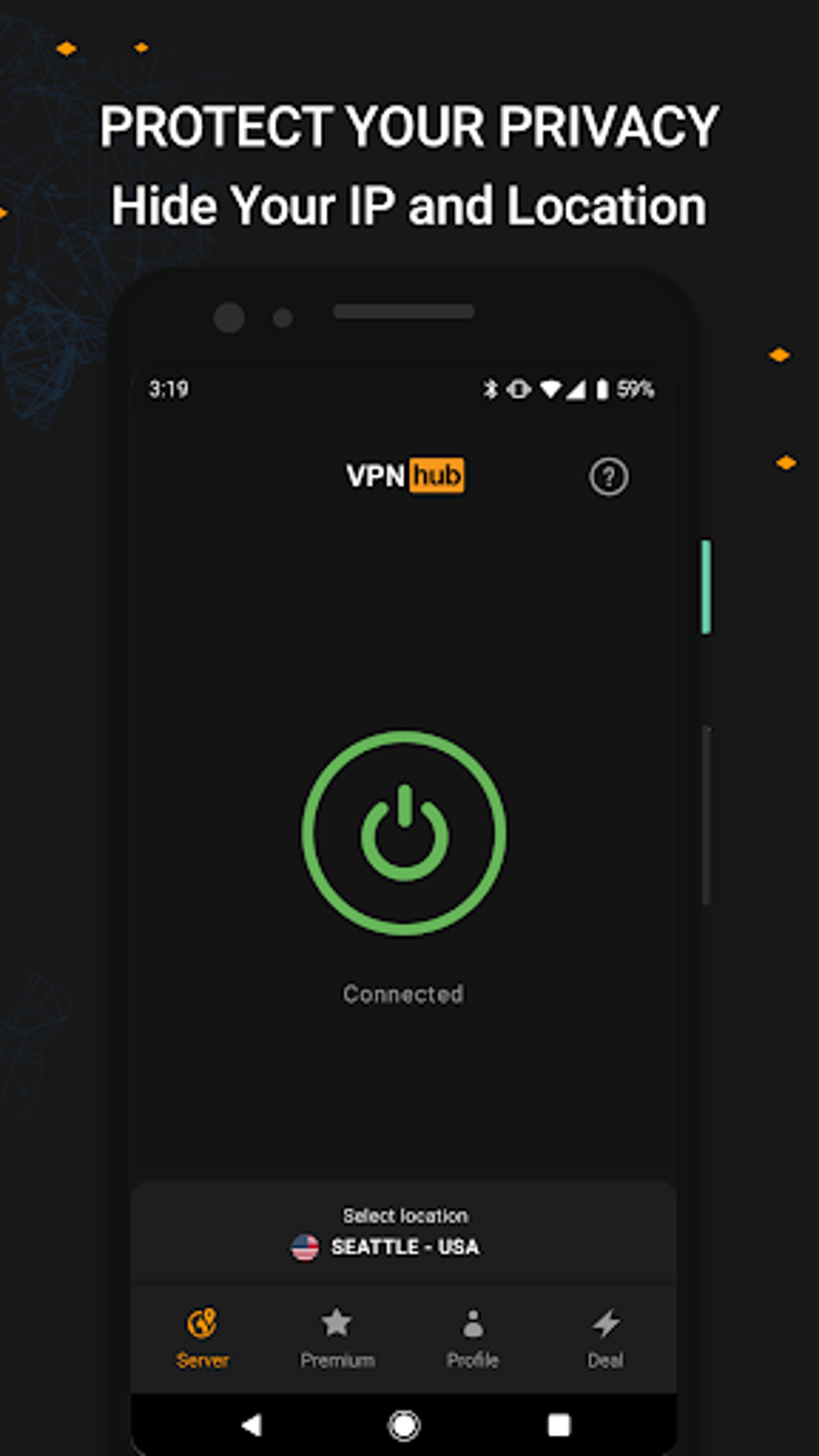
VPNhub, famously associated with Pornhub, presented itself as a free and unlimited VPN service, a proposition enticing to many users seeking to bypass geo-restrictions, enhance their online privacy, and mask their IP addresses. Its core functionality revolved around providing a secure and encrypted connection to the internet through a single server located in the United States. This single server location was a significant limitation, impacting connection speeds and the variety of IP addresses users could access.
The free version of VPNhub relied on advertising revenue to sustain its operations. While this kept the service free for users, it introduced compromises in terms of user experience, including potentially intrusive ads and slower speeds compared to paid VPN services. The primary advertised benefit was anonymity and the ability to access geo-blocked websites and content, functionalities particularly valued by users concerned about online privacy or wanting to access region-locked streaming services.
The encryption protocols employed by VPNhub aimed to protect user data transmitted over the internet, shielding their online activities from potential surveillance or monitoring. The application boasted the ability to mask the user’s IP address, replacing it with the IP address of the VPN server in the United States, thereby concealing their actual location. This feature is essential for individuals concerned about their online privacy and seeking to circumvent geographical limitations imposed by websites and services.
The ease of use was a purported advantage of VPNhub. The interface was designed to be intuitive, requiring minimal technical expertise to connect to the VPN server and begin browsing anonymously. This simplicity was a significant draw for users who preferred a straightforward and hassle-free VPN experience. The lack of complex settings and options made it accessible to even the least tech-savvy individuals.
However, despite these advantages, the free nature of the service was intrinsically connected to certain limitations. The single server location restricted the range of IP addresses available, potentially leading to slower speeds and higher latency during usage, especially when attempting to connect to servers in regions far from the United States. The advertising model, while enabling the free service, occasionally resulted in disruptive and intrusive ads impacting the user experience. The absence of a kill switch, a feature that automatically cuts off internet access in case the VPN connection drops, posed a significant security risk, potentially exposing user data to vulnerabilities.
Why VPNhub is No Longer Available
The reasons behind VPNhub’s removal from download platforms remain somewhat unclear. However, several possibilities can be considered:
-
Security Vulnerabilities: Free VPN services are often more susceptible to security vulnerabilities due to limitations in resources and ongoing maintenance. The discovery of significant security flaws could have prompted its removal from official app stores to prevent further compromises of user data.
-
Violation of Terms of Service: App stores often have strict guidelines regarding the types of applications they host. VPNhub’s connection to Pornhub and the potential for its use to access adult content may have triggered a violation of app store policies, leading to its removal.
-
Legal Issues: The use of VPNs can be legally complex. Issues regarding copyright infringement, circumvention of geo-restrictions, or other legal breaches may have contributed to the decision to make VPNhub unavailable.
- Lack of Maintenance and Updates: Without ongoing development and security updates, applications can become outdated, susceptible to vulnerabilities, and less functional. The absence of regular updates may have contributed to its removal from app stores as it no longer met the minimum safety and performance standards.
The lack of official communication regarding the removal adds to the mystery, hindering a precise determination of the actual reasons. The combination of potential security flaws, regulatory challenges, and a lack of sustained development likely contributed to the eventual unavailability of the application.
Alternatives to VPNhub
Given the unavailability of VPNhub, users seeking similar functionalities have several reliable alternatives:
Paid VPN Services: While VPNhub offered a free option, paid VPN services often provide significantly enhanced security, speed, and features. Leading providers like ExpressVPN, NordVPN, Surfshark, and ProtonVPN offer robust encryption, extensive server networks across multiple countries, and advanced privacy features like kill switches and no-logs policies. The cost of these services is justified by the superior security, speed, and reliability they offer.
Free VPN Services (with Cautions): Several free VPN services remain available. However, users should proceed with extreme caution. These free options often have more limited server networks, slower connection speeds, and potentially stricter data caps. More importantly, the privacy and security measures of free VPNs are often less rigorous, potentially exposing users to data breaches and tracking. Thoroughly research any free VPN before use and be aware of the potential trade-offs.
The choice between a paid and a free VPN hinges on individual needs and priorities. Paid VPN services represent a safer and more reliable bet, while free services, if carefully vetted, can be a compromise if budget is a severe restriction. However, prioritising security and privacy should always guide the decision.
Conclusion: Navigating the VPN Landscape
VPNhub’s disappearance serves as a cautionary tale. While the promise of free and unlimited VPN access is appealing, such services often compromise on security and privacy. The removal of VPNhub underscores the crucial importance of selecting a reputable VPN provider, whether paid or free.
Carefully vetting a VPN provider involves examining their privacy policy, security measures, server locations, and reputation. Opting for a well-established and transparent provider is key to ensuring online security and privacy. While a free service might initially seem attractive, prioritizing security and reliability should always be paramount in the selection process. The lessons learned from VPNhub’s disappearance emphasize the need for informed decision-making when choosing a VPN provider to navigate the often-complex world of online privacy and security. Users should weigh the benefits of ease of access and cost against the potential compromises on speed, security, and privacy that often accompany free VPN services.