
VRV was a streaming service designed to cater to the diverse interests of fandom communities, offering a curated selection of anime, gaming videos, and other niche content. While the app itself is no longer available for download, its legacy and the services it offered remain relevant in understanding the landscape of online streaming entertainment. This article will explore the features, content, and overall impact of VRV, as well as examine alternative platforms that offer similar content.
The VRV App: A Deep Dive
VRV distinguished itself from other streaming platforms through its curated approach. Instead of a vast, overwhelming library, VRV focused on delivering high-quality content from select channels, ensuring a more refined and focused viewing experience. This strategy appealed to viewers who sought specific genres or were dedicated followers of particular creators and studios. The core appeal of VRV lay in its ability to consolidate multiple niche streaming services into a single, easily accessible platform. This centralized approach saved users the hassle of juggling multiple subscriptions and logins, streamlining the process of accessing diverse entertainment.

The app’s interface was designed for intuitive navigation. Users could easily browse through various channels and categories, discover new content, and manage their viewing lists. The app offered a range of features, including personalized recommendations based on viewing history, the ability to create watchlists, and support for multiple devices. While the app’s design was generally well-received, user feedback occasionally highlighted areas for improvement, such as the need for enhanced search functionality and more robust parental control options.
VRV offered both a free and a premium subscription model. The free tier provided access to a selection of content, albeit with advertisements. Upgrading to a premium subscription unlocked an ad-free experience, enabling users to enjoy uninterrupted viewing. Furthermore, premium subscribers gained access to offline viewing capabilities, allowing them to download content for later viewing without an internet connection. This was a crucial feature for users who frequently traveled or resided in areas with limited internet access. The availability of offline viewing significantly broadened the appeal of the service.
The app’s technical performance was generally praised for its smooth streaming and minimal buffering. However, like any streaming platform, VRV occasionally experienced technical glitches. These issues were typically addressed quickly through updates and patches. The app’s stability and performance contributed significantly to its overall user satisfaction.
The app supported a variety of devices including smartphones, tablets, and smart TVs. This wide compatibility ensured that users could access their favorite content irrespective of their preferred viewing method. The cross-platform functionality enhanced the convenience and usability of VRV, thereby fostering a wider user base.
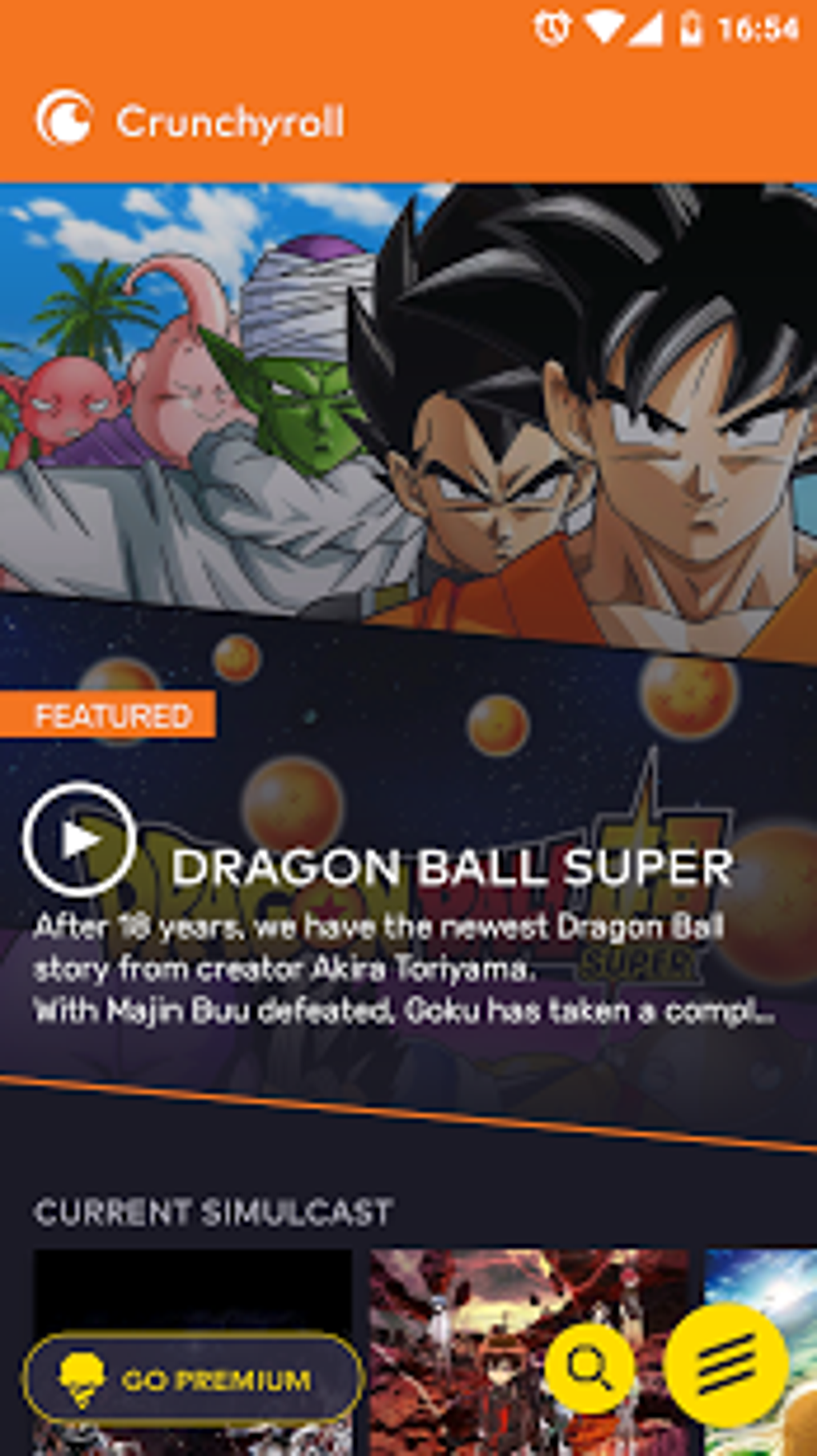
Unfortunately, VRV is no longer available for download. The reasons for its discontinuation remain unclear, but it may have been due to a combination of factors such as business decisions, financial constraints, or a shift in the overall streaming market dynamics. Regardless, its legacy as a specialized streaming platform for niche content remains notable.
Content Offered by VRV: A Curated Selection
The content library on VRV was carefully curated to appeal to specific fandom interests. This selective approach contrasted sharply with the broad, often overwhelming libraries found on larger streaming platforms. VRV offered a diverse range of content including:
-
Anime: VRV was a prominent destination for anime fans. It hosted a large selection of anime titles, many of which were sourced from Crunchyroll, a well-known anime streaming service. This provided users with access to both popular and lesser-known anime shows and movies. The curated selection meant users were less likely to feel overwhelmed by an excessively large library.
-
Gaming Videos: VRV featured content related to gaming, including Let’s Plays, reviews, and esports coverage. This catered to a substantial segment of the gaming community, offering a centralized platform for accessing a variety of gaming-related videos.
-
Sci-Fi and Fantasy Content: VRV extended beyond anime and gaming to encompass sci-fi and fantasy shows and movies, attracting viewers with broader interests within the genre.
-
Indie Shows and Movies: The platform also showcased a selection of independent and unconventional shows and movies, offering viewers exposure to content often overlooked by mainstream streaming platforms.
The curated nature of VRV’s content library, focusing on quality over sheer quantity, was a key differentiating factor. This approach catered to viewers who valued a more focused and refined selection of entertainment, unlike the vast and sometimes overwhelming catalogs of other streaming services.
Alternatives to VRV: Where to Find Similar Content
Given VRV’s unavailability, several alternative streaming platforms offer comparable content:
-
Crunchyroll: As mentioned earlier, Crunchyroll was a significant content provider for VRV’s anime selection. It remains a leading platform for streaming anime, offering a vast library of shows and movies.
-
Funimation: Funimation was another major player in the anime streaming space. It offered a substantial library of anime, dubs, and subtitled content. While its content has been absorbed by Crunchyroll, it highlights the presence of alternative options.
-
Netflix, Hulu, and Amazon Prime Video: These mainstream platforms offer a selection of anime and gaming-related content, albeit often within a broader library. Their vast catalogs cater to a wider audience, including those interested in more mainstream content.
- Other Niche Streaming Services: Numerous other specialized streaming services cater to particular interests, such as horror, documentaries, or specific genres of animation. Finding suitable alternatives often depends on the specific content previously enjoyed on VRV.
VRV for Business: A Potential for Expansion
While the direct business model of VRV’s app is no longer in operation, the strategies employed by the platform offer valuable insights into how niche streaming services can thrive. The curated approach, focusing on specific communities, and the integration of multiple channels into a single platform are crucial lessons learned. This approach can be applied to other business models, such as content creation and marketing for specific niche communities. The success of VRV indicates the substantial demand for specialized streaming services, focusing on high-quality content tailored to specific interests. The model is suitable for adapting to current market conditions and exploring innovative business strategies in the evolving entertainment industry.
Conclusion
VRV, despite its discontinuation, represents a significant milestone in the evolution of streaming platforms. Its curated approach and focus on niche content provided a valuable service to a dedicated audience. While the app itself is no longer accessible, the lessons learned from its operation remain relevant for future streaming platforms. The demand for specialized, high-quality streaming services continues to grow, signifying the potential for future ventures that can successfully emulate VRV’s unique model. Alternative platforms continue to fill the void left by VRV, offering a diverse range of options for fans of anime, gaming videos, and other niche content.
File Information
- License: “Free”
- Latest update: “May 8, 2025”
- Platform: “Android”
- OS: “Android 13.0”
- Downloads: “3K”
- Size: “17.86 MB”
- Download Options: “APK, Google Play”
- Filename: “com-ellation-vrv-65-38532060-4bd71a79577470ce5e24d05848f08ced.apk”


