
WALL-E, the endearing Pixar film about a lone robot tasked with cleaning up a waste-filled Earth, captivated audiences with its heartwarming story and stunning visuals. Naturally, a video game adaptation followed, aiming to translate the cinematic experience into an interactive adventure. However, while the game successfully captures the spirit of the film’s protagonist, it falls short in several key areas, leaving a somewhat bittersweet taste for players. This review delves into the strengths and weaknesses of the WALL-E video game, examining its gameplay, graphics, and overall experience.
Gameplay: A First-Person Platform Adventure
The WALL-E video game adopts a first-person perspective, placing players directly behind the titular robot as he navigates various levels. This unique approach provides a different viewpoint compared to the traditional side-scrolling platformers often associated with movie adaptations. Players control WALL-E through a combination of movement, jumping, and using his trusty laser beam to overcome obstacles. The game’s core mechanic revolves around precise timing and quick reflexes, as many challenges require perfectly executed jumps and laser shots to succeed.
While the controls are relatively straightforward, mastering WALL-E’s movements requires practice. The game’s physics engine creates a sense of weight and momentum, making precise jumps demanding, especially during later levels. The controls are easily picked up; however, achieving a high level of precision requires dedicated effort and an understanding of how WALL-E responds to different inputs. The learning curve, though challenging, rewards players with a sense of accomplishment as their skills improve.
The levels themselves are designed as a series of interconnected platforms and challenges, often requiring players to overcome environmental obstacles, as well as enemy encounters. While the initial levels are fairly straightforward, the difficulty ramps up progressively, introducing more complex platforming challenges and requiring strategic use of WALL-E’s laser. The linearity of the level design however can quickly become repetitive. Players progress through a mostly linear path, with limited opportunities for exploration or alternative routes. While this ensures a focused experience, it also limits replayability.
Graphics and Sound: A Mixed Bag
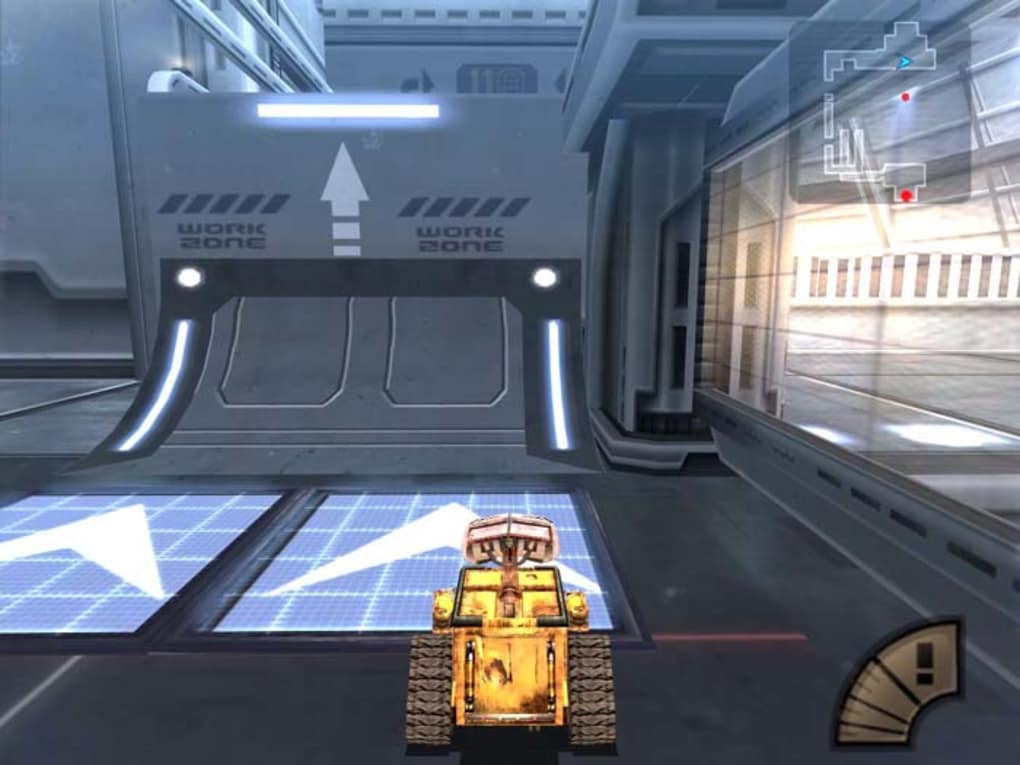
The game’s visuals are a point of contention. While the character models accurately reflect their film counterparts, capturing WALL-E’s distinctive design and expressive animations, the overall graphical fidelity falls short of contemporary standards. The environments lack detail, appearing somewhat bland and repetitive. The textures are simplistic and the level designs offer little visual diversity, which is further amplified by the limited colour palette used, contributing to the overall lackluster appearance of the game world.
The sound design suffers from similar shortcomings. While the introductory song successfully captures the essence of the film’s soundtrack, the rest of the audio experience falls flat. Sound effects lack impact and ambiance, failing to create a truly immersive gaming experience. The lack of environmental sound, the repetitive nature of enemy sounds, and the limited musical score, all result in a fairly muted auditory experience.
Story and Characters: Staying True to the Source Material
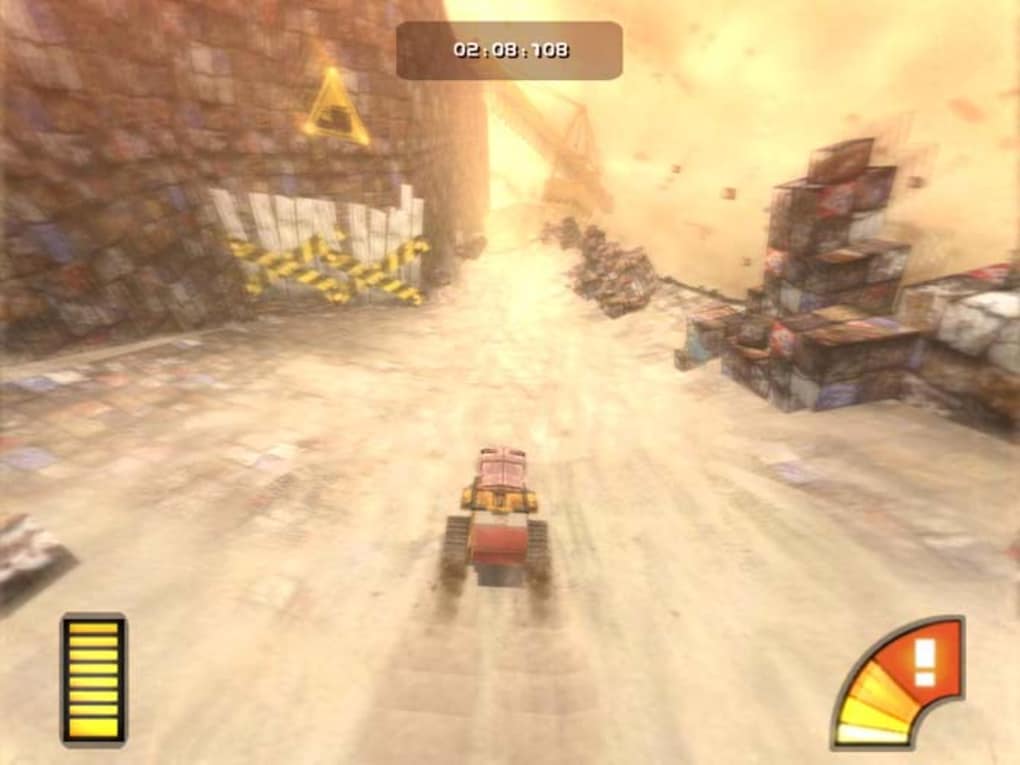
One area where the game excels is in capturing the essence of the movie’s story and characters. The narrative, though condensed for the video game format, faithfully mirrors the key plot points of the film, showcasing WALL-E’s journey and the challenges he faces in his quest to find companionship and purpose. Players interact with other characters, such as EVE, the sleek probe robot and several other robots, although their interactions are limited in scope.
The game’s story follows a simplified version of the film’s narrative, streamlining the events to fit the gameplay structure. While this streamlined approach allows the central narrative to be experienced within a limited timeframe, it unfortunately results in a somewhat shallow interpretation of the deeper themes explored in the movie. This omission of critical narrative elements limits emotional impact on the player and reduces the overall engagement with the narrative.
Overall Experience: A Decent but Flawed Adaptation
The WALL-E video game offers a reasonably enjoyable platforming experience for fans of the film. Its controls are simple to understand and the first-person perspective is a novel approach. However, the limited number of levels, simplistic graphics, repetitive gameplay, and lackluster sound design detract from the overall experience. The game’s strength lies in its faithfulness to the original movie’s story and characters, but its shortcomings in other areas prevent it from becoming a truly memorable video game adaptation.
The game’s demo version, offering only two relatively short levels, arguably provides a misleading impression of the full game experience. While the demo showcases the core mechanics and visual style, it fails to capture the repetitive nature of the gameplay, which only truly manifests itself after extended play. This restricted preview could lead potential players to have inflated expectations concerning the full game experience. The relatively short levels could feel overly simplistic and less challenging to experienced platform game players, contributing to the general feeling of a missed opportunity.
Comparison with Other Movie-Based Games
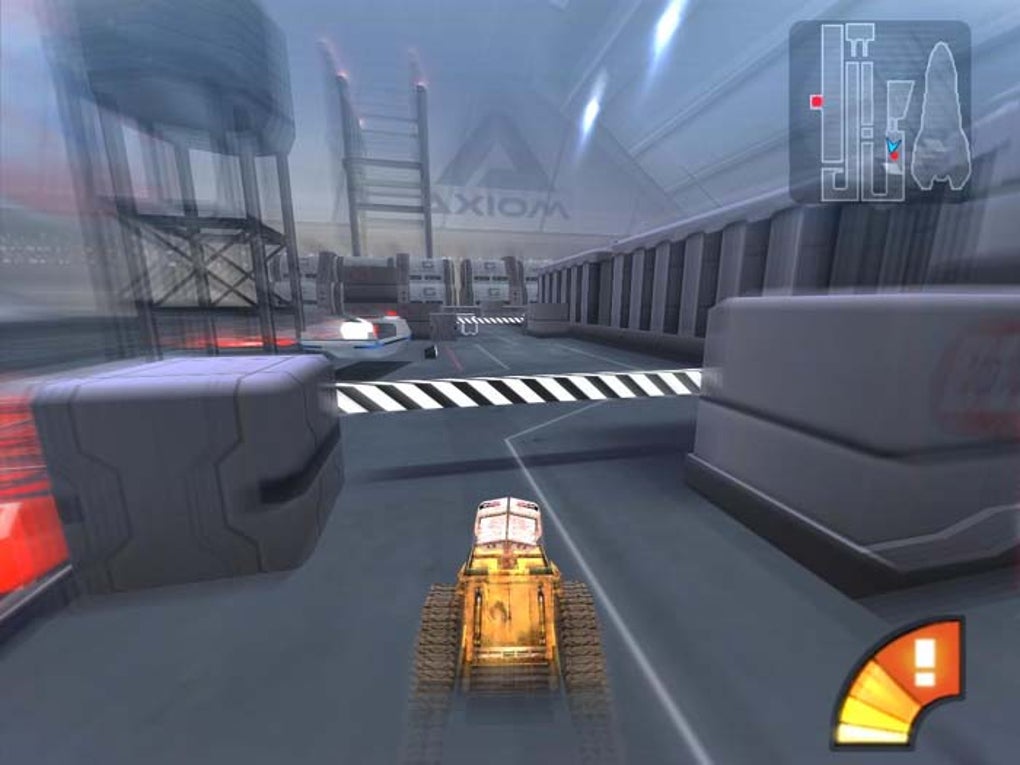
The WALL-E video game unfortunately mirrors the typical shortcomings seen in many movie-based games. It struggles to translate the nuance and depth of the film’s storytelling into an engaging interactive experience, often resorting to simplified gameplay and shallow mechanics to streamline the overall experience. While some movie games achieve success by expanding upon the film’s universe, introducing new stories and characters, WALL-E remains largely tethered to the original film’s narrative, restricting its potential for creative expansion and innovation. A more ambitious, expansive approach might have yielded a significantly improved gaming experience.
The game’s overall repetitive nature limits replayability significantly. The lack of substantial narrative progression between levels, the limited number of variations in gameplay challenges and environmental design choices all contribute to a sense of monotony during extended play sessions. This shortcoming is particularly noticeable when compared to successful movie-based games, which often incorporate diverse gameplay mechanics and multiple play styles to increase replay value and reduce the chances of the game becoming monotonous and repetitive.
In conclusion, the WALL-E video game offers a glimpse into the world of the beloved Pixar film but ultimately falls short of delivering a truly captivating gaming experience. While fans of the movie will appreciate the faithfulness to the source material, the game’s limitations in graphics, sound design, and gameplay prevent it from becoming a standout title in the genre. Its repetitive gameplay and limited level design, coupled with the underwhelming visual presentation, ultimately leave the player wanting more. A more ambitious approach to game design, with a focus on innovative gameplay mechanics and a richly detailed game world, could have potentially transformed this adaptation into a genuinely memorable gaming experience.
File Information
- License: “Trial version”
- Latest update: “June 26, 2008”
- Platform: “Windows”
- OS: “Windows XP”
- Language: “English”
- Downloads: “77.1K”
- Size: “229.73 MB”


