
In the realm of historical simulation games, where authenticity often battles with accessibility, “War of Rights” emerges as a compelling and ambitious contender. Developed by Campfire Games, this pay-to-play PC title plunges players directly into the visceral and challenging world of the American Civil War, specifically focusing on the pivotal Maryland Campaign of September 1862. It’s not merely a game; it’s an immersive, large-scale historical strategy computer game that demands strategic acumen, teamwork, and an appreciation for the grim realities of 19th-century warfare. PhanMemFree is excited to delve into what makes “War of Rights” a truly unique and intense experience, positioning it alongside titles like “Hell Let Loose” and “Battlefield V” in its dedication to massive, player-driven conflict.
At its core, “War of Rights” is designed to be a massive multiplayer experience, capable of hosting up to 200 players simultaneously on sprawling, historically accurate battlefields. This incredible player count isn’t just a number; it’s a fundamental pillar of the game’s design, enabling truly epic engagements that mirror the scale of real Civil War battles. Players aren’t just engaging in skirmishes; they are participants in large-scale movements, grand strategies, and desperate last stands. The game challenges individuals to choose their own history within this meticulously recreated epoch, understanding and experiencing a level of strategic depth and tactical fidelity rarely seen in a computer game. This is where the true heart of “War of Rights” lies: in its unwavering commitment to transporting players back to one of the most defining moments in American history, allowing them to not just observe but actively participate in its unfolding.
The Grand Scale of Civil War Simulation
“War of Rights” distinguishes itself immediately through its monumental scale and unwavering commitment to historical fidelity. Unlike many fast-paced, arcade-style shooters, this game demands patience, strategic thinking, and a willingness to embrace the slower, more deliberate pace of 19th-century combat. The inclusion of up to 200 players in a single battle server means that every engagement feels truly massive, a chaotic yet organized dance of hundreds of soldiers maneuvering, firing, and fighting across expansive terrain. This isn’t just about individual marksmanship; it’s about the collective effort of a battalion, the coordinated push of a company, and the strategic vision of an entire army.
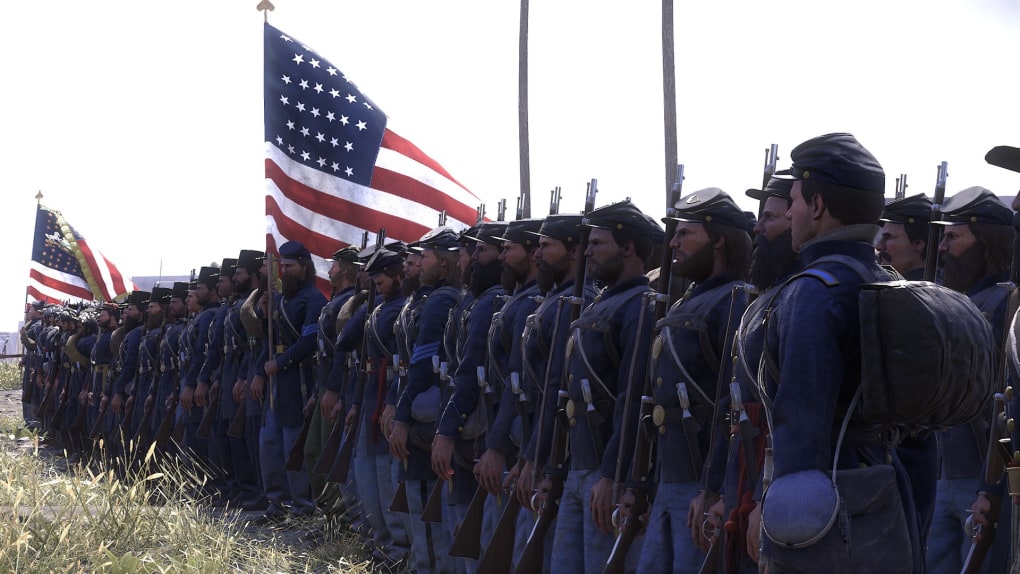
The game’s setting, the Maryland Campaign of September 1862, is a crucial detail that underpins its authenticity. This specific historical period allows developers to meticulously recreate the uniforms, weaponry, and even the terrain with an unparalleled level of accuracy. Players aren’t dropped into generic battlefields; they are placed on the very ground where pivotal moments of the Civil War occurred, such as the iconic Gettysburg battlefield, which is brought to life with painstaking detail. This dedication to historical accuracy extends beyond mere aesthetics, influencing core gameplay mechanics. The slow, deliberate reload times for muzzle-loading rifles, the limited ammunition, and the devastating impact of artillery all contribute to an experience that feels genuinely rooted in the period. It’s an opportunity to relive and appreciate the true happenings during the Civil War, not just as an observer, but as a combatant on the front lines.
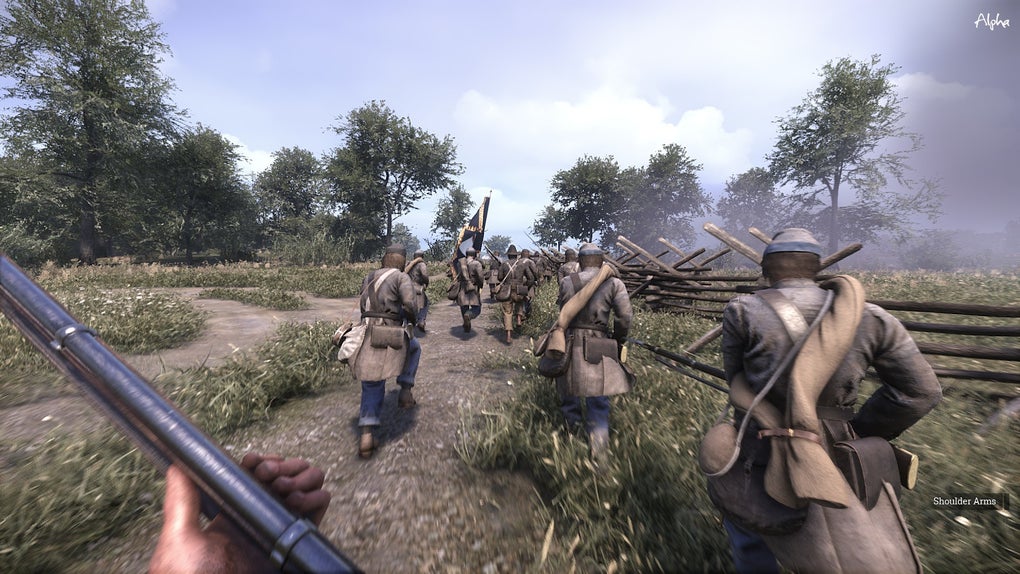
The strategic element is paramount. While the immediate action focuses on combat, the larger narrative presented by PhanMemFree hints at leading your “nation” to its rightful place on the world political tree. This translates into the game’s overarching objectives and the need for players, especially those in leadership roles, to think beyond individual kills. It’s about building a strong military—represented by disciplined formations and effective unit coordination—and learning to develop political relationships across different “fronts of struggle,” which can be interpreted as coordinating various units or flanks within a large battle, or even engaging in meta-game strategies outside of direct combat if the game’s future development encompasses a broader campaign layer. The ultimate goal is often to “deal with the remnants of ancient enemies” and make tough decisions, sticking to your guns when facing seemingly impossible situations. This broad strategic framing elevates “War of Rights” beyond a simple shooter, positioning it as a profound simulation of military and political maneuvering during a tumultuous era.
Historical Immersion and Authenticity
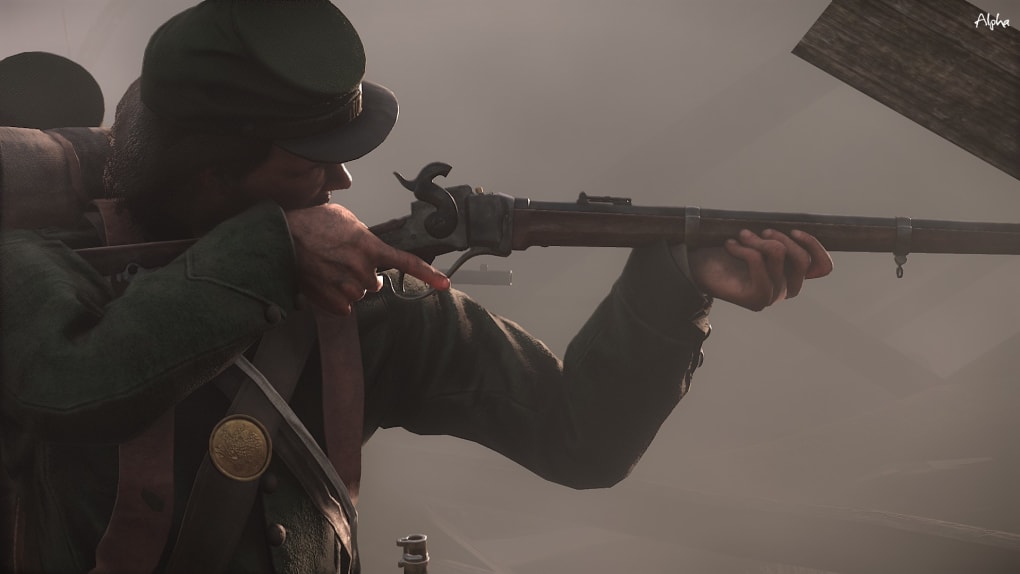
The immersive quality of “War of Rights” is one of its strongest selling points. Every aspect, from the meticulously recreated weaponry to the detailed battlefield environments, is designed to transport players to the 1860s. The age of the iron fist and the long train of the American Civil War can be experienced through the use of realistic weaponry. Players don’t just wield a generic gun; they handle historically accurate Springfield or Enfield rifles, experience the thunderous roar of a Napoleon cannon, and understand the intricate drill required to operate these instruments of war effectively. This dedication to detail is not just superficial; it deeply impacts gameplay. The slower rate of fire, the need for coordinated volleys, and the vulnerability of soldiers during reloading phases are all direct consequences of this commitment to historical authenticity.
The battlefields themselves are characters in the game, meticulously researched and recreated using period maps, photographs, and geographical data. Players will recognize famous landmarks and tactical positions from the Maryland Campaign. This level of environmental authenticity not only enhances the visual experience but also provides a deep layer of strategic understanding for those familiar with Civil War history. Knowing the historical significance of a specific ridge or a cluster of trees can inform tactical decisions, making the experience even more rewarding for history buffs. This deep dive into authenticity extends to the “large variety of historically correct events and campaigns” that players can experience, ensuring that each session feels like a genuine recreation of a historical moment rather than a generic skirmish.
Stepping into Command: Roles and Responsibilities
“War of Rights” offers a multi-faceted gameplay experience where players can choose various roles, each with distinct responsibilities that contribute to the larger war effort. The game allows players to assume positions of leadership, embodying figures akin to legendary commanders of the era. The reference mentions players taking on roles similar to Abraham Lincoln and General Gordon, or even Robert E. Lee, highlighting the dual nature of strategic command and tactical execution. While the game’s current focus is primarily on battlefield engagements, these references hint at a broader vision for player agency and leadership.
Imagine the player controlling a figure analogous to Lincoln, guiding the Union into battle. This could involve establishing and training the Union army – interpreted within the game as coordinating large numbers of players into cohesive units and ensuring effective communication channels – and strategically deploying them across various fronts. Building key cities, as mentioned in the reference, might represent securing vital objectives on the map, fortifying positions, or ensuring supply lines. The overarching goal for the Union leader would be to “restore the freedoms and independence of your country,” which translates to achieving victory conditions on the battlefield and pushing back against the Confederate forces.
Conversely, players opting to play as a Confederate leader, such as Robert E. Lee, would face different, yet equally challenging, strategic imperatives. Their role would involve defending territory, orchestrating daring maneuvers, and maximizing the effectiveness of their forces against a potentially larger Union army. Each player’s choice of allegiance – Union or Confederate – opens up a unique path within this strategy game, dictating their objectives, their available units (uniforms, flags), and the historical context of their struggle. This choice is not merely cosmetic; it fundamentally shapes the player’s experience and their contribution to the grand narrative of the American Civil War.
Unveiling the Battlefield: Mechanics and Strategy
Beyond the high-level command, individual players are thrust into the roles of soldiers, officers, and NCOs on the ground, where the true intensity of “War of Rights” unfolds. As a private, the experience is one of disciplined formation, following orders, and enduring the terrifying spectacle of massed combat. As an officer, the responsibility is immense, requiring constant communication, tactical awareness, and the ability to inspire and lead your men under fire. The game’s emphasis on unit cohesion means that lone wolf tactics are often suicidal; success hinges on working together, maintaining formations, and executing orders effectively.
The mechanics of combat are deliberately unforgiving. Muzzle-loading rifles mean a long reload time after each shot, forcing players to think carefully about when and where to fire. This realism transforms every engagement into a tense dance of positioning, volley fire, and bayonet charges. Artillery, when deployed effectively, can devastate enemy formations, but it requires skilled crews and protection from enemy infantry. The game’s “top-down” strategic element, as mentioned in the reference, speaks to the need for leaders to control the course of history through powerful weapons (artillery, massed infantry), sieging cities (capturing key objectives), and developing political coalitions (coordinating with other player-controlled units). The learning curve is steep, but the reward is a deeply satisfying and historically authentic combat experience. The “immersive communication” system is vital here, allowing players to convey orders, report enemy positions, and coordinate attacks in real-time, fostering a sense of camaraderie and shared purpose that is central to the game’s appeal.
A Deep Dive into Authenticity: Graphics, Sound, and Atmosphere
The visual and auditory landscape of “War of Rights” is a testament to Campfire Games’ dedication to recreating the American Civil War with stunning authenticity. The game boasts a “detailed and elegant graphics art style” that goes beyond mere high-fidelity textures. It captures the somber, often brutal, aesthetic of the period, from the faded blues and greys of the uniforms to the desolate beauty of the battle-scarred landscapes. Every button, every buckle, and every stitch on a uniform appears to be rendered with meticulous care, reflecting extensive historical research. The environments themselves, from rolling hills and dense forests to sprawling farms and small towns, are not just backdrops but integral parts of the tactical experience, offering cover, vantage points, and choke points that mirror real-world terrain.
The atmospheric effect of these graphics is profound. When hundreds of players clash on a battlefield, the visual spectacle is breathtaking. Smoke billows from musket fire, artillery shells tear through the air, and the ground becomes churned and scarred by the ceaseless conflict. Weather effects, such as fog or rain, can drastically alter visibility and the strategic dynamics of a battle, adding another layer of realism and unpredictability. This visual immersion is crucial for drawing players into the intensity of the period.
Complementing the stunning visuals is an equally impressive sound design. The roar of hundreds of muskets firing in unison is deafening, sending shivers down the spine. The distant thud of cannon fire reverberates across the map, signifying the escalating conflict. The screams of charging men, the commands of officers, and the whistle of incoming projectiles all combine to create a cacophony of war that is both terrifying and exhilarating. This meticulous attention to audio detail, combined with the “immersive communication” system that allows players to use voice chat within their proximity, amplifies the sense of being truly present on the battlefield. It’s a sensory experience that solidifies the game’s claim of being an immersive historical simulation.
The Evolving Experience: Development and Community
“War of Rights” has been on a journey of continuous development, a process that is transparent to its dedicated player base. The game’s status as “still in its early stage of development” at the time of the reference points to an ongoing commitment from Campfire Games to refine and expand the experience. This often means that while the core mechanics and historical fidelity are strong, players can expect regular updates, new content, and improvements based on community feedback. Being part of an early access or continuously developing game means players have the unique opportunity to contribute to its evolution, reporting bugs, suggesting features, and engaging directly with the developers.
The community surrounding “War of Rights” is a vital component of its ecosystem. Players often organize themselves into historical regiments, complete with their own hierarchies, drills, and traditions, further enhancing the role-playing aspect. This strong community engagement contributes significantly to the “immersive communication” aspect mentioned, as players learn to coordinate not just within their immediate squad but across larger military formations. The dedication of the player base to historical authenticity mirrors that of the developers, creating a collaborative environment where shared passion for the Civil War era thrives. This dynamic development cycle, supported by an engaged community, ensures that “War of Rights” continues to grow and evolve, pushing the boundaries of what a historical simulation can achieve.
Navigating the Front Lines: Pros, Cons, and the Future of War of Rights
“War of Rights” stands as a monumental achievement in historical simulation, but like any ambitious project, it comes with its own set of strengths and areas for potential growth. A balanced perspective, as offered by PhanMemFree, allows prospective players to understand what they are getting into.
Pros:
- Historically-accurate American Civil War battlefields: This is arguably the game’s crowning jewel. The meticulous recreation of locations like Gettysburg and the broader Maryland Campaign provides an unparalleled sense of immersion and educational value. Players are literally walking on history.
- Massive multiplayer game consisting of up to 200 players: The sheer scale of engagements is a game-changer. It allows for tactical maneuvers and grand strategies that are simply impossible in smaller-scale titles, fostering a genuine sense of being part of a large military force.
- Detailed and elegant graphics art style: The visual fidelity isn’t just about high-resolution textures; it’s about the artistic direction that captures the solemn and realistic atmosphere of the Civil War, enhancing the overall immersion.
- Immersive communication: The in-game voice communication system, often localized by proximity, encourages teamwork, strategic coordination, and role-playing, making battles feel more authentic and personal.
Cons:
- Reloading takes way too long: While a direct consequence of historical accuracy with muzzle-loading firearms, this can be a point of frustration for players accustomed to faster-paced shooters. It demands a significant adjustment in playstyle and patience. However, many see this as a feature, not a bug, emphasizing the game’s commitment to realism.
- Still in its early stage of development: This means that while the core experience is solid, players might encounter bugs, unfinished features, or elements that are still being optimized. However, it also implies an active development team and the potential for significant future enhancements and content additions.
When compared to other massive combat games like “Hell Let Loose” and “Battlefield V,” “War of Rights” carves out its own niche. While all three offer large-scale engagements, “War of Rights” distinguishes itself with its unique historical period and an even deeper dive into simulation. “Hell Let Loose” focuses on World War II with a strong emphasis on squad-based tactics and communication, offering a similar dedication to realism but with faster gameplay due to more modern weaponry. “Battlefield V,” while also set in World War II, leans more towards an arcade-style experience with larger-than-life battles and a quicker pace. “War of Rights” embraces the deliberate, often brutal, nature of 19th-century warfare, making every shot, every maneuver, and every life feel incredibly significant. Its commitment to detail, from the slow reload times to the reliance on formations, creates a distinct gameplay loop that appeals to a specific audience looking for a truly authentic Civil War experience.
In conclusion, “War of Rights” is more than just a game; it’s a meticulously crafted historical simulation that offers a profound and challenging experience of the American Civil War. Its blend of massive multiplayer battles, unwavering historical accuracy, detailed visuals, and immersive communication creates an atmosphere unlike any other. While its deliberate pace and ongoing development might not appeal to everyone, for those seeking to truly step into the boots of a Civil War soldier and understand the intense realities of that conflict, “War of Rights” provides an unparalleled opportunity. PhanMemFree highly recommends this title for history enthusiasts and simulation aficionados looking for a deep, challenging, and incredibly rewarding journey back in time.
File Information
- License: “Full”
- Version: “176”
- Latest update: “November 18, 2021”
- Platform: “Windows”
- OS: “Windows 10”
- Language: “English”
- Downloads: “3K”


