
Warcraft II: Tides of Darkness, released in 1995 by Blizzard Entertainment, stands as a landmark achievement in the real-time strategy (RTS) genre. A sequel to the groundbreaking Warcraft: Orcs & Humans, Tides of Darkness expanded upon its predecessor’s formula, introducing a richer narrative, more complex units, and a deeper strategic layer that would influence countless RTS games to follow. While its graphics may appear dated by today’s standards, the game’s enduring legacy stems from its compelling gameplay, memorable characters, and its pivotal role in shaping the Warcraft universe. This exploration delves into the game’s mechanics, impact, and lasting influence on the gaming landscape.
A World at War: Story and Setting
Tides of Darkness plunges players into the tumultuous world of Azeroth, a richly detailed fantasy realm teeming with magic, mythical creatures, and warring factions. The game’s cinematic introduction immediately sets the stage, introducing the central conflict between the human kingdom of Lordaeron, led by the wise King Terenas Menethil II, and the relentless Orcish Horde, commanded by the cunning and manipulative warlock, Gul’dan. This conflict, steeped in a compelling narrative of betrayal, ambition, and the struggle for power, serves as the backbone of the game’s engaging single-player campaign.
The campaign unfolds through a series of missions, each presenting unique objectives and challenges. Players are tasked with constructing bases, managing resources, training armies, and strategically deploying units to achieve victory. The narrative unfolds organically, introducing new characters, factions, and plot twists that keep players engaged and invested in the outcome. The storyline skillfully balances epic scope with intimate moments, effectively portraying the personal stakes of the conflict for both the human and Orcish protagonists. The storytelling, for its time, was remarkably immersive, creating a world that players could actively inhabit and experience.
Gameplay Mechanics: Building, Battling, and Strategy
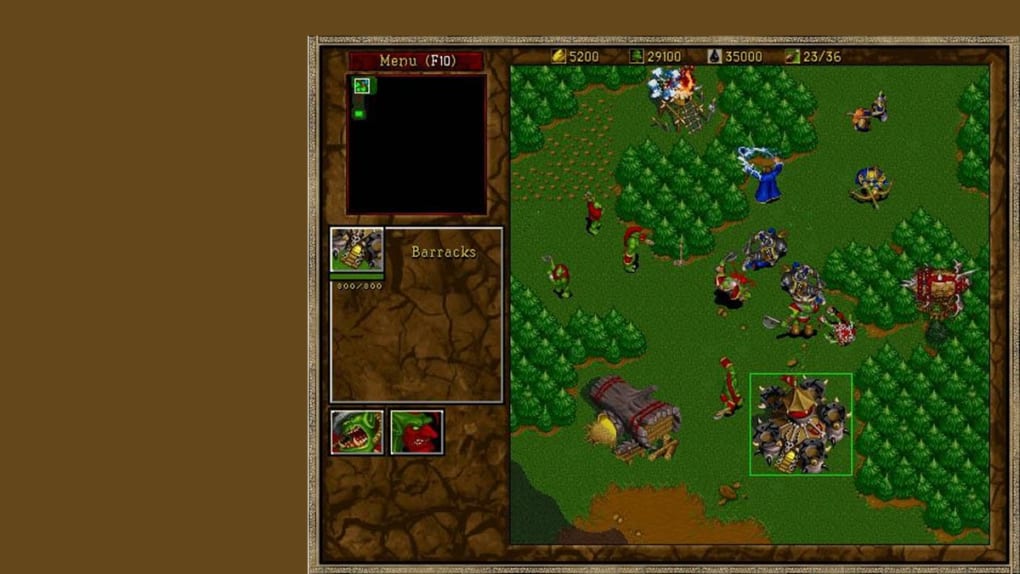
Warcraft II’s gameplay revolves around the core mechanics of base building, resource management, and tactical combat. Players must effectively manage their resources, including gold and lumber, to construct buildings, train units, and upgrade their technology. This requires a delicate balance: expanding your territory to secure more resources while maintaining a robust defense against enemy attacks. The game presents a significant strategic challenge, requiring players to consider factors such as unit composition, terrain advantages, and the timing of their attacks.
Unit diversity adds another layer of complexity. Each faction boasts a unique roster of units, each with its strengths and weaknesses. Humans excel in ranged attacks and defensive structures, while Orcs boast powerful melee units and devastating siege weapons. Strategic unit combinations and effective counter-strategies are crucial to success. The game encourages experimentation and the development of individual playstyles, ensuring that no two playthroughs are exactly alike. The balance, however, isn’t perfect; some players and critics have consistently noted an imbalance favoring the Orcish faction in certain aspects of the game, giving them a perceived advantage over the humans.
Factions and Units: Humans vs. Orcs
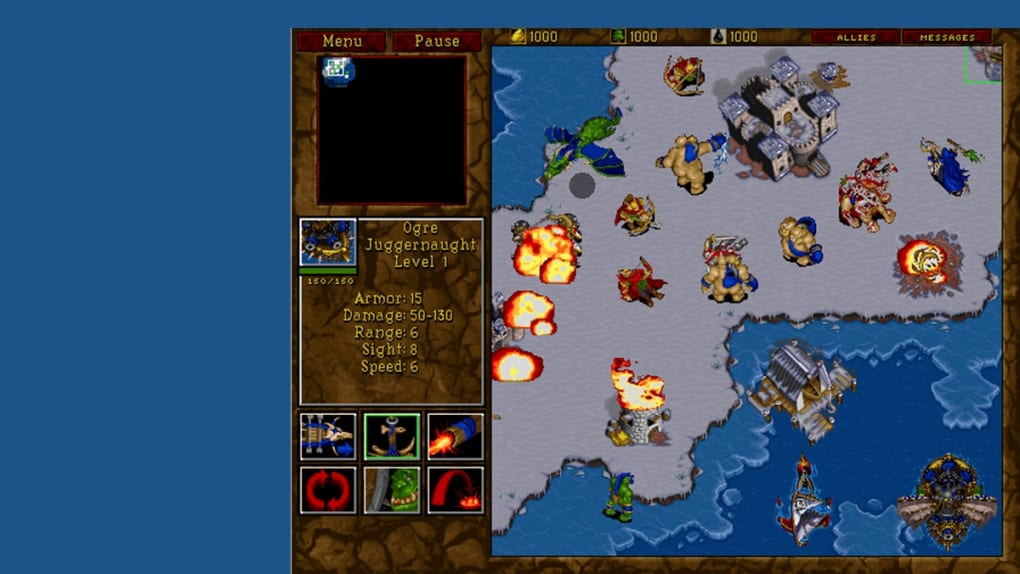
The game’s two main factions, the humans and orcs, represent distinct playstyles and strategic approaches. The humans are characterized by their reliance on ranged units and powerful siege weapons, including catapults and cannons, making them well-suited for long-range engagements and defensive strategies. Their knights are heavily armored, making them formidable in close combat but vulnerable to ranged attacks.
The Orcs, conversely, favor melee units, relying on brute strength and overwhelming numbers to overwhelm their foes. Their powerful units, such as the shaman and the axe thrower, make them formidable in close-quarters combat. While their ranged attacks may be less potent, their overall resilience and strength in melee engagements can present a considerable challenge. This fundamental difference in strategic approaches is what makes the game so replayable, offering players the choice to master diverse tactics and counter-strategies.
Graphics and Sound: A Nostalgic Trip Down Memory Lane
While the graphics of Warcraft II may seem rudimentary by today’s standards, they were groundbreaking for their time. The game’s 2D sprites, though simple, are impressively detailed, conveying a sense of character and atmosphere. The animations, while limited, are fluid and expressive, adding to the overall visual appeal. The game’s art style, with its distinct aesthetic and character design, has undoubtedly influenced countless fantasy games that have followed. Many players today still appreciate the game’s aesthetic charm, finding it nostalgic and appealing for its simplicity and clarity.
The soundtrack and sound effects are equally impressive, contributing significantly to the game’s immersive quality. The epic orchestral score complements the game’s fantasy setting, enhancing the mood and atmosphere. The sound effects are crisp and impactful, adding to the visceral experience of the battles and enhancing the sense of urgency and immersion. This combination of visual and auditory design created an overall atmosphere that cemented its place in gaming history.
Legacy and Influence: A Foundation for a Franchise
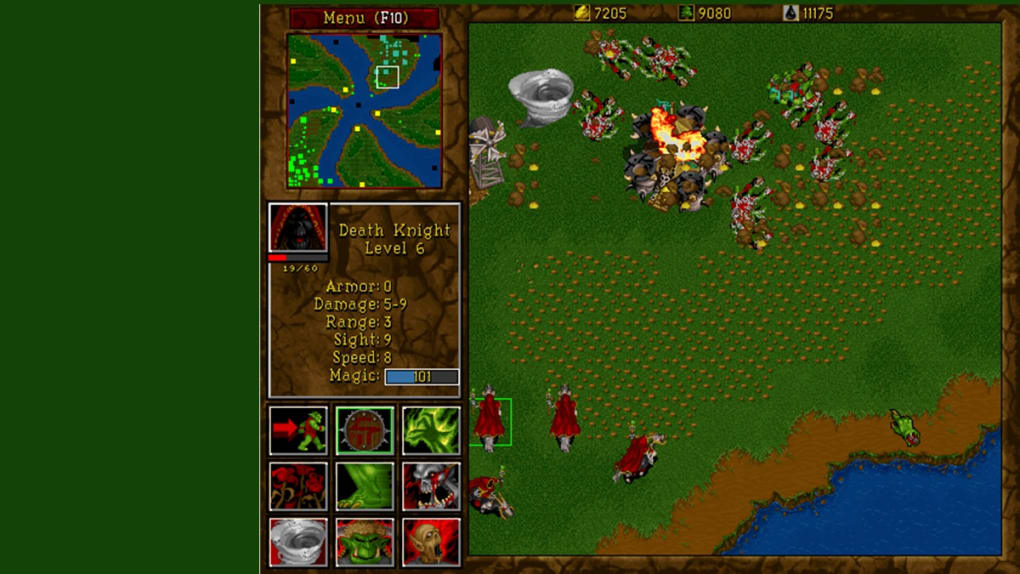
Warcraft II: Tides of Darkness was not merely a successful game in its own right, but a foundational title that laid the groundwork for the vast Warcraft universe. Its influence on the RTS genre is undeniable, inspiring countless imitators and influencing the design of countless subsequent games. The innovative mechanics, the compelling narrative, and the distinct characterization of the factions helped establish a template for modern RTS games. It also laid the foundations for its own sequels, including Warcraft III: Reign of Chaos and Warcraft III: The Frozen Throne, expanding upon the lore and gameplay mechanics established in Tides of Darkness.
The game’s popularity cemented Blizzard Entertainment’s status as a major player in the gaming industry and played a pivotal role in shaping the direction of the real-time strategy genre. The franchise continued to grow and evolve, eventually leading to the massively multiplayer online role-playing game (MMORPG) World of Warcraft, one of the most successful games in history, demonstrating the power and staying power of the franchise that started with Tides of Darkness.
Conclusion: A Lasting Impression on the Gaming World
Warcraft II: Tides of Darkness, despite its age, remains a compelling and engaging game. Its strategic depth, engaging storyline, and iconic factions have ensured its lasting appeal. While the graphics may not match modern standards, the game’s core gameplay remains remarkably timeless and rewarding. For those seeking a challenging and rewarding RTS experience, or for those looking to revisit a piece of gaming history, Warcraft II: Tides of Darkness still offers a captivating journey into the heart of a classic. The game’s impact on the RTS genre and on the broader gaming landscape is undeniable, securing its place as a seminal work in gaming history. Its enduring legacy serves as a testament to its well-crafted design, captivating story, and lasting influence on the world of gaming.
File Information
- License: “Demo”
- Version: “varies-with-devices”
- Latest update: “January 12, 2024”
- Platform: “Windows”
- OS: “Windows 10”
- Language: “English”
- Downloads: “2.9K”
- Size: “13.01 MB”


