
In the ever-evolving landscape of online multiplayer games, “Warfare Online” carves out a niche for enthusiasts of platoon-based combat, offering a free-to-play experience where strategic deployment and tactical awareness are paramount. Developed by the same creative minds behind the popular “Warfare 1917” and “Warfare 1944,” this title invites players to step into the boots of a commander, assemble their own formidable platoons, and engage in high-stakes skirmishes against rivals from across the globe. Available for Windows, “Warfare Online” presents a blend of historical unit aesthetics with accessible real-time strategy mechanics, aiming to deliver an immersive battlefield experience without the barrier of an initial purchase.
At its core, “Warfare Online” positions itself as a game for those who appreciate the intricacies of military strategy, albeit within a simplified framework. Players are tasked not just with overwhelming their opponents, but with outmaneuvering them, utilizing over 150 unique support assets to gain an edge. A distinguishing feature is the dynamic environment, particularly the destructible cover, which forces players to constantly adapt their strategies, balancing aggressive pushes with defensive maneuvers. This element adds a layer of realism and tactical depth, preventing static engagements and encouraging fluid movement across the battlefield. However, as we will explore, the game’s execution of these promising concepts often leads to a gameplay experience that, while initially captivating, can feel somewhat shallow in the long run.
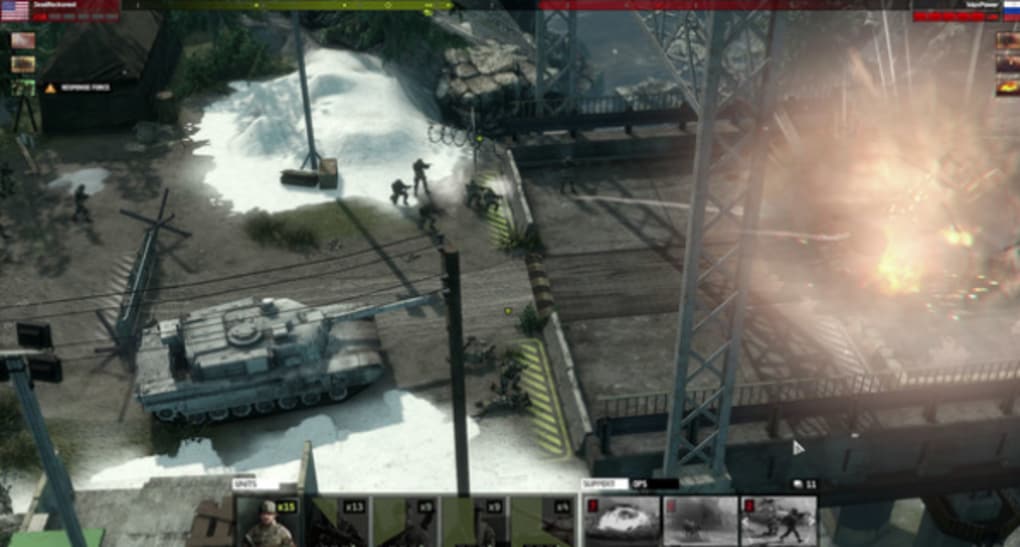
The historical backdrop of “Warfare Online” is particularly intriguing, drawing heavily from two distinct and pivotal periods in military history: the 1917 era of World War I and the 1944 era of World War II. This dual-era approach allows for a diverse roster of troops and vehicles, each painstakingly designed to reflect the technological and strategic characteristics of their respective periods. Players will find themselves commanding early tanks, infantry equipped with period-accurate weaponry, and support units that embody the tactical doctrines of these bygone conflicts. Each unit, whether from the muddy trenches of WWI or the hedgerows of WWII, comes with its own set of nuances, strengths, weaknesses, unique abilities, and vulnerabilities. This variety theoretically offers a rich tapestry for strategic gameplay, encouraging players to delve into the specifics of each unit to optimize their platoon composition for different scenarios and opponents.
The initial impression of “Warfare Online” is often one of admiration for its commitment to combat realism. The visual presentation of units, the sounds of battle, and the dynamic environmental interactions contribute to an immersive atmosphere that can draw players in. The concept of managing units with distinct historical attributes is appealing, promising deep strategic possibilities. Yet, beneath this polished veneer, the game struggles with fundamental gameplay issues that prevent it from fully realizing its potential as a truly strategic warfare title. This dichotomy between promising concept and actual execution forms a central point of discussion for the game, influencing player satisfaction and long-term engagement.
Assembling Your Platoon: A Journey Through Eras
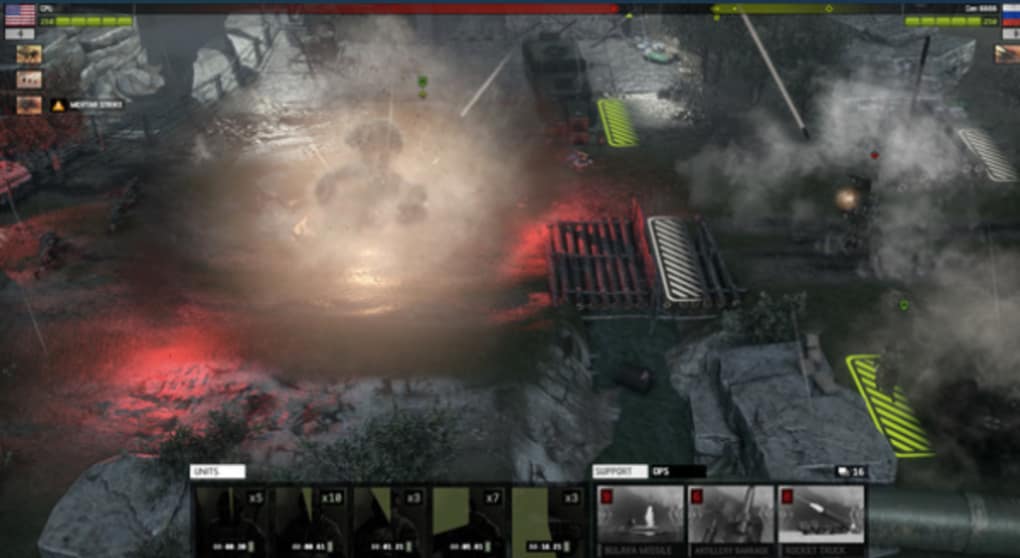
The cornerstone of “Warfare Online” lies in the meticulous assembly of one’s platoon, a process that immerses players in military history by allowing them to command forces from two distinct and impactful eras: 1917 and 1944. This temporal split is not merely cosmetic; it profoundly influences the types of units available, their tactical roles, and the overall strategic considerations required on the battlefield. The game, while not explicitly detailing the eras during the platoon selection process, implicitly offers units that are unmistakably tied to the early 20th century’s trench warfare and mid-century’s mechanized blitzkrieg.
Players have access to a vast array of over 150 support assets, which range from various troop types to different classes of vehicles and specialized equipment. This extensive collection serves as the foundation for building a personalized and effective fighting force. For instance, players might choose to field infantry units reminiscent of World War I, equipped with bolt-action rifles and bayonets, suitable for defensive positions and slow, grinding advances. Alongside these, they could deploy early tanks or artillery pieces that defined the technological evolution of warfare. Conversely, troops and vehicles from the 1944 era bring with them the advancements of World War II, including more sophisticated tanks, automatic weaponry, and specialized anti-tank or anti-air units, reflecting the rapid mechanization and tactical developments of that period.
Units, Nuances, and Destructible Cover
A significant aspect of “Warfare Online” is the individuality bestowed upon each unit. Whether it’s a squad of trench raiders from 1917 or a Sherman tank from 1944, every character and vehicle possesses its own set of “nuances.” These include specific strengths and weaknesses, unique abilities that can turn the tide of battle, and particular vulnerabilities that clever opponents can exploit. For example, a heavy tank from 1944 might boast formidable armor and firepower but be slow and susceptible to flanking maneuvers, while a light infantry squad from 1917 could be agile and effective in close quarters but fragile against machine-gun fire. Understanding these intricacies is theoretically vital for successful strategic play, as it allows commanders to craft balanced platoons that can counter various enemy compositions and exploit environmental advantages.
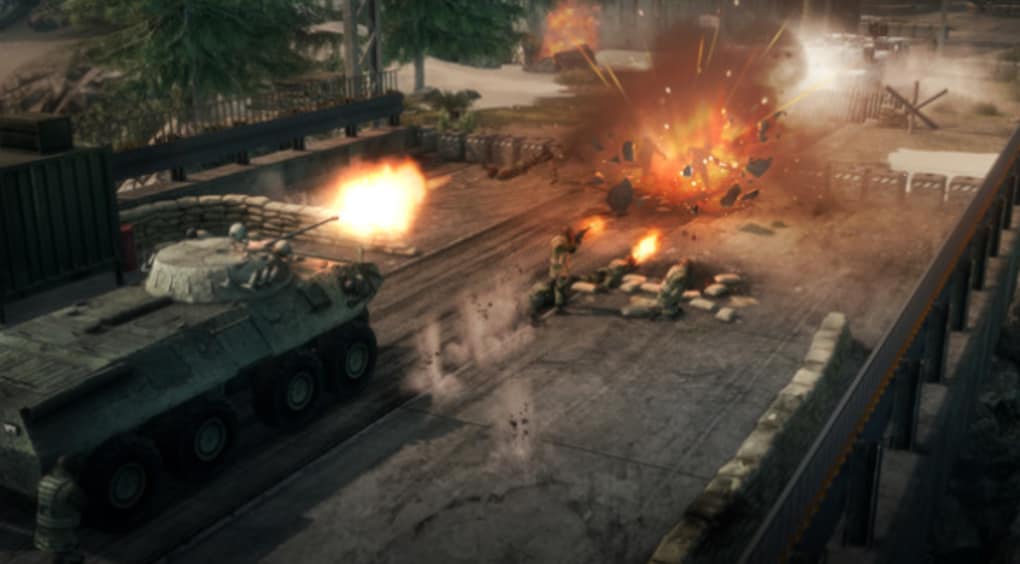
The environment itself plays a crucial role, most notably through the implementation of destructible cover. This feature is a double-edged sword: while it provides immediate tactical advantages by allowing units to hide and mitigate incoming fire, it also introduces a dynamic element of impermanence. A sturdy stone wall or a dense forest might offer excellent protection initially, but sustained enemy fire can gradually chip away at its integrity, eventually rendering it useless. This forces players to be constantly aware of their surroundings and to think several steps ahead. Static defense becomes a perilous gamble; instead, commanders must continuously move their forces, adapting to the changing landscape of the battlefield, seeking new vantage points, and balancing their offensive pushes with the need to protect their units. This mechanic, if fully leveraged, could lead to highly engaging and fluid skirmishes, where the terrain itself is a participant in the strategic dance.
However, the depth suggested by these features often collides with the reality of the game’s actual gameplay. While the concept of varied units and destructible cover is sound, the practical application can sometimes fall short, leading to less complex engagements than one might anticipate.
The Core Gameplay: Strategy, Realism, and Its Limitations
“Warfare Online” initially impresses with its commitment to combat realism. The visual fidelity of the units, the environmental details, and the sound design work in concert to create a battlefield atmosphere that feels authentic and immersive. Explosions resonate with a satisfying boom, weapon fire cracks through the air, and the shouts of soldiers add a layer of chaotic authenticity. The concept of commanding historical units, each with its unique characteristics, contributes to this feeling of realism, drawing players into the strategic challenges of early 20th-century warfare. The feature where units automatically move to cover when available is also a welcome addition, streamlining micro-management and allowing players to focus on broader strategic objectives. This is not a new concept in the RTS genre, but its inclusion significantly enhances the player experience by reducing tedious manual positioning.
Despite these promising elements, the game’s core gameplay loop is often criticized for being surprisingly shallow. What begins as an engaging strategic endeavor can quickly devolve into less sophisticated tactics. Many opponents, rather than engaging in complex maneuvers or exploiting unit synergies, often find success through a simpler, more brute-force approach. This typically involves “spamming troops” – rapidly deploying a large number of units – and “piling them onto your enemy.” The sheer numerical advantage, combined with a direct assault, often proves overwhelmingly effective, negating any nuanced strategies that a more thoughtful player might attempt to employ.
Navigating Tactical Challenges and Exploits
This tendency towards overwhelming numerical superiority means that players who meticulously plan their attacks, considering unit match-ups, terrain advantages, and defensive positioning, can easily be defeated by a less sophisticated “rush” strategy. The depth suggested by the diverse unit roster and destructible cover system often goes unutilized when a straightforward massing of forces can achieve victory. This “select move and overwhelm” tactic becomes a prevalent and often frustrating meta, particularly for those who desire a more cerebral and strategic challenge from their online war game. The game’s balance, in this regard, appears to favor aggression and quantity over thoughtful planning and tactical precision.
The “Pros” listed for “Warfare Online” highlight the joy of finding an opponent who also favors strategy. When two such players meet, the game can indeed blossom into a tense and rewarding experience, where every decision about troop movement, cover utilization, and asset deployment truly matters. In these instances, the ease with which troops can be moved to targeted and strategic locations becomes a genuine asset, allowing for fluid and responsive tactical execution. The immersive soundscape, which is consistently praised, further enhances these high-stakes engagements, drawing players deeper into the unfolding battle.
However, the “Cons” paint a clear picture of the game’s persistent issues. Beyond the prevalent “select move and overwhelm” strategy, the game is notorious for its “very long loading times.” In a fast-paced online environment, prolonged waits between matches or even during initial game launch can severely detract from the player experience, leading to frustration and reduced engagement. These technical and design limitations collectively contribute to a gameplay experience that, while initially offering the allure of complex platoon warfare, ultimately falls short for players seeking sustained strategic depth and balanced competitive play. The promise of sophisticated tactical engagements remains largely unfulfilled in many multiplayer interactions, a significant drawback for a game that positions itself as a strategic online title.
Legacy, Evolution, and the Free-to-Play Model
“Warfare Online” stands on the shoulders of its predecessors, “Warfare 1917” and “Warfare 1944,” both developed by the same creative entity, Con Artist Games Pty Ltd. This lineage is clearly evident in the game’s design, particularly its emphasis on commanding forces from these specific historical periods. The developers have successfully carried over the core concepts and artistic style that made the earlier titles popular, appealing directly to a fan base that appreciates this particular take on military strategy. For long-time players of the “Warfare” series, “Warfare Online” offers a familiar yet updated experience, striving to satisfy their expectations while introducing new elements suitable for a modern online environment.
The game is structured as a free-to-play (F2P) title, a model that significantly impacts its accessibility and progression system. This means that anyone can download and start playing without an upfront cost, lowering the barrier to entry and allowing for a wide audience to experience its unique brand of platoon warfare. However, as is typical with F2P games, progression and access to the full suite of “over 150 support assets” often involve an element of grinding or microtransactions. Players must unlock these diverse units and vehicles through gameplay, which can be a lengthy process, or potentially through in-game purchases. This design choice aims to provide a sustainable revenue stream for the developers while keeping the game open to a broad player base.
Replay Value and Community Engagement
The replay value of “Warfare Online” is explicitly tied to the quality of the opposing players. When matched against an opponent who shares a similar inclination towards strategic depth and nuanced gameplay, the game truly shines, offering engaging and unpredictable battles. These encounters can be highly rewarding, encouraging players to refine their platoon compositions, adapt their tactics, and learn from each skirmish. This dynamic means that investing time and effort into the game, particularly in finding like-minded players or joining communities that foster strategic play, can significantly enhance the overall experience. The challenge and satisfaction derived from outthinking a skilled human opponent provide a strong incentive for continued engagement.
However, the flip side of this dependence on opponent quality is that matches against players who default to “spamming troops” or “select move and overwhelm” tactics can quickly become repetitive and unfulfilling. This variability in player skill and approach can make the online experience inconsistent, potentially leading to frustration for those seeking consistently high-quality strategic engagements. The F2P model, while welcoming, can also contribute to this, as it attracts a very broad spectrum of players, from casual experimentalists to dedicated strategists.
In terms of how it compares to other games, “Warfare Online” attempts to cater to players who might have been “spoilt by games such as Company of Heroes.” This comparison is telling, as Company of Heroes is widely regarded as a benchmark for real-time strategy games, known for its deep tactical gameplay, detailed unit mechanics, and robust cover system. While “Warfare Online” incorporates similar concepts like destructible cover and unit-specific abilities, it simplifies many aspects, arguably to make it more accessible or to fit the F2P model. The updates it has received aim to bridge this gap, offering enough refinement to satisfy fans of the original “Warfare” titles while trying to appeal to a broader audience familiar with more complex RTS experiences. However, the fundamental design choices regarding strategic depth versus tactical simplicity remain a point of contention for players comparing it to genre giants.
Exploring Alternatives and the Broader Genre
The landscape of online strategy and action games is vast and varied, and “Warfare Online” exists within a vibrant ecosystem of titles that cater to different tastes in military combat and real-time strategy. For players seeking experiences beyond or parallel to “Warfare Online,” PhanMemFree provides a helpful catalog of alternatives and related topics, shedding light on the broader genre of multiplayer strategy games.
Similar Games and Their Appeal: When looking for alternatives, players often seek specific elements that “Warfare Online” offers, such as historical settings, platoon-based combat, or a free-to-play model.
- Battlefield 1942: Secret Weapons of WWII: While a trial version, this game offers a classic first-person shooter experience deeply rooted in the WWII era, allowing players to directly engage with historical weaponry and vehicles. Its appeal lies in its immersive action and large-scale battles, a different perspective from “Warfare Online’s” top-down strategy but sharing the historical context.
- Mitos.is: The Game: This free top-down online action game, though not a strategy title, shares the online competitive aspect. Its simplicity and addictive nature offer a stark contrast to “Warfare Online’s” more complex unit management, appealing to those who prefer quick, arcade-style engagements.
- Modern Tanks: Tank War Games: A highly-rated free-to-play title, this game focuses specifically on tank combat. Its ease of play and hard-to-stop nature highlight a successful blend of accessibility and engaging gameplay, perhaps achieving the “select move and overwhelm” in a more balanced context than “Warfare Online.”
- Company of Heroes: Blitzkrieg Mod: This free app for Windows demonstrates the enduring appeal of Company of Heroes and how community-driven content can extend a game’s lifespan and strategic depth. Players looking for truly deep tactical WWII strategy often gravitate towards Company of Heroes and its mods, indicating a desire for complex unit interactions, cover systems, and resource management—areas where “Warfare Online” attempts but sometimes struggles to compete.
- Warface: Another free-to-play online military shooter, Warface offers a more contemporary setting and a fast-paced FPS experience. While fundamentally different in genre, it caters to the same broad audience seeking online military action without a purchase price, offering a different kind of “war on your face.”
These alternatives collectively illustrate the diverse ways developers approach online military combat, from highly strategic RTS titles to fast-paced action games. “Warfare Online” attempts to carve a middle ground, offering strategic elements with simplified controls.
The Evolution of Online Platoon Combat: The genre of online multiplayer strategy games, particularly those focusing on military themes, has undergone significant evolution. Early pioneers laid the groundwork for complex unit management, resource gathering, and tactical positioning. Over time, games have sought to strike a balance between realism and accessibility, between deep strategic planning and immediate action.
“Warfare Online” fits into this evolving landscape by offering a free entry point into platoon warfare. It seeks to replicate the strategic depth of commanding historical units and leveraging environmental factors like destructible cover. However, its struggles with balancing “spamming troops” tactics against nuanced strategies highlight a common challenge in the F2P online strategy genre: how to maintain competitive integrity and strategic depth when the player base is so diverse in skill and commitment.
Players seeking online platoon combat typically look for several key attributes:
- Realism: An authentic representation of historical units, weaponry, and battlefield conditions.
- Strategy: Opportunities for deep tactical planning, counter-play, and adapting to dynamic situations.
- Community: A vibrant and engaged player base that contributes to replayability and fosters fair competition.
- Progression: A rewarding system for unlocking new units, abilities, and cosmetic items that encourage long-term play.
While “Warfare Online” touches on many of these points, its execution often leaves room for improvement, particularly concerning the consistent delivery of strategic depth. The relatively low number of “last month’s downloads” (7, compared to 4.4K total) also suggests that while the game had an initial draw, sustained player interest might be a challenge, possibly due to the issues discussed or the sheer volume of competing titles in the market. Nevertheless, for those who enjoy the specific aesthetic and dual-era concept, and are willing to navigate its quirks, “Warfare Online” still offers a unique, free-to-play venture into historical platoon warfare.
Conclusion: Is Warfare Online Still Worth Playing?
“Warfare Online” presents itself as a compelling proposition for fans of platoon warfare, particularly those with an affinity for the distinct military aesthetics and technologies of the 1917 and 1944 eras. Developed by Con Artist Games Pty Ltd., the creators of the respected “Warfare 1917” and “Warfare 1944,” it carries a legacy that promises a blend of historical accuracy and engaging real-time strategy. The game is free-to-play, offering immediate accessibility to a wide audience and boasting a substantial collection of over 150 support assets for players to unlock and deploy. Its commitment to immersive sound design and the inclusion of destructible cover are commendable features that initially contribute to a sense of tactical depth and combat realism.
However, beneath its promising exterior, “Warfare Online” grapples with several significant challenges that temper its overall appeal. The gameplay, despite its realistic veneer, often proves to be shallow, with competitive matches frequently devolving into “spamming troops” or “select move and overwhelm” tactics. This often negates the strategic potential offered by the diverse unit types and dynamic environments, frustrating players who seek a more cerebral and nuanced experience. Furthermore, long loading times detract from the fluidity of the online experience, a critical flaw in a genre where player engagement relies heavily on continuous action.
The replay value, a crucial aspect for any online multiplayer game, is highly dependent on the quality of opponents. When matched with like-minded strategists, “Warfare Online” can indeed deliver rewarding and engaging battles. Yet, the prevalence of less sophisticated tactics in many online encounters means that such satisfying experiences are not consistently guaranteed. The game, last updated in February 2017, also hints at a lack of ongoing developer support, which in the rapidly evolving landscape of online gaming, can lead to stagnation and a diminishing player base, as suggested by the low number of recent downloads.
Ultimately, “Warfare Online” occupies a peculiar space within the online strategy genre. It offers a nostalgic journey through pivotal historical conflicts with a robust roster of units and a free-to-play model that makes it easy to try. Its strengths lie in its immersive presentation and the potential for deep strategic play when balanced opponents meet. Its weaknesses, however, are significant: a fundamental gameplay imbalance that favors brute force over strategy, technical frustrations like long loading times, and a general lack of current updates.
For players who are ardent fans of “Warfare 1917” and “Warfare 1944” and are looking for an updated, online version of that specific experience, “Warfare Online” might still hold some appeal, especially given its free price tag. Similarly, casual players curious about historical platoon warfare who aren’t necessarily seeking hyper-competitive or deeply complex strategy might find it an enjoyable diversion. However, those accustomed to the intricate tactical layers of games like Company of Heroes, or players seeking a consistently balanced and strategically rich online environment, may find “Warfare Online” ultimately falls short of its ambitious premise. It remains a historical snapshot of online strategy, a testament to its predecessors, but one that struggles to maintain its footing in the competitive modern gaming world.
File Information
- License: “Free”
- Latest update: “February 17, 2017”
- Platform: “Windows”
- OS: “Windows 10”
- Language: “English”
- Downloads: “4.4K”


