
Warhammer Online: Age of Reckoning (WAR), a massively multiplayer online role-playing game (MMORPG) based on the popular Warhammer Fantasy Battles tabletop game, attempted to carve its niche in a market dominated by giants like World of Warcraft. While it didn’t achieve the same level of widespread dominance, WAR offered a unique and compelling experience that deserves a closer look. This article explores the game’s strengths, weaknesses, and overall impact on the MMORPG landscape.
The Free-to-Play Model and Its Limitations
One of WAR’s most significant differentiators was its free-to-play model. Players could create characters and engage with the game extensively, exploring the world and engaging in various activities, without any financial commitment. This accessibility significantly broadened the potential player base, allowing many to experience the Warhammer universe without a substantial upfront investment. However, this free access had its limitations. Progression beyond level 10 required a paid subscription, limiting the scope of the free experience. While there was certainly a substantial amount of content available to free players, the subscription wall ultimately restricted access to the full extent of the game’s offerings. This model, while innovative for its time, created a clear delineation between the free and paid experiences, potentially alienating players who weren’t prepared to subscribe after an initial period of free play. The implementation of this model significantly impacted the game’s overall longevity and player population.

Realm vs. Realm: The Heart of Warhammer Online
Unlike many MMORPGs that primarily focus on solo or small-group gameplay with occasional large-scale events, WAR built its core gameplay around massive, faction-based warfare. Players chose one of two opposing factions, the Orderly Empire or the Chaotic forces of Destruction, and were immediately thrust into a world of constant conflict. This Realm vs. Realm (RvR) system was the defining feature of WAR. Large-scale battles involving hundreds of players were commonplace, with control of key territories and resources being fiercely contested. The emphasis on large-scale PvP set WAR apart from its contemporaries, offering a dynamic and immersive experience for players who thrived in competitive environments. This commitment to large-scale PvP, however, could also be a drawback, potentially alienating players who preferred more traditional PvE (Player vs. Environment) experiences. The thrill of conquering enemy territories and participating in epic battles was a key aspect of the game, but it also meant that progression and character development were heavily intertwined with PvP success.
A Familiar Setting, Yet Polished Execution
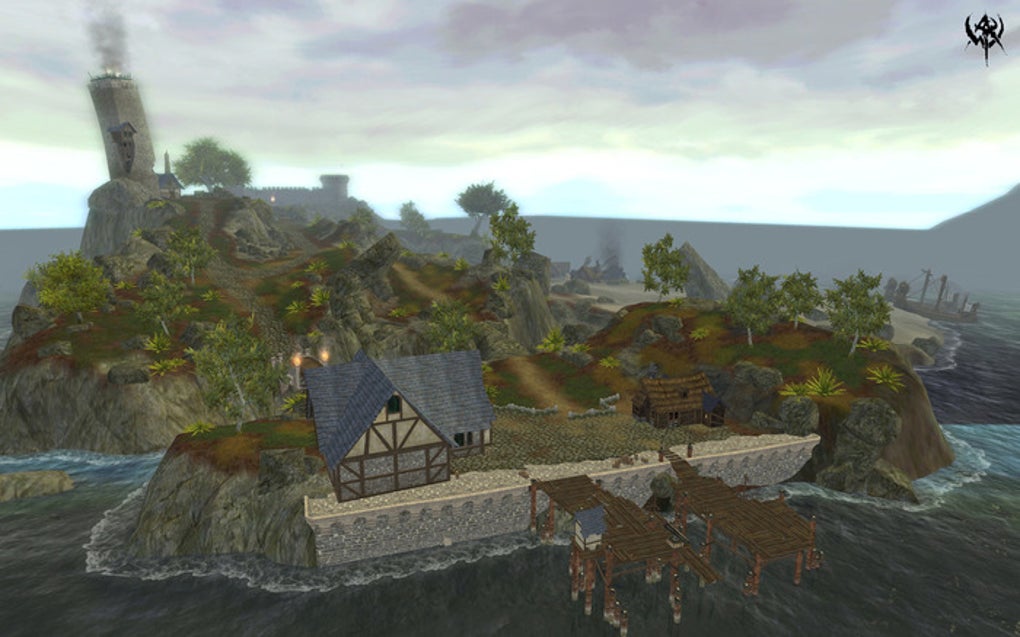
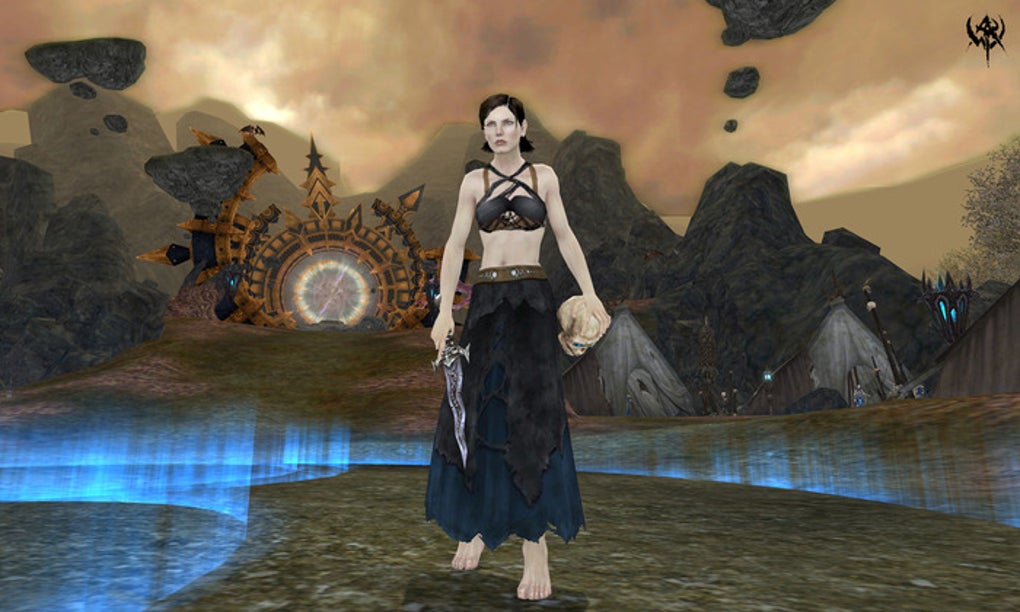
Warhammer Online benefited from a rich and well-established fantasy setting. The lore provided a strong foundation for the game’s world, characters, and overall narrative. While the presence of familiar fantasy archetypes – elves, dwarves, orcs, etc. – might have prevented WAR from establishing a completely unique visual identity, the game nonetheless showcased a polished and visually appealing world. The quests were well-designed and engaging, providing players with a steady stream of objectives and rewards, keeping them immersed in the game’s world. The attention to detail in the game’s graphics, environment design, and character models contributed to a generally positive and immersive experience for players. The game’s overall presentation succeeded in translating the essence of the Warhammer tabletop experience into a visually captivating digital realm. However, the very familiarity of the setting could also have been a hindrance. In a market already saturated with high-fantasy MMORPGs, WAR struggled to stand out from the crowd purely on the basis of its aesthetic appeal.
Population and Server Health: A Major Challenge
While WAR presented a compelling gameplay experience, it faced significant challenges regarding server population and overall health. The game’s player base, especially in later years, struggled to maintain consistent numbers across servers. This sparsity impacted the viability of the RvR system, which relied heavily on a significant population participating in large-scale battles. Empty servers diluted the core experience that WAR had to offer, diminishing the excitement of epic sieges and battles. This issue was exacerbated by the free-to-play model. The presence of a significant portion of free-to-play players, limited in their progression, could have also affected the overall perceived health of the game’s population. The uneven distribution of players across servers, coupled with the challenge of maintaining a healthy population in the face of competition, severely hampered WAR’s long-term sustainability.
The Legacy of Warhammer Online
Despite its challenges, Warhammer Online holds a place in MMORPG history. Its focus on large-scale Realm vs. Realm combat, the attempt to create a truly immersive free-to-play model, and its skillful translation of the Warhammer Fantasy world into the digital realm all contributed to a unique and memorable experience for many players. The game demonstrated the potential of large-scale PvP in an MMORPG and inspired future games to consider similar approaches. While it ultimately failed to reach the heights of its competitors, WAR’s innovative features and commitment to its source material left a lasting impact on the genre. Its legacy serves as a reminder of the challenges of navigating the competitive MMORPG market, especially with a free-to-play model and a significant emphasis on PvP. The game’s story highlights the importance of balancing accessibility with the need for sustainable player engagement in the ever-evolving world of online gaming.
File Information
- License: “Trial version”
- Latest update: “May 3, 2010”
- Platform: “Windows”
- OS: “Windows 7”
- Language: “English”
- Downloads: “11.9K”
- Size: “42.93 MB”


