
Watch Dogs, released in 2014, promised a revolutionary open-world experience centered around hacking and vigilante justice in a meticulously recreated Chicago. While the game delivered on its ambitious vision in some areas, it fell short in others, resulting in a mixed reception despite its undeniable appeal. This review explores the game’s strengths and weaknesses, examining its gameplay, narrative, technical aspects, and legacy.
A Hacker’s Chicago: Open-World Gameplay and Hacking Mechanics
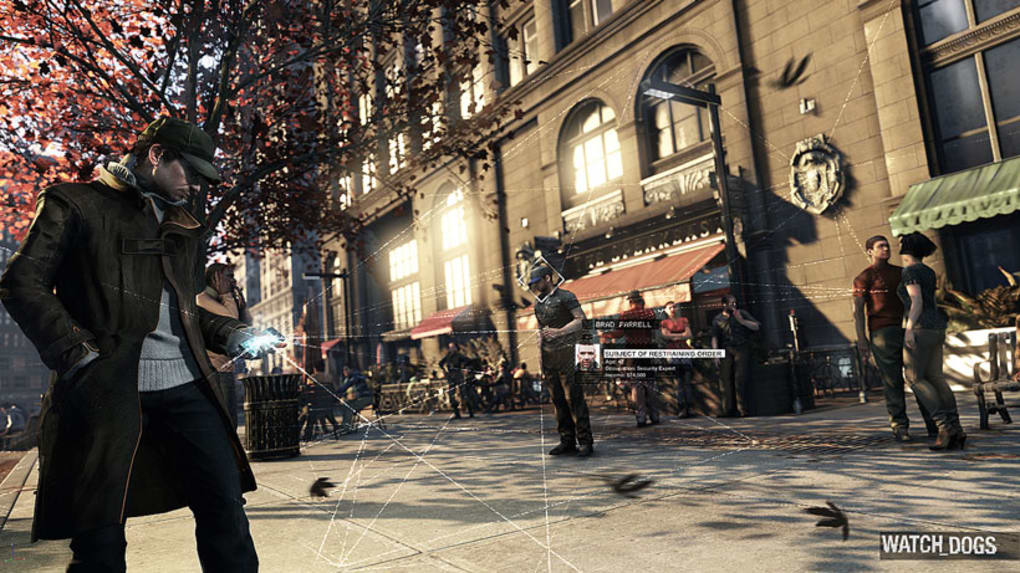
Watch Dogs thrusts players into the role of Aiden Pearce, a skilled hacker seeking revenge for a past tragedy. The game’s setting, a near-future Chicago, is a sprawling open world brimming with interactive elements and opportunities for mischief and mayhem. The city itself is a character, meticulously detailed and populated with diverse individuals, each with a detailed online profile accessible through Aiden’s smartphone. This innovative feature allows players to gather intelligence on NPCs, uncovering their secrets, financial situations, and relationships, adding a layer of depth and realism to the game’s world.
The core gameplay revolves around Aiden’s hacking abilities. This is where Watch Dogs truly shines. The hacking mechanic is seamlessly integrated into the game world. With a simple button press, players can manipulate various elements of the city’s infrastructure, from traffic lights and security cameras to drawbridges and power grids. This allows for creative problem-solving and provides a satisfying sense of control over the environment. The ability to hack into people’s profiles provides information vital to mission success, adding a strategic element to the gameplay.
The game offers a diverse range of missions, some involving stealthy infiltration, others requiring more direct action. However, while the variety is appreciated, the mission design itself represents a significant flaw. Mission objectives often lack clarity, leading to frustration as players repeatedly fail to understand the required steps. Targets can be ambiguous, requiring multiple attempts and trial and error to successfully complete objectives. This unclear mission structure, unfortunately, detracts from the otherwise engaging gameplay.
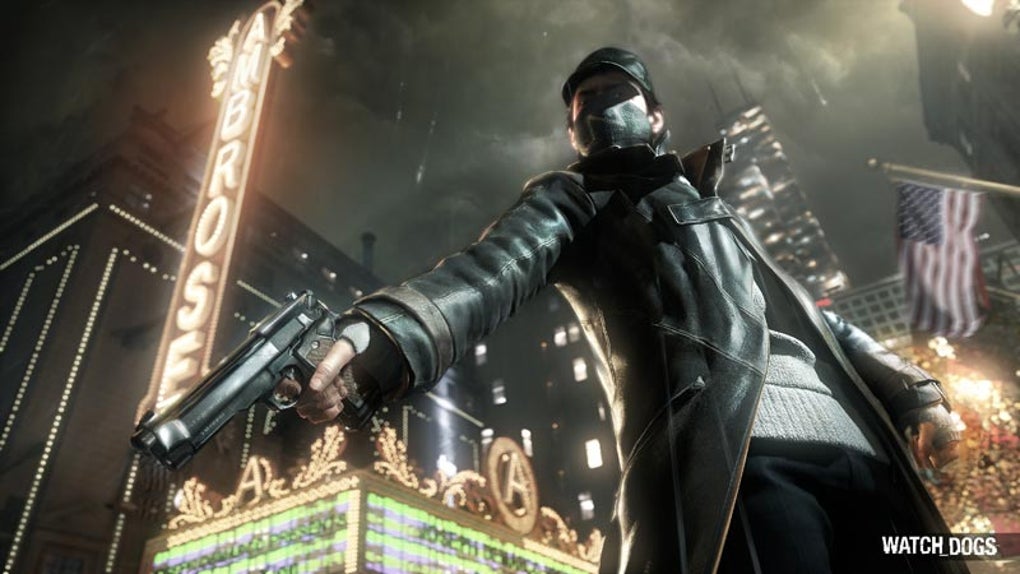
The freedom of exploration within the open-world is commendable. Players can freely roam Chicago, using a variety of vehicles—cars, trucks, and even boats—to navigate the city. This open-ended exploration complements the hacking mechanic, providing ample opportunities for players to experiment with different approaches and discover hidden secrets within the urban landscape. The sheer scale of the city and the detail put into its creation is impressive, offering a truly immersive experience for players willing to get lost in the city streets.
A Flimsy Narrative and Unengaging Characters
While Watch Dogs’ gameplay is largely commendable, the game’s narrative suffers from significant shortcomings. The main plot, revolving around Aiden Pearce’s quest for revenge, is rather uninspired and predictable. The story unfolds through a series of cutscenes and dialogue, but the writing fails to create compelling characters or generate emotional investment in Aiden’s journey. Aiden himself comes across as a rather one-dimensional character, lacking the charisma and depth of similar protagonists in other open-world games. The supporting characters are equally underwhelming, adding little depth or emotional resonance to the overall story.
This is in stark contrast to the richly detailed city and its inhabitants. The game’s world is populated by individuals with unique personalities and stories, providing glimpses into the lives of ordinary Chicagoans. This detailed portrayal of urban life adds a layer of realism, juxtaposing the mundane with the high-stakes world of Aiden’s hacking escapades. However, this disconnect between the engaging urban setting and the underdeveloped narrative is a significant weakness of the game.
The inclusion of numerous secondary storylines, revealed through interactions with NPCs, partially compensates for the main plot’s shortcomings. These side stories add depth and context to the game’s world, providing welcome distractions from the central narrative. These mini-narratives often offer more engaging stories and character development than the main plot, making them some of the game’s most memorable moments.
Next-Gen Graphics: A Compromised Vision
Watch Dogs’ marketing heavily emphasized its next-generation graphics. Early trailers showcased stunning visuals that set expectations incredibly high. However, the final release fell short of these lofty promises. To ensure compatibility across different platforms—including older consoles—the developers had to compromise on visual fidelity. The resulting graphics, while not entirely poor, lacked the detail and visual polish showcased in the early marketing materials. The textures appeared somewhat bland, the lighting effects inconsistent, and the overall visual presentation was less impressive than anticipated.
This graphical compromise is perhaps the game’s most significant disappointment. The disparity between the early demonstrations and the final product led to considerable disappointment among players. While the game still holds up visually compared to contemporary titles, it failed to live up to its self-imposed “next-gen” standard, leaving a feeling of unfulfilled potential.
However, the developers succeeded in recreating the city of Chicago with remarkable accuracy. The game’s open-world environment is a detailed and expansive recreation of the Windy City, capturing its architecture, layout, and atmosphere effectively. This level of detail in the city model is a testament to the developers’ dedication, making exploring the digital Chicago a genuinely rewarding experience. The dense population, accurately scaled, further enhances the game’s realism.
Multiplayer and Legacy
Watch Dogs introduced a compelling multiplayer mode that allowed players to interact with each other in the game world. Players could engage in various online activities, such as hacking each other, participating in cooperative missions, or engaging in competitive challenges. This interactive aspect added a further layer of dynamism to the experience, enhancing the overall gameplay loop. While the multiplayer mode added to the experience, it was not without its issues and had a somewhat limited lifespan.
Watch Dogs’ legacy is complex. Despite its technical shortcomings and narrative flaws, the game had a significant cultural impact. Its exploration of themes of surveillance, data privacy, and hacking resonated with audiences, reflecting contemporary anxieties about technology and its impact on society. The game’s innovative hacking mechanics also influenced subsequent open-world titles, inspiring developers to experiment with similar systems in their own games.
While the sequel, Watch Dogs 2, improved significantly upon the original’s flaws, particularly in terms of its narrative and characters, it couldn’t entirely overshadow the initial impact (and disappointment) of the first game. Watch Dogs stands as a reminder that even ambitious projects with groundbreaking ideas can suffer from development challenges and unfulfilled expectations.
Conclusion: A Mixed Bag with Unique Appeal
Watch Dogs is a mixed bag. Its innovative hacking mechanics, expansive and richly detailed open world, and engaging multiplayer mode offer a unique and memorable gaming experience. However, its weak narrative, unclear mission design, and compromised graphics hold it back from reaching its full potential. Despite its flaws, Watch Dogs deserves credit for its ambitious scope and attempt to redefine the open-world genre, cementing its place as a unique, and ultimately imperfect, entry in gaming history. Its legacy lies not only in its gameplay innovations but also in its exploration of relevant and timely themes, even if the story itself failed to fully exploit their potential.
File Information
- License: “Full”
- Latest update: “July 15, 2022”
- Platform: “Windows”
- OS: “Windows Vista”
- Language: “English”
- Downloads: “118.6K”


