
“Whiskers” emerges from the shadowy corners of the indie gaming scene as a free-to-play point-and-click adventure game that unashamedly plunges players into a grim and unsettling horror narrative. Released by Copperbolt, this Windows-exclusive title, despite its seemingly simple presentation and cartoonish graphics, delivers a chilling experience centered around a desperate struggle for survival against a sadistic captor. For those with a penchant for psychological horror, intricate puzzles, and a narrative that revels in the macabre, “Whiskers” offers a uniquely disturbing journey that lingers long after the escape, or lack thereof.
The game’s premise is immediately impactful: you awaken as a hapless victim, imprisoned within the nightmarish abode of a murderous maniac known only as Mister Whiskers. Your overarching goal is stark and singular – to escape. This isn’t a game about combat or complex mechanics; it’s about observation, deduction, and navigating a perilous environment where every click could be the difference between freedom and a gruesome end. The developers have crafted an atmosphere that relies heavily on tension, grotesque imagery, and the pervasive sense of being hunted, making it a compelling, albeit disturbing, entry into the adventure genre.
“Whiskers” is a testament to how effective horror can be, even without cutting-edge graphics or a massive budget. It leverages the inherent vulnerability of its protagonist and the confined, dangerous setting to create a truly immersive nightmare. The game’s free nature means it’s accessible to a broad audience, but its strong thematic content and visual implications mean it’s certainly not for the faint of heart. It stands as a curious anomaly, an independent creation that dares to explore the darker facets of human (or perhaps, inhuman) depravity through the lens of interactive fiction.
The Lair of Mister Whiskers: A Grisly Narrative Unfolds
At the heart of “Whiskers” lies its unsettling narrative, a tale of capture, confinement, and the desperate bid for freedom from a terrifying antagonist. Players are immediately thrust into the role of a victim, stripped of agency and trapped within the labyrinthine lair of Mister Whiskers. This isn’t a monster of supernatural origin, but rather a “murderous maniac,” a descriptor that suggests a deeply disturbed individual whose actions are rooted in human cruelty, making the horror all the more visceral and disturbing. The anonymity of the player character further enhances the sense of vulnerability, allowing anyone to project themselves into this harrowing scenario.
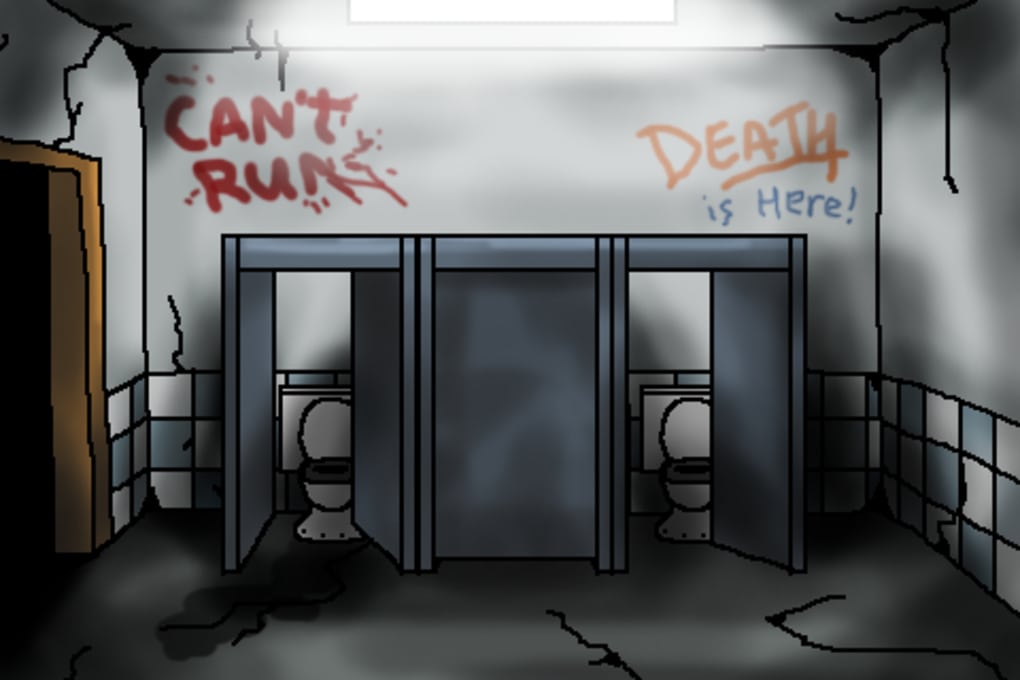
The game excels at establishing a pervasive sense of dread from the outset. As you begin your exploration, the very architecture of Mister Whiskers’ lair communicates malevolence. Each room is not merely a space to traverse but a piece of the maniac’s twisted personality, hinting at his gruesome pastimes and the fates of previous victims. The environment is laden with a grim aesthetic, where even seemingly innocuous objects might conceal a dark secret or contribute to the overall feeling of being watched and stalked. The subtle narrative cues, often inferred through environmental storytelling rather than explicit exposition, build a chilling psychological profile of your captor, intensifying the feeling that escape is not just a goal, but a matter of absolute necessity.
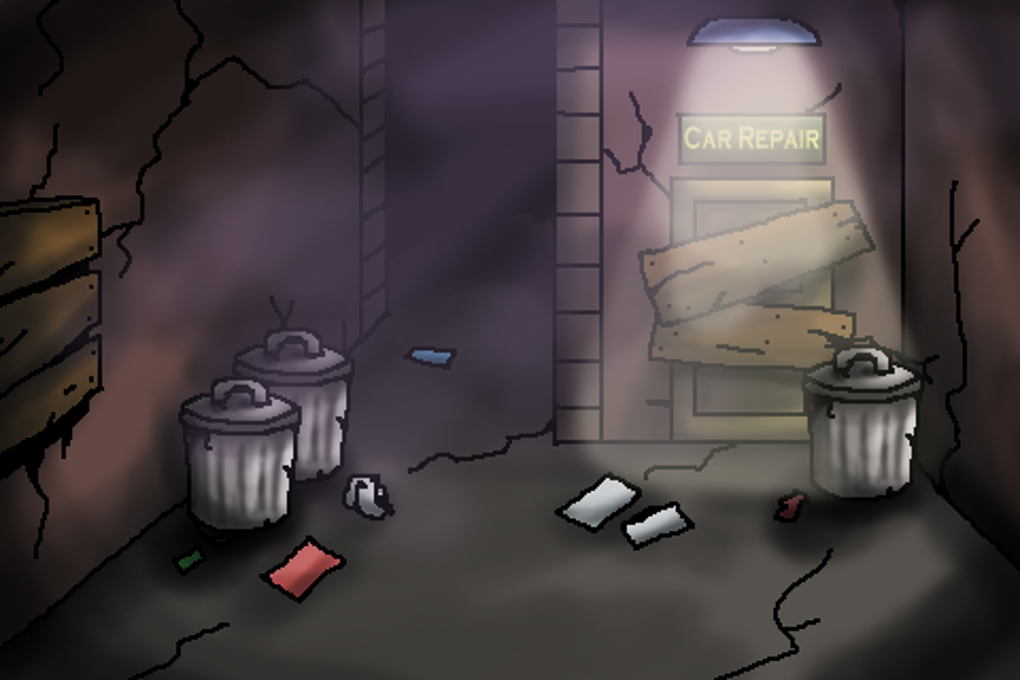
What truly sets the atmosphere of “Whiskers” apart is its audacious use of simple, almost cartoonish graphics to depict genuinely grisly and horrifying scenes. This juxtaposition is incredibly effective in creating a unique brand of horror. Instead of aiming for photorealism, which can sometimes desensitize players, the rudimentary art style forces the player’s imagination to fill in the gaps, often with results far more disturbing than any high-fidelity rendering could achieve. The description of “grisly fates” inflicted on “cartoon animals” is particularly unsettling. This stylistic choice evokes a sense of surreal terror, twisting what would typically be innocuous or even charming imagery into something profoundly disturbing. It’s reminiscent of creepypasta stories or early internet flash horror games that often used simplistic visuals to amplify the shock value and psychological impact. The innocence implied by the cartoon aesthetic makes the depicted violence all the more shocking and repugnant, challenging the player’s comfort zone and making the horror feel more personal and insidious. It’s a bold artistic decision that defines the game’s identity and ensures its horror resonates on a deeper, more uncomfortable level, firmly cementing the feeling that you are indeed trapped within a monster’s domain.
Navigating the Nightmare: Gameplay and Interaction
“Whiskers” embraces the classic point-and-click adventure game formula, a genre renowned for its emphasis on exploration, puzzle-solving, and narrative progression. For veterans of the genre, the mechanics will feel immediately familiar, yet the horrific overlay imbues each interaction with a heightened sense of urgency and peril. The fundamental loop involves moving from room to room, which in this context means delving deeper into the unsettling confines of Mister Whiskers’ lair. Players click on designated exits to transition between areas, each new space bringing with it fresh anxieties and potential dangers.
The core gameplay revolves around intelligent interaction with the environment. Players must meticulously examine every nook and cranny, clicking on objects to see if they can be manipulated, collected, or provide a vital clue. This often means scrutinizing backgrounds, furniture, and seemingly insignificant details, as “useful items can be hidden in unlikely places.” This design choice demands careful observation and patience, rewarding those who are thorough and thoughtful in their approach. Finding a crucial key, a hidden tool, or a piece of evidence can feel like a monumental achievement in the face of constant threat. The simplicity of the controls – primarily mouse-driven clicks – serves to make the game highly accessible, ensuring that players can focus entirely on the unfolding mystery and the ever-present danger, rather than struggling with complex inputs. This streamlined interaction allows the horror to take center stage, drawing players deeper into the immersive experience.
Beyond environmental interaction, “Whiskers” introduces an intriguing element: “talking to the other characters you meet.” This detail opens up several possibilities for the narrative and gameplay. These characters could be fellow captives, offering fragmented clues or harrowing accounts of their own experiences with Mister Whiskers. Alternatively, they might be even more enigmatic figures, perhaps manifestations of the protagonist’s fading sanity, or even deceptive entities placed by the maniac himself to toy with his prey. The inclusion of dialogue suggests a layer of social deduction and information gathering, adding another dimension to the puzzle-solving aspect. Players must discern who to trust, how to interpret what they’re told, and how to use this information to advance their escape plan. This element elevates “Whiskers” beyond a mere scavenger hunt, injecting it with potential for emotional depth and moral dilemmas. Each interaction, whether with an object or a character, becomes a calculated risk, a step closer to or further from freedom, making the journey through Mister Whiskers’ domain a tense, engaging, and cerebrally demanding endeavor.
The Aesthetic of Dread: Graphics, Atmosphere, and Disturbing Themes
The visual and thematic presentation of “Whiskers” is arguably its most distinctive and impactful feature. While the game’s graphics are explicitly described as “simple and even cartoonish,” this choice is far from a mere technical limitation; it is a deliberate artistic decision that profoundly shapes the game’s horrific atmosphere. This stylistic juxtaposition—innocent visuals clashing with gruesome content—creates a deeply unsettling effect. Instead of the visceral gore often associated with realistic horror, “Whiskers” opts for a more psychological approach, where the implication and the uncanny nature of what is shown become far more disturbing. The cartoonish facade makes the “grisly and horrifying” images presented within the game all the more shocking. When violence, mutilation, or death are depicted using child-like artistry, the inherent dissonance creates a powerful sense of unease, blurring the lines between innocence and corruption.
This particular aesthetic choice cleverly plays on player expectations. We are conditioned to associate cartoons with safety, humor, and lightheartedness. When this expectation is brutally subverted by images that convey genuine terror and suffering, the impact is magnified. The game isn’t just showing violence; it’s forcing players to confront it in a way that feels inherently wrong and deeply unsettling. The phrase “the fact that these grisly fates seem to be inflicted on cartoon animals doesn’t make them much easier to look at” encapsulates this perfectly. It suggests a form of defamiliarization, where the recognizable and often comforting image of an animal character is twisted into a symbol of torment, amplifying the psychological discomfort. This approach aligns with certain creepypasta traditions and independent horror games that deliberately eschew high-fidelity graphics to lean into a more surreal, symbolic, and often more disturbing form of horror.
The “somewhat dated graphics” mentioned as a con could also be interpreted as contributing to this unique horror. In an era dominated by hyper-realistic visuals, the simpler aesthetic of “Whiskers” might evoke a nostalgic, yet equally eerie, feeling reminiscent of older PC adventure games or even early internet horror animations. This retro sensibility, combined with the grotesque content, can create a timeless quality to its dread, proving that true horror isn’t dependent on polygons but on psychological impact and thematic resonance. The pervasive “horror atmosphere” is thus not solely built on visual fidelity but on intelligent design choices that leverage dissonance, implication, and the power of the player’s own imagination.
However, it is precisely these strengths that lead to the game’s significant caveat: its “disturbing themes.” “Whiskers” does not shy away from confronting players with uncomfortable imagery and narratives related to death and violence. The warning that “If you aren’t comfortable with images of death and violence, this isn’t the game for you” is not to be taken lightly. The game trades on shock value and the psychological impact of its gruesome content. It aims to unsettle and disturb, rather than just provide cheap scares. This makes “Whiskers” a niche title, appealing specifically to those who seek out extreme or unconventional horror experiences and are prepared to engage with material that challenges their sensibilities. It’s a game that understands its audience and delivers a specific, potent brand of dread through a surprisingly effective visual language.
Is Whiskers for You? Assessing its Appeal and Limitations
“Whiskers” presents a compelling case for a certain type of gamer: the aficionado of point-and-click adventure games who also possesses a robust tolerance, or even a craving, for genuinely disturbing horror. The game effectively marries the cerebral challenges of its genre with an atmosphere thick with dread and unsettling imagery, creating an experience that is both intellectually engaging and viscerally unsettling. For those who enjoy piecing together clues, solving environmental puzzles, and slowly unraveling a narrative through exploration, the core gameplay loop of “Whiskers” will feel like familiar, albeit terrifying, territory. The satisfaction derived from successfully navigating Mister Whiskers’ lair, circumventing traps, and making progress towards escape is amplified by the high stakes involved.
The simple controls are a notable “pro,” allowing players to fully immerse themselves in the game’s world without being hampered by complicated keybindings or mechanics. This accessibility means that the focus remains squarely on the narrative, the puzzles, and the escalating tension. The horror atmosphere, frequently cited as a major strength, is consistently maintained throughout the experience, ensuring that players are never allowed to feel truly safe. From the moment of capture, a pervasive sense of vulnerability and dread envelops the player, fueled by the grisly environments and the omnipresent threat of Mister Whiskers. This relentless atmospheric pressure is a key component of the game’s success in delivering effective horror.
However, “Whiskers” is not without its limitations, which, for some players, will prove to be deal-breakers. Foremost among these are its “disturbing themes.” As extensively discussed, the game’s reliance on grotesque imagery, violence, and a generally morbid tone means it is emphatically not suitable for all audiences. Players sensitive to such content are strongly advised to steer clear, as the game makes no apologies for its darker inclinations. This isn’t horror for jump-scare enthusiasts looking for cheap thrills; it’s horror for those who appreciate psychological discomfort and are prepared to witness unsettling scenarios.
The “somewhat dated graphics” might also deter some players accustomed to modern visual fidelity. While we’ve argued that this can be an intentional and effective stylistic choice for its horror, a segment of the gaming community prioritizes cutting-edge visuals. For these players, the cartoonish and less detailed presentation might detract from their immersion or enjoyment, despite its thematic relevance. However, for those who value gameplay, narrative, and atmosphere over graphical prowess, this aspect becomes less of a hindrance.
Ultimately, “Whiskers” carves out a niche for itself as a free, intense, and memorable horror adventure. Its success lies in its ability to evoke a powerful sense of fear and unease through clever artistic choices and classic gameplay mechanics. If you’re a fan of the point-and-click genre and are specifically seeking a horror experience that is “grim but enjoyable” – provided you “don’t mind a little grue” – then this offering from Copperbolt is undoubtedly “worth a look.” It’s a testament to the idea that horror, in its most potent forms, often thrives not on spectacle, but on the careful crafting of atmosphere, narrative, and psychological impact, regardless of its visual simplicity.
As a free download for Windows, “Whiskers” is an accessible entry point for curious players. It’s important to note that platforms like PhanMemFree (formerly Softonic) scan all hosted files for potential harm, with “Whiskers” typically marked as “Clean,” meaning it’s highly unlikely to pose a threat to your device. This security status, confirmed by scans across numerous antivirus services, allows players to download and experience this unique horror adventure with peace of mind. Despite its low barrier to entry and straightforward presentation, “Whiskers” leaves a lasting impression, cementing its place as an intriguing, if unsettling, contribution to the world of indie horror gaming.
File Information
- License: “Free”
- Version: “1.0.0”
- Latest update: “March 7, 2019”
- Platform: “Windows”
- OS: “Windows 10”
- Language: “English”
- Downloads: “7K”


