
Wikipedia, a globally collaborative, multilingual, free online encyclopedia project, stands as a monumental achievement in collaborative knowledge creation. Launched in 2001, it has rapidly evolved into one of the world’s most visited websites, offering a vast repository of information on an incredibly broad range of topics. Its unique structure, relying on the collective effort of millions of volunteer editors, distinguishes it from traditional encyclopedias and makes it a constantly evolving resource. This article explores the core aspects of Wikipedia, from its origins and organizational structure to its impact and ongoing challenges.
The Genesis and Evolution of Wikipedia
The concept of a collaboratively edited encyclopedia wasn’t entirely novel when Wikipedia emerged. However, Wikipedia’s success stems from a confluence of factors: a simple, intuitive editing interface; the power of the open-source movement, emphasizing free access and collaborative development; and a dynamic community of volunteer contributors. Prior attempts at collaboratively built online encyclopedias had struggled with vandalism, inconsistencies, and a lack of effective moderation. Wikipedia, leveraging the wiki technology pioneered by Ward Cunningham’s WikiWikiWeb, offered a more streamlined approach. This technology allowed users to easily create, edit, and link pages, fostering a self-regulating system of checks and balances.
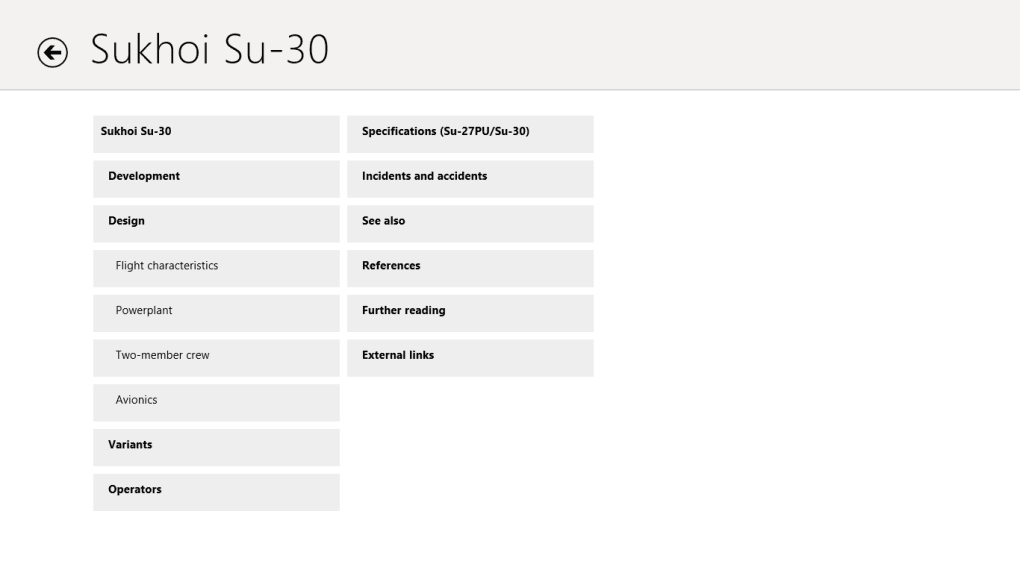
Initially, Wikipedia faced skepticism and criticism. Concerns about the accuracy and reliability of information contributed by non-experts were prevalent. However, the sheer scale of participation, the community’s implementation of editorial guidelines, and the inherent transparency of the editing process gradually addressed these concerns. The evolution of Wikipedia’s policies, including dispute resolution mechanisms and mechanisms to combat vandalism and bias, played a critical role in its maturation and growing acceptance. The platform’s success is a testament to the potential of collective intelligence and the power of open collaboration. The sheer volume of articles, spanning multiple languages and covering almost every conceivable topic, showcases the remarkable reach and impact of this global initiative.
Wikipedia’s Organizational Structure and Governance
Wikipedia operates under the non-profit Wikimedia Foundation, a charitable organization dedicated to supporting free knowledge projects. This structure ensures its independence and commitment to its founding principles. Unlike traditional encyclopedias, Wikipedia relies on a decentralized, community-based governance model. A vast network of volunteer editors, representing a diverse range of expertise and backgrounds, contributes to the creation and maintenance of its content. This participatory model is both a strength and a challenge.
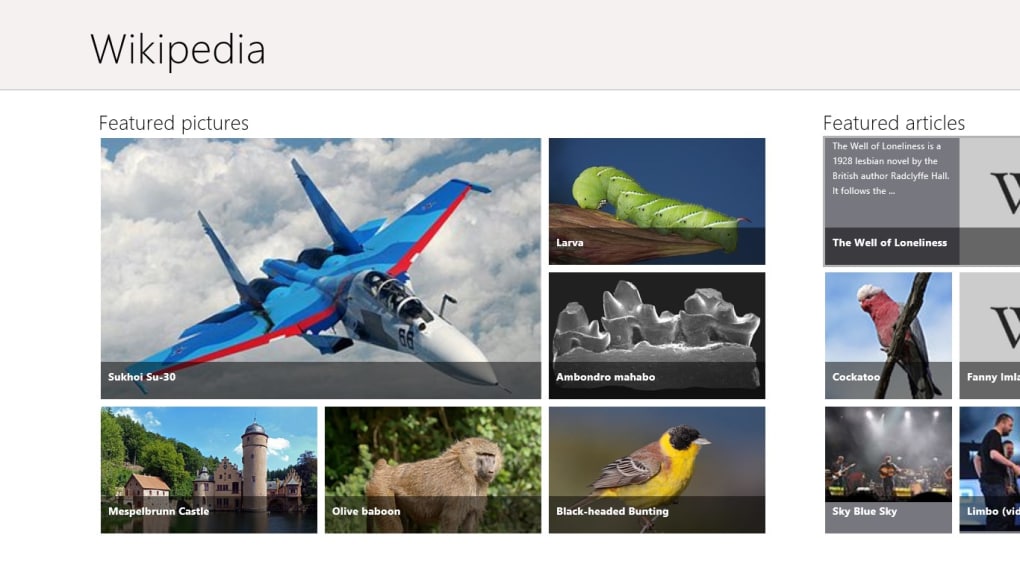
The community establishes and enforces guidelines and policies through consensus-building. Editors reach decisions through discussion, debate, and collaborative processes. Experienced editors, known as administrators, moderate discussions and enforce community policies, addressing issues of vandalism, disputes, and concerns about article quality. However, the lack of a centralized authority can sometimes lead to internal conflicts and disagreements, requiring ongoing community effort to maintain editorial standards and a harmonious collaborative environment.
The organizational structure of Wikipedia also involves intricate systems of templates, categories, and internal linking that make navigating the vast amount of content possible. These organizational tools have been progressively refined over the years, reflecting the continuous effort to enhance the usability and effectiveness of the platform. This organic development demonstrates the adaptive nature of the Wikipedia project.
Content Creation, Editing, and Quality Control
Wikipedia’s strength and its weakness lie in its reliance on volunteer contributors. While this ensures a breadth of coverage unmatched by any other encyclopedia, it also introduces challenges related to content accuracy, neutrality, and consistency. The platform has implemented mechanisms to address these concerns.
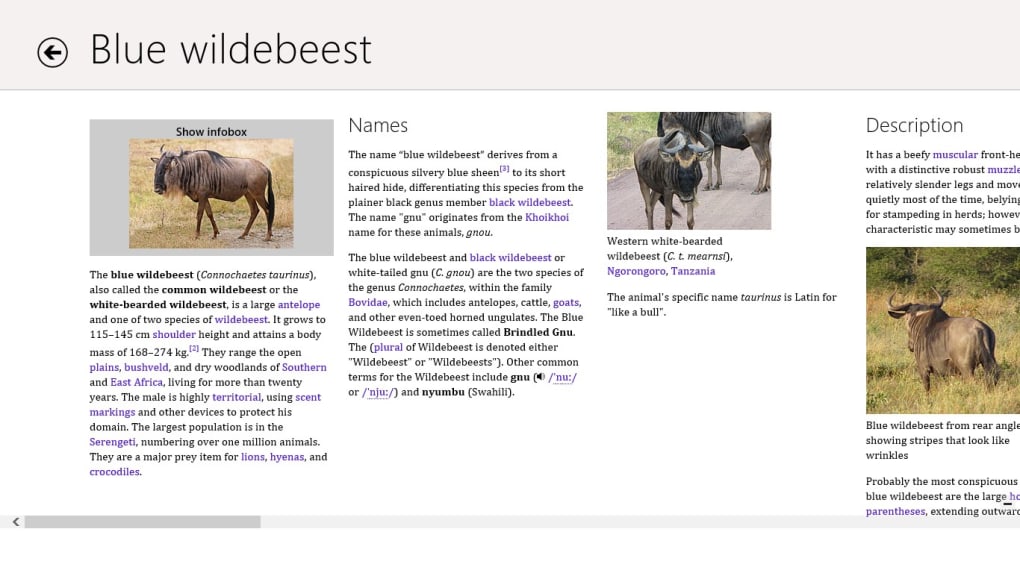
The editorial process is characterized by transparency, with all edits being recorded and traceable. This allows the community to monitor changes, identify vandalism, and resolve disputes. Editors are expected to cite sources to support factual claims, and articles undergo continuous revision and refinement based on the input of multiple contributors. A system of peer review, while informal, plays a significant role in maintaining article quality. However, biases can still creep in, and there is ongoing work to address systemic biases and ensure representation across diverse perspectives.
Wikipedia’s quality control relies heavily on community vigilance and self-regulation. While administrators and other experienced editors play a crucial role in mediating disputes and enforcing policies, the primary responsibility for maintaining article quality rests with the collective community of editors. This distributed approach presents both opportunities and limitations. The transparency of the editing process allows anyone to review and critique articles, fostering a degree of self-correction. However, it also creates potential for conflict and necessitates a constant commitment to refining the process and guidelines.
Wikipedia’s Impact and Challenges
Wikipedia has undoubtedly had a profound impact on access to information globally. Its free and open nature has democratized access to knowledge, providing a valuable resource for students, researchers, and the general public alike. Its multilingual nature makes information readily available to individuals worldwide, transcending geographical and linguistic barriers.
However, Wikipedia faces ongoing challenges. Concerns about the accuracy and reliability of information, while mitigated by community efforts, remain a valid point of criticism. The potential for bias, both intentional and unintentional, is a continuous concern. Combating misinformation and vandalism requires constant attention and proactive measures from the community. Funding remains an ongoing challenge, requiring the Wikimedia Foundation to secure funding to support the infrastructure and development of the project.
The scale of Wikipedia itself is a challenge. The sheer volume of content makes comprehensive oversight difficult. Efforts to address these challenges involve developing improved tools, refining community guidelines, and investing in research to better understand the dynamics of collaborative knowledge creation. The project’s success hinges on the ongoing commitment of its volunteer contributors, the evolution of its governance structures, and the sustained efforts to address inherent limitations.
The Future of Wikipedia
The future of Wikipedia depends on several key factors. The continued engagement of its diverse volunteer base is crucial. Attracting and retaining skilled editors is essential for maintaining the quality and accuracy of its content. Technological advancements, such as improved editing tools and enhanced search functionality, can play a significant role in improving the user experience and facilitating more effective collaboration.
The Wikimedia Foundation’s ability to secure sustainable funding remains critical. Addressing ongoing challenges related to combating misinformation, bias, and vandalism will require continuous efforts and investment in research and development. Wikipedia’s future also involves adapting to changing technological landscapes, including the rise of new media platforms and the evolving needs of its users. Its continued success hinges on the ability of the community to adapt, innovate, and maintain its commitment to its founding principles of free access to knowledge and collaborative knowledge creation. The evolution of Wikipedia will likely involve a continuous interplay of community-driven initiatives, technological advancements, and ongoing efforts to address the inherent challenges of a large-scale, collaboratively edited online encyclopedia.
File Information
- License: “Free”
- Version: “varies-with-device”
- Latest update: “February 4, 2022”
- Platform: “Windows”
- OS: “Windows 11”
- Language: “English”
- Downloads: “47.9K”


