
Wish, the brainchild of ContextLogic Inc., burst onto the e-commerce scene in 2015, initially as a Facebook-based platform. Its disruptive approach, focusing on incredibly low prices, quickly gained traction, challenging established giants like Walmart, Alibaba, and Amazon. This article delves into the Wish experience, exploring its features, its impact, and the criticisms it has faced.
The Genesis of Wish: A Facebook Startup’s Ascent
Wish’s origin story is one of opportunistic innovation. Launched as a Facebook marketplace in 2015, it capitalized on the burgeoning demand for affordable goods. Its strategy hinged on offering bargain-basement prices, significantly undercutting conventional retailers and even competing online marketplaces. This aggressive pricing model, combined with the reach of Facebook’s advertising platform (Wish utilized pay-per-click advertising), propelled its rapid growth. The low prices attracted a large user base, eager to save money on a wide array of products. This initial success led ContextLogic Inc. to develop a standalone app, further solidifying its position in the e-commerce landscape.
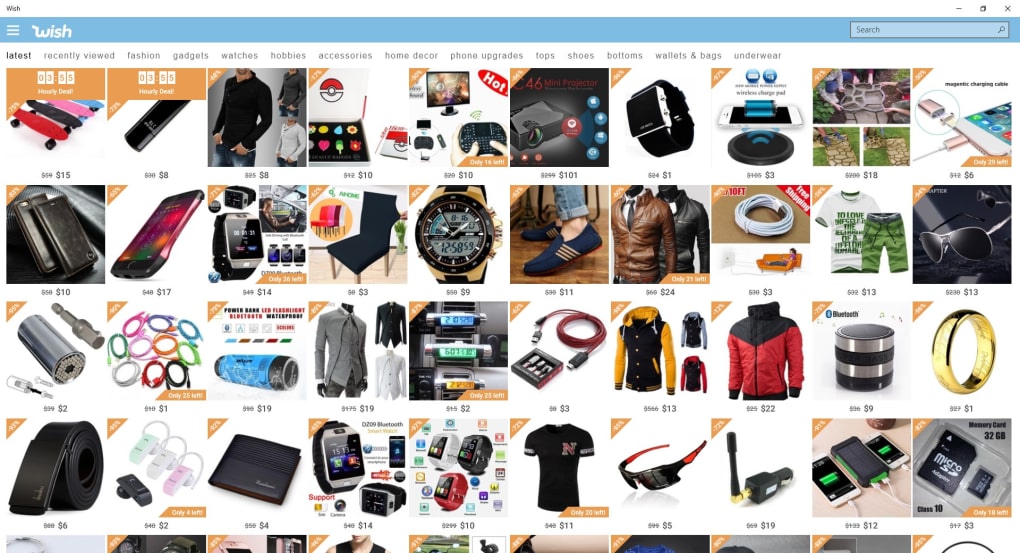
The Wish app operates on a unique business model. Instead of directly holding inventory, Wish acts as a facilitator, connecting consumers with merchants, primarily based in China. Users add items to their wishlists, and Wish handles the order fulfillment process. This direct-to-consumer model eliminates intermediaries, contributing to the lower prices. However, this system also presents challenges in terms of quality control and delivery times, as we shall explore later.
Beyond its core functionality, Wish also introduced several features to enhance the shopping experience. Wish Express aimed to expedite deliveries, offering faster shipping options to users willing to pay a premium. Wish Outlet provided a platform for purchasing overstocked goods at even deeper discounts. Furthermore, the platform expanded into themed shopping experiences, launching specialized apps such as Geek (electronics), Mama (home goods), Cute (beauty products), and Home (decorations). This diversification catered to niche interests and broadened the appeal of the Wish ecosystem, making it accessible across various computer and mobile devices.
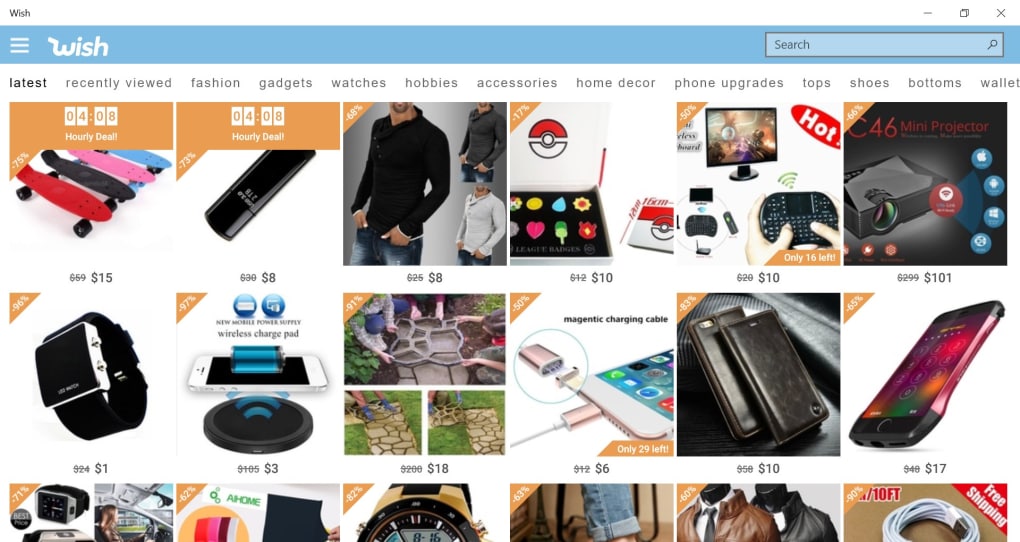
This curated approach to product presentation, combined with the constant influx of new items and hourly deals, creates an environment conducive to impulse buying. Users are presented with a seemingly endless stream of products, all offered at strikingly low prices. This abundance, while attractive to bargain hunters, also contributes to some of the platform’s criticisms.
Wish’s Product Catalog and User Experience
Wish boasts an extensive product catalog spanning numerous categories, encompassing fashion, gadgets, home decor, and much more. The sheer variety is a significant draw for many users. However, the sheer volume of items also presents a challenge in terms of quality control, a point we’ll discuss further. Despite this potential drawback, the platform’s ease of use remains a considerable strength.
The user interface is intuitive and straightforward. A simple hamburger menu provides access to essential features, including the homepage, user profile, order history, payment wallet, notifications, shopping cart, and options for inviting friends. Browsing products is straightforward, and selecting an item leads to a detailed product page. This page features comprehensive descriptions, customer reviews, product specifications, and information on the seller’s rating and shipping details. This transparency, while not always guaranteeing product quality, aims to empower users to make informed decisions. The ability to add items to a wishlist before purchasing further allows users to carefully consider their choices.
The platform’s emphasis on hourly deals and sales actively encourages frequent engagement. This dynamic pricing model keeps users returning, hoping to snag the best bargains. The constant flow of new products contributes to the sense of excitement and the potential for discovery, enhancing the overall shopping experience for many users.
The Double-Edged Sword: Low Prices and Their Consequences
While Wish’s low prices are its main selling point, they also contribute to some of its most significant criticisms. The incredibly low prices often raise concerns about the quality of the goods, as well as the ethical sourcing and manufacturing practices. Many users have reported receiving counterfeit goods, defective products, and significant delays in shipping. The lack of stringent quality control measures, a consequence of the direct-to-consumer, primarily Chinese-based supply chain, directly contributes to these issues. This contrasts sharply with major retailers importing from China, who typically enforce stricter quality control and provide money-back guarantees, offering a significantly different consumer experience. This discrepancy underscores the trade-off between price and reliability in the Wish marketplace.
Another significant drawback is the potential for shipping delays and complications. While Wish Express offers faster shipping options, many users report extended delivery times, with some orders taking weeks or even months to arrive. These delays, compounded by the potential for damaged or defective goods, can significantly detract from the overall shopping experience. The lack of a robust customer service system further exacerbates these issues, leaving users with limited recourse when encountering problems with their orders.
Wish: A Critical Appraisal
Wish presents a compelling proposition for budget-conscious shoppers. Its vast selection of products, coupled with aggressively low prices, attracts a substantial user base. The user-friendly interface and convenient features enhance the overall shopping experience. However, this attractiveness comes with potential drawbacks. The lack of rigorous quality control, the prevalence of shipping delays, and the potential for receiving counterfeit or defective goods represent significant concerns. While the hourly deals and sales create a thrilling shopping environment, they also contribute to the impulsive nature of purchasing, potentially leading to buyer’s remorse.
The platform’s reliance on payment methods such as PayPal, and its primary focus on the European and North American markets, represent additional limitations. The variability in clothing sizes and the inability to always guarantee product quality further contribute to the inherent risks associated with shopping on Wish.
In conclusion, Wish offers a unique and often enticing shopping experience. However, potential buyers must carefully weigh the advantages of low prices against the potential drawbacks of potentially lower quality goods, longer shipping times, and the added risk associated with international transactions and less robust customer service compared to established e-commerce platforms. The platform’s appeal hinges largely on the user’s tolerance for risk and willingness to accept potential compromises in quality and service in exchange for significant cost savings. The platform’s success is a testament to its ability to tap into the market demand for affordability, however, it also highlights the need for greater transparency and improved quality control measures to enhance consumer protection.
File Information
- License: “Free”
- Version: “varies-with-device”
- Latest update: “September 17, 2019”
- Platform: “Windows”
- OS: “Windows 10”
- Language: “English”
- Downloads: “24.5K”


