
In the annals of PC gaming, few titles hold as cherished a place as Wolfenstein: Enemy Territory. Released initially in 2003, this free-to-play, objective-based multiplayer first-person shooter quickly captivated a global audience with its innovative design, engaging team mechanics, and relentless action. What began as a planned commercial expansion for Return to Castle Wolfenstein evolved into a standalone gem when its single-player component was scrapped, leaving behind a pure multiplayer experience that would define a generation of online combat. Developed by Splash Damage and published by Activision, Wolfenstein: Enemy Territory (often abbreviated as W:ET) defied expectations, proving that a free game could offer depth, competitive intensity, and a thriving community rivalling its paid counterparts. Its enduring appeal is a testament to its brilliant design, a robust class system, and meticulously crafted maps that still resonate with players almost two decades later. Even today, on platforms like PhanMemFree.org, the game’s patch, which updates it to the latest version, continues to see downloads, highlighting its persistent legacy and the active community that keeps it alive.
The Foundation of Objective-Based Warfare
At its heart, Wolfenstein: Enemy Territory is a masterclass in objective-based multiplayer design. Unlike many shooters of its era that focused predominantly on kill counts, W:ET pushed players to work cohesively towards specific goals, making teamwork not just advantageous but absolutely essential for victory. This emphasis on objectives created a dynamic and strategic battlefield where individual skill, while important, was ultimately secondary to coordinated team efforts.
A Deep Dive into Class-Based Combat and Teamwork
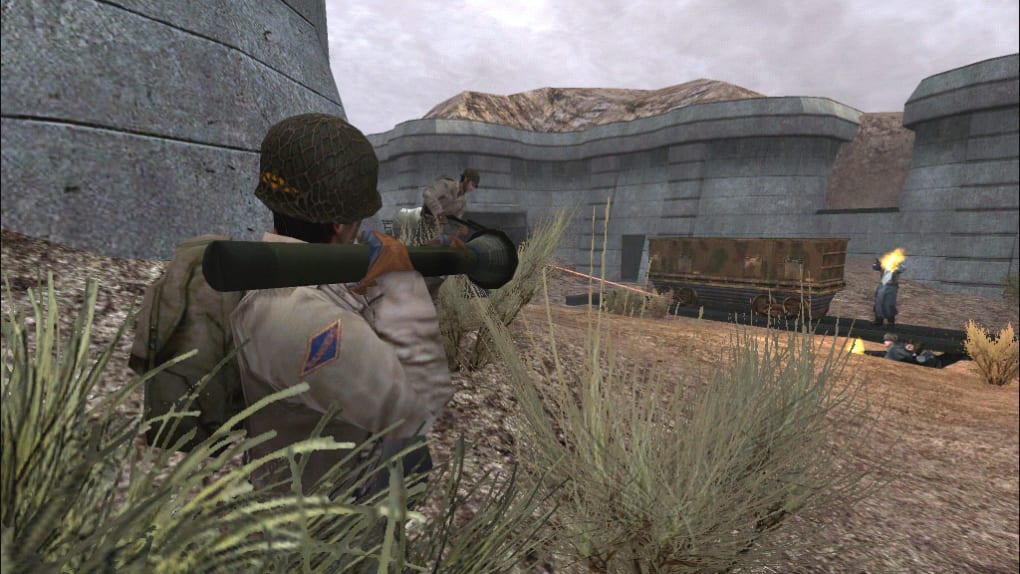
The game’s success is inextricably linked to its innovative class system, which assigned distinct roles and abilities to each player, fostering a deep sense of interdependence within the team. Players choose from five unique classes, each vital to the success of their Allied or Axis faction:
- Soldier: The frontline combatant, soldiers excel at direct engagements and heavy weapon deployment. They can wield powerful arms like machine guns, flamethrowers, and bazookas (Panzerfaust), making them critical for suppressing enemies, breaching defenses, and taking down vehicles. Their ability to deploy landmines also adds a layer of defensive strategy.
- Medic: The lifeblood of the team, medics are indispensable for sustaining pushes and holding ground. They can revive fallen teammates, restore health with medical packs, and even self-heal. A good medic can turn the tide of a battle, ensuring the team’s momentum isn’t lost to casualties.
- Engineer: The backbone of any strategic advance or defense, engineers are responsible for constructing and repairing objectives. This includes building command posts, repairing damaged vehicles, defusing explosives, and laying down landmines. They are also adept with explosives, capable of planting and disarming dynamite for critical objectives.
- Field Ops: These officers are crucial for logistical support and tactical advantage. They can call in air strikes and artillery bombardments, providing devastating area denial or clearing entrenched enemy positions. More importantly, they can resupply teammates with ammunition, ensuring that the frontline remains well-equipped.
- Covert Ops: The stealth specialists, Covert Ops players excel at infiltration, reconnaissance, and sabotage. Equipped with silenced weapons and smoke grenades, they can sneak past enemy lines, steal uniforms to impersonate foes, and use binoculars to spot enemies for air strikes. Their ability to place satchel charges for demolition and to pickpocket vital documents makes them critical for specific objective types.
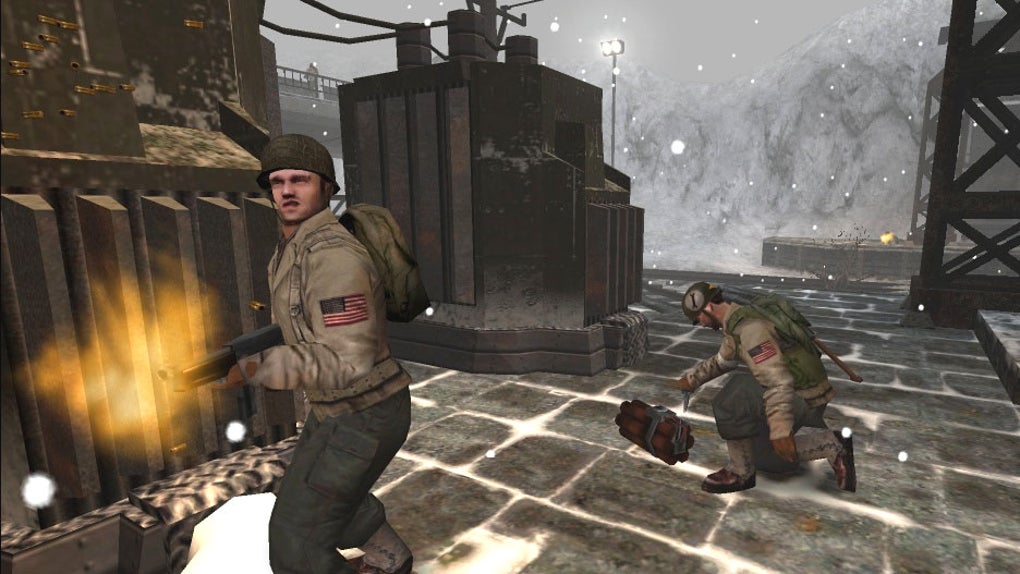
The synergy between these classes is what truly sets W:ET apart. A soldier needs a medic to stay alive, an engineer to open paths, and a field ops to keep firing. Covert ops can pave the way for engineers, while medics can heal any class. This intricate web of interdependencies ensures that no single player can carry a team; success hinges on effective communication and coordinated play, making every team victory feel like a hard-earned achievement.
Masterfully Designed Objective-Based Maps
The gameplay experience is further elevated by its exceptionally designed maps. Each map presents a unique scenario, pitting the Allies against the Axis in a series of interconnected objectives that guide the flow of battle. Maps like Gold Rush, Fuel Dump, Rail Gun, and Seawall Battery became legendary, each offering distinct tactical challenges and opportunities.
For instance, in Gold Rush, the Allies must escort a tank through a town, blow open a bank vault, and then escape with the gold. The Axis, conversely, must prevent these objectives at all costs. This linear progression of objectives creates natural chokepoints, emergent strategies, and a constant shifting of the battlefield as teams adapt to the current goal. The map design encourages different class compositions for different stages, requiring teams to think on their feet and adjust their strategies. The detailed environments, interactive elements, and varied terrain on each map contribute to a highly immersive and replayable experience, ensuring that no two rounds feel exactly the same.
Experience Points and Skill Progression
Adding another layer of depth, Wolfenstein: Enemy Territory incorporated an experience point (XP) system. Players earn XP for performing class-specific actions (e.g., medics reviving, engineers building, soldiers getting kills). Accumulating XP unlocks various perks and abilities for their chosen class, enhancing their effectiveness. For example, a medic might gain increased healing speed, or a soldier might get better weapon handling. This progression system provided a sense of personal advancement within the team structure, encouraging players to master their chosen roles and contributing to the game’s long-term engagement. It struck a perfect balance between rewarding individual performance and reinforcing the overall team objectives, as personal progression was directly tied to contributing to the team’s success.
A Legacy of Free-to-Play Excellence
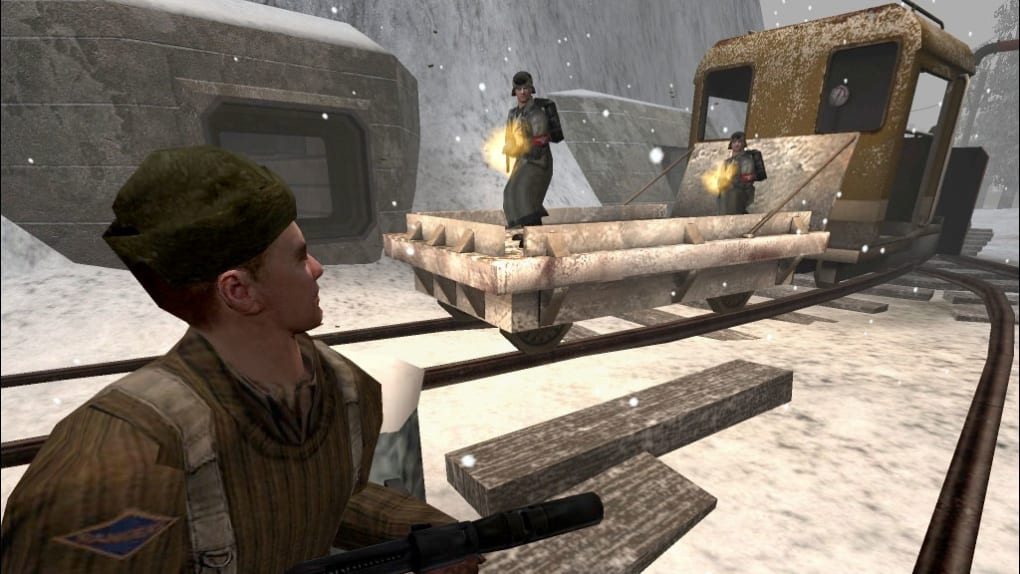
The story of Wolfenstein: Enemy Territory is one of unexpected success and enduring influence. Born from the ashes of a cancelled single-player component, it blossomed into one of the most celebrated free-to-play games of its time, shaping the landscape of multiplayer shooters for years to come.
From Expansion to Standalone Phenomenon
Originally conceived as the multiplayer segment of Return to Castle Wolfenstein: Enemy Territory, a commercial expansion pack for the highly successful Return to Castle Wolfenstein, the project took a significant turn. When development on the single-player campaign encountered insurmountable hurdles, the decision was made to release the robust multiplayer component as a standalone, entirely free-to-play game. This strategic pivot by Activision and id Software proved to be a stroke of genius. By removing the price barrier, W:ET became accessible to a massive audience, quickly gaining traction and cultivating a dedicated player base that few paid games could match. Its availability as a free download, even for users running older operating systems like Windows 98 or Windows XP (as highlighted in its historical descriptions on platforms like PhanMemFree.org), made it incredibly inclusive. This low barrier to entry, combined with its relatively small file size (around 270.90 MB, making it “less space than many games in the section PC games”), contributed significantly to its rapid adoption and widespread popularity, especially in regions like Finland, Canada, and Australia, where it saw considerable success.
Fueling a Vibrant Community and Modding Scene
The free nature of Wolfenstein: Enemy Territory had a profound impact on its community. Without the need to purchase the game, players were free to host their own servers, experiment with custom maps, and develop intricate modifications that extended the game’s lifespan far beyond its official development cycle. This vibrant modding scene produced a wealth of user-generated content, from balance tweaks and new game modes to entirely new gameplay experiences. Community-driven patches, like the 2.60 update mentioned in the PhanMemFree.org descriptions (which “fix many of the problems that existed in version 2”), were crucial for maintaining stability, patching vulnerabilities, and even introducing new features years after its initial release. This symbiotic relationship between the developers’ original vision and the community’s creative input ensured that W:ET remained fresh and engaging for a remarkably long time. The game’s open-source code was later released, further empowering the community to maintain and evolve the game, even leading to modern ports and compatibility updates.
Enduring Availability and Modern Revival
While Wolfenstein: Enemy Territory was initially a direct download from various gaming portals, its legacy has been cemented by its official release on digital storefronts like Steam in 2022. This move introduced the classic to a new generation of players while simultaneously providing a streamlined platform for veterans to reconnect. The Steam release included updated binaries that addressed modern operating system compatibility issues and integrated with Steam’s networking, making it easier than ever to jump into a game. The descriptions on PhanMemFree.org detailing its updates (e.g., “Version 2.60 Latest update September 1, 2021” for the patch) and its initial download statistics (“managed to achieve 33,589 downloads” since 2005) serve as historical markers of its continuous presence and the persistent need for players to keep their game updated, even years after its initial launch. The continued availability and community efforts ensure that this multiplayer gem remains accessible and playable, solidifying its status as a PC gaming landmark.
Why Wolfenstein: Enemy Territory Endures
The enduring appeal of Wolfenstein: Enemy Territory lies in its delicate balance of immediate gratification and strategic depth, a blend that continues to captivate players long after many of its contemporaries have faded into obscurity. It wasn’t just a game; it was an experience that fostered camaraderie, competition, and countless hours of fun.
The Perfect Blend: Strategic Depth vs. Arcade Fun
W:ET mastered the art of being easy to pick up but difficult to master. The core mechanics of shooting, moving, and using class abilities are intuitive, allowing new players to quickly get into the action. However, the true depth emerges from the tactical layer. Understanding map layouts, anticipating enemy movements, coordinating class abilities, and adapting strategies on the fly are skills that take hundreds of hours to hone. This balance prevents the game from ever feeling stale. A casual player can enjoy the quick thrills of a skirmish, while a seasoned veteran can engage in intricate, high-level teamwork, leveraging every nuance of the game’s mechanics to secure victory. The objective-based gameplay naturally pushes teams towards strategic thinking without making the game overly complex or slow-paced, ensuring that the action remains constant and exciting.
The “One More Round” Appeal
One of W:ET’s most potent qualities is its addictive “one more round” factor. Matches are typically fast-paced and intense, with objectives often coming down to the wire. The ebb and flow of battle, the constant shifts in momentum, and the satisfying feeling of contributing to a team victory create an irresistible urge to immediately jump into another game. Whether celebrating a hard-fought win or seeking redemption after a narrow loss, players found themselves drawn back repeatedly. The satisfaction derived from successfully completing a complex objective, like an engineer planting dynamite under heavy fire or a medic reviving multiple teammates to save a push, is immense. This cycle of challenge, triumph, and the promise of another thrilling encounter ensured that W:ET remained a staple on many gamers’ hard drives for years. The objective-driven design ensures there’s always a tangible goal, making each round feel meaningful and contributing to its immense replayability.
Historical Context and Influence on Modern FPS
Wolfenstein: Enemy Territory holds a significant place in the history of first-person shooters. It arrived at a time when the genre was evolving beyond simple deathmatch modes, pushing the boundaries of what multiplayer could be. W:ET was a pioneer in popularizing objective-based, class-focused team play. Its influence can be seen in numerous subsequent titles that adopted similar models, emphasizing teamwork and specialized roles over individual fragging. Games like Team Fortress 2, Overwatch, and even modern tactical shooters owe a debt to W:ET’s groundbreaking approach to multiplayer design. It demonstrated that a well-executed free-to-play model could foster a thriving competitive scene and a passionate community, paving the way for the modern landscape of free-to-play esports titles. Its initial release as a free game, bypassing traditional retail channels, was a bold move that proved incredibly successful, setting a precedent for digital distribution and community-driven content long before it became the norm.
Downloading and Getting Started with Wolfenstein: Enemy Territory
For those looking to relive the glory days or discover this multiplayer classic for the first time, getting into Wolfenstein: Enemy Territory is now easier than ever. While the game initially relied on direct downloads and patches, modern distribution platforms have streamlined the process.
Availability on PhanMemFree.org and Beyond
Originally, players would seek out the game and its essential updates from various online sources. PhanMemFree.org (then Softonic.com) was one such platform where players could find patches like the V2.60 update, crucial for enjoying the game at its best. The historical data on PhanMemFree.org indicates that the patch was “updated on 9/29/2005” for version 2.60, and later, the app specs show a “Latest update September 1, 2021,” indicating ongoing maintenance and relevance even for its utility downloads. While PhanMemFree.org continues to serve as a repository for such utilities, the most straightforward way to acquire the full game today is through its official release on Steam. This ensures you get a legally distributed, compatible version of the game that integrates seamlessly with modern systems. However, should you be looking for specific historical versions or community-made patches not found on Steam, resources like PhanMemFree.org remain valuable historical archives.
Modest System Requirements and Easy Installation
One of Wolfenstein: Enemy Territory’s strengths is its accessibility, even on older hardware. The game was designed for Windows 98 and prior versions, meaning it has incredibly modest system requirements by today’s standards. It takes up a small amount of disk space—around 270.90 MB, making it a “game that takes up less space than many games in the section PC games,” as noted in its description. This low barrier for entry in terms of hardware made it a popular choice globally, including in places like Finland, Canada, and Australia. Installation is typically straightforward, especially through Steam. For standalone versions, simply running the installer and applying the necessary patches (like the 2.60 update) is usually all that’s required. Its light footprint means it runs smoothly on almost any modern PC, making it an excellent option for those with less powerful gaming rigs.
Engaging with Community Servers and Patches
Once the game is installed, the next step is to find active community servers. While W:ET no longer has official servers, the passionate community keeps numerous servers running around the clock. These servers often feature various mods, custom maps, and different gameplay rules, offering a diverse range of experiences. Keeping your game updated with the latest community-driven patches (beyond the official 2.60 release) is also recommended, as these often improve compatibility, fix lingering bugs, and provide anti-cheat measures. Online forums, Discord communities, and dedicated W:ET websites are excellent resources for finding active servers and staying informed about community developments. The fact that the PhanMemFree.org listing highlights updates and patches (e.g., “This patch will update the program to the latest version and fix many of the problems that existed in version 2.”) underscores the critical role these small but essential downloads play in maintaining the game’s health and playability over the years.
Conclusion
Wolfenstein: Enemy Territory stands as a monumental achievement in the history of multiplayer PC gaming. Its ingenious blend of objective-based gameplay, a rich class system, and beautifully designed maps created an experience that was both immediately fun and endlessly strategic. Its journey from a cancelled expansion to a free, standalone classic captivated thousands, fostering a vibrant community that continues to support and evolve the game to this day. The ease of access, its lightweight nature, and the timeless quality of its gameplay ensure that W:ET’s legacy is far from over. Whether you’re a veteran seeking a nostalgic trip back to the frontlines or a newcomer curious about the roots of modern objective-based shooters, Wolfenstein: Enemy Territory offers an unparalleled experience that remains as engaging and rewarding today as it was almost two decades ago. Download it, join a server, and prepare to lose yourself in one of the greatest team-based FPS games ever made.
File Information
- License: “Free”
- Version: “2.60”
- Latest update: “September 1, 2021”
- Platform: “Windows”
- OS: “Windows XP”
- Language: “English”
- Downloads: “39.8K”
- Size: “270.90 MB”


