
WolfQuest offers a unique and engaging experience for players who want to immerse themselves in the wild and challenging life of a wolf within the breathtaking landscape of Yellowstone National Park. This simulation game allows players to experience the complete life cycle of a wolf, from a vulnerable pup to a seasoned alpha, navigating the complexities of survival, hunting, pack dynamics, and raising a family. Developed by Eduweb, WolfQuest has garnered significant popularity across various platforms, offering a compelling blend of realism and captivating gameplay. This detailed exploration will delve into the game’s features, platforms, availability, and overall appeal.
The Gameplay Experience: A Wolf’s Life in Yellowstone
WolfQuest places players directly into the heart of Yellowstone’s Northern Range, presenting a meticulously detailed and realistic environment. The game’s core gameplay revolves around the survival and progression of a wolf character throughout its lifespan. Players begin as pups, learning the basic skills necessary for survival from their parents. This early stage focuses on developing hunting instincts, navigating the terrain, and understanding pack dynamics.
As the wolf matures, players assume increasing responsibility for their own survival. Hunting becomes crucial, requiring strategic planning and execution to successfully take down prey like elk. The game incorporates realistic elements of animal behavior, requiring players to carefully consider factors such as stamina, scent, and the environmental conditions. Successfully hunting provides essential sustenance for the wolf and its family, while failure can have severe consequences.
Finding a mate is another key aspect of the WolfQuest experience. Players must locate and interact with other wolves, engaging in complex social behaviors to form lasting bonds and establish a pack. This aspect introduces an element of strategy and timing, as successful mating is crucial for the continuation of the wolf’s lineage and the eventual raising of pups.
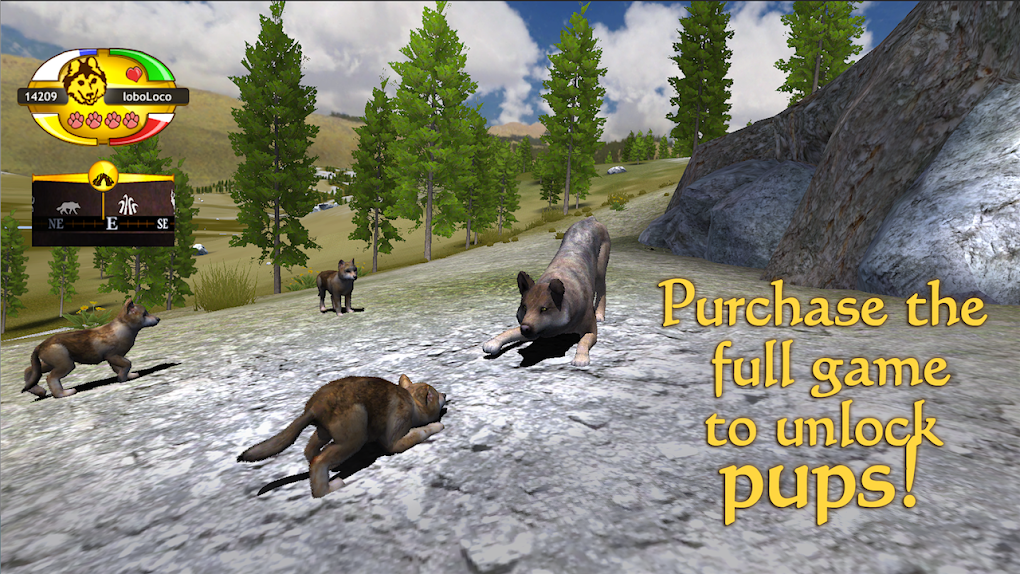
The full version of WolfQuest, which can be purchased after experiencing the free introductory level, unlocks additional features and significantly expands the gameplay experience. Perhaps the most significant addition is the ability to raise pups. This involves the complex and demanding task of nurturing and protecting young wolves, ensuring their survival and successful integration into the pack. Players must balance the needs of their pups with their own survival needs, creating a compelling dynamic that tests both their skills and patience.
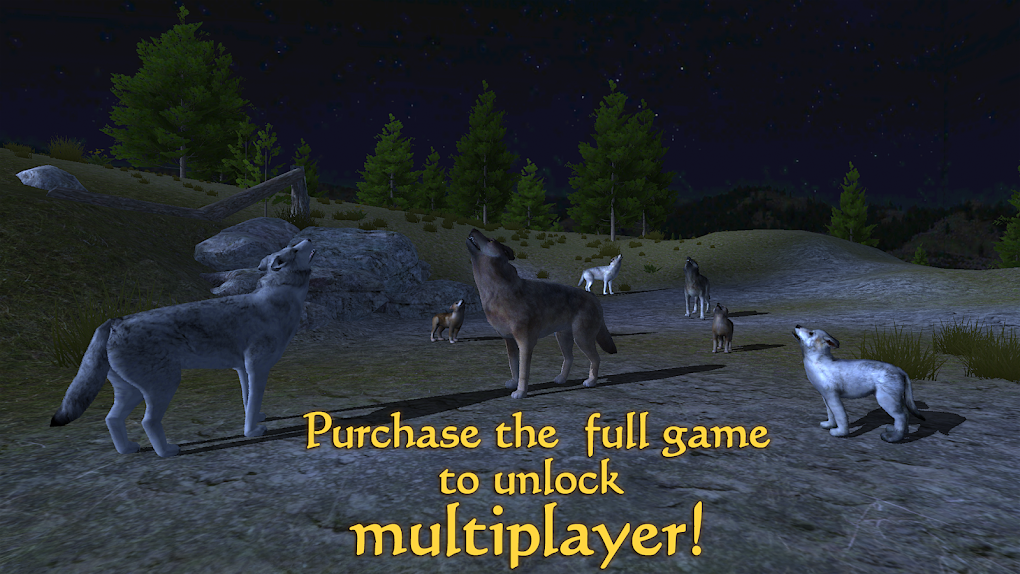
Multiplayer functionality adds another layer of depth to WolfQuest. Players can choose between private, invite-only multiplayer sessions or public sessions where they can interact with other players from around the world. This allows for cooperative gameplay, providing opportunities for shared hunting experiences, pack formation, and a richer overall gaming experience.
WolfQuest Across Platforms: Accessibility and Availability
WolfQuest’s accessibility extends across a variety of platforms, ensuring players can experience the game on their preferred device. It’s available on Android devices via the Google Play Store, offering convenient access for a vast player base. The game has also seen releases for Windows, iPhone, and Mac operating systems, highlighting its broad appeal and developer commitment to reaching a diverse audience.
The Android version, specifically, is notable for its ease of access and regular updates. The game’s high rating on the Google Play Store reflects the positive reception and satisfaction among users. The relatively small file size contributes to ease of download and installation, minimizing storage requirements on mobile devices.
Beyond the standard platforms, the game’s international reach is demonstrated by the availability of localized versions in numerous languages, including but not limited to Russian, Spanish, Turkish, Italian, Vietnamese, Japanese, Portuguese, Korean, and Chinese. This multilingual support significantly expands the game’s potential audience, allowing players around the globe to appreciate the Yellowstone experience in their native tongue.
WolfQuest: App Specifications and Technical Details
The Android version of WolfQuest, currently at version 2.7.399, boasts a sizable 39.24 MB download size. The game has been updated as recently as May 15, 2025, indicating consistent developer support and commitment to improving the player experience. The game’s compatibility with Android 13.0 and above ensures accessibility to a significant portion of the Android user base.
The app is available as a free download, offering players a chance to experience the first level of the game before deciding to purchase the full version. This “freemium” model allows for broader accessibility and allows players to determine if the game aligns with their preferences before making a purchase. This approach is common for mobile game developers, balancing free accessibility with the opportunity for generating revenue through in-app purchases.
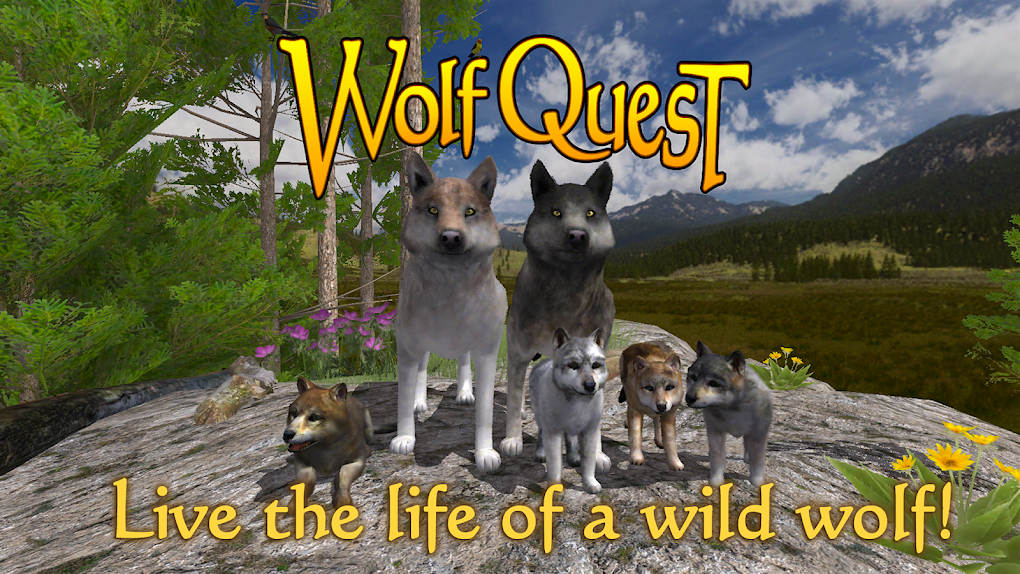
Furthermore, the game is categorized as a simulation game, accurately reflecting its focus on realistically portraying the life of a wolf in a natural environment. The detailed simulation of animal behavior, environmental interaction, and hunting mechanics contribute significantly to the overall immersion and realism of the WolfQuest experience.
WolfQuest for Business and Potential Applications
While primarily a game, WolfQuest’s realistic simulation of animal behavior and environmental interactions offers potential applications beyond entertainment. The detailed model of wolf pack dynamics and survival strategies could find use in educational settings, providing a visually engaging and interactive tool for learning about ecology, wildlife management, and animal behavior. Students could use WolfQuest to experience the challenges faced by apex predators in their natural habitats, furthering their understanding of ecological balance and conservation.
Moreover, the game’s realistic hunting mechanics could be utilized to simulate various wildlife management strategies, allowing for the exploration of different approaches to population control and resource management. This could provide valuable insights for conservationists and wildlife professionals alike, contributing to more effective and sustainable practices.
Furthermore, WolfQuest’s intricate environmental modeling might be adapted to explore the impacts of climate change on wildlife populations. By adjusting parameters and observing the resulting effects on the wolves within the game, researchers could gain valuable data to inform future conservation efforts. This would involve careful calibration of the virtual environment to reflect projected climate changes, demonstrating the potential use of game simulations as tools for environmental modeling and forecasting.
The game’s multiplayer aspect also opens possibilities for collaborative research and simulations, allowing multiple researchers to work together on various scenarios and explore a wide array of variables in a controlled virtual environment. This collaborative approach could contribute significantly to a wider range of ecological studies, expanding its potential in environmental analysis. In conclusion, while primarily designed as a captivating game, WolfQuest possesses a hidden potential for use in various educational and professional fields, contributing to a deeper understanding of ecology, wildlife management, and the effects of environmental changes on natural ecosystems.
File Information
- License: “Free”
- Latest update: “May 15, 2025”
- Platform: “Android”
- OS: “Android 13.0”
- Downloads: “8.8K”
- Size: “39.24 MB”
- Download Options: “APK, Google Play”
- Filename: “com-eduweb-wolfquest-52-37021502-e01a1b9e7c70c402c73021e1399cdf37.apk”


